Colon Cancer Screening: When and How It Is Done

Colon cancer screening can prevent cancer by finding and removing polyps before they turn cancerous. Most average-risk adults are advised to begin screening at age 45, but some people need earlier screening.
Key Takeaways
- Colon cancer screening can prevent cancer by finding and removing polyps before they turn cancerous.
- Most average-risk adults are advised to begin screening at age 45, but some people need earlier screening.
- There are several screening options, including stool-based tests and colonoscopy.
- A positive stool test usually needs follow-up colonoscopy to confirm the cause.
- Family history, inflammatory bowel disease, and certain inherited conditions can increase risk.
Colon cancer screening is used to find precancerous polyps and early cancers before they cause symptoms. Starting at the right age and choosing an appropriate test can greatly improve the chance of prevention or early treatment.
Overview
Colon cancer screening checks for abnormal growths and early cancer in the large intestine, which includes the colon and rectum. It is recommended because colorectal cancer often develops slowly over many years, starting as small polyps that may not cause any symptoms. When these polyps are found early, they can often be removed before cancer develops.
Screening is different from testing done because of symptoms. A person may feel completely well and still benefit from screening. This is one reason regular screening is so important: it can detect changes long before bleeding, pain, weight loss, or bowel habit changes appear.
Several safe and effective methods are available. Some tests look for hidden blood or abnormal DNA in stool, while others directly examine the inside of the colon. The best test is usually the one that matches a person’s risk level, preferences, and ability to complete follow-up testing if needed.
When Screening Usually Starts
For adults at average risk, colon cancer screening commonly begins at age 45. Average risk generally means there is no personal history of colorectal cancer or certain polyps, no strong family history, no inflammatory bowel disease, and no known inherited syndrome that raises risk.
Some people should start earlier or be screened more often. This includes those with a parent, sibling, or child who had colorectal cancer or advanced polyps, especially if it was diagnosed at a younger age. People with conditions such as ulcerative colitis or Crohn’s colitis, or inherited syndromes such as Lynch syndrome or familial adenomatous polyposis, also need a more individualized screening plan.
Screening usually continues through older adulthood as long as the person is healthy enough to benefit from early detection. The decision to continue screening at older ages depends on overall health, prior screening history, life expectancy, and personal preferences. A doctor can help decide the most appropriate timeline.
How Colon Cancer Screening Is Done
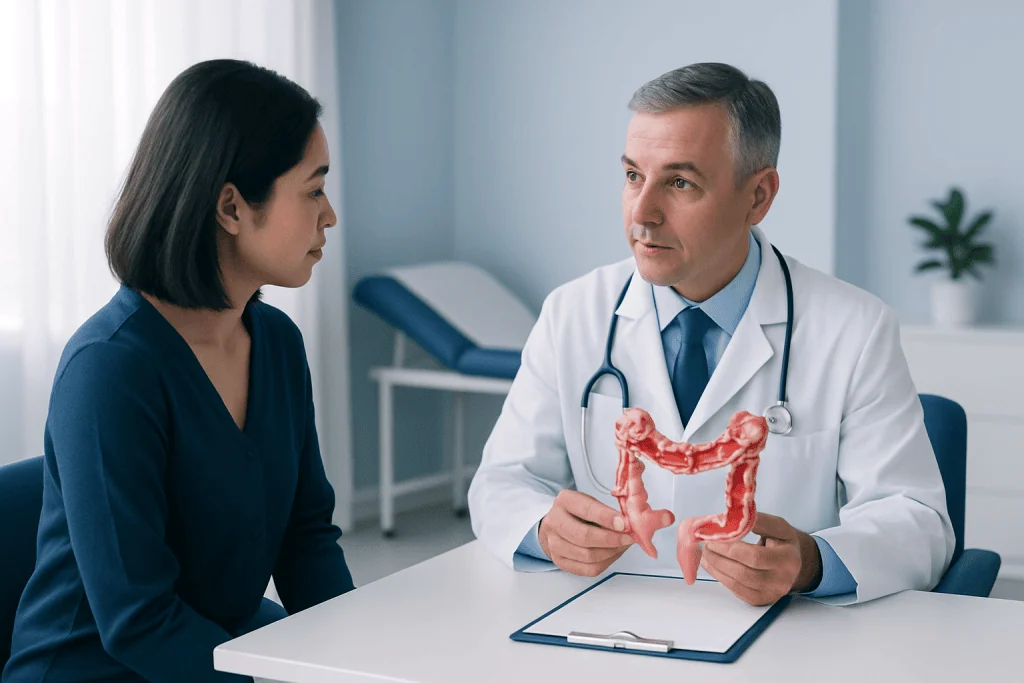
There is no single screening test for everyone. Doctors choose from stool-based tests and visual exams of the colon. Stool tests are done at home and can be convenient, but if the result is abnormal, colonoscopy is usually needed as the next step. Visual tests allow doctors to directly inspect the colon and, in some cases, remove polyps during the same procedure.
Common screening options include:
- Fecal immunochemical test (FIT): looks for hidden blood in stool, usually every year.
- Guaiac-based fecal occult blood test (gFOBT): also checks for hidden blood, usually every year.
- Stool DNA test: checks for blood and certain DNA changes linked to colorectal cancer, often every few years.
- Colonoscopy: uses a flexible camera to examine the entire colon and rectum, typically at longer intervals if normal.
- CT colonography: a special imaging test that creates pictures of the colon.
- Flexible sigmoidoscopy: examines the lower part of the colon.
Colonoscopy remains one of the most complete screening methods because it can both detect and treat by removing polyps during the same session. In some patients, doctors may recommend colonoscopy as the preferred screening method, especially when risk is higher or a stool test has already shown an abnormal result.
What Happens During a Colonoscopy
Before a colonoscopy, the bowel must be cleaned so the doctor can clearly see the lining of the colon. This preparation usually involves a special diet for a short time and a prescribed bowel-cleansing solution. Although many people find the preparation inconvenient, it is an important part of getting accurate results.
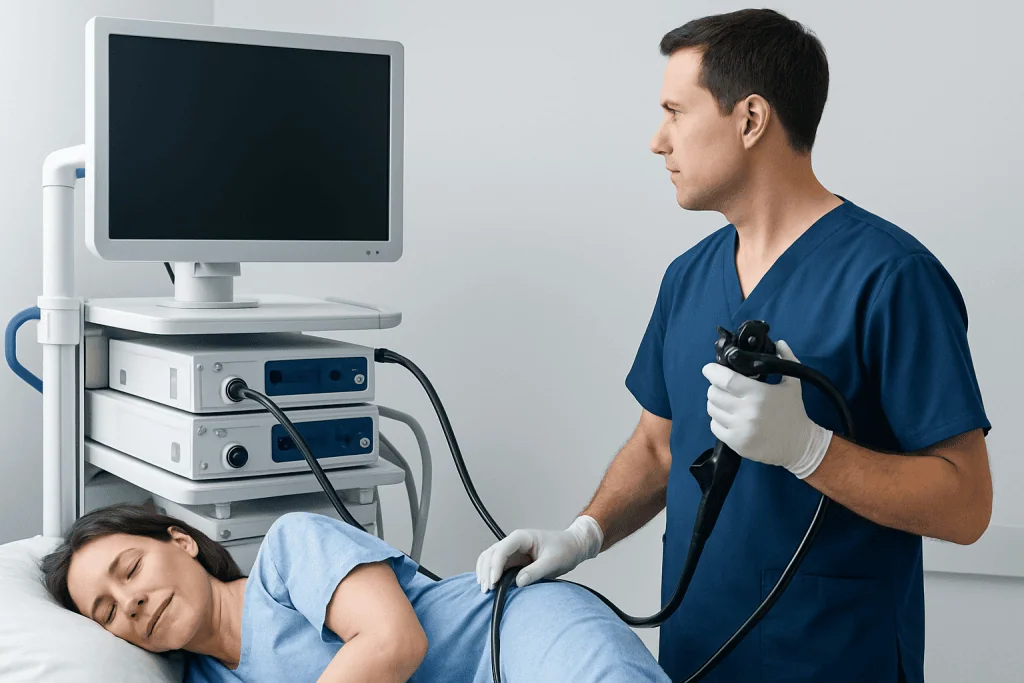
During the procedure, a thin flexible tube with a camera is gently passed through the rectum to examine the colon. Sedation is often used so the patient stays comfortable. If a polyp is seen, it can often be removed immediately, and small tissue samples can be taken for laboratory analysis.
After the procedure, mild bloating or cramping may occur temporarily. Most people recover quickly, but they usually need someone to accompany them home if sedation was used. If polyps are removed or tissue is sampled, results may guide how soon the next screening or follow-up should happen.
Who Needs Earlier or More Frequent Screening
Not everyone follows the same schedule. A person may need earlier or more frequent screening if they have had colon polyps before, a previous colorectal cancer diagnosis, a strong family history, or chronic inflammatory bowel disease affecting the colon. These factors can increase the chance of developing cancer or advanced polyps over time.
Inherited syndromes deserve special attention because they can greatly raise lifetime risk. Families with Lynch syndrome or familial adenomatous polyposis often require genetic counseling and specialized surveillance. In these settings, screening may begin much earlier than age 45 and may include regular colonoscopy at shorter intervals.
People with symptoms are not considered routine screening patients and should seek medical evaluation rather than wait for a standard screening test. Symptoms such as rectal bleeding, unexplained iron deficiency anemia, changes in bowel habits, unexplained weight loss, or ongoing abdominal discomfort may require diagnostic testing for possible colon cancer or other digestive conditions.
Benefits, Limits, and Possible Risks
The main benefit of colon cancer screening is that it can save lives through prevention and early detection. Removing precancerous polyps may stop cancer from developing. Finding cancer early often means treatment can be less extensive and more effective than if the disease is found later.
Each test also has limits. Stool tests can miss some cancers or polyps, and an abnormal result does not always mean cancer is present. Colonoscopy is very thorough, but it requires bowel preparation, time off for the procedure, and in some cases sedation. CT colonography and sigmoidoscopy may still require follow-up colonoscopy if something suspicious is found.
Risks are usually low, but they vary by method. Colonoscopy can rarely lead to bleeding, a tear in the bowel, or reactions related to sedation. Stool tests do not carry these procedural risks, but they can lead to anxiety or extra testing if results are unclear. A doctor can explain which balance of benefits and risks is most suitable for each person.
Prevention, Self-care, and Follow-up
Screening is one important part of colorectal cancer prevention, but lifestyle also matters. Healthy habits that may help lower risk include staying physically active, eating a balanced diet rich in fiber and plant foods, maintaining a healthy weight, limiting alcohol, and avoiding tobacco. These steps support overall digestive and general health, even though they do not replace screening.
Follow-up after screening is essential. If a stool-based test is positive, a timely colonoscopy is usually needed. If polyps are removed during colonoscopy, the timing of the next exam depends on the number, size, and type of polyps found. Keeping track of reports and discussing them with a doctor helps ensure the right surveillance plan.
If cancer is found, care is usually planned by a multidisciplinary team. Depending on the stage and location, treatment may involve colon cancer treatment and, in selected cases, robotic surgery. Near the end of the care pathway, some patients may choose centers such as Acibadem International, where multidisciplinary specialists in JCI-accredited hospitals diagnose and treat international patients.
When to See a Doctor
A doctor should be consulted to discuss screening by age 45 for average-risk adults, or earlier if there is a family history or other risk factors. Anyone who is unsure about their risk level should ask a healthcare professional, since even details such as the age at which a relative was diagnosed can affect the plan.
Medical attention should also be sought promptly if symptoms develop. These include blood in the stool, black stools, persistent changes in bowel habits, narrowing of the stool, ongoing abdominal pain, unexplained fatigue, or unintended weight loss. While these symptoms can have many causes, they deserve evaluation and should not be ignored.
People who have delayed screening for years are not alone, and it is still worthwhile to start. A doctor can help choose the most practical and acceptable option so screening becomes easier to complete and maintain over time.
Frequently asked questions
At what age should colon cancer screening begin?
For most adults at average risk, screening begins at age 45. Some people need to start earlier if they have a family history, inflammatory bowel disease, or an inherited condition that increases colorectal cancer risk.
Is colonoscopy the only way to screen for colon cancer?
No. Screening can also be done with stool-based tests such as FIT, stool DNA testing, and other approved methods like CT colonography or flexible sigmoidoscopy. Colonoscopy is one of the most complete tests because it can detect and remove polyps during the same procedure.
Do stool tests replace colonoscopy completely?
Not always. Stool tests are useful screening tools, especially for average-risk adults, but if the result is positive, colonoscopy is usually needed to find the source of the abnormal result. They are best viewed as part of a screening strategy rather than a complete replacement in every situation.
Are there symptoms before colon cancer develops?
Early colorectal cancer and precancerous polyps often cause no symptoms at all. That is why screening is recommended even when a person feels well. When symptoms do occur, they may include bleeding, changes in bowel habits, unexplained anemia, abdominal pain, or weight loss.
How often does colon cancer screening need to be repeated?
The schedule depends on the test used and the person's risk level. Stool tests are usually repeated more often, while colonoscopy is often done at longer intervals if results are normal. A doctor will recommend the right timing based on personal and family history.
Is colon cancer screening painful or dangerous?
Most screening tests are well tolerated. Stool tests are noninvasive, and colonoscopy is usually performed with measures to keep the patient comfortable. Serious complications from colonoscopy are uncommon, but like any medical procedure, it carries some risks that should be discussed with a doctor.
References
- World Health Organization
- American Cancer Society
- U.S. Preventive Services Task Force
- National Cancer Institute
- Centers for Disease Control and Prevention
This article is for general information only and is not a substitute for professional medical advice. Please consult a qualified doctor about your individual situation.
Colon Cancer in Turkey — costs, top hospitals & a free quote
JCI-accredited · board-certified surgeons · reply within 24h
Add us as a Preferred Source to see more of our trusted health content across Google Search, AI Overviews and Discover.

Medical Oncology Department
Medical treatment of cancer with chemotherapy, immunotherapy and targeted therapies under a multidisciplinary tumor board.
60 specialists in this unitMore from the Health Library



Related Specialists

Assoc. Prof. Dr. Tansel Türkoğlu
Cardiovascular Surgery
Dt. Ece Yetiş Eroğlu
Oral & Dental Health
Dr. Serdar Korkmaz
Anesthesiology
Dr. Cansu Hemşinlioğlu
Inpatient Clinic Physicians Clinical Service