Colonoscopy Age 35: Preparation, Procedure and Results

Average-risk colorectal cancer screening commonly starts at age 45, but earlier colonoscopy may be advised for symptoms or increased risk. A colonoscopy examines the rectum and colon with a flexible camera and can allow removal of many polyps during the same procedure.
Key Takeaways
- Average-risk colorectal cancer screening commonly starts at age 45, but earlier colonoscopy may be advised for symptoms or increased risk.
- A colonoscopy examines the rectum and colon with a flexible camera and can allow removal of many polyps during the same procedure.
- Bowel preparation causes frequent loose stools for several hours, but it does not usually mean being awake all night.
- Most people return home the same day after sedation and resume usual activities the following day.
- Prompt medical assessment is important for rectal bleeding, persistent bowel changes, unexplained anemia, weight loss or significant abdominal pain.
A colonoscopy at age 35 is not routinely needed for every person, but it can be an important diagnostic or preventive test for those with bowel symptoms, a family history of colorectal cancer or other risk factors. Preparation, sedation and recovery are usually manageable when the individual follows the care team’s instructions closely.
Colonoscopy at Age 35: The Short Answer
A colonoscopy age 35 can be a sensible and medically appropriate choice when a person has concerning digestive symptoms, a close family history of colorectal cancer or certain inherited and inflammatory bowel conditions. For people at average risk who feel well and have no warning signs, routine colorectal cancer screening generally begins at age 45 in many guidelines, although recommendations can vary by country and personal health history.
Age alone does not determine whether a colonoscopy is needed. A clinician considers symptoms, family history, previous polyps, bowel disease, medicines and the results of other tests. This individualized approach is more useful than following a single colonoscopy age schedule for everyone.
A colonoscopy is both a diagnostic and preventive procedure. It allows a gastroenterologist to inspect the lining of the large bowel, take small tissue samples when needed and remove many polyps before they can develop into cancer.
Is it a good idea to get a colonoscopy at 35 years old?
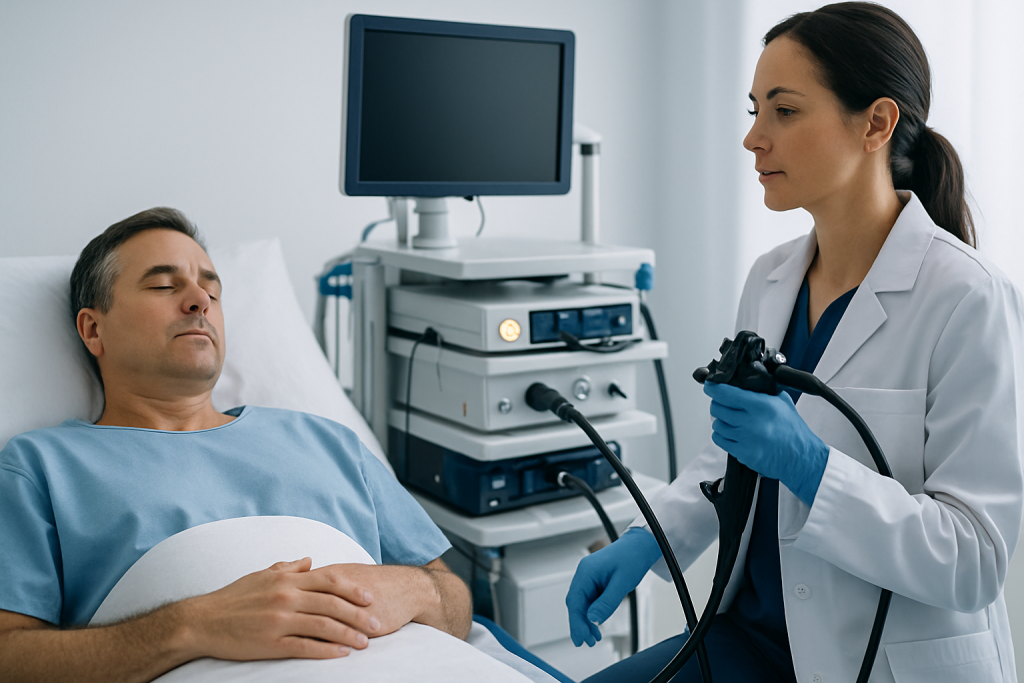
It may be a good idea to have a colonoscopy at 35 if there is a clear clinical reason. Examples include rectal bleeding, persistent changes in bowel habits, unexplained iron-deficiency anemia, ongoing abdominal symptoms, a positive stool-based screening test, or a first-degree relative with colorectal cancer or advanced polyps. The recommended starting age may be earlier when a close relative was diagnosed at a young age.
Some people need earlier and more frequent surveillance because of inflammatory bowel disease, such as ulcerative colitis or Crohn’s disease affecting the colon, or because of inherited cancer syndromes. In these situations, the doctor sets a personalized colonoscopy age protocol based on diagnosis, family pattern and previous findings.
For an average-risk person without symptoms, having a colonoscopy simply because they are 35, 37 or 39 is not automatically necessary. A qualified clinician can explain whether screening, a noninvasive stool test or watchful follow-up is most appropriate. The decision should be based on benefit, potential risks and the person’s preferences.
How a Colonoscopy Works and Who May Need One
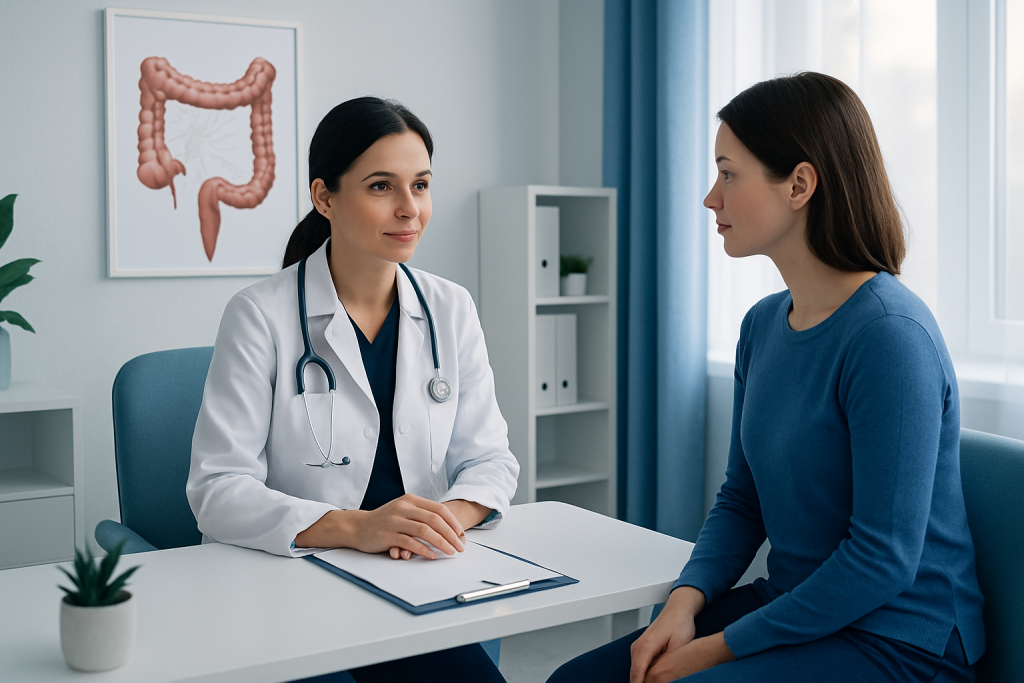
During a colonoscopy, a doctor guides a thin, flexible tube called a colonoscope through the rectum and around the colon. A tiny camera sends images to a screen so the doctor can look for inflammation, ulcers, bleeding, diverticular disease, polyps and signs of cancer. Air or carbon dioxide is introduced gently to open the bowel for a clearer view.
The test is often used to investigate symptoms and to screen for colorectal cancer. It may also monitor people after previous polyps or colorectal cancer treatment. If a polyp is found, it can often be removed through the colonoscope using specialized instruments. A biopsy may be taken from an unusual area; this is generally painless because the colon lining does not sense cutting in the same way as skin.
Before scheduling the test, the care team reviews medical conditions, allergies, pregnancy status and all medicines and supplements. Blood thinners, diabetes medicines, iron products and certain weight-loss medicines may require individualized instructions. People should never stop prescribed medication without advice from the clinician managing their care.
- Diagnostic reasons include bleeding, unexplained anemia, long-lasting diarrhea or constipation, and unexplained weight loss.
- Preventive reasons include age-appropriate screening, family history and prior polyps.
- Surveillance reasons include inflammatory bowel disease or follow-up after polyp removal.
Preparing for the Procedure
A clean bowel is essential because stool can hide small polyps or areas of inflammation. Preparation normally involves following a low-fiber or modified diet for a short period, switching to clear liquids at the instructed time and taking a prescribed bowel-cleansing solution. The exact plan differs between hospitals, morning or afternoon appointments, medical history and the type of preparation selected.
Will a person be up all night pooping with colonoscopy prep? Frequent, urgent loose bowel movements are expected after the preparation starts, especially during the first several hours. However, many modern plans use split dosing, with part of the solution taken the evening before and part closer to the procedure, so the timing is planned around the appointment. Most people can sleep for at least part of the night, although staying close to a toilet is wise.
Drinking approved clear fluids helps reduce dehydration and can make preparation easier to tolerate. The care team will specify when all liquids must stop before sedation. The goal is for bowel movements to become watery and pale yellow or clear; if they remain dark or contain solid material, the endoscopy unit should be contacted for advice.
People receiving sedation need a responsible adult to take them home and should arrange this before the procedure. Driving, operating machinery, making important legal or financial decisions, and drinking alcohol should be avoided for the remainder of that day.
What shouldn't you do before a colonoscopy?
Before a colonoscopy, a person should not ignore the preparation instructions or assume that a usual diet is acceptable. Foods with seeds, nuts, whole grains, raw vegetables or high fiber may need to be avoided for a specified period because they can remain in the bowel. Solid food should not be eaten after the time given by the endoscopy team.
It is also important not to take over-the-counter laxatives, enemas, herbal products or supplements in addition to the prescribed preparation unless the care team recommends them. Some products can interfere with the test, worsen dehydration or affect blood clotting. Iron supplements may be paused before the procedure, but only under medical guidance.
A person should not conceal medication use, pregnancy, heart or lung disease, kidney disease, sleep apnea, allergies or previous difficulties with anesthesia. These details help the team choose safer preparation and sedation. It is also unsafe to drive oneself home after sedating medication, even if the person feels alert.
What Happens During and After a Colonoscopy?
On arrival, a nurse checks medical information, vital signs and preparation quality. Most people receive intravenous sedation or anesthesia to promote comfort and relaxation. The procedure itself often takes less than an hour, though it may take longer if multiple polyps need removal or if the anatomy is difficult to examine.
During the examination, the doctor advances the colonoscope carefully to the beginning of the large bowel and withdraws it slowly while inspecting the lining. Tissue samples or polyps may be removed at that time. Removing a polyp does not necessarily mean cancer is present; polyps are common and laboratory analysis determines their type.
Afterward, the person rests in a recovery area while the sedative wears off. Mild bloating, gas or brief cramping can occur as the air used during the test passes out of the bowel. Many people can eat a light meal and return home the same day, while normal work and exercise are often resumed the next day if recovery is uncomplicated.
The clinician may share initial visual findings before discharge. Biopsy and polyp pathology results usually take longer, and the follow-up interval depends on those findings, bowel preparation quality, personal risk and the reason for the examination.
What Is the Most Common Thing Found on a Colonoscopy?
A normal colonoscopy is a common result, particularly in younger adults having the test for mild symptoms or assessment of risk. When findings are present, small benign polyps are among the most common. Polyps are growths on the inner lining of the colon; some types have little or no cancer potential, while adenomatous and serrated polyps may be removed because they can sometimes become cancerous over time.
Other possible findings include hemorrhoids, diverticulosis, inflammation, small areas of bleeding or changes related to infection. A colonoscopy can also appear normal even when a person has symptoms, which can still be helpful because it rules out certain structural problems and guides the next steps in care.
Results should be interpreted in context. The doctor considers the procedure report, pathology results, symptoms and family history before recommending follow-up. If polyps are removed, the next colonoscopy may be recommended sooner than the standard screening interval; if the examination is normal and risk is average, a longer interval is often appropriate.
Benefits, Risks and When to Seek Medical Care
The key benefit of colonoscopy is that it can identify potential problems and remove many precancerous polyps in one session. It is a highly useful test, but it is still an invasive procedure and is not risk-free. Complications are uncommon but can include a reaction to sedation, bleeding after polyp removal, infection, or a tear in the bowel wall. The risk may be higher when complex polyps are removed or when significant health conditions are present.
After the procedure, urgent medical advice is needed for severe or worsening abdominal pain, a firm swollen abdomen, fever, persistent vomiting, dizziness or fainting, black stools, or more than a small amount of rectal bleeding. A small amount of blood can occur after some polyp removals, but the endoscopy team should explain what is expected and when to call.
Medical assessment should also be arranged before any planned colonoscopy for persistent rectal bleeding, a lasting change in bowel habit, unexplained anemia, unexplained weight loss or significant abdominal pain. These symptoms often have non-cancerous causes, but timely evaluation helps identify the right explanation and treatment.
Acibadem International’s multidisciplinary specialists and JCI-accredited hospitals diagnose and treat digestive conditions for international patients, with care plans guided by the individual’s symptoms, risk factors and test results.
Frequently asked questions
At what age should someone get their first colonoscopy?
For many adults at average risk of colorectal cancer, screening begins at age 45. Earlier testing may be recommended for people with symptoms, a close family history of colorectal cancer or advanced polyps, inflammatory bowel disease, or an inherited cancer syndrome. A clinician can recommend the most appropriate starting age and screening method.
Is colonoscopy age 37 or colonoscopy age 39 too young?
Neither age is automatically too young if there is a medical reason for testing. Symptoms, family history and known risk conditions matter more than the number alone. An average-risk person without symptoms may not need a colonoscopy at these ages, but individual advice is important.
How long does colonoscopy preparation last?
The active bowel-cleansing phase commonly lasts several hours and causes repeated watery bowel movements. Instructions often begin the day before the procedure, sometimes with a second dose on the procedure day. The exact timing depends on the prescribed preparation and appointment time.
Does a colonoscopy hurt?
Most people receive sedation or anesthesia and do not feel pain during the procedure. Some may have mild gas, bloating or cramping afterward, which usually settles as the air leaves the bowel. The team can discuss sedation options and concerns in advance.
Can polyps be cancerous at age 35?
Most polyps are not cancer, and colorectal cancer is less common at age 35 than in older adults. However, some polyps can have the potential to become cancerous over time, which is why removal and laboratory testing are important. A person’s family history and polyp type influence follow-up recommendations.
When can a person eat and return to work after a colonoscopy?
Many people can eat a light meal after the procedure once they are awake and the care team says it is safe. Because sedatives can affect judgment and coordination for the rest of the day, most people should rest and return to work or normal activities the following day. More complex procedures or complications may require different instructions.
References
- American Cancer Society
- U.S. Preventive Services Task Force
- National Institute of Diabetes and Digestive and Kidney Diseases
- American Society for Gastrointestinal Endoscopy
This article is for general information only and is not a substitute for professional medical advice. Please consult a qualified doctor about your individual situation.
Persistent digestive symptoms? Get evaluated in Turkey
JCI-accredited · board-certified surgeons · reply within 24h
Add us as a Preferred Source to see more of our trusted health content across Google Search, AI Overviews and Discover.

More from the Health Library



Related Specialists
Dr. Kemal Ünal
Nuclear Medicine
Fzt. Elif Tokgöz Nizam
Physical Medicine & Rehabilitation
Dr. Ayşe Esra Sırmagül
Physical Medicine & Rehabilitation
Assoc. Prof. Dr. Mehmet Özgür Akkurt
Gynecology & Obstetrics