Colostomy Bag Surgery: Procedure, Recovery and Results
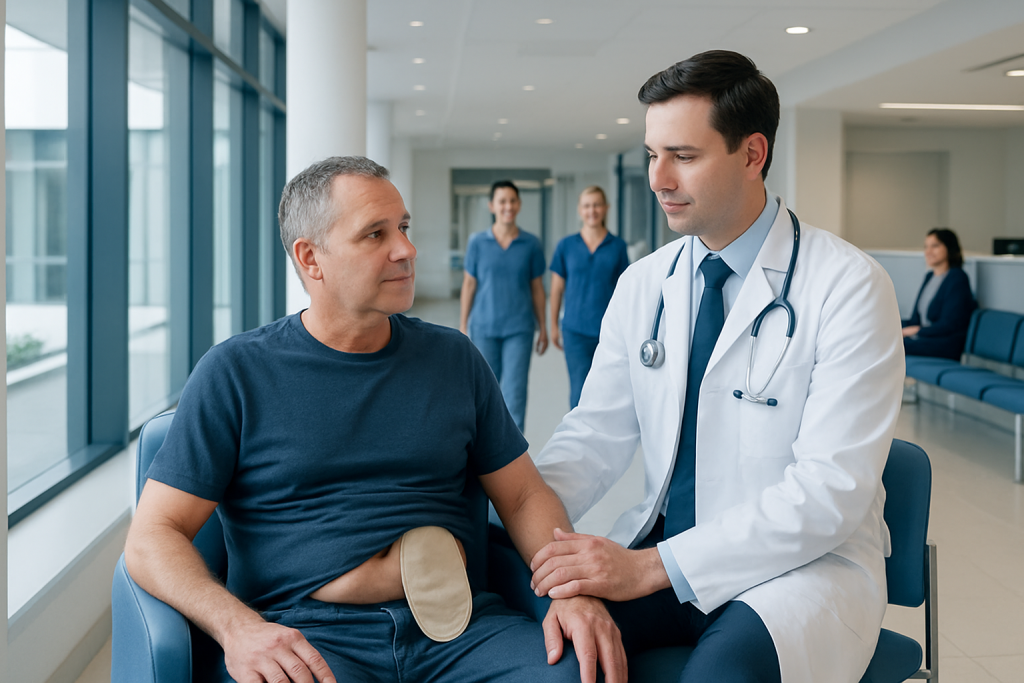
A colostomy may be planned or performed urgently for bowel disease, cancer, injury, blockage, or infection. The surgery can be temporary or permanent, depending on the reason for bowel diversion and the remaining bowel.
Key Takeaways
- A colostomy may be planned or performed urgently for bowel disease, cancer, injury, blockage, or infection.
- The surgery can be temporary or permanent, depending on the reason for bowel diversion and the remaining bowel.
- Recovery includes wound healing, learning stoma care, gradually returning to normal eating and activity, and monitoring for complications.
- Some people can have a later colostomy reversal, but reversal is not suitable or necessary for everyone.
- Ostomy nurses, colorectal surgeons, dietitians, and psychological support can help people adapt confidently to life with a colostomy.
Colostomy bag surgery diverts stool from the colon through an opening in the abdomen, called a stoma, into a removable pouch. It may be temporary to protect healing bowel or permanent when part of the bowel or rectum cannot safely be used.
Overview: what is colostomy bag surgery?
Colostomy bag surgery is an operation that brings a section of the large intestine (colon) to the surface of the abdomen. Stool then leaves the body through this opening, called a stoma, and is collected in a flat, sealed pouch attached to the skin. The operation is used when stool needs to bypass a diseased, blocked, injured, or recently operated part of the bowel.
A colostomy can be temporary or permanent. A temporary colostomy may protect a bowel connection while it heals, especially after surgery for inflammation, infection, trauma, or cancer. A permanent colostomy may be needed when the lower colon, rectum, or anal muscles have been removed or cannot function safely.
Modern pouching systems are designed to be discreet, odor-resistant, and secure. Before and after surgery, specialist stoma or ostomy nurses teach practical skills such as choosing supplies, protecting the skin, emptying the pouch, and recognizing changes that should be reported to the care team.
How it works and who may need a colostomy
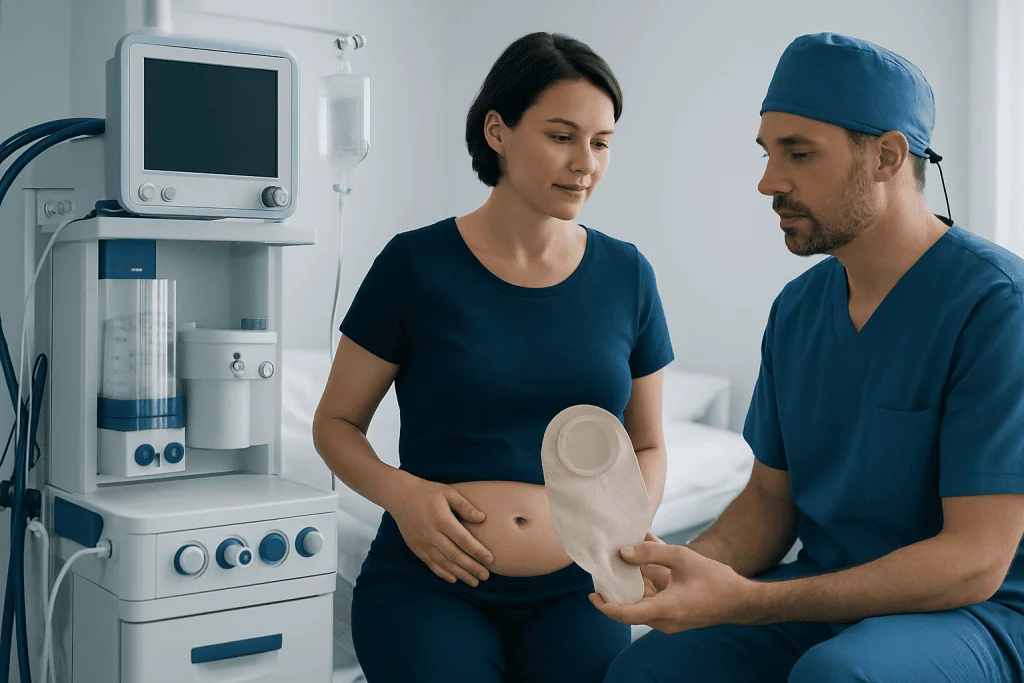
The colon normally absorbs water from digested food and moves formed stool toward the rectum. During a colostomy, the surgeon redirects this pathway. Depending on the operation, the stoma may have one opening, called an end colostomy, or two openings in a loop of bowel, called a loop colostomy. Output is often more formed when the stoma is made from the left side of the colon and may be looser when it is closer to the right side.
A surgeon may recommend a colostomy for conditions such as colorectal cancer, complicated diverticular disease, severe bowel infection, inflammatory bowel disease, bowel obstruction, perforation, abdominal injury, or a congenital bowel condition. It may also be part of treatment for colorectal cancer when removing a tumor involves the rectum or lower colon.
Candidacy is individualized. The surgical team considers the underlying diagnosis, the location and health of the bowel, prior surgery, nutrition, other medical conditions, cancer treatment plans, and whether the bowel can be safely reconnected later. When surgery is planned, the stoma site is usually marked in advance while the person is sitting, standing, and bending to help ensure comfort and pouch adhesion.
Step-by-step: what happens during the procedure
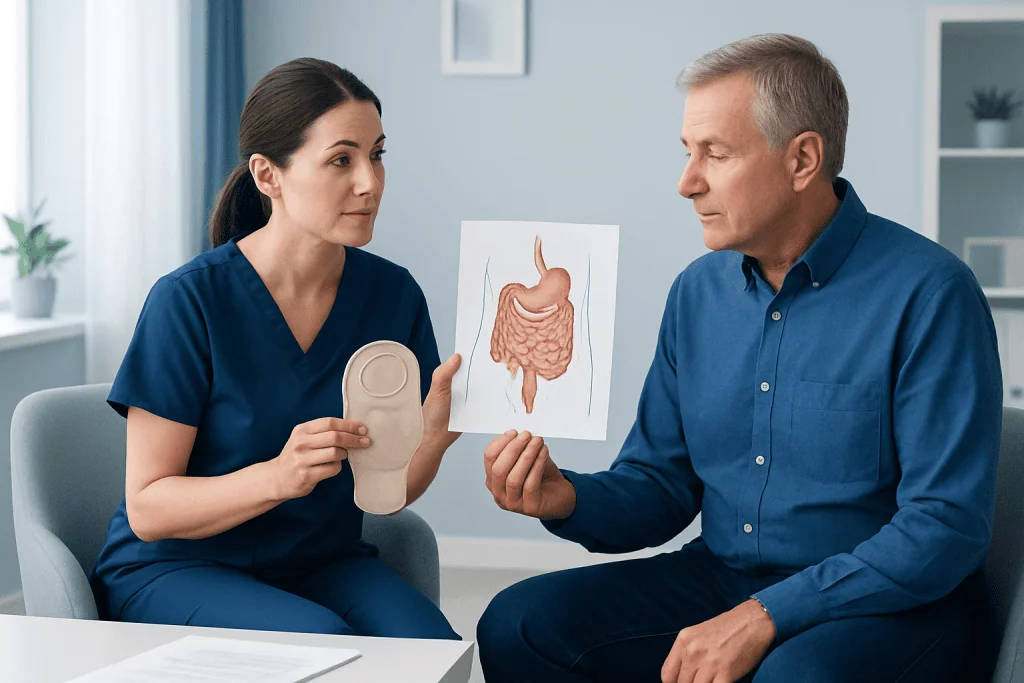
Colostomy surgery is performed under general anesthesia. It may be done through an open abdominal incision or, in selected cases, by minimally invasive laparoscopic or robotic techniques. The exact approach depends on the reason for surgery, the urgency of the condition, prior operations, and the complexity of bowel repair or removal required.
The surgeon first examines the abdomen and treats the underlying problem. This may involve removing a diseased section of bowel, repairing an injury, draining infection, or removing a tumor. The healthy end or loop of colon is then brought through a carefully created opening in the abdominal wall and stitched to the skin to form the stoma. A pouch is placed over it after surgery.
If a temporary diversion is planned, the bowel ends may be joined during the first operation but protected by the colostomy, or one end may be closed internally until a later reconnection. Tissue removed during surgery may be sent for laboratory examination. The team will explain the specific surgical plan and whether a future reversal is realistic before the operation whenever circumstances allow.
Recovery timeline and daily adjustment
Colostomy bag surgery recovery time varies widely, particularly when the operation is performed urgently or includes bowel resection, cancer surgery, or treatment for infection. In hospital, the team monitors pain control, bowel function, fluids, mobility, wound healing, and stoma appearance. The stoma is commonly swollen at first and becomes smaller over the following weeks as swelling settles.
Many people begin drinking fluids and slowly advance their diet once the bowel starts functioning. The first stool output can be irregular in timing and consistency. A stoma nurse helps the person and, if desired, a family member learn how to empty and change the pouch before discharge. It is useful to ask for written instructions and contact details for support after returning home.
In general, energy and mobility improve gradually over several weeks. Heavy lifting and strenuous activity are usually restricted initially to reduce the chance of a hernia around the stoma, but walking and gentle movement are encouraged as advised by the surgical team. Diet is often reintroduced gradually; adequate fluids, careful chewing, and attention to foods that affect gas or output can be helpful.
Emotional adjustment is also part of recovery. Concerns about body image, intimacy, work, travel, noise, or leakage are common and deserve supportive discussion. With appropriate pouch fitting and education, many people return to work, exercise, social activities, and travel. A colorectal surgeon and ostomy nurse can provide individualized guidance on colorectal surgery and stoma care.
How long does it take for the colon to heal after a colostomy?
The bowel begins healing soon after surgery, but complete recovery is not measured by a single date. The outer incisions and early bowel healing commonly progress over several weeks, while recovery from major abdominal surgery, inflammation, infection, or cancer treatment can take longer. The surgeon assesses healing based on symptoms, examination findings, nutrition, imaging or endoscopy when needed, and the original reason for the colostomy.
If the colostomy was created to protect a bowel join, reversal is considered only after the bowel and the person’s overall health have recovered adequately. This may take months and can be longer if there were complications, ongoing inflammation, chemotherapy, radiation therapy, or other medical needs. A temporary stoma should not be assumed to have a fixed reversal date.
Colostomy bag removal recovery time, also called colostomy bag reversal surgery recovery time, depends on the extent of the reversal operation and the condition of the remaining bowel. After reconnection, bowel movements may be frequent, urgent, or unpredictable for a time as the bowel readjusts. Follow-up and dietary guidance can help manage these changes.
How serious is a colostomy bag surgery?
A colostomy is major abdominal surgery, so it requires careful planning, anesthesia, hospital care, and follow-up. However, it is also a well-established procedure that can be lifesaving in emergencies and can prevent serious complications by allowing diseased or healing bowel to rest. The degree of risk varies according to the person’s age, overall health, nutrition, reason for surgery, and whether the operation is urgent or planned.
Potential short-term risks include bleeding, infection, blood clots, injury to nearby structures, anesthesia-related problems, delayed bowel function, and leakage from a bowel connection when one is created. Stoma-related issues can include skin irritation, retraction, prolapse, narrowing, blockage, or a bulge around the stoma called a parastomal hernia.
The benefits may include relieving a blockage, controlling severe infection or leakage, removing diseased bowel, allowing a surgical join to heal, or enabling effective cancer treatment. The surgeon discusses expected benefits, alternatives, the likelihood of a temporary or permanent stoma, and the individual risk profile before planned surgery. This supports informed, shared decision-making.
Do you still feel the need to poop with a colostomy bag?
Most people do not pass stool through the anus while a colostomy is diverting stool from the colon, because stool leaves through the stoma instead. The stoma itself has no nerve endings that create the usual urge to have a bowel movement, so output enters the pouch without a person feeling it pass.
Some people may still feel occasional rectal pressure, an urge to sit on the toilet, or the need to pass mucus from the rectum. This is especially possible when the rectum remains in place. The lining of the unused bowel can continue making mucus, and passing it periodically can be normal.
Persistent pain, bleeding, fever, foul-smelling discharge, or new difficulty passing mucus should be discussed with a clinician. These symptoms may need assessment rather than being assumed to be an expected effect of the colostomy.
Do you still use the toilet with a colostomy bag?
Yes. People with a colostomy still use the toilet to empty the pouch, usually when it is partly full, and to change or clean the pouch system as instructed. The pouch can generally be emptied into a standard toilet, then wiped and resealed. A stoma nurse can demonstrate the method that best suits the individual pouch type and mobility needs.
People may also use the toilet to pass mucus from the rectum if the rectum remains. Showering, bathing, and most everyday activities are usually possible with a properly fitted pouching system. Supplies should be kept available when away from home, especially during the first months while the stoma size and preferred system are being established.
Regular review is valuable if leaks, odor, itching, soreness, or frequent pouch changes occur. These problems are often improved by adjusting the opening size, pouch type, skin barrier, or fitting technique rather than simply accepting discomfort.
When to seek medical care
Contact the surgical or stoma care team promptly if there is increasing abdominal pain, repeated vomiting, fever, chills, worsening redness or drainage around the incision, a sudden major change in stoma output, or no output together with cramping and swelling. A stoma that becomes very dark, black, pale, or markedly swollen also needs urgent medical assessment.
Seek immediate emergency care for severe abdominal pain, fainting, chest pain, shortness of breath, heavy bleeding, or signs of severe dehydration such as confusion, extreme weakness, or very little urine. People should follow the specific discharge instructions provided by their surgical team, as these are tailored to their operation and health needs.
For planned assessment and ongoing care, Acibadem International’s multidisciplinary specialists and JCI-accredited hospitals support international patients with colorectal conditions, surgery, and stoma follow-up. A qualified colorectal surgeon can also discuss whether later reversal may be appropriate and how to prepare safely.
Frequently asked questions
Is a colostomy always permanent?
No. Some colostomies are temporary and are created to protect a healing bowel connection or allow inflammation or infection to settle. Others are permanent because the rectum or anal sphincter has been removed or cannot safely function. The likelihood of reversal depends on the original condition and the amount of healthy bowel remaining.
What can a person eat after colostomy surgery?
Diet usually advances gradually from fluids to more solid foods as the bowel recovers. Early on, smaller meals, adequate fluids, and thorough chewing may help. The care team may recommend temporarily limiting foods that cause blockage, gas, or loose output, then reintroducing foods according to individual tolerance.
How long is the hospital stay after colostomy bag surgery?
Length of stay depends on the type of operation, whether it was planned or urgent, and how quickly bowel function and mobility return. People generally leave hospital after pain is controlled with suitable medication, they can eat and drink adequately, and they understand essential stoma care. Recovery continues at home over the following weeks.
Can a colostomy be reversed?
A colostomy can sometimes be reversed by reconnecting the healthy ends of bowel and closing the stoma. Before recommending this, the surgeon confirms that the bowel has healed and that reconnection is safe. Not every temporary colostomy can be reversed, and permanent colostomies are not intended for reversal.
What happens after colostomy bag reversal surgery?
After reversal, stool passes through the rectum again, but bowel habits can be irregular at first. Frequency, urgency, loose stool, or difficulty controlling bowel movements may occur while the bowel adapts. The recovery team can advise on diet, hydration, skin care, pelvic floor support when appropriate, and follow-up.
Can people exercise and travel with a colostomy bag?
Many people return to exercise and travel after their surgical recovery and once they feel confident managing the pouch. Activity should restart gradually, with guidance about lifting and abdominal strain to reduce hernia risk. When traveling, carrying extra supplies in hand luggage and knowing how to access care can provide reassurance.
References
- American Society of Colon and Rectal Surgeons
- National Institute of Diabetes and Digestive and Kidney Diseases
- National Health Service
- United Ostomy Associations of America
- World Health Organization
This article is for general information only and is not a substitute for professional medical advice. Please consult a qualified doctor about your individual situation.
Persistent digestive symptoms? Get evaluated in Turkey
JCI-accredited · board-certified surgeons · reply within 24h
Add us as a Preferred Source to see more of our trusted health content across Google Search, AI Overviews and Discover.