Common Myths About Medical Libraries and Trusted Health Databases

Medical libraries are not just for doctors and researchers; many offer patient-friendly information. Trusted health databases rely on evidence, expert review, and regular updates.
Key Takeaways
- Medical libraries are not just for doctors and researchers; many offer patient-friendly information.
- Trusted health databases rely on evidence, expert review, and regular updates.
- Not all online health content is equally reliable, even if it appears professional.
- Good medical information should show clear sources, balanced explanations, and limits of current knowledge.
- Patients can use trusted databases to prepare for appointments and make informed questions for their doctor.
Many people assume medical libraries and health databases are difficult to use or meant only for professionals. In reality, many trusted resources are designed to help patients find accurate, up-to-date, and understandable health information.
Overview: Why Myths About Medical Libraries Matter
People often search online for health answers before or after seeing a doctor. During that search, they may come across terms such as medical library, health database, clinical resource, or patient education portal. These terms can sound technical, which leads many people to assume such resources are only for healthcare professionals.
In fact, many trusted medical libraries and health databases are valuable for patients and families. They can help explain symptoms, tests, treatment options, prevention, and recovery in a more structured and evidence-based way than general internet searches. When used carefully, these resources can support better conversations with qualified healthcare professionals.
Believing common myths can make people avoid reliable information or depend too heavily on unverified websites, social media posts, or personal stories. Understanding what medical libraries really are helps patients sort trustworthy information from misleading claims.
What Medical Libraries and Trusted Health Databases Actually Are
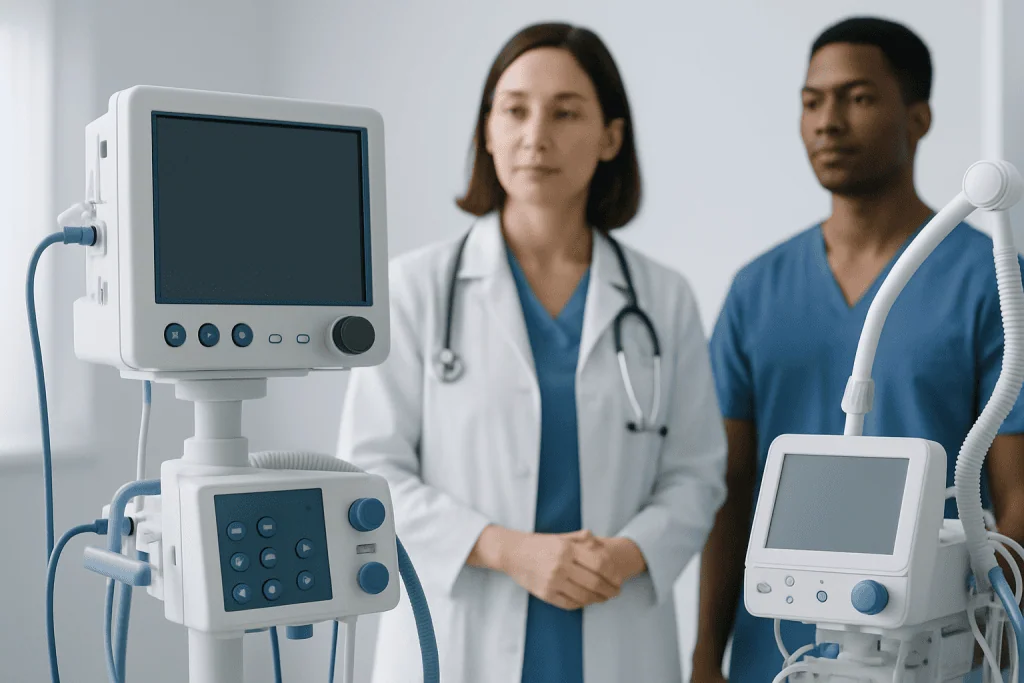
A medical library is a collection of health and medical knowledge. It may be a physical library in a hospital or university, a digital library, or an online platform that provides educational materials. Some resources are written mainly for clinicians, while others are created specifically for patients using simpler language.
Trusted health databases are organized digital resources that collect medical articles, guidelines, summaries, research, and patient education content. They are usually maintained by government health agencies, academic institutions, professional medical societies, hospitals, or established publishers with editorial standards.
These resources are different from a standard search engine result. A health database often uses expert review, evidence-based references, and regular updates. It may also separate confirmed facts from areas where medical knowledge is still developing, which is an important sign of reliability.
- They often include authorship or editorial oversight.
- They usually reference reputable medical evidence or guidelines.
- They may be reviewed and updated on a regular schedule.
- Many offer patient-friendly explanations alongside professional content.
Common Myths and the Facts Behind Them

One common myth is that medical libraries are only for doctors. While some materials are technical, many trusted databases provide patient guides, glossaries, illustrations, and question lists for appointments. Their purpose is not to replace a doctor, but to help people understand health topics more clearly.
Another myth is that all health websites provide the same quality of information. In reality, there can be major differences. Some websites are evidence-based and carefully edited, while others may be outdated, biased, oversimplified, or designed mainly to attract clicks. A professional design alone does not guarantee accuracy.
A third myth is that newer information is always better. Fast-moving online content may spread before it is properly checked. Trusted databases usually balance timeliness with accuracy by reviewing evidence before making claims. This process may seem slower, but it helps reduce errors and exaggerated conclusions.
Many people also believe that if information is difficult to understand, it must be more scientific. In practice, good patient education aims to be both accurate and clear. Reliable health resources often explain complex topics in plain language without losing the essential facts.
How to Recognize a Trusted Health Database
Patients can judge the quality of a health resource by looking for several practical signs. A trustworthy database usually identifies who wrote or reviewed the content, when it was last updated, and what sources or medical guidelines support the information. It should also explain benefits, risks, and uncertainties rather than making dramatic promises.
Reliable resources usually avoid absolute statements such as “cure guaranteed” or “works for everyone.” Instead, they describe what is known, what is not known, and why individual medical advice still matters. They also distinguish between general education and personal diagnosis.
It is helpful to ask a few simple questions when reading health information:
- Who created this content and what are their credentials?
- Is the information reviewed or updated regularly?
- Are sources based on recognized medical organizations or peer-reviewed evidence?
- Does the article discuss risks and limitations as well as benefits?
- Does it encourage consultation with a qualified healthcare professional?
Resources from public health institutions, academic medical centers, and respected professional organizations are often a good place to start. Patients who need help interpreting what they read should bring that information to their doctor or another licensed healthcare professional.
Why Social Media and General Search Results Are Not Enough
Search engines are useful tools, but they do not automatically rank information by medical quality. Popularity, advertising, search optimization, and user behavior can influence what appears first. This means a top search result may not always be the most accurate or the most balanced source for a health decision.
Social media can spread awareness quickly, but it often favors short, emotional, or simplified messages. Personal experiences can be meaningful, yet they do not replace scientific evidence. A treatment that helped one person may not be safe, appropriate, or effective for someone else with a different diagnosis, medical history, or medication use.
Trusted databases help place information in context. For example, they may explain that symptoms can have many causes, that tests have limits, or that treatment choices depend on age, other conditions, and personal goals. That context is often missing in short-form online content.
This does not mean people should ignore online communities or educational videos entirely. Rather, it is safer to use them as a starting point and then confirm important claims through trusted health databases and professional medical advice.
How Patients Can Use Medical Libraries Safely and Effectively
Medical libraries are most helpful when used with a clear purpose. Patients may look up a diagnosis they have already received, learn about a test their doctor recommended, or prepare questions before an appointment. Reading from trusted sources can make consultations more productive and less confusing.
It is wise to compare more than one reliable source, especially for major decisions. If information seems inconsistent, that does not always mean one source is wrong. It may reflect differences in the date of publication, the population being discussed, or the fact that medicine sometimes includes more than one accepted approach.
Patients can also keep a simple list of questions while reading. Helpful examples include: What are the usual causes? Which symptoms need urgent attention? What tests are commonly used? What are the benefits and possible side effects of treatment? This approach keeps research practical and connected to real care needs.
For people receiving hospital-based or specialty care, formal patient education resources can be especially useful when learning about diagnostic imaging, preventive check-ups, or laboratory testing. These tools work best as a guide for informed discussion, not as a substitute for diagnosis.
Common Warning Signs of Unreliable Health Information
Some online content should be approached with caution. Warning signs include sensational headlines, miracle cure claims, pressure to buy a product, lack of named authors, no update date, or heavy reliance on testimonials without discussing evidence. If a source sounds certain about every case, it may be oversimplifying a complex topic.
Another concern is when information presents only benefits and ignores risks, side effects, or alternatives. Balanced medical education should explain both advantages and limitations. It should also avoid blaming patients or making them feel that one single habit or supplement determines all health outcomes.
Readers should be careful with content that misuses scientific language. Long medical terms, charts, or references to “studies” can create an impression of authority even when the evidence is weak or taken out of context. A reliable resource explains what the evidence means in a realistic and understandable way.
If someone is unsure whether a source is trustworthy, a doctor, pharmacist, nurse, or medical librarian may help evaluate it. In some cases, multidisciplinary specialists at Acibadem International and its JCI-accredited hospitals also support international patients with diagnosis, treatment planning, and patient education based on established medical standards.
When to Seek Professional Medical Advice
Even the best health database cannot examine a patient, review all test results, or consider the full medical history in real time. Medical libraries are educational tools, not a replacement for professional assessment. A qualified clinician is still needed to diagnose conditions, recommend treatment, and monitor changes over time.
People should seek medical advice promptly if they have severe symptoms, rapidly worsening symptoms, or warning signs such as chest pain, trouble breathing, weakness, confusion, severe bleeding, or symptoms that feel urgent or unusual for them. Delaying care while continuing to search online can sometimes increase risk.
It is also a good idea to contact a healthcare professional if online information creates confusion, anxiety, or conflicting impressions. A doctor can help interpret what applies to the individual patient and what does not. In that way, trusted health databases become a helpful companion to care rather than a source of uncertainty.
Frequently asked questions
Are medical libraries only for healthcare professionals?
No. While some medical library resources are written for clinicians, many trusted databases also provide patient-friendly content in clear language. These resources can help patients understand diagnoses, tests, and treatment options before discussing them with a doctor.
How can someone tell if a health database is trustworthy?
A trustworthy resource usually names its authors or reviewers, shows when the content was updated, and relies on recognized medical evidence or guidelines. It should present balanced information, including risks and limits, rather than making dramatic promises.
Is the first result on a search engine always the best medical source?
Not necessarily. Search rankings can be influenced by popularity, advertising, and optimization, not only by medical quality. It is safer to verify important health information through reputable public health, academic, or professional medical sources.
Can trusted health databases replace a doctor visit?
No. They are useful for education and preparing questions, but they cannot perform an examination, interpret all findings in context, or give individualized treatment advice. A qualified healthcare professional is needed for diagnosis and medical decisions.
Why do different reliable sources sometimes say slightly different things?
Medicine evolves over time, and sources may be updated on different schedules or focus on different patient groups. Small differences do not always mean the information is unreliable. If the differences affect care decisions, it is best to ask a healthcare professional which guidance fits the individual situation.
Are patient stories online useful?
They can be helpful for understanding personal experiences, but they are not the same as scientific evidence. What worked for one person may not be safe or suitable for another. Patient stories are best used alongside trusted medical information and professional advice.
References
- World Health Organization
- U.S. National Library of Medicine
- MedlinePlus
- Centers for Disease Control and Prevention
- National Institutes of Health
This article is for general information only and is not a substitute for professional medical advice. Please consult a qualified doctor about your individual situation.
Explore treatments in Turkey — costs, top hospitals & a free quote
JCI-accredited · board-certified surgeons · reply within 24h
Add us as a Preferred Source to see more of our trusted health content across Google Search, AI Overviews and Discover.

More from the Health Library



Related Specialists

Dr. Mehmet Severcan
Aesthetic Plastic & Reconstructive Surgery
Dr. Burak Tanır
Gynecology & Obstetrics
Prof. Dr. Nadir Kaya
Gastroenterology
Prof. Dr. Dilaver Erşanlı
Ophthalmology