Concussion and Persistent Symptoms: How Neuropsychological Testing Helps

A concussion is a mild traumatic brain injury that can affect thinking, balance, sleep, mood and daily functioning, even when brain imaging is normal. Persistent symptoms are usually influenced by several factors, including the injury itself, stress, sleep, pain, migraine, vision or balance problems and previous health history.
Key Takeaways
- A concussion is a mild traumatic brain injury that can affect thinking, balance, sleep, mood and daily functioning, even when brain imaging is normal.
- Persistent symptoms are usually influenced by several factors, including the injury itself, stress, sleep, pain, migraine, vision or balance problems and previous health history.
- Neuropsychological testing measures skills such as attention, memory, processing speed, problem-solving and emotional functioning.
- Test results can help clinicians recommend school, work, sport and rehabilitation adjustments based on objective information.
- Urgent medical care is needed for red-flag symptoms such as worsening confusion, repeated vomiting, seizures, weakness or a severe worsening headache.
- Recovery is typically best supported by gradual return to activity, good sleep, symptom-guided pacing and care from qualified professionals.
Most people recover well after a concussion, but some continue to have headaches, concentration problems, dizziness, sleep changes or mood symptoms. Neuropsychological testing can clarify how the brain is functioning after injury and help guide a safer, more personalized recovery plan.
Overview
A concussion is a type of mild traumatic brain injury caused by a blow, jolt or rapid movement of the head and body. It can happen during sports, a fall, a traffic accident, a workplace injury or everyday activities. A person does not need to lose consciousness to have a concussion, and many people have normal CT or MRI scans because concussion usually affects brain function more than visible brain structure.
Symptoms often improve within days to weeks. However, some people experience persistent symptoms, sometimes called post-concussion symptoms or post-concussion syndrome. These may include headaches, slowed thinking, difficulty concentrating, dizziness, light sensitivity, irritability, sleep disturbance or fatigue. Persistent symptoms are real and can affect school, work, family life and confidence, even when the injury is described as mild.
Neuropsychological testing is one of the tools used to understand these ongoing difficulties. It does not simply ask whether a person feels better; it measures how different thinking skills are working and how symptoms may be interacting with mood, sleep, pain and daily demands. This information can help the healthcare team recommend practical steps for recovery and safe return to activity.
Symptoms That May Persist After Concussion
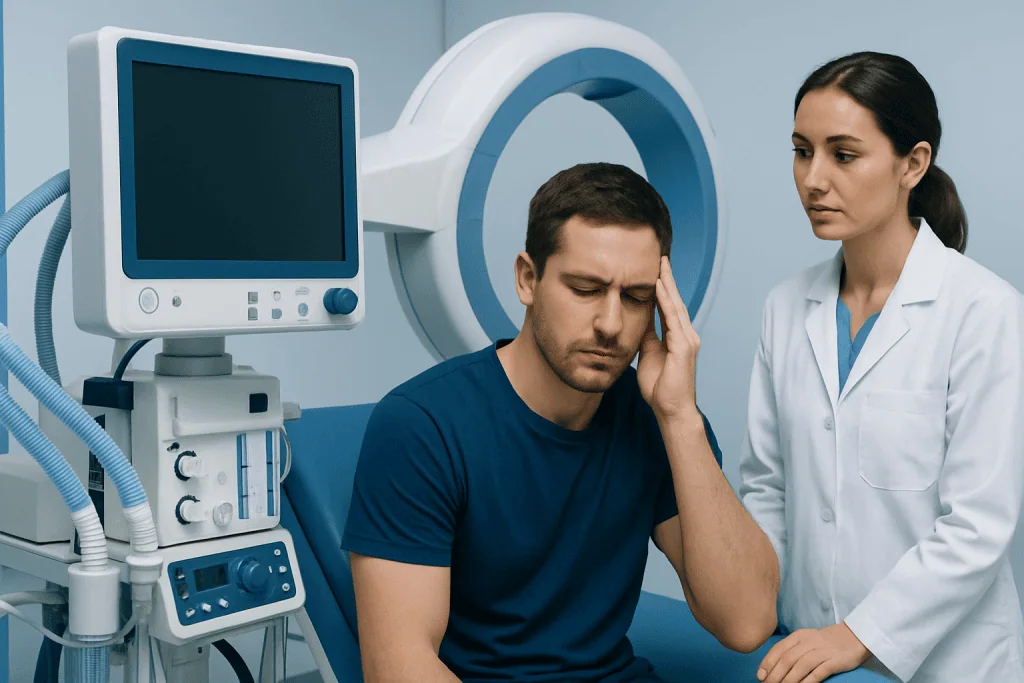
Concussion symptoms can vary widely from person to person. Some symptoms appear immediately, while others become more noticeable after a few hours or days, especially when the person returns to reading, screen use, schoolwork, driving, exercise or a busy workplace. Symptoms may fluctuate, improving with rest and worsening with overexertion or poor sleep.
Persistent symptoms may involve several areas of functioning:
- Physical symptoms: headache, neck pain, dizziness, nausea, balance problems, blurred vision, light or noise sensitivity and fatigue.
- Cognitive symptoms: difficulty concentrating, slower processing, forgetfulness, trouble multitasking or feeling mentally foggy.
- Emotional symptoms: irritability, anxiety, low mood, emotional sensitivity or reduced tolerance for stress.
- Sleep symptoms: insomnia, sleeping more than usual, restless sleep or changes in sleep schedule.
These symptoms do not always mean the brain has ongoing damage. They often reflect a combination of brain recovery, disrupted routines, pain, vestibular or vision issues, stress, migraine tendencies and reduced activity. A careful assessment helps identify which factors are most relevant so treatment can be targeted rather than based on guesswork.
Why Symptoms Can Last Longer in Some People
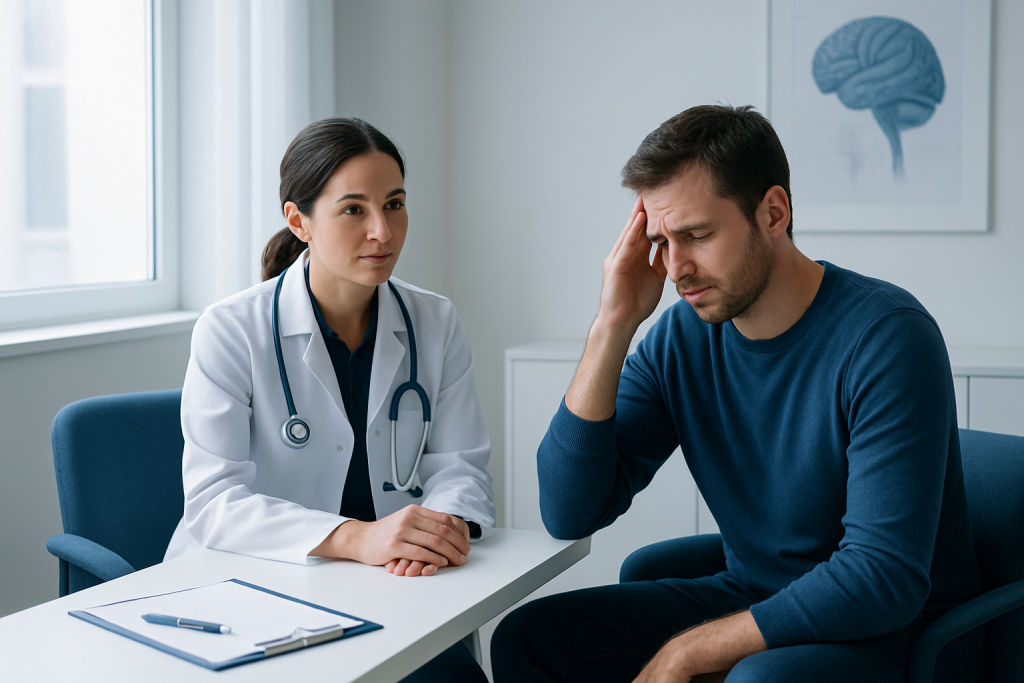
Most concussion recovery is gradual. For many adults, symptoms improve substantially within a few weeks, while children and teenagers may need additional time and closer monitoring. Persistent symptoms are more likely when several factors overlap, such as a history of migraine, previous concussions, learning or attention difficulties, anxiety or depression, sleep problems, neck injury, dizziness or high symptom burden early after the injury.
The person’s environment also matters. A student may feel worse when returning to tests, bright classrooms and long screen time. An employee may struggle with deadlines, multitasking, noise or prolonged computer work. An athlete may feel pressure to return before fully ready. These situations can increase symptoms even when healing is progressing.
It is helpful to think of persistent concussion symptoms as a treatable pattern rather than a single problem. For example, headaches may require medical evaluation for migraine or neck-related pain. Dizziness may improve with vestibular therapy. Visual strain may need assessment by a clinician experienced in post-concussion vision problems. Cognitive overload may respond to pacing, school or workplace accommodations and a graded return-to-activity plan.
How Neuropsychological Testing Helps
Neuropsychological testing evaluates brain-related skills using standardized tasks. Depending on the person’s age, symptoms and goals, testing may assess attention, memory, language, processing speed, visual-spatial skills, executive functions, reaction time, academic or work-related abilities and emotional functioning. The results are interpreted by a trained neuropsychologist in the context of the injury, medical history and current life demands.
For concussion, testing is especially useful when symptoms continue beyond the expected recovery period, when there are concerns about school or work performance, or when return to sport or safety-sensitive duties must be considered carefully. It can identify whether the main difficulty is attention, processing speed, memory retrieval, fatigue-related inconsistency or emotional distress. It can also show areas of strength that can be used in recovery planning.
Testing is not a pass-or-fail exam. It is a clinical assessment designed to answer practical questions: What is the person struggling with? Are the difficulties consistent with concussion recovery, another condition or a combination of factors? What adjustments may help? Should the person return gradually to full academic, work or athletic activity? The answers can guide treatment, document needs and reduce uncertainty for patients and families.
Neuropsychological testing is also different from brain imaging. CT and MRI are important when doctors need to rule out bleeding, fracture or other structural injury, but they may be normal after concussion. Neuropsychological assessment looks at how the person is functioning day to day, which is often the most relevant question during recovery.
What to Expect During the Assessment
A neuropsychological assessment usually begins with an interview. The clinician asks about the injury, symptoms, medical history, medications, sleep, mood, education, work, previous concussions and current responsibilities. For children and teenagers, parents or caregivers may provide important observations, and school information may be reviewed when relevant.
The testing portion may include paper-and-pencil tasks, computer-based measures and questionnaires. Some tasks feel easy, while others are intentionally challenging because they measure attention, speed, memory and problem-solving under different conditions. The length of testing varies; a brief concussion-focused evaluation may take less time, while a comprehensive assessment can take several hours and may be split into more than one session.
After the assessment, the neuropsychologist explains the findings in understandable terms. A written report may include diagnosis impressions, cognitive strengths and weaknesses, symptom patterns and recommendations. These recommendations can support a gradual return to learning, work or sport; reduced screen demands for a period; rest breaks; modified workloads; rehabilitation referrals; sleep strategies; or follow-up medical care.
Patients are encouraged to be honest about symptoms and effort during testing. The goal is not to perform perfectly, but to obtain an accurate picture. Bringing glasses, hearing aids, medication lists, school or work notes and previous test results can help the evaluation be more complete.
Treatment Options and Recovery Planning
Concussion treatment is usually individualized and symptom-guided. In the first 24 to 48 hours, relative rest is often recommended, meaning the person avoids activities that significantly worsen symptoms while still performing basic daily activities as tolerated. Prolonged complete rest is generally not helpful for most people. After the early phase, gradual return to cognitive and physical activity is commonly encouraged under professional guidance.
A recovery plan may involve several specialists. A neurologist or sports medicine physician may evaluate headaches, dizziness or return-to-play readiness. A physiotherapist may address neck pain, balance or vestibular symptoms. An occupational therapist may help with pacing and daily function. A psychologist or psychiatrist may support mood, anxiety or adjustment difficulties. A neuropsychologist helps connect cognitive findings with practical recommendations for school, work and daily life.
Common management strategies include regular sleep and wake times, hydration, balanced meals, limiting alcohol, reducing symptom triggers temporarily, taking planned rest breaks and gradually increasing activity. For students, accommodations may include reduced workload, extra time, delayed testing or shorter screen sessions. For workers, adjustments may include flexible hours, quieter workspaces, task prioritization or a stepwise return to complex duties.
Medication may sometimes be used for specific symptoms such as migraine-type headaches, sleep difficulty or mood symptoms, but choices should be made by a qualified doctor who understands the person’s full medical history. Treatment is most effective when it addresses the main symptom drivers rather than applying the same plan to every concussion.
Prevention, Self-Care and Safe Return to Activity
Not every concussion can be prevented, but risk can be reduced. Wearing appropriate helmets for cycling, skiing, riding or contact sports can help prevent more serious head injuries, although helmets cannot prevent all concussions. Using seat belts, preventing falls at home, following workplace safety practices and teaching safe sport techniques are also important.
Self-care during recovery should focus on balance. Too much activity too soon can increase symptoms, but avoiding all activity for too long can slow return to normal routines and affect mood. A useful approach is to increase activity gradually while staying below the level that causes a significant or prolonged symptom increase. Light aerobic activity, when approved by a clinician, may support recovery for many people.
Return to sport should follow a stepwise protocol and should never occur on the same day as a suspected concussion. A person should be symptom-free at rest and with increasing exertion, and should be cleared by a qualified healthcare professional before returning to contact or collision risk. For children and teenagers, return to learning usually comes before full return to sport.
Families, coaches, teachers and employers can help by taking symptoms seriously and supporting a measured recovery. Clear communication reduces pressure on the patient and makes it easier to follow medical advice. When persistent symptoms affect international patients or families seeking coordinated care, Acibadem International’s multidisciplinary specialists and JCI-accredited hospitals can diagnose and treat concussion-related conditions as part of a structured care plan.
When to See a Doctor
Anyone with a suspected concussion should be assessed by a healthcare professional, especially if symptoms follow a head injury during sport, a fall, a vehicle accident or an incident at work. Medical evaluation is important to confirm the diagnosis, rule out more serious injury when needed and provide safe guidance about rest, school, work, driving and exercise.
Urgent medical care is needed if a person has worsening confusion, repeated vomiting, a seizure, increasing drowsiness, weakness or numbness, slurred speech, unequal pupils, severe or worsening headache, loss of consciousness, unusual behavior, neck pain after significant trauma or any concern that symptoms are rapidly worsening. These signs do not mean a serious problem is certain, but they should be checked promptly.
A follow-up visit is also appropriate if symptoms are not improving after one to two weeks, if they interfere with school or work, or if the person has had multiple concussions. Referral for neuropsychological testing may be considered when cognitive symptoms persist, when decisions about return to school, work or sport are complex, or when documentation is needed to guide accommodations.
Patients should avoid self-diagnosing persistent symptoms as simply stress or assuming they must wait indefinitely. With a careful assessment, most people can identify practical steps that support recovery and reduce the impact of symptoms on daily life.
Frequently asked questions
Can a person have a concussion if the CT or MRI scan is normal?
Yes. Concussion usually affects how the brain functions rather than causing changes that are visible on standard imaging. CT or MRI may be used to check for bleeding or other structural problems, but normal imaging does not rule out concussion.
How long do concussion symptoms usually last?
Many people improve within days to a few weeks, but recovery time varies. Children, teenagers and people with migraine, previous concussions, sleep problems or mood symptoms may take longer. Persistent symptoms should be evaluated rather than ignored.
What does neuropsychological testing show after a concussion?
It measures thinking skills such as attention, memory, processing speed and problem-solving, while also considering mood, sleep, pain and fatigue. The results help explain how symptoms affect daily function and guide return-to-school, work or sport recommendations.
Is neuropsychological testing painful or risky?
No. It is a noninvasive assessment using interviews, questionnaires and standardized tasks. Some people may feel tired afterward, so breaks and pacing can be used when needed.
Can neuropsychological testing prove someone has a concussion?
Testing can support the clinical picture, but concussion is diagnosed through a medical evaluation of the injury event, symptoms and examination findings. Neuropsychological results are most helpful for understanding current functioning and planning recovery.
When can someone return to sports after concussion?
Return to sport should be gradual and supervised. The person should first return successfully to normal learning or daily activities, then progress through increasing exercise steps, and receive medical clearance before contact or collision activities.
What can family members do to support recovery?
Family members can encourage rest, regular sleep, gradual activity and follow-up appointments. They can also help reduce pressure to return too quickly and watch for symptoms that worsen or interfere with daily life.
References
- Centers for Disease Control and Prevention
- American Academy of Neurology
- World Health Organization
- International Consensus Statement on Concussion in Sport
- Mayo Clinic
This article is for general information only and is not a substitute for professional medical advice. Please consult a qualified doctor about your individual situation.
Explore treatments in Turkey — costs, top hospitals & a free quote
JCI-accredited · board-certified surgeons · reply within 24h
Add us as a Preferred Source to see more of our trusted health content across Google Search, AI Overviews and Discover.