Cone Procedure Ebstein’s: An Evidence-Based Patient Guide

The cone procedure is a valve-repair operation used for selected people with Ebstein's anomaly. It reshapes and reattaches tricuspid valve leaflets into a more functional cone-like valve.
Key Takeaways
- The cone procedure is a valve-repair operation used for selected people with Ebstein's anomaly.
- It reshapes and reattaches tricuspid valve leaflets into a more functional cone-like valve.
- Assessment at a congenital heart center helps determine timing, candidacy, and whether other repairs are needed.
- Recovery requires hospital monitoring and lifelong follow-up with a congenital heart specialist.
- As with all heart surgery, possible risks include bleeding, rhythm problems, infection, residual valve leakage, and the need for future procedures.
The cone procedure for Ebstein's anomaly is a specialized open-heart operation that reconstructs the tricuspid valve using the patient’s own valve tissue. It is designed to reduce valve leakage, improve blood flow through the right side of the heart, and preserve the native valve whenever possible.
Overview: What Is the Cone Procedure for Ebstein's?
The cone procedure for Ebstein’s anomaly is an operation that repairs an abnormally formed tricuspid valve. Ebstein’s anomaly is a congenital heart condition, meaning it is present from birth. In this condition, parts of the tricuspid valve are positioned lower than usual in the right ventricle, which can allow blood to leak backward into the right atrium.
During a cone procedure, the cardiac surgeon mobilizes the patient’s own tricuspid valve leaflets and reconstructs them into a cone-shaped valve that sits closer to the valve’s normal position. The aim is to create a more effective seal when the heart pumps, reduce tricuspid regurgitation (leakage), and support right-heart function.
This operation is most often performed by surgeons with expertise in congenital heart disease. It may be considered in children, teenagers, or adults, depending on symptoms, valve anatomy, heart size and function, and the presence of associated heart concerns. Not every person with Ebstein’s anomaly needs surgery, and the decision is individualized.
How Ebstein's Anomaly Affects the Heart
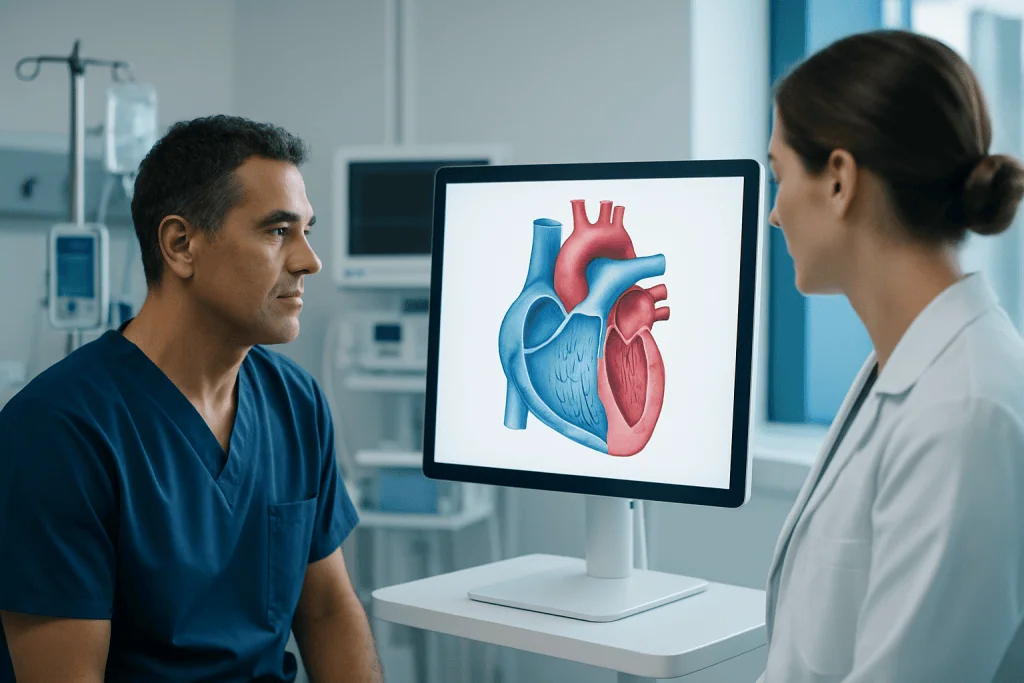
The tricuspid valve normally directs blood from the right atrium into the right ventricle and prevents backward flow when the ventricle contracts. In Ebstein’s anomaly, one or more valve leaflets may be displaced toward the tip of the right ventricle. This can leave part of the ventricle functioning more like an extension of the right atrium, sometimes described as “atrialized” right ventricle.
The degree of valve leakage and its effect on the heart vary widely. Some people have mild disease and remain well for many years. Others develop enlargement of the right atrium or right ventricle, reduced exercise tolerance, palpitations, swelling, bluish skin or lips caused by low oxygen levels, or heart rhythm disorders.
Ebstein’s anomaly can occur alongside other structural differences, particularly an atrial septal defect or patent foramen ovale, which are openings between the upper chambers of the heart. Some patients also have electrical pathways that can contribute to rapid heart rhythms. A thorough congenital heart assessment is therefore essential before planning surgery.
Who May Be a Candidate for Cone Repair?

A cone procedure may be recommended when Ebstein’s anomaly causes important tricuspid valve leakage, progressive enlargement of the right side of the heart, declining right-ventricular function, symptoms, reduced ability to exercise, low oxygen levels, or troublesome arrhythmias. Surgery may also be discussed before pregnancy for selected women whose valve disease or heart enlargement could increase pregnancy-related risk.
Doctors do not base the decision on one test alone. They consider the person’s age, symptoms, physical examination, heart rhythm, oxygen level, and imaging findings. Echocardiography is central to assessing valve structure and leakage. Cardiac magnetic resonance imaging may provide additional information about right-ventricular size and function, while cardiac catheterization is used in selected situations.
Anatomy matters. The cone technique is most suitable when there is enough usable valve leaflet tissue to reconstruct a functional valve. In complex cases, surgeons may need to combine repair with other approaches, such as closing an atrial septal defect, treating an abnormal rhythm pathway, repairing another heart defect, or using a valve replacement if durable repair is not feasible.
- Symptoms such as breathlessness, fatigue, reduced stamina, or swelling
- Severe or worsening tricuspid regurgitation
- Right-heart enlargement or reduced right-ventricular performance
- Low oxygen levels or right-to-left blood flow through an atrial opening
- Clinically significant arrhythmias or associated congenital heart conditions
How the Cone Procedure Is Performed
The cone procedure is performed under general anesthesia through open-heart surgery. The surgical team uses cardiopulmonary bypass, a machine that temporarily takes over the work of the heart and lungs while the heart is safely operated on. The exact surgical plan depends on the person’s anatomy and any additional cardiac findings.
The surgeon carefully releases the displaced tricuspid valve leaflets from surrounding heart muscle and tissue while preserving their blood supply as much as possible. The leaflets are then rotated, brought together, and sutured to form a cone-like structure. This reconstructed valve is attached near the normal tricuspid valve opening so that its leaflets can meet more effectively during each heartbeat.
In some patients, the surgeon may reinforce the valve opening with a supporting ring or other technique to improve stability. Associated openings between heart chambers may be closed, and certain rhythm issues may be addressed during the same operation when appropriate. Before completing the procedure, the team uses echocardiography to assess valve movement, leakage, and heart function.
The goal is repair rather than replacement because retaining the patient’s own valve may avoid some long-term issues associated with an artificial valve. However, a successful and durable repair cannot be guaranteed in every anatomical situation. The surgical team discusses likely options, including the possibility of replacement, before the operation.
Benefits, Limits, and Possible Risks
For appropriately selected patients, cone repair can substantially reduce tricuspid valve leakage and may improve symptoms, exercise capacity, oxygen levels, and right-heart dimensions over time. Preserving the native valve is an important advantage, particularly for younger people, because it can support growth and may reduce the need for lifelong anticoagulant medication required with some mechanical valve replacements.
Benefits should be considered alongside the fact that Ebstein’s anomaly is a lifelong congenital condition. Even after successful repair, patients need regular follow-up to monitor valve function, right-ventricular health, and heart rhythm. Some people continue to have a small amount of valve leakage, while others may eventually need catheter-based treatment or repeat surgery.
Possible complications of open-heart surgery include bleeding, blood clots, infection, stroke, kidney or lung problems, reactions to anesthesia, and rarely death. Procedure-specific concerns include residual or recurrent tricuspid regurgitation, narrowing of the repaired valve, reduced right-ventricular function, abnormal heart rhythms, temporary or permanent need for a pacemaker, and the need for further intervention.
Risk varies according to age, overall health, degree of heart dysfunction, valve anatomy, previous heart surgery, and whether additional repairs are required. A congenital cardiac surgeon and cardiologist can explain the expected benefits and individual risks in clear terms before a treatment decision is made.
Recovery and Long-Term Follow-Up
After surgery, patients are cared for in an intensive care setting while breathing, blood pressure, heart rhythm, fluid balance, and heart function are closely monitored. The length of intensive care and total hospital stay differs among individuals. It is influenced by age, the complexity of repair, heart function before surgery, rhythm recovery, and whether other procedures were performed.
During the first weeks at home, gradual activity is usually encouraged according to the surgical team’s instructions. Incision care, pain management, sleeping positions, nutrition, and safe return to school, work, driving, or exercise should be discussed before discharge. People recovering from a sternotomy generally need temporary restrictions on heavy lifting and upper-body strain while the breastbone heals.
Follow-up commonly includes clinical visits, electrocardiograms, and echocardiograms. Some people may need temporary medicines for fluid management, rhythm control, or clot prevention, depending on their individual situation. It is important not to stop prescribed medication or resume strenuous activity without guidance from the treating cardiology team.
Long-term care should be led or shared by a specialist in adult congenital heart disease for adults, or pediatric congenital cardiology for children. Ongoing monitoring supports early recognition of changes in valve function, right-heart size, exercise tolerance, or rhythm. Pregnancies, dental procedures, and planned non-cardiac surgery should be discussed with the congenital heart team in advance.
When to Seek Medical Care
Anyone with known or suspected Ebstein’s anomaly should have regular evaluation by a clinician experienced in congenital heart disease. New or worsening symptoms should not be assumed to be part of normal aging, stress, or reduced fitness. Timely assessment can help determine whether the valve or right side of the heart is changing.
Contact a doctor promptly for increasing shortness of breath, a marked reduction in exercise tolerance, new leg or abdominal swelling, persistent fatigue, frequent palpitations, dizziness, fainting, chest discomfort, or bluish discoloration of the lips or fingertips. These symptoms can have different causes, but they deserve medical review in someone with a congenital heart condition.
Emergency assessment is appropriate for severe breathlessness, fainting with ongoing symptoms, chest pain, a sustained rapid or irregular heartbeat, or signs of stroke such as sudden weakness, facial drooping, speech difficulty, or confusion. If symptoms are severe or sudden, local emergency services should be contacted rather than waiting for a routine appointment.
Acibadem International’s multidisciplinary congenital heart specialists and JCI-accredited hospitals evaluate and treat Ebstein’s anomaly for international patients, with care planning tailored to each person’s valve anatomy and overall heart health.
Frequently asked questions
Is the cone procedure a cure for Ebstein's anomaly?
The cone procedure repairs the tricuspid valve and can improve the heart’s blood flow and function, but it does not remove the underlying congenital diagnosis. Ebstein's anomaly requires lifelong follow-up because valve function, heart size, and heart rhythm can change over time.
How is the cone procedure different from tricuspid valve replacement?
Cone repair uses the patient’s own tricuspid valve tissue, reshaping it into a more functional valve. Valve replacement uses a biological or mechanical artificial valve and may be needed when the native valve cannot be repaired reliably.
Can adults have a cone procedure for Ebstein's anomaly?
Yes. The cone procedure may be an option for selected adults as well as children, depending on valve anatomy and heart function. Adults should ideally be evaluated by a team experienced in adult congenital heart disease and congenital cardiac surgery.
How long does recovery take after cone procedure surgery?
Recovery varies with the person’s age, health, heart function, and whether additional procedures were needed. Hospital recovery usually includes intensive monitoring followed by gradual improvement at home over the following weeks, while full return to usual activity may take longer and should follow the surgical team’s advice.
Will heart rhythm problems improve after the operation?
Some rhythm problems may improve when valve leakage and right-heart enlargement are addressed, but surgery does not eliminate the possibility of arrhythmias. People with Ebstein's anomaly may need rhythm monitoring, medication, catheter ablation, or a pacemaker in selected cases.
What tests are needed before a cone procedure?
Testing commonly includes echocardiography, electrocardiography, blood tests, and assessment by congenital heart specialists. Cardiac MRI, exercise testing, heart rhythm monitoring, cardiac catheterization, or other tests may be used when they would help plan the safest and most effective treatment.
References
- American Heart Association
- European Society of Cardiology
- American College of Cardiology
- Mayo Clinic
- National Heart, Lung, and Blood Institute
This article is for general information only and is not a substitute for professional medical advice. Please consult a qualified doctor about your individual situation.
Explore treatments in Turkey — costs, top hospitals & a free quote
JCI-accredited · board-certified surgeons · reply within 24h
Add us as a Preferred Source to see more of our trusted health content across Google Search, AI Overviews and Discover.