Constipation in Children: Causes, Home Care, and Medical Treatment

Constipation in children often means hard, painful, or infrequent stools, but normal stool frequency varies by age. Stool withholding can create a cycle of painful bowel movements and worsening constipation.
Key Takeaways
- Constipation in children often means hard, painful, or infrequent stools, but normal stool frequency varies by age.
- Stool withholding can create a cycle of painful bowel movements and worsening constipation.
- Fluids, fiber-rich foods, regular toilet sitting, and positive reinforcement can help many children.
- Laxatives or stool softeners may be recommended by a doctor and should be used as directed.
- Blood in stool, severe pain, vomiting, poor growth, or constipation from early infancy should be assessed promptly.
Constipation in children is a common digestive problem that usually relates to stool withholding, diet changes, toilet training, or routine disruptions. Most children improve with gentle home care and, when needed, safe medical treatment guided by a pediatrician.
Overview
Constipation in children means that bowel movements are difficult, painful, hard, or less frequent than usual for that child. It is one of the most common digestive concerns in childhood and can affect infants, toddlers, school-age children, and teenagers. Some children pass stool every day but still have constipation if the stool is large, hard, or difficult to pass.
Normal bowel habits vary widely. Breastfed infants may pass several stools a day or sometimes go several days between stools if they are feeding well and comfortable. Older children may have bowel movements from three times a day to several times a week. The key question is not only frequency, but also stool texture, pain, straining, and whether the child avoids using the toilet.
Most constipation in children is functional, meaning there is no serious disease causing it. It often begins after a painful bowel movement, during toilet training, after a change in diet, or when routines change. With patient support, consistent habits, and appropriate treatment when needed, most children recover well.
Symptoms and Signs
Children may not always say they are constipated. Instead, parents may notice changes in behavior, appetite, or toilet habits. A child may cross the legs, clench the buttocks, rock back and forth, hide, or stand on tiptoe when trying to hold stool in. These behaviors may look like straining, but they are often signs of stool withholding.
Common symptoms of constipation in children include:
- Hard, dry, or pellet-like stools
- Pain or crying during bowel movements
- Fewer bowel movements than usual
- Very large stools that may block the toilet
- Abdominal bloating, cramps, or reduced appetite
- Small stool marks in underwear, also called soiling or fecal leakage
- Blood on the surface of hard stool or toilet paper from a small anal tear
Soiling can be confusing because it may look like diarrhea. In many constipated children, softer stool leaks around a large amount of stool stuck in the rectum. This is not usually intentional, and children should not be punished for it. A calm, supportive approach helps reduce shame and improves cooperation with treatment.
Causes and Risk Factors
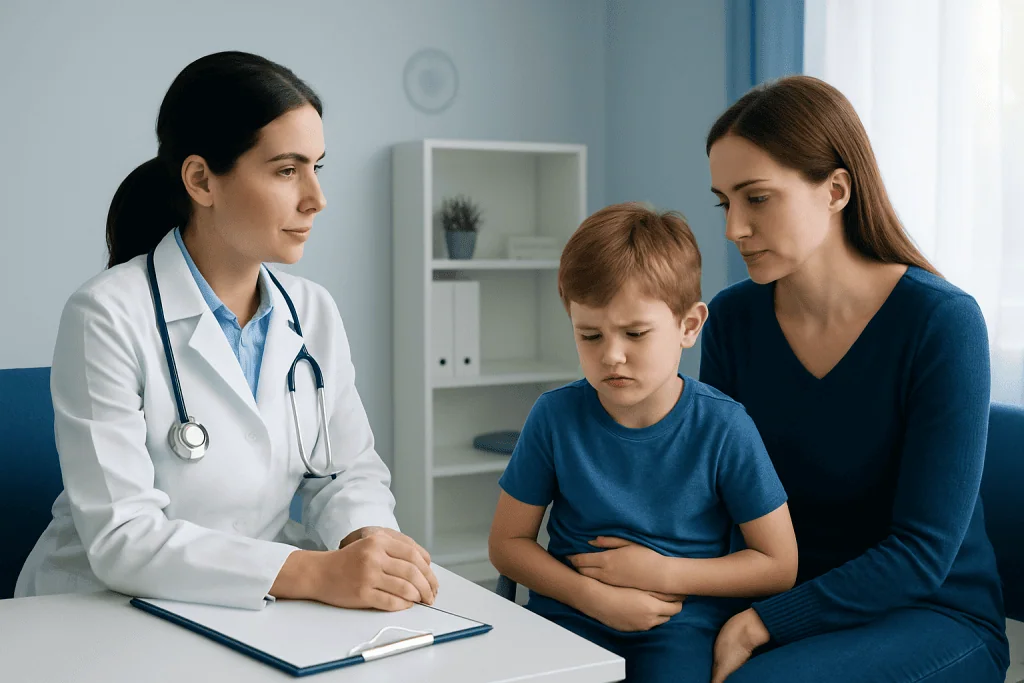
The most common cause of constipation in children is stool withholding. A child may hold stool after a painful bowel movement, because they are busy playing, uncomfortable using a school toilet, or anxious during toilet training. When stool stays in the colon, more water is absorbed, making the stool harder and more painful to pass. This can create a cycle that continues unless it is gently interrupted.
Diet and routine also play an important role. Low fiber intake, not drinking enough fluids, sudden changes in eating patterns, travel, illness, reduced physical activity, or starting school can all contribute. In infants, constipation may appear after starting formula or solid foods, although changes in stool pattern are common during these transitions.
Some children have a higher risk because of family tendency, developmental or behavioral conditions, limited mobility, or medications that can slow the bowel, such as some iron supplements, antacids, allergy medicines, or pain medicines. In a smaller number of cases, constipation may be linked to medical conditions such as thyroid disease, celiac disease, spinal cord problems, or rare intestinal nerve disorders. A doctor considers these possibilities when symptoms start very early, are severe, or do not improve with usual care.
Diagnosis
A pediatrician can usually diagnose constipation in children by asking about bowel habits, stool appearance, diet, toilet routines, pain, soiling, and any warning signs. Parents may be asked how often the child passes stool, whether stools are hard or large, and whether the child avoids the toilet. A stool diary can be helpful, especially when symptoms have lasted for weeks or months.
The physical examination may include checking growth, the abdomen, and the area around the anus for irritation or small tears. In selected cases, the doctor may perform a rectal examination, but this is not needed for every child. The aim is to confirm constipation, assess severity, and look for signs that another condition may be involved.
Most children do not need imaging or laboratory tests. Tests may be considered if constipation begins in the first weeks of life, is associated with poor growth, severe abdominal swelling, vomiting, abnormal neurological findings, or if standard treatment is not working. Depending on the situation, a doctor may request blood tests, abdominal imaging, or referral to a pediatric gastroenterologist.
Home Care and Daily Habits
Home care focuses on making stools softer, reducing pain, and building a predictable toilet routine. Children should be encouraged to drink fluids regularly, especially water. Fiber-rich foods such as fruits, vegetables, beans, lentils, oats, whole-grain bread, and brown rice can help stool hold water and move more easily through the bowel. Fiber should be increased gradually to reduce gas and bloating.
Regular toilet sitting is often very helpful. Many children benefit from sitting on the toilet for 5 to 10 minutes after breakfast and dinner, when the body naturally stimulates bowel movement. Feet should be supported with a stool so the knees are slightly higher than the hips, which helps the pelvic muscles relax. The goal is a relaxed routine, not forcing the child to pass stool.
Positive reinforcement works better than pressure. Parents can praise the child for sitting on the toilet, using a sticker chart, or following the routine, even if no stool is passed. Punishment, shame, or repeated scolding can increase anxiety and stool withholding. For children who avoid school toilets, planning a comfortable time at home can reduce the need to hold stool during the day.
Medical Treatment Options
When constipation is painful, long-lasting, or causing soiling, home measures alone may not be enough at first. A doctor may recommend medication to soften stool or help the bowel empty. Common options include osmotic laxatives, stool softeners, or other pediatric laxatives. These medicines should be used according to medical guidance, especially in infants and younger children.
Treatment often has phases. If a large amount of stool has built up, the first step may be clearing the bowel safely. After that, maintenance treatment keeps stools soft while the rectum and bowel habits recover. This phase can take weeks or months, and stopping treatment too early may allow constipation to return. The doctor will advise when and how to reduce medicine.
Children with severe constipation, repeated soiling, poor response to treatment, or possible underlying conditions may need care from a pediatric gastroenterologist. Treatment may include a more detailed bowel plan, nutrition guidance, behavioral support, or further testing. International families seeking evaluation can access multidisciplinary pediatric specialists at Acibadem International and its JCI-accredited hospitals, where diagnosis and treatment are tailored to the child’s needs.
Prevention, Self-Care, and When to See a Doctor
Constipation can often be prevented by maintaining daily habits that support comfortable bowel movements. A balanced diet with enough fiber, regular fluid intake, active play, and consistent toilet time can help. Children should be encouraged to respond to the urge to pass stool rather than delaying, especially at school or during travel.
Families should contact a doctor if constipation lasts more than two weeks despite home care, if the child has frequent pain, soiling, or fear of bowel movements, or if parents are unsure which treatment is safe. Medical advice is especially important for babies, children with chronic illnesses, or children taking medications that may affect bowel function.
Seek prompt medical care if constipation is accompanied by repeated vomiting, a swollen or very painful abdomen, fever, poor feeding, weight loss, blood mixed into stool, weakness in the legs, abnormal walking, or constipation starting soon after birth. These signs do not mean a serious problem is always present, but they should be evaluated carefully by a qualified clinician.
Frequently asked questions
How often should a child have a bowel movement?
Normal frequency varies by age and by the child. Some children pass stool daily, while others may go every two or three days and still be healthy if the stool is soft and easy to pass. Hard, painful, very large, or difficult stools are more important signs of constipation than the number alone.
Is constipation in children usually serious?
Most constipation in children is functional and not caused by a serious disease. It often improves with diet changes, fluids, toilet routines, and doctor-guided medicines when needed. A medical evaluation is recommended if symptoms are persistent, severe, or associated with warning signs such as vomiting, weight loss, or significant abdominal swelling.
Can toilet training cause constipation?
Yes, constipation can begin during toilet training if a child feels pressured, frightened, or has a painful bowel movement. The child may start holding stool, which makes stools harder and more painful. A relaxed approach, foot support, routine toilet sitting, and praise for effort can help.
What foods help relieve constipation in children?
Fiber-rich foods such as pears, apples with skin, berries, prunes, vegetables, beans, lentils, oats, and whole grains can support softer stools. Children should also drink enough fluids, because fiber works best when fluid intake is adequate. Dietary changes should be gradual and age-appropriate, especially for infants.
Are laxatives safe for children?
Many laxatives used for pediatric constipation are considered safe when recommended by a doctor and used as directed. The best choice depends on the child's age, symptoms, and whether stool has built up in the rectum. Parents should avoid giving repeated enemas, adult medicines, or herbal laxatives without medical advice.
Why does a constipated child have stool stains in underwear?
Stool staining can happen when a large, hard stool stretches the rectum and softer stool leaks around it. This is called overflow soiling and is usually not under the child's control. Treatment focuses on clearing retained stool, keeping stools soft, and rebuilding normal bowel signals over time.
When should parents seek urgent care for constipation?
Urgent medical advice is needed if constipation occurs with repeated vomiting, severe or worsening abdominal pain, a swollen abdomen, fever, blood mixed into stool, weakness, or poor feeding in an infant. Constipation beginning in the first weeks of life should also be assessed promptly. A healthcare professional can decide whether testing or immediate treatment is needed.
References
- American Academy of Pediatrics
- North American Society for Pediatric Gastroenterology, Hepatology and Nutrition
- National Institute of Diabetes and Digestive and Kidney Diseases
- Mayo Clinic
- National Health Service
This article is for general information only and is not a substitute for professional medical advice. Please consult a qualified doctor about your individual situation.
Persistent digestive symptoms? Get evaluated in Turkey
JCI-accredited · board-certified surgeons · reply within 24h
Add us as a Preferred Source to see more of our trusted health content across Google Search, AI Overviews and Discover.