Continuity of Care After Treatment Abroad: Follow-Up at Home

Follow-up care should be planned before traveling home, not after a problem appears. Patients should return with complete medical records, procedure details, imaging, discharge notes, and medication instructions.
Key Takeaways
- Follow-up care should be planned before traveling home, not after a problem appears.
- Patients should return with complete medical records, procedure details, imaging, discharge notes, and medication instructions.
- A local doctor or specialist should be identified in advance to monitor recovery and manage routine checks.
- Warning signs such as fever, increasing pain, wound changes, breathing difficulty, or new neurological symptoms require prompt medical advice.
- Telemedicine can support communication with the treating team abroad, but it does not replace urgent local care when needed.
Continuity of care after treatment abroad helps patients move safely from hospital treatment to recovery at home. Clear medical records, planned follow-up appointments, medication guidance, and communication between doctors all support a smoother recovery.
Overview
Continuity of care after treatment abroad means that a patient’s medical care continues in a coordinated way after returning home. It connects the treatment provided in another country with the follow-up, monitoring, rehabilitation, and long-term care needed locally. This is especially important after surgery, cancer treatment, fertility care, dental procedures, cardiac interventions, orthopedic treatment, and other therapies that may require healing time or repeated checks.
Medical travel can offer access to experienced specialists, advanced technology, or timely treatment, but recovery does not end when the patient leaves the hospital. Wound healing, medication management, laboratory tests, imaging, physiotherapy, and symptom monitoring often continue for days, weeks, or months. A clear aftercare plan helps local healthcare professionals understand what was done and what should happen next.
Good continuity of care is based on preparation. Before leaving the treating hospital, patients should understand their diagnosis, procedure, expected recovery, restrictions, medications, and warning signs. They should also know who to contact abroad and which doctor will provide follow-up at home.
Why Follow-Up at Home Matters
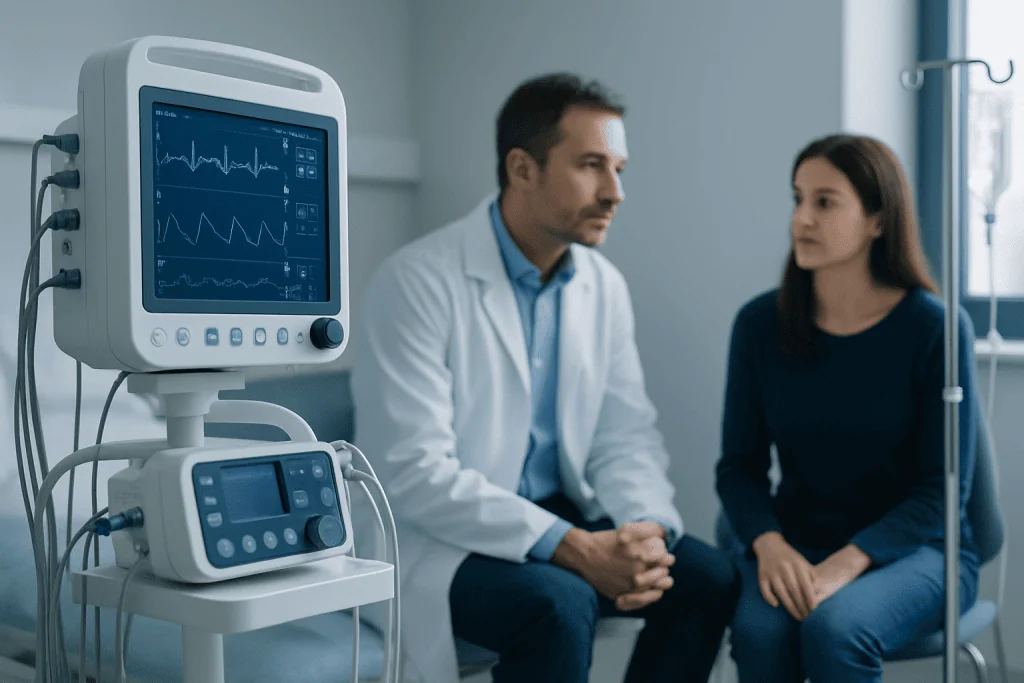
Follow-up care allows doctors to check whether recovery is progressing as expected. After many procedures, early symptoms such as mild discomfort, swelling, fatigue, or bruising may be normal, but other symptoms can signal a complication. A local healthcare professional can examine the patient directly, review test results, and decide whether reassurance, treatment, or urgent care is needed.
Continuity of care also reduces confusion. Patients may return home with new medicines, temporary restrictions, wound care instructions, dietary changes, or rehabilitation exercises. Without a structured plan, it can be difficult to know which symptoms are expected, when stitches should be removed, when activity can resume, or when further tests are due.
Follow-up is also important for long-term outcomes. For example, orthopedic surgery may require physiotherapy, cardiac treatment may require medication adjustment and lifestyle guidance, and oncology care may require scheduled imaging or blood tests. Even when the main treatment is completed abroad, recovery and monitoring often depend on safe coordination at home.
Planning Before Traveling Home

The best time to plan aftercare is before the patient leaves the treating hospital. Discharge planning should include a written explanation of the treatment performed, the expected recovery timeline, and the next steps. Patients should ask when they are medically fit to travel and whether special precautions are needed during the journey, such as mobility assistance, compression stockings, wound protection, hydration, or avoiding heavy lifting.
Patients should also identify a doctor at home who can provide follow-up. This may be a family physician, surgeon, cardiologist, oncologist, gynecologist, dentist, physiotherapist, or another relevant specialist. Ideally, an appointment should be scheduled before travel, especially after major surgery or complex treatment.
Important planning questions include:
- What follow-up tests or visits are needed, and when?
- Which symptoms are expected during recovery?
- Which symptoms require urgent medical attention?
- Who should remove sutures, change dressings, or monitor wounds?
- How should medications be continued, stopped, or reviewed?
- How can the treating team abroad be contacted if the local doctor has questions?
Medical Records Patients Should Bring Home
Complete medical records are central to continuity of care after treatment abroad. Local doctors need accurate information to avoid repeating tests unnecessarily and to make safe decisions about medications, wound care, rehabilitation, or further treatment. Records should be provided in a language the patient and local healthcare team can understand, or translated when necessary.
Patients should request copies of the diagnosis, consultation notes, operative or procedure report, anesthesia report when relevant, discharge summary, laboratory results, pathology reports, imaging reports, medication list, implant or device details, and follow-up recommendations. For surgeries, the operative report should describe what was done, any implants or materials used, and whether there were complications. For cancer care, pathology, staging information, treatment protocols, and future surveillance plans are particularly important.
It is helpful to keep both printed and digital copies. Digital records can be stored securely on a password-protected device or cloud service, while printed documents can be shown during appointments or in urgent situations. Patients should also keep contact information for the treating hospital, international patient office, physician, and any coordinator involved in the treatment.
Medication, Wound Care, and Rehabilitation
Medication instructions should be clear before departure. Patients should know the purpose of each medicine, how long it is intended to continue, possible side effects to watch for, and whether it interacts with existing medicines. Medication names may differ between countries, so local doctors and pharmacists may need the generic name rather than only a brand name.
Wound care instructions should explain how to keep the area clean, when dressings should be changed, whether showering is allowed, and when sutures, clips, or drains need removal. Patients should avoid applying creams, disinfectants, or home remedies unless advised by a qualified clinician. If a wound becomes increasingly red, swollen, painful, warm, or starts draining fluid, medical advice should be sought.
Rehabilitation is often a key part of recovery. Physiotherapy, breathing exercises, walking programs, pelvic floor therapy, dietary support, speech therapy, or occupational therapy may be recommended depending on the treatment. A written rehabilitation plan helps local therapists continue care safely and adjust exercises according to the patient’s progress.
Communication Between Doctors
Safe follow-up often depends on communication between the treating team abroad and healthcare professionals at home. The local doctor may need clarification about the procedure, test results, implant details, or expected recovery. The treating hospital should provide a reliable contact route for clinical questions, such as an international patient department, care coordinator, or physician contact process.
Telemedicine can be useful for planned post-treatment reviews, especially when the treating physician wants to inspect healing visually, review symptoms, or discuss test results. However, telemedicine has limits. It cannot replace a physical examination, emergency care, imaging, or laboratory testing when these are needed.
Patients benefit when responsibilities are clear. The treating team abroad may advise on the procedure and expected course, while the local doctor manages examination, prescriptions available in the home country, urgent concerns, and referrals. This shared approach helps reduce gaps in care and supports safe recovery.
Warning Signs That Need Medical Attention
Most patients recover without serious problems, but it is important to know when to seek medical help. Warning signs vary depending on the treatment, but some symptoms should not be ignored. Patients should follow the specific instructions provided by their doctor, as individual risk depends on the condition treated, the procedure performed, and overall health.
Medical advice should be sought promptly for fever, chills, increasing pain, sudden swelling, wound redness or discharge, bleeding that does not stop, chest pain, shortness of breath, fainting, new weakness or numbness, severe headache, confusion, persistent vomiting, or calf pain and swelling. After eye, brain, heart, abdominal, orthopedic, or cosmetic procedures, symptom thresholds may differ, so the discharge plan should define what is urgent.
Emergency services should be used for severe or rapidly worsening symptoms. In these situations, the patient should not wait for an overseas response if local emergency care is available. Carrying the discharge summary and procedure details helps emergency clinicians make faster, safer decisions.
Practical Self-Care and Support
Recovery at home is supported by practical preparation. Patients may need help with transport from the airport, meal preparation, childcare, wound care supplies, mobility aids, or time away from work. Rest, hydration, balanced nutrition, gentle movement as advised, and avoiding smoking can support healing. Alcohol should be avoided or limited when it may interact with medicines or affect recovery.
Travel insurance and medical travel insurance should be reviewed before treatment, as policies differ in what they cover after returning home. Patients should understand whether complications, follow-up visits, emergency care, or medical evacuation are included. Financial and administrative planning cannot prevent every problem, but it can reduce stress if additional care is needed.
International patients treated through Acibadem International can receive support in coordinating medical documentation and follow-up communication with multidisciplinary specialists in JCI-accredited hospitals. Regardless of where treatment is received, patients should keep their local doctor informed and attend all recommended follow-up appointments.
Frequently asked questions
What does continuity of care mean after treatment abroad?
It means the patient’s care continues in an organized way after returning home. The treating hospital abroad provides records and recommendations, while local healthcare professionals monitor recovery, manage medications, and respond to concerns.
When should follow-up care be arranged?
Follow-up care should be arranged before the patient travels home. Ideally, the patient leaves the hospital with a written plan and already has a local appointment scheduled when ongoing monitoring is needed.
Which medical documents are most important to bring home?
Important documents include the discharge summary, procedure or surgery report, test results, imaging reports, pathology reports, medication list, and follow-up instructions. Implant or device information should also be included when relevant.
Can telemedicine replace follow-up with a local doctor?
Telemedicine can be helpful for planned reviews with the treating team abroad, especially to discuss symptoms or test results. It does not replace urgent local care, physical examination, imaging, laboratory testing, or emergency treatment when these are needed.
What symptoms after returning home should be checked urgently?
Patients should seek medical advice for fever, worsening pain, wound redness or discharge, uncontrolled bleeding, chest pain, shortness of breath, fainting, new weakness, confusion, or severe swelling. Emergency services should be used for severe or rapidly worsening symptoms.
Who is responsible for care after the patient returns home?
Responsibility is usually shared. The overseas treating team provides information about the treatment and expected recovery, while the local doctor examines the patient, manages immediate health needs, and arranges referrals or tests.
References
- World Health Organization
- Centers for Disease Control and Prevention
- International Society for Quality in Health Care
- Joint Commission International
- European Patients Forum
This article is for general information only and is not a substitute for professional medical advice. Please consult a qualified doctor about your individual situation.
Joint and spine care in Turkey — expert assessment & treatment
JCI-accredited · board-certified surgeons · reply within 24h
Add us as a Preferred Source to see more of our trusted health content across Google Search, AI Overviews and Discover.

More from the Health Library



Related Specialists

Prof. Dr. Erkin Aribal
Breast Clinic Clinical Service
Prof. Dr. Ayşe Öner
Ophthalmology
Dr. Memiş Ali Mutlu
Gynecology & Obstetrics
Assoc. Prof. Dr. Selim Ergün
Orthopedic Surgery & Traumatology