Contractures: A Complete Medical Overview

Contractures limit movement because tissues around a joint become shortened, stiff, or scarred. They may develop after burns, injuries, surgery, stroke, cerebral palsy, prolonged bed rest, or joint disease.
Key Takeaways
- Contractures limit movement because tissues around a joint become shortened, stiff, or scarred.
- They may develop after burns, injuries, surgery, stroke, cerebral palsy, prolonged bed rest, or joint disease.
- Common signs include stiffness, loss of range of motion, difficulty with daily tasks, and sometimes pain or deformity.
- Treatment often combines stretching, splints, rehabilitation, medicines for the underlying cause, and sometimes surgery.
- Early assessment is important because mild contractures are often easier to manage than long-standing ones.
Contractures are a lasting shortening or tightening of muscles, tendons, ligaments, skin, or surrounding tissues that restrict normal movement. They are not a disease by themselves, but a complication that can develop after injury, burns, nerve conditions, immobility, or chronic muscle and joint disorders, and early care can make a meaningful difference.
Overview
Contractures are permanent or long-lasting tightening and shortening of soft tissues that make a joint difficult to move normally. The tissues involved may include muscles, tendons, ligaments, joint capsules, or skin. As these tissues lose flexibility, the affected body part may become fixed in one position or move through a much smaller range than before.
People often use the word “stiffness” for many kinds of movement problems, but contractures are more specific. Temporary stiffness after exercise or sleeping in an awkward position usually improves quickly. A contracture is different because the tissue itself has adapted over time in a shortened state, making movement increasingly limited without treatment.
Contractures can affect almost any joint, including the fingers, wrists, elbows, shoulders, hips, knees, ankles, and neck. They may occur in children or adults and can range from mild movement loss to severe deformity that affects walking, hand function, personal care, or comfort in sitting and lying positions.
How contractures develop
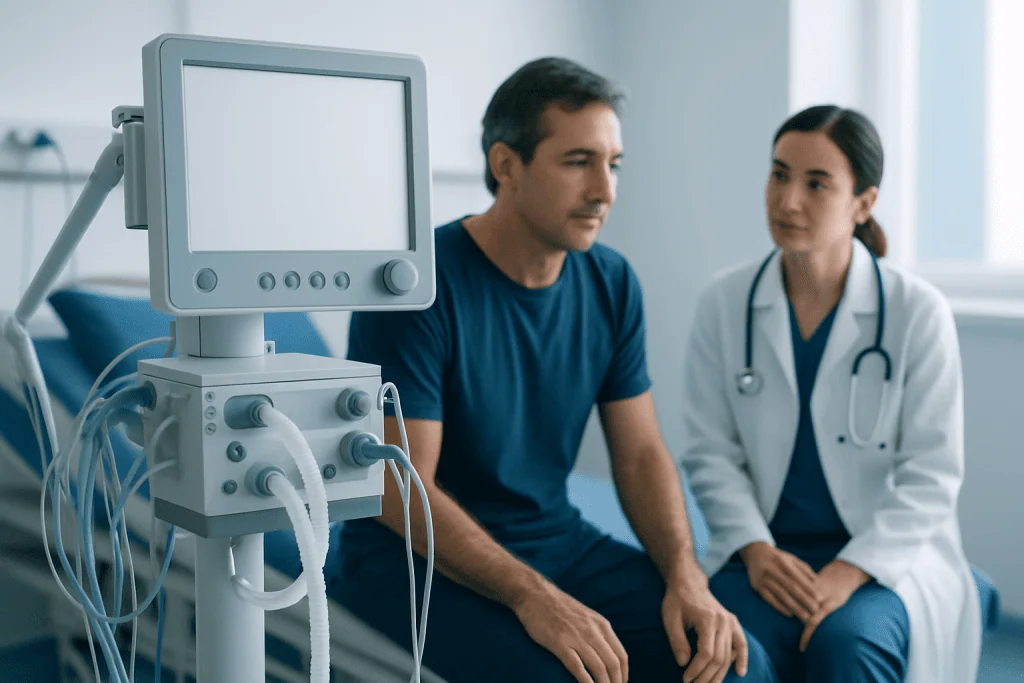
Healthy joints depend on regular movement. Muscles, tendons, and connective tissues are designed to lengthen and shorten repeatedly. When a body part is not moved enough, or when inflammation, scarring, or nerve injury changes the tissues, they can gradually become less elastic. Over time, the joint may no longer straighten or bend fully.
Several biological changes contribute to this process. Muscles can shorten when they stay in the same position for long periods. Scar tissue from burns, trauma, or surgery can pull the skin and deeper layers inward. Joint capsules may tighten after immobilization, and nerve conditions can create muscle imbalance, where stronger muscles pull a joint into an abnormal position.
Contractures may form slowly over weeks or months, or more quickly after a major burn, severe injury, or prolonged critical illness. They are often easier to prevent than to reverse completely, which is why early rehabilitation and positioning are so important in people at risk.
Symptoms and everyday effects

The main symptom of contractures is reduced range of motion. A person may notice that a finger no longer fully opens, a knee does not straighten, or the ankle stays pointed downward. In some cases, the affected area looks visibly bent or twisted. The limitation may be painless at first, but discomfort can develop as the joint is forced to move or surrounding muscles work harder to compensate.
Contractures can interfere with many ordinary activities. Depending on the joint involved, they may affect walking, reaching overhead, dressing, writing, gripping objects, bathing, or changing position in bed. In children with developmental or neurological conditions, contractures may also influence growth, posture, and participation in play or school activities.
Possible signs and effects include:
- Persistent stiffness that does not improve with simple movement
- Difficulty straightening or bending a joint fully
- Visible deformity or abnormal resting position
- Pain, muscle spasms, or discomfort with stretching
- Problems with balance, gait, hand use, or self-care
- Pressure areas or skin irritation from poor positioning
Not every person with reduced movement has a true contracture. Conditions such as arthritis, swelling, pain, or muscle weakness can also limit motion. A medical assessment helps identify whether the tissue has become structurally shortened or whether another problem is responsible.
Causes and risk factors
Contractures are usually caused by an underlying condition or situation rather than occurring on their own. One major cause is immobility. This may happen after a fracture, joint surgery, prolonged bed rest, use of a cast, intensive care admission, or severe illness that reduces activity. When a joint is held in one position for too long, the surrounding tissues adapt to that position.
Neurological conditions are another important cause. After a stroke, spinal cord injury, traumatic brain injury, cerebral palsy, multiple sclerosis, or other disorders that affect muscle control, some muscles may become overactive while others weaken. This imbalance can gradually pull joints into fixed positions. In some people, contractures occur alongside spasticity, which should be evaluated separately because treatment may need to address both problems.
Scarring can also lead to contractures. Burn scars are a well-known example because healing skin may tighten across a joint and reduce movement. Deep wounds, repeated surgeries, and certain connective tissue conditions can have similar effects. Some hand conditions, such as Dupuytren’s contracture, involve abnormal tissue thickening in the palm that bends the fingers over time.
Other risk factors include inflammatory joint disease, chronic muscle disease, poor positioning in wheelchairs or beds, inadequate rehabilitation after injury, and advancing age. Children with growth-related muscle imbalance and adults with untreated joint problems may both be vulnerable if movement limitations persist for long periods.
Diagnosis and evaluation
Diagnosis begins with a clinical examination and a careful history. A doctor will usually ask when the movement problem began, whether it followed an injury or illness, how quickly it has progressed, and whether pain, weakness, numbness, or spasms are also present. The pattern often offers clues about the cause.
During the physical exam, the clinician measures range of motion and checks whether the restriction is present during active movement, passive movement, or both. This helps distinguish a true contracture from weakness, pain-limited movement, or temporary guarding. The skin, muscles, joint alignment, and scar tissue are also assessed. If a neurological cause is suspected, the exam may include reflexes, muscle tone, and coordination.
Additional tests are not always needed, but they can be helpful when the cause is unclear or treatment planning is complex. Imaging such as X-rays, ultrasound, or MRI may show joint damage, bone changes, or soft-tissue involvement. Nerve and muscle studies may be considered in selected cases. If the limitation relates to a broader joint problem, evaluation by specialists in orthopedic care or physical therapy and rehabilitation may be appropriate.
Because contractures can signal an underlying disorder, the goal is not only to measure loss of movement but also to identify what is driving it. This shapes the treatment plan and helps set realistic goals for function, comfort, and prevention of worsening.
Treatment options
Treatment depends on the cause, the joint involved, the severity of the contracture, and how long it has been present. In many cases, the first approach is conservative treatment focused on preserving or improving movement. This may include stretching programs, joint mobilization, strengthening of opposing muscles, positioning strategies, and regular home exercises. A rehabilitation team can tailor these measures to the person’s daily needs.
Splints, braces, or serial casting may help place the joint in a more functional position and gently increase tissue length over time. These methods are often used in children with neurological conditions and adults recovering from injury or illness. If pain, inflammation, or muscle overactivity contributes to the problem, treating those factors may improve comfort and make therapy more effective. Depending on the individual situation, some patients may benefit from coordinated neurology evaluation when spasticity or nerve disease is involved.
When contractures are severe, progressive, or resistant to non-surgical treatment, procedures may be considered. These can include release of tight tissues, correction of scar bands, tendon lengthening, or other reconstructive operations. For selected patients with burn-related scarring or complex soft-tissue tightening, plastic and reconstructive surgery may help restore function and improve positioning.
The outcome varies. Mild contractures may improve noticeably with consistent therapy, while long-standing or severe contractures may not fully reverse. Even then, treatment can still reduce pain, improve hygiene and comfort, support mobility, and make everyday tasks easier. The best results usually come from early, individualized care and regular follow-up.
Prevention and self-care
Prevention is especially important in people who are at high risk, such as those recovering from surgery, burns, fractures, stroke, or prolonged hospitalization. Regular movement is one of the most effective protective measures. When safe and medically appropriate, joints should be taken through their full available range on a routine basis, either actively by the patient or passively with professional guidance.
Positioning also matters. Keeping a joint in one posture for long periods can encourage shortening, so healthcare teams often use planned repositioning, supportive cushions, splints, or braces to maintain better alignment. People using wheelchairs or spending much of the day in bed may benefit from a personalized program created by rehabilitation specialists.
At home, helpful habits may include:
- Following prescribed stretching and exercise routines consistently
- Changing positions regularly during the day
- Using splints or braces exactly as instructed
- Protecting healing skin and scars after burns or surgery
- Attending follow-up rehabilitation visits
- Reporting increasing stiffness early rather than waiting for it to worsen
Self-care should be guided by a qualified clinician, especially if pain, recent surgery, fractures, burns, or neurological disease are involved. Forceful stretching without instruction can sometimes injure tissues or increase discomfort, so exercises should be adapted to the person’s condition and tolerance.
When to seek medical care
Medical review is advisable when a joint becomes progressively harder to move, especially if the limitation lasts more than a short period or interferes with walking, hand use, hygiene, sleep, or daily tasks. An assessment is also important when stiffness follows a burn, injury, surgery, stroke, or long illness requiring immobility. Early evaluation may prevent further loss of motion and help identify a treatable cause.
Prompt care is particularly important if movement loss is accompanied by severe pain, swelling, skin breakdown, fever, sudden weakness, numbness, or a rapidly changing deformity. These features can suggest complications or another condition that needs urgent attention rather than routine stretching alone.
People living with neurological or musculoskeletal conditions often benefit from planned follow-up before a contracture becomes advanced. Near the end of the care pathway, some patients may seek multidisciplinary evaluation at centers experienced in rehabilitation, orthopedics, neurology, and reconstructive care. Acibadem International’s multidisciplinary specialists and JCI-accredited hospitals diagnose and treat contractures for international patients when this level of coordinated care is needed.
Frequently asked questions
What are contractures in simple terms?
Contractures are areas of the body where tissues such as muscles, tendons, skin, or joint coverings become shortened and tight. This makes a joint hard to move normally and can leave it stuck in one position.
Can contractures go away?
Some contractures improve, especially when they are recognized early and treated consistently. Long-standing or severe contractures may not fully reverse, but treatment can still improve movement, comfort, and function.
Are contractures painful?
They can be painful, but not always. Some people mainly notice stiffness and loss of motion, while others have discomfort during stretching, muscle spasms, pressure on the joint, or pain from the underlying condition.
Who is most at risk for developing contractures?
People at higher risk include those who are immobile for long periods, have had burns or major injuries, or live with neurological conditions such as stroke or cerebral palsy. Risk also rises when rehabilitation is delayed or joints are kept in one position for too long.
How are contractures treated without surgery?
Non-surgical treatment may include stretching, physical therapy, positioning, splints, braces, and management of pain or muscle overactivity. The exact plan depends on the cause, the joint involved, and how advanced the contracture is.
When is surgery needed for contractures?
Surgery may be considered when the contracture is severe, prevents daily function, causes major deformity, or does not respond well to conservative treatment. The procedure depends on the tissues involved and may include release of scars, tendon lengthening, or reconstructive techniques.
This article is for general information only and is not a substitute for professional medical advice. Please consult a qualified doctor about your individual situation.
Joint and spine care in Turkey — expert assessment & treatment
JCI-accredited · board-certified surgeons · reply within 24h
Add us as a Preferred Source to see more of our trusted health content across Google Search, AI Overviews and Discover.

More from the Health Library
Boofing — Explained by Medical Evidence, Not Myths
Scalp — Explained by Medical Evidence, Not Myths

Lactose Intolerance Test: An Evidence-Based Guide for Patients

Flower Passion Tea: What Patients Need to Know
Prostate Fluid — Explained by Medical Evidence, Not Myths