Corpus Cavernosum — Explained by Medical Evidence, Not Myths
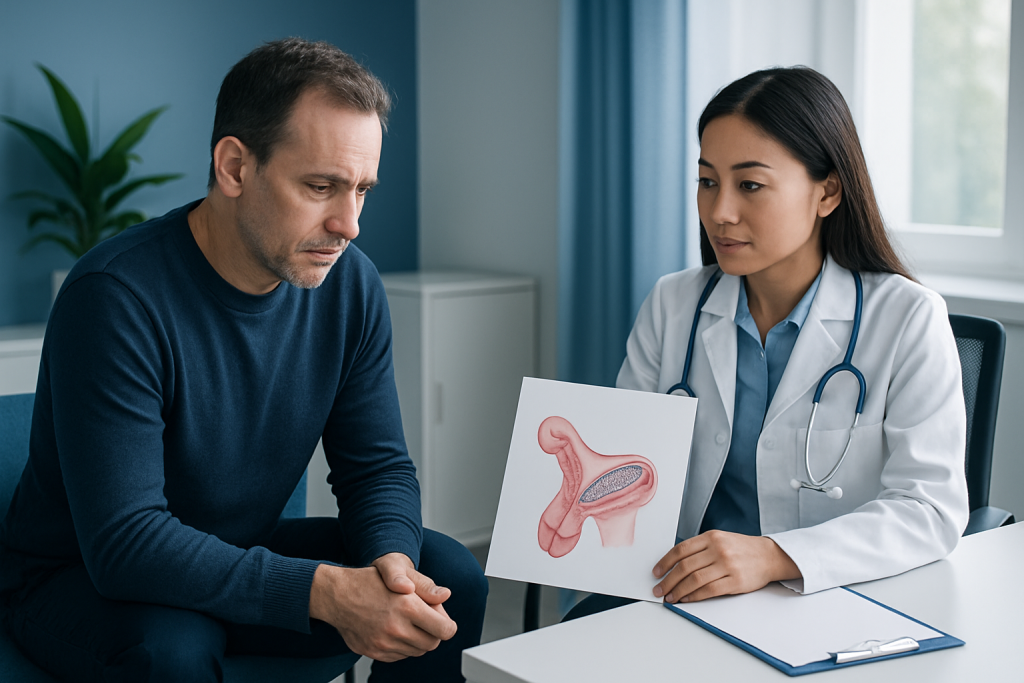
The corpus cavernosum consists of two erectile chambers that play the main role in penile rigidity during erection. Healthy blood flow, nerve signaling, hormones, and tissue elasticity all support normal corpus cavernosum function.
Key Takeaways
- The corpus cavernosum consists of two erectile chambers that play the main role in penile rigidity during erection.
- Healthy blood flow, nerve signaling, hormones, and tissue elasticity all support normal corpus cavernosum function.
- Problems affecting the corpus cavernosum can include erectile dysfunction, priapism, scarring, trauma, and penile curvature.
- Diagnosis is based on medical history, physical examination, and sometimes ultrasound or other specialized tests.
- Treatment depends on the cause and may include lifestyle measures, medicines, injections, or surgery.
- A prolonged erection, sudden penile pain, injury, or new curvature should be assessed by a doctor.
The corpus cavernosum is the pair of sponge-like erectile tissue chambers inside the penis that fill with blood during sexual arousal and help produce an erection. Understanding how this tissue works can make it easier to recognize when symptoms such as pain, curvature, prolonged erection, or erectile difficulty may need medical attention.
What the Corpus Cavernosum Is
The corpus cavernosum refers to two parallel columns of sponge-like erectile tissue that run along the length of the penis. These chambers are a normal part of male anatomy and are central to how erections happen. When a person is not aroused, the tissue contains relatively little blood. During sexual stimulation, blood flow increases and the chambers expand, helping the penis become firm.
Each corpus cavernosum is surrounded by a strong fibrous layer called the tunica albuginea. This outer covering helps trap blood inside the erectile tissue long enough to maintain rigidity. Beneath the paired corpora lies another structure, the corpus spongiosum, which surrounds the urethra and helps keep the urinary channel open during ejaculation.
Many people search for the term because they want a clear, evidence-based explanation rather than myths about masculinity or sexual performance. In medical terms, the corpus cavernosum is simply specialized vascular tissue. Its health depends on normal circulation, nerve function, hormone balance, and the integrity of the surrounding connective tissue.
How It Works During an Erection
An erection begins with signals from the brain and nerves in response to sexual thoughts, touch, or other stimulation. These signals cause smooth muscle inside the corpus cavernosum to relax. As the muscle relaxes, arteries widen and allow more blood to enter the erectile spaces within the tissue.
At the same time, the expanding corpus cavernosum presses on small veins that would normally drain blood away. This reduces outflow and helps the penis stay erect. In simple terms, erection depends on a balance: more blood enters than leaves. When stimulation ends or after orgasm, the muscle contracts again, blood flow decreases, and the erection subsides.
This process can be affected by many factors, including stress, diabetes, smoking, vascular disease, pelvic surgery, spinal cord or nerve conditions, and some medications. For that reason, difficulties related to the corpus cavernosum are not only sexual-health issues; they can also reflect broader health concerns such as circulation problems or chronic disease.
Although the corpus cavernosum is best known for its role in erections, it is not a “muscle” that can be strengthened in the usual sense, nor is erection purely a matter of willpower. It is a coordinated body process involving blood vessels, nerves, hormones, and tissue structure.
Common Problems That Can Affect the Corpus Cavernosum
Several medical conditions can involve the corpus cavernosum. One of the most common is erectile dysfunction, in which a person has ongoing difficulty getting or keeping an erection firm enough for satisfactory sexual activity. This can happen because of reduced blood flow, impaired nerve signaling, side effects of medication, anxiety, depression, or a combination of physical and emotional factors.
Another important condition is priapism, a prolonged erection that lasts too long and is not relieved in the usual way. Priapism is not the same as normal sexual arousal. Because blood can become trapped inside the corpus cavernosum, the tissue may be damaged if treatment is delayed. This is one reason prolonged erections are treated as urgent medical problems.
Scarring of the tissue or its outer covering may also cause symptoms. In Peyronie’s disease, scar tissue can form in the penis and lead to curvature, shortening, pain, or difficulty with intercourse. Trauma, whether during sports, accidents, or sexual activity, can also injure the corpus cavernosum and surrounding tissues.
Other less common concerns include infection, congenital differences, complications after pelvic surgery, or vascular abnormalities. Symptoms that can suggest a problem include:
- Difficulty achieving or maintaining an erection
- Pain during erection or at rest
- A noticeable bend or new curvature
- A lump or plaque felt in the shaft of the penis
- Swelling, bruising, or deformity after injury
- An erection lasting longer than expected, especially several hours
Why Problems Happen: Causes and Risk Factors
The corpus cavernosum relies on healthy blood vessels. Conditions that narrow or damage arteries can reduce blood inflow and contribute to erection problems. Common examples include high blood pressure, high cholesterol, diabetes, obesity, smoking, and cardiovascular disease. Because penile arteries are relatively small, erectile symptoms can sometimes appear before other signs of vascular disease become obvious.
Nerve-related causes are also important. The brain, spinal cord, and pelvic nerves all help regulate erection. Surgery in the pelvic area, neurological disorders, injuries, and some chronic illnesses may interrupt these signals. Hormonal factors, especially low testosterone in some patients, can reduce libido and contribute to sexual symptoms, though hormones are only one part of the picture.
Tissue changes within the corpus cavernosum or the tunica albuginea can affect how the penis expands and traps blood. Repeated minor trauma, inflammatory processes, aging-related changes, or scarring disorders may alter elasticity. In Peyronie’s disease, for example, fibrous plaque changes the mechanics of erection and can cause curvature or discomfort.
Psychological factors should not be overlooked. Stress, relationship concerns, anxiety about performance, depression, poor sleep, and alcohol or substance misuse may worsen symptoms even when a physical cause is also present. Often, several factors occur together, which is why a broad medical evaluation can be helpful.
How Doctors Evaluate Corpus Cavernosum Problems
Assessment usually starts with a detailed conversation about symptoms. A doctor may ask when the problem began, whether it is constant or occasional, whether erections occur during sleep or on waking, and whether there is pain, curvature, trauma, or medication use. Questions about general health are also important because the corpus cavernosum is influenced by circulation, hormones, and nerve function.
A physical examination can reveal plaques, tenderness, swelling, curvature, hormonal signs, or evidence of injury. In some patients, blood pressure, pulses, and signs of vascular disease are checked because sexual symptoms may be linked to overall cardiovascular health. Blood tests may be used to look for diabetes, lipid disorders, hormone issues, or other underlying conditions.
If more detail is needed, penile Doppler ultrasound may be recommended. This test can help show blood flow into and out of the corpus cavernosum and may identify scarring or structural abnormalities. In selected cases, specialists may discuss further testing to better understand vascular or functional problems, especially when treatment decisions depend on the exact cause.
Open discussion can feel sensitive, but accurate diagnosis matters. Many conditions affecting the corpus cavernosum are treatable, and evaluation also offers a chance to identify related health issues early.
Treatment Options and Supportive Care
Treatment depends on the cause. When erectile dysfunction is present, doctors often begin with addressing reversible factors such as smoking, poor blood sugar control, unmanaged blood pressure, excess alcohol, medication side effects, or stress. For many patients, oral medicines that improve blood flow may be considered, but they are not appropriate for everyone and should be used under medical guidance.
If oral treatment is not effective or suitable, other options may include vacuum erection devices, counseling for contributing psychological stress, hormone evaluation when clinically indicated, or targeted therapies such as penile injection therapy. Some patients with persistent symptoms may benefit from more advanced solutions, including penile prosthesis surgery, particularly when other treatments have not worked.
For curvature or scarring disorders, care depends on the severity of symptoms. Management may involve observation, medication-based approaches in selected cases, or procedures when pain, deformity, or sexual difficulty is significant. If a patient has priapism, urgent treatment is needed to protect the corpus cavernosum from damage. Traumatic injuries also require prompt assessment, and some cases need urologic surgery or other specialist care.
Men with complex symptoms may be evaluated by urologists, radiologists, endocrinologists, cardiologists, and mental health professionals, depending on the cause. Near the end of the care pathway, patients seeking coordinated evaluation may wish to know that Acibadem International’s multidisciplinary specialists and JCI-accredited hospitals diagnose and treat conditions affecting the corpus cavernosum for international patients.
Protecting Corpus Cavernosum Health
While not every condition can be prevented, healthy habits can support blood vessel and tissue function. Regular physical activity, a balanced diet, weight management, avoiding tobacco, limiting alcohol, and good sleep all contribute to vascular health. These same measures may lower the risk of diabetes, hypertension, and cholesterol problems that can affect erections.
Managing chronic medical conditions is especially important. Taking prescribed treatment for diabetes, blood pressure, and lipid disorders can help protect circulation over time. If a medication seems to be affecting sexual function, it is safest to discuss alternatives with a doctor rather than stopping treatment independently.
Using safe sexual practices and avoiding unnecessary trauma to the penis may also reduce the risk of injury. Emotional wellbeing matters too. Anxiety, relationship stress, and depression can intensify physical symptoms, so early support from a qualified professional may be useful.
Self-care can improve overall sexual health, but persistent symptoms should not be dismissed as an inevitable part of aging. Seeking advice can lead to effective treatment and, in some cases, identify broader health issues that deserve attention.
When to Seek Medical Care
Medical evaluation is recommended if there is ongoing difficulty getting or keeping an erection, a new bend in the penis, pain during erection, a palpable lump, or changes after surgery or injury. These symptoms do not always indicate a serious condition, but they are worth assessing, especially if they persist or affect quality of life.
Urgent care is important if an erection lasts several hours, if there is sudden swelling or bruising after trauma, or if severe pain develops. Delaying care in these situations can increase the chance of tissue damage within the corpus cavernosum. It is also wise to seek medical advice if sexual symptoms occur along with signs of diabetes, cardiovascular disease, or hormonal problems.
Because sexual symptoms can be influenced by physical and emotional factors together, a calm and comprehensive medical review is often the best next step. A qualified doctor can explain what is normal, identify the cause, and recommend a treatment plan suited to the individual.
Frequently asked questions
What does corpus cavernosum mean?
Corpus cavernosum means one of the two main columns of erectile tissue inside the penis. These chambers fill with blood during sexual arousal and are responsible for most of the firmness of an erection.
Is the corpus cavernosum the same as the whole penis?
No. The corpus cavernosum is only one part of penile anatomy. The penis also includes the corpus spongiosum, the urethra, skin, nerves, blood vessels, and connective tissue.
Can problems in the corpus cavernosum cause erectile dysfunction?
Yes. Reduced blood flow, scarring, tissue damage, or problems trapping blood in the corpus cavernosum can contribute to erectile dysfunction. However, erection problems may also involve nerves, hormones, medications, or emotional factors.
Is a curved erection always a sign of disease?
Not always. Some men naturally have mild curvature that is stable and does not cause pain or difficulty. A new or worsening bend, especially with pain or a lump, should be assessed because it can be related to scarring such as Peyronie’s disease.
What happens if an erection lasts too long?
A prolonged erection can be a medical emergency, especially if it lasts several hours. Blood trapped in the corpus cavernosum may damage the tissue, so urgent medical care is important.
How do doctors test whether the corpus cavernosum is working properly?
Doctors begin with a medical history and physical examination. If needed, they may order blood tests or penile Doppler ultrasound to assess blood flow, tissue structure, and possible scarring.
Can lifestyle changes improve corpus cavernosum health?
They often can, especially when blood vessel health is part of the problem. Stopping smoking, exercising regularly, controlling diabetes and blood pressure, maintaining a healthy weight, and limiting excess alcohol may improve erectile function and overall health.
This article is for general information only and is not a substitute for professional medical advice. Please consult a qualified doctor about your individual situation.
Explore treatments in Turkey — costs, top hospitals & a free quote
JCI-accredited · board-certified surgeons · reply within 24h
Add us as a Preferred Source to see more of our trusted health content across Google Search, AI Overviews and Discover.
Check your numbers in seconds
BMI, calories, due date, blood pressure and 30+ more clinical calculators — free, instant, doctor-reviewed ranges.

More from the Health Library

Sex Reassignment Operation: Procedure, Recovery and Results

Warts Medicine Over the Counter: An Evidence-Based Guide for Patients

Hip Dislocation: A Complete Medical Overview

Pioglitazone: An Evidence-Based Guide for Patients

Aching Back Hips: A Complete Medical Overview