Costovertebral Angle — Explained by Medical Evidence, Not Myths

The costovertebral angle is an anatomical landmark on the back, not a disease itself. Tenderness in this area may suggest a kidney problem, especially infection or obstruction, but it can also come from muscles, ribs, or the spine.
Key Takeaways
- The costovertebral angle is an anatomical landmark on the back, not a disease itself.
- Tenderness in this area may suggest a kidney problem, especially infection or obstruction, but it can also come from muscles, ribs, or the spine.
- Doctors assess the costovertebral angle as part of a broader evaluation that may include urine tests, blood tests, and imaging.
- Fever, urinary symptoms, severe one-sided pain, vomiting, or blood in the urine warrant prompt medical assessment.
- Self-care depends on the cause; persistent or worsening pain should not be treated as a simple strain without medical advice.
The costovertebral angle is the area on the back where the lower ribs meet the spine. In medicine, pain or tenderness there can help doctors tell whether symptoms are more likely related to the kidneys, nearby muscles, or other structures in the flank.
What the costovertebral angle means
The costovertebral angle is the space formed where the 12th rib meets the spine on each side of the back. Clinicians use this landmark because the kidneys sit nearby, deep in the upper abdomen and back. When a person has pain or tenderness in this area, it can offer a useful clue about whether the kidneys may be involved.
This term is often shortened to CVA, so patients may hear phrases such as “CVA tenderness” during an exam. That does not mean a stroke in this context; it refers specifically to the costovertebral angle. The finding is part of a physical examination rather than a diagnosis on its own.
Costovertebral angle discomfort is commonly discussed alongside flank pain, but the two are not exactly the same. Flank pain is a broader symptom that describes pain in the side between the ribs and hip, while costovertebral angle tenderness is a more specific exam finding in a defined anatomical area.
Why this area matters in medical evaluation
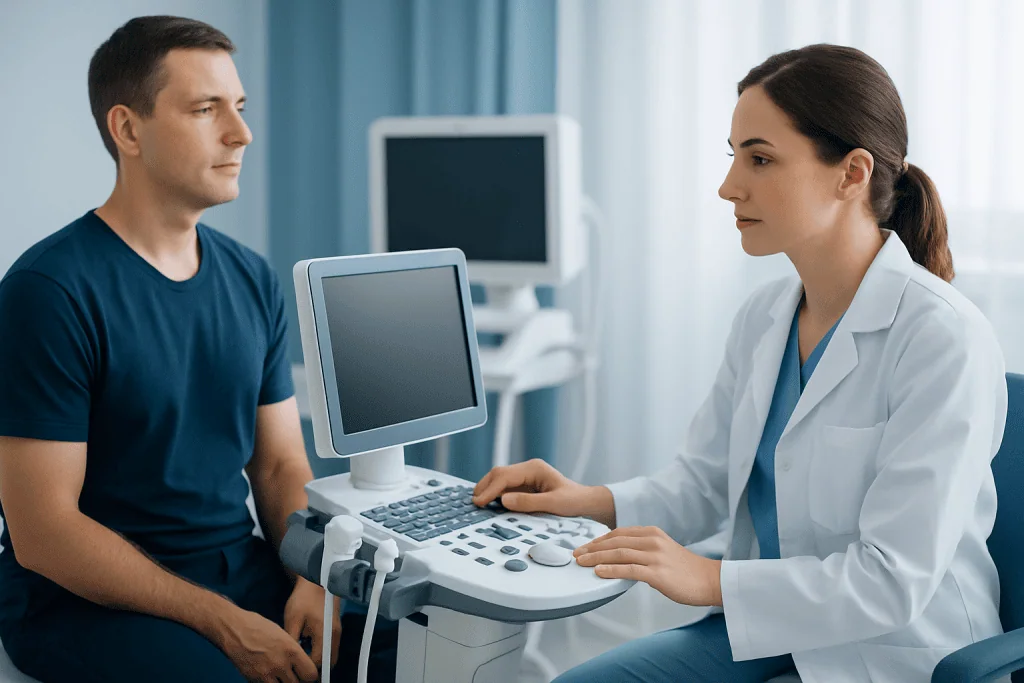
The main reason doctors examine the costovertebral angle is to help distinguish kidney-related pain from other causes of back or side pain. The kidneys can become painful when they are inflamed, infected, swollen because of blocked urine flow, or affected by stones. Because they sit close to the back, discomfort may be felt near the lower ribs rather than in the center of the abdomen.
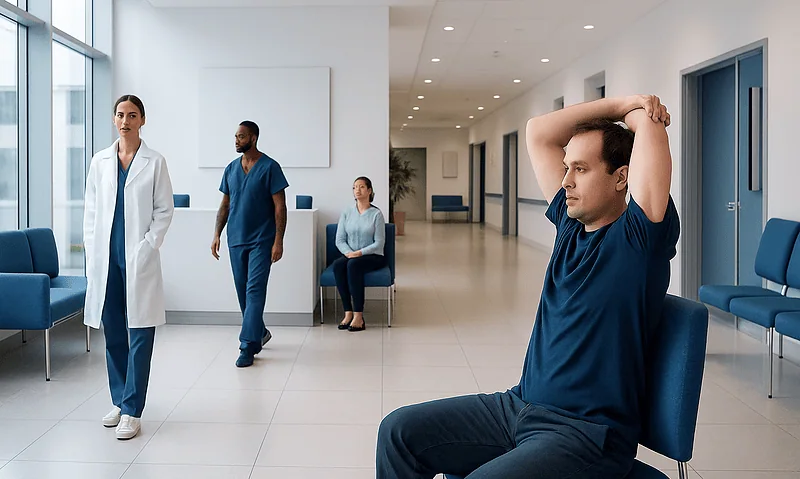
During a physical exam, a clinician may gently tap or press over the area. Marked tenderness can support concern for a kidney infection or another condition affecting the upper urinary tract. However, this sign is not perfectly specific, and it must be interpreted together with symptoms, history, lab tests, and sometimes imaging.
This is an important difference from oversimplified descriptions found online. Costovertebral angle pain does not automatically mean a kidney infection, and the absence of tenderness does not rule one out. The angle is best understood as a clinical clue that helps guide next steps, not as a stand-alone answer.
Symptoms linked to costovertebral angle pain or tenderness

People may notice a dull ache, sharp pain, or soreness on one or both sides of the back just below the ribs. The discomfort can be constant or intermittent. Some people feel it more when moving, coughing, or changing position, while others notice it even at rest.
When the kidneys are involved, costovertebral angle pain may occur together with urinary symptoms or signs of infection. These can include fever, chills, pain or burning with urination, needing to urinate more often, cloudy urine, or blood in the urine. Nausea and vomiting can also occur, especially if pain is severe.
Symptoms vary depending on the cause. A muscle strain may feel worse with twisting or lifting and improve with rest. A kidney stone may cause intense, wave-like pain that can radiate toward the groin. Conditions such as kidney stones or urinary tract infection are examples of disorders that may involve this area.
- One-sided or both-sided back pain below the ribs
- Tenderness when the area is touched or tapped
- Fever or chills
- Burning or frequent urination
- Nausea, vomiting, or visible blood in urine
Common causes and risk factors
Kidney infection, also called pyelonephritis, is one of the classic causes of costovertebral angle tenderness. It usually develops when bacteria travel upward from the lower urinary tract. In this setting, tenderness is often accompanied by fever, malaise, and urinary symptoms, although presentation can vary.
Other urinary causes include kidney stones, urinary blockage, and swelling of the kidney due to impaired urine flow. Pain from stones may be sudden and severe, while obstruction can range from mild discomfort to significant pain depending on how quickly it develops. Some people with recurrent stones may eventually need kidney stone treatment after evaluation by a urologist.
Not all costovertebral angle pain comes from the kidneys. Muscle strain, rib injury, inflammation of nearby joints, spinal disorders, and nerve-related pain can all affect the same region. Risk factors therefore depend on the cause and may include dehydration, prior urinary infections, a history of stones, urinary tract abnormalities, heavy lifting, trauma, or prolonged poor posture.
Pregnancy, diabetes, a weakened immune system, and urinary retention can increase the chance of more significant urinary tract problems. In older adults, symptoms may be less typical, so even mild costovertebral angle pain with fatigue, confusion, or reduced appetite deserves careful medical attention.
How doctors diagnose the cause
Diagnosis starts with a medical history and physical examination. A clinician will ask where the pain is located, how long it has been present, whether it radiates, and what other symptoms are occurring. They will also ask about fever, urinary changes, previous stones or infections, trauma, medications, and existing medical conditions.
The exam may include checking for costovertebral angle tenderness by gentle percussion over the back near the 12th rib. Because this finding can overlap with musculoskeletal pain, doctors usually combine it with laboratory testing. A urine analysis can look for blood, white blood cells, bacteria, or crystals, while blood tests may help assess infection, kidney function, and inflammation.
If the cause is unclear or a stone, blockage, abscess, or another structural issue is suspected, imaging may be recommended. Depending on the situation, this may involve ultrasound or MRI for selected non-urinary causes, though computed tomography is often used in urgent stone assessment. The exact test depends on symptoms, age, pregnancy status, and the need to avoid unnecessary radiation.
Doctors also consider conditions outside the urinary tract, including spine disorders, shingles, and abdominal causes that may refer pain to the flank. The goal is not simply to confirm tenderness at the costovertebral angle, but to identify the reason for it and treat that underlying problem safely.
Treatment options and recovery
Treatment depends entirely on the cause. If a urinary infection has spread to the kidney, antibiotics are usually needed, and some people require hospital care if they are very unwell, dehydrated, pregnant, or unable to keep fluids down. Supportive care may include fluids, rest, and symptom relief as advised by a physician.
If a kidney stone is responsible, management may range from hydration and pain control to procedures that help break or remove the stone. Large stones, ongoing obstruction, infection, or repeated severe attacks often need specialist treatment. When blockage or structural abnormalities are present, a urology team may need to restore normal urine flow promptly.
For muscle strain or rib-related pain, treatment is often conservative. This can include activity modification, gentle movement, heat or cold, and short-term pain relief if appropriate for the individual. Persistent pain, weakness, numbness, or pain after injury may require further evaluation to look for a spine or rib problem.
Recovery time varies. A simple strain may improve over days to weeks, while kidney-related causes can require urgent treatment and close follow-up. Near the end of the care pathway, some patients benefit from multidisciplinary assessment; Acibadem International’s specialists in JCI-accredited hospitals diagnose and treat kidney, urinary, and musculoskeletal conditions for international patients when advanced evaluation is needed.
Prevention and self-care
Prevention begins with understanding the likely source of symptoms. For urinary causes, staying well hydrated, not delaying urination for long periods, and seeking treatment for lower urinary symptoms can help reduce complications. People with recurrent infections or stones may need more personalized guidance from a clinician.
General self-care for mild, non-urgent flank discomfort includes rest, fluids, and avoiding heavy lifting until the cause is clearer. Heat may help some types of muscle pain, but it should not replace evaluation when fever, urinary symptoms, or significant tenderness are present. Over-the-counter pain relief may be appropriate for some people, though anyone with kidney disease, ulcers, pregnancy, or medication interactions should ask a doctor first.
To lower the risk of musculoskeletal causes, it helps to use safe lifting techniques, maintain core strength, and address posture during work or travel. For those who tend to develop urinary stones, doctors may advise dietary changes based on stone type, urine testing, and overall health. Self-care is useful, but recurrent or unexplained costovertebral angle pain should be assessed rather than repeatedly self-treated.
When to seek medical care
Medical assessment is important if costovertebral angle pain is severe, persistent, or associated with symptoms that suggest kidney involvement. Prompt care is especially important when there is fever, chills, vomiting, pain with urination, reduced urine output, or blood in the urine. These features can point to infection, obstruction, or another condition that should not be delayed.
Emergency care may be needed for intense one-sided pain that comes in waves, inability to keep fluids down, new confusion, fainting, or pain after a significant injury. People who are pregnant, older, immunocompromised, or living with diabetes should have a lower threshold to seek evaluation, because serious infections can progress more quickly or present less clearly.
If symptoms are mild but keep returning, it is still sensible to consult a qualified doctor. Recurrent tenderness in the costovertebral angle can sometimes reflect an underlying urinary or musculoskeletal issue that benefits from structured investigation rather than repeated temporary relief.
Frequently asked questions
Is the costovertebral angle an organ or a disease?
No. The costovertebral angle is a body landmark on the back where the lower rib meets the spine. Doctors use it during an exam because the kidneys lie nearby, so tenderness there can offer diagnostic clues.
Does costovertebral angle tenderness always mean a kidney infection?
No, it does not always mean infection. Kidney infection is one important cause, but stones, urinary blockage, muscle strain, rib problems, and spine conditions can also cause pain or tenderness in the same area.
What is the difference between flank pain and costovertebral angle pain?
Flank pain is a general symptom describing pain in the side of the body between the ribs and hip. Costovertebral angle pain refers more specifically to discomfort near the junction of the lower ribs and spine, often assessed during a medical exam.
How do doctors check for costovertebral angle tenderness?
A clinician typically presses or gently taps over the area on the back near the 12th rib. If this causes significant pain, it may be recorded as costovertebral angle tenderness, but the finding is interpreted alongside the person’s history, urine tests, blood tests, and sometimes imaging.
Can muscle strain cause pain in the costovertebral angle area?
Yes. The area contains muscles, fascia, ribs, and joints, so a strain or minor injury can mimic kidney pain. Pain that worsens with movement and improves with rest may be musculoskeletal, but a doctor should assess persistent or unclear symptoms.
When should a person worry about costovertebral angle pain?
Medical care should be sought promptly if the pain is severe or comes with fever, chills, vomiting, burning urination, blood in the urine, or reduced urine output. These features can suggest kidney infection, a stone, or blockage that needs timely treatment.
This article is for general information only and is not a substitute for professional medical advice. Please consult a qualified doctor about your individual situation.
Joint and spine care in Turkey — expert assessment & treatment
JCI-accredited · board-certified surgeons · reply within 24h
Add us as a Preferred Source to see more of our trusted health content across Google Search, AI Overviews and Discover.

More from the Health Library

Mental Status Exam: An Evidence-Based Guide for Patients
Tattoos Old Age: An Evidence-Based Guide for Patients

Entropion: What Patients Need to Know

Thoracotomy: A Complete Medical Overview

Baby Hair: An Evidence-Based Guide for Patients