Cramps in Feet Fingers: An Evidence-Based Guide for Patients

Most cramps in feet fingers are brief muscle spasms that improve with gentle stretching, rest, and hydration. Common triggers include overuse, tight shoes, dehydration, prolonged standing, and electrolyte imbalance.
Key Takeaways
- Most cramps in feet fingers are brief muscle spasms that improve with gentle stretching, rest, and hydration.
- Common triggers include overuse, tight shoes, dehydration, prolonged standing, and electrolyte imbalance.
- Frequent or severe cramping may be associated with nerve compression, poor circulation, diabetes, or medication effects.
- Medical evaluation is important if cramps keep returning, disturb sleep, are linked to weakness or numbness, or affect only one foot persistently.
- Supportive footwear, regular stretching, and attention to overall health can help reduce recurrence.
Cramps in feet fingers usually refer to sudden, painful muscle spasms in the toes or small muscles of the foot. They are often temporary and linked to strain, dehydration, footwear, or mineral imbalance, but recurring symptoms can sometimes point to circulation, nerve, or metabolic conditions that deserve medical review.
Overview: What cramps in feet fingers usually mean
Cramps in feet fingers usually mean sudden, involuntary tightening of the muscles in the toes or foot. Many people describe them as the toes curling, locking, or pulling painfully for a few seconds to several minutes. In most cases, these cramps are uncomfortable but not dangerous, and they settle with stretching, massage, or simply waiting for the muscle to relax.
The term “feet fingers” is commonly used to mean toes, but toe cramps are often connected to the small muscles of the entire foot. This is why the pain may start in one or two toes yet feel as if it spreads across the arch or sole. Some people notice cramping during exercise, after long hours standing, or at night while resting.
Although occasional cramps are common, repeated episodes can have more than one cause. Everyday factors such as dehydration, muscle fatigue, poor shoe support, or sitting in one position too long are frequent triggers. However, persistent cramping can also be associated with medical issues such as nerve irritation, circulation problems, or chronic conditions including diabetes.
An evidence-based approach looks at the pattern of symptoms rather than assuming a single explanation. Whether the cramps happen during activity, at bedtime, or only in certain shoes can help guide the next steps. For patients, the key message is reassuring: most causes are manageable, but recurring symptoms should not be ignored if they interfere with daily life.
What toe and foot cramps feel like
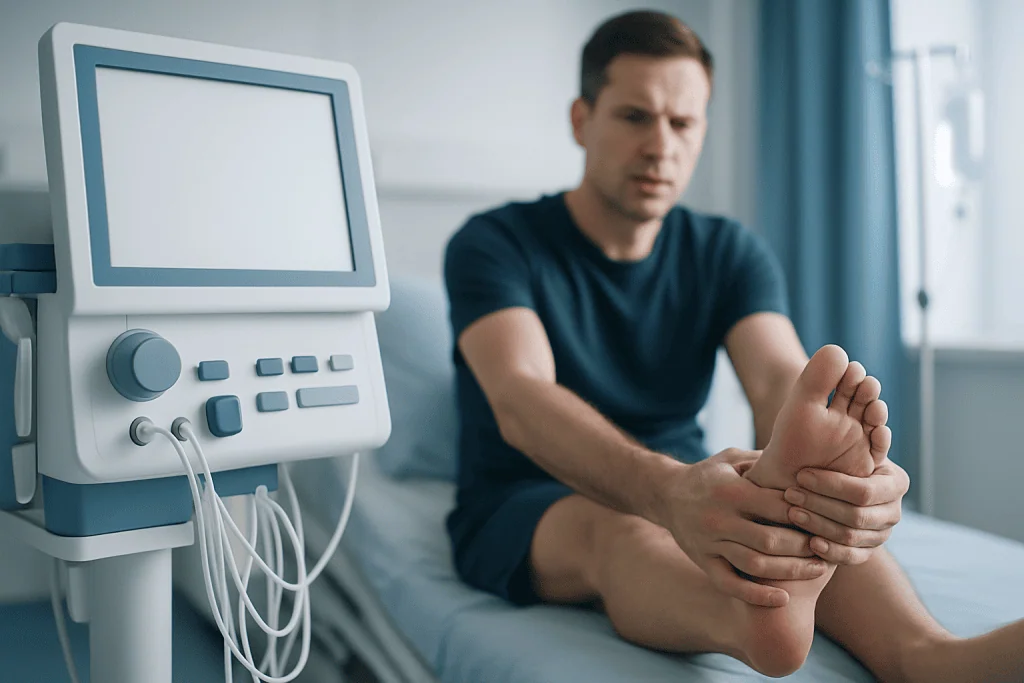
Foot and toe cramps are usually easy to recognize because they come on suddenly and feel intense. The affected muscles may become hard, tight, or visibly contracted. Some people see one or more toes bend downward or spread apart involuntarily, and straightening them can briefly worsen the pain before relief begins.
Symptoms vary from person to person. For some, there is a sharp, short-lived spasm after exercise. Others feel aching, stiffness, or lingering soreness for minutes to hours afterward. Night cramps may wake a person from sleep and leave the foot feeling tired or tender the next morning.
It can help to notice associated symptoms, because they sometimes point toward a broader issue. Examples include numbness, tingling, burning, cold feet, swelling, or color changes in the toes. Symptoms like these do not always mean something serious, but they can suggest nerve or blood vessel involvement rather than simple muscle fatigue.
- Sudden pain in the toes, arch, or sole
- Visible curling or tightening of the toes
- Temporary difficulty moving the foot normally
- Residual soreness after the cramp ends
- Episodes that happen during exercise, rest, or sleep
Common causes and risk factors

The most common causes of cramps in feet fingers are muscle overuse, dehydration, and footwear issues. Muscles in the foot work constantly to support standing, walking, and balance. After prolonged activity, exercise, or standing on hard surfaces, these muscles can become fatigued and more likely to spasm. Tight or unsupportive shoes may also force the toes into positions that trigger cramping.
Fluid and mineral balance matters as well. When the body loses water through sweating, illness, or not drinking enough, muscle function can be affected. Electrolytes such as potassium, magnesium, calcium, and sodium help muscles contract and relax normally. A true deficiency is not always the cause, but changes in hydration and electrolyte status can make cramps more likely, especially in hot weather or after intense activity.
Some medical conditions increase the chance of recurring cramps. Diabetes, thyroid disorders, kidney disease, pregnancy, and problems affecting circulation or nerves can all contribute. Nerve irritation from the lower back or from foot-specific problems may also be involved. In some cases, toe cramping occurs alongside symptoms seen in peripheral neuropathy, where tingling, burning, or reduced sensation may also be present.
Medications can play a role too. Diuretics, some cholesterol-lowering medicines, and other drugs may contribute to cramps in certain people, especially if they affect fluid balance or muscle function. Age, reduced flexibility, low activity levels, and previous foot injuries are additional risk factors. Because the causes are varied, persistent symptoms are best assessed in the context of the person’s overall health.
How doctors evaluate recurring foot and toe cramps
Diagnosis begins with a careful history. A doctor will usually ask when the cramps happen, how long they last, whether one or both feet are involved, and what seems to trigger them. Questions about exercise habits, shoe type, hydration, sleep, medications, and other symptoms often provide important clues. This detailed history is often more useful than any single test.
The physical examination may include checking the feet, toes, pulses, skin temperature, sensation, reflexes, and muscle strength. A clinician may look for signs of structural foot strain, tenderness, swelling, deformity, or reduced blood flow. If symptoms suggest a nerve or spine-related cause, a broader neurological or musculoskeletal assessment may be needed.
Tests are not required for every patient with occasional cramping. However, if cramps are frequent, severe, or accompanied by numbness, weakness, swelling, or other concerning features, blood tests may be ordered to check electrolytes, kidney function, blood sugar, or thyroid function. In selected cases, imaging or nerve studies can help if there is concern about structural problems or nerve compression.
When a vascular cause is suspected, doctors may assess circulation more closely. This is especially relevant if the foot is unusually cold, painful with walking, or shows color changes. If specialist input is needed, evaluation may involve services related to vascular surgery or neurological care, depending on the likely source of symptoms.
Treatment options and what usually helps
Treatment depends on the cause, but simple measures often work well for occasional cramps. During an episode, gently straightening the toes, stretching the foot, and massaging the cramped muscle can help it relax. Standing carefully and placing weight on the foot may relieve some cramps, while others respond better to sitting down and pulling the toes upward. Warmth, such as a warm towel or bath, can also ease tight muscles.
For repeated cramps linked to activity or foot strain, doctors often recommend practical changes first. These may include better-fitting shoes, arch support, gradual exercise progression, and regular calf and foot stretching. Patients who spend long hours standing may benefit from cushioning insoles and short movement breaks during the day. If a medication side effect is suspected, a doctor may review alternatives rather than stopping treatment without guidance.
When cramps are related to an underlying condition, treating that condition is the most effective approach. This may mean optimizing blood sugar control, correcting thyroid or electrolyte abnormalities, or addressing nerve compression and circulation problems. In patients with significant nerve-related symptoms, a specialist may consider further testing and treatments relevant to neurology care.
If foot mechanics are contributing, rehabilitation can be helpful. Strengthening and flexibility exercises, posture training, and gait advice may reduce the strain that triggers spasms. In some cases, patients benefit from physical therapy and rehabilitation to improve muscle balance and reduce recurrence. Treatment is usually most successful when it addresses both the immediate cramp and the reason it keeps happening.
Prevention and self-care at home
Preventing cramps in feet fingers often starts with small daily habits. Drinking enough fluids, especially in warm weather or during exercise, supports normal muscle function. Balanced meals also help maintain the nutrients muscles need. While many people wonder about supplements, these should not be started routinely without medical advice, because not every cramp is caused by a deficiency.
Stretching can be useful, particularly for people who get cramps at night or after activity. Gentle stretches for the toes, plantar fascia, and calves may reduce tension through the foot. Some people also benefit from rolling the sole over a ball or cold bottle for a few minutes after prolonged standing. Regular activity, done progressively rather than suddenly, can make muscles more resilient.
Footwear deserves attention. Shoes should allow the toes enough room to move and should support the arch without squeezing the forefoot. High heels, narrow toe boxes, and worn-out soles can all increase strain on the smaller muscles of the foot. Changing shoes for the activity and replacing them when support declines may help prevent repeat episodes.
- Stay hydrated throughout the day
- Warm up before exercise and stretch afterward
- Choose supportive shoes with adequate toe space
- Take breaks from prolonged standing or sitting
- Track patterns if cramps happen often, including time of day and triggers
When to seek medical care
Occasional foot or toe cramps are common, but medical advice is appropriate if they become frequent, severe, or disruptive. A patient should arrange an evaluation if cramps keep returning without a clear reason, interrupt sleep regularly, or interfere with walking, exercise, or daily activities. Persistent cramps in only one foot can also be worth checking, especially if there is no obvious trigger.
Prompt medical care is more important if cramping is accompanied by weakness, numbness, tingling, swelling, skin color changes, or a foot that feels unusually cold. These features can suggest a problem beyond simple muscle fatigue, such as nerve involvement, reduced circulation, or inflammation. Sudden severe pain with swelling or redness should also be assessed rather than treated as a routine cramp.
People with diabetes, kidney disease, thyroid disorders, or known circulation problems should mention recurrent cramps to their doctor even if the symptoms seem minor. In these settings, cramps can sometimes be an early clue that control or treatment needs review. Patients taking diuretics or other medicines associated with cramping should also discuss symptoms before making any medication changes.
For international patients who need further assessment, Acibadem International’s multidisciplinary specialists and JCI-accredited hospitals evaluate and treat causes of recurrent foot and toe cramps, from metabolic issues to neurological and vascular conditions. The most suitable specialist depends on the overall symptom pattern and examination findings.
Frequently asked questions
What causes cramps in feet fingers most often?
The most common causes are muscle fatigue, dehydration, prolonged standing, exercise strain, and tight or unsupportive shoes. In some people, recurring cramps are also related to nerve irritation, circulation problems, chronic medical conditions, or medication effects.
Are toe cramps a sign of low potassium or magnesium?
They can be, but not always. Electrolyte imbalance may contribute in some cases, especially after sweating, illness, or poor fluid intake, but many people with toe cramps have other triggers such as overuse or footwear issues. A doctor can decide whether testing is necessary.
How can a person stop a foot cramp quickly?
Gentle stretching is usually the first step, such as straightening the toes or pulling them upward. Massage, walking carefully, or applying warmth may also help the muscle relax. Relief often comes within minutes, though mild soreness can remain afterward.
Why do foot cramps happen at night?
Night cramps may occur because muscles are shortened during sleep, or because of fatigue built up during the day. Dehydration, reduced flexibility, certain medicines, and underlying health conditions can also make nighttime cramps more likely.
When should recurring foot cramps be checked by a doctor?
Medical evaluation is sensible if cramps are frequent, severe, or keep coming back without a clear reason. A doctor should also assess them if there is numbness, tingling, weakness, swelling, color change, or if they disturb sleep or walking.
Can diabetes cause cramps in the toes and feet?
Yes. Diabetes can contribute indirectly through nerve damage, circulation changes, or shifts in fluid and electrolyte balance. Not every person with diabetes and cramps has a serious problem, but repeated symptoms should be discussed with a healthcare professional.
This article is for general information only and is not a substitute for professional medical advice. Please consult a qualified doctor about your individual situation.
Explore treatments in Turkey — costs, top hospitals & a free quote
JCI-accredited · board-certified surgeons · reply within 24h
Add us as a Preferred Source to see more of our trusted health content across Google Search, AI Overviews and Discover.
Check your numbers in seconds
BMI, calories, due date, blood pressure and 30+ more clinical calculators — free, instant, doctor-reviewed ranges.

More from the Health Library

Unit of Blood Is How Much: What Patients Need to Know
Condoms Measurement Chart: What Patients Need to Know

Talus: An Evidence-Based Guide for Patients

Dementia Lean: An Evidence-Based Guide for Patients

Heart Murmur What Is: An Evidence-Based Guide for Patients