Cubital Tunnel Release: An Evidence-Based Patient Guide

Cubital tunnel release aims to protect the ulnar nerve and relieve numbness, tingling, pain, and weakness affecting the ring and little fingers. Surgery may involve simple decompression, moving the nerve to a less pressured position, or less commonly removing part of the bony prominence at the elbow.
Key Takeaways
- Cubital tunnel release aims to protect the ulnar nerve and relieve numbness, tingling, pain, and weakness affecting the ring and little fingers.
- Surgery may involve simple decompression, moving the nerve to a less pressured position, or less commonly removing part of the bony prominence at the elbow.
- Earlier treatment may offer a better chance of nerve recovery when weakness or muscle wasting is present.
- Most procedures are outpatient operations, but recovery of nerve symptoms can take weeks to months.
- Postoperative activity restrictions and hand therapy recommendations are individualized by the surgical team.
Cubital tunnel release is a surgical procedure that reduces pressure on the ulnar nerve, which passes behind the inner side of the elbow. It may be recommended when non-surgical care has not controlled symptoms of cubital tunnel syndrome or when there is progressive nerve weakness or muscle loss.
Overview: What Is Cubital Tunnel Release?
Cubital tunnel release is an operation that creates more space for the ulnar nerve at the inside of the elbow. The ulnar nerve supplies sensation to the little finger and part of the ring finger, and it controls several small hand muscles that support grip and finger coordination. When the nerve is compressed or repeatedly stretched at the elbow, it can cause cubital tunnel syndrome.
The procedure is considered when symptoms continue despite practical measures such as avoiding prolonged elbow bending and leaning on the elbow, or when examination and testing suggest significant nerve involvement. The main goal is to prevent further nerve injury; relief of tingling and pain may occur sooner than recovery of strength or sensation.
Patients looking for detailed clinical discussions may encounter resources described as “cubital tunnel release NCBI” or “cubital tunnel release StatPearls.” These can be useful background resources, but a surgeon’s recommendation should be based on the individual’s symptoms, examination, nerve testing, daily activities, and overall health.
Symptoms and Who May Be a Candidate
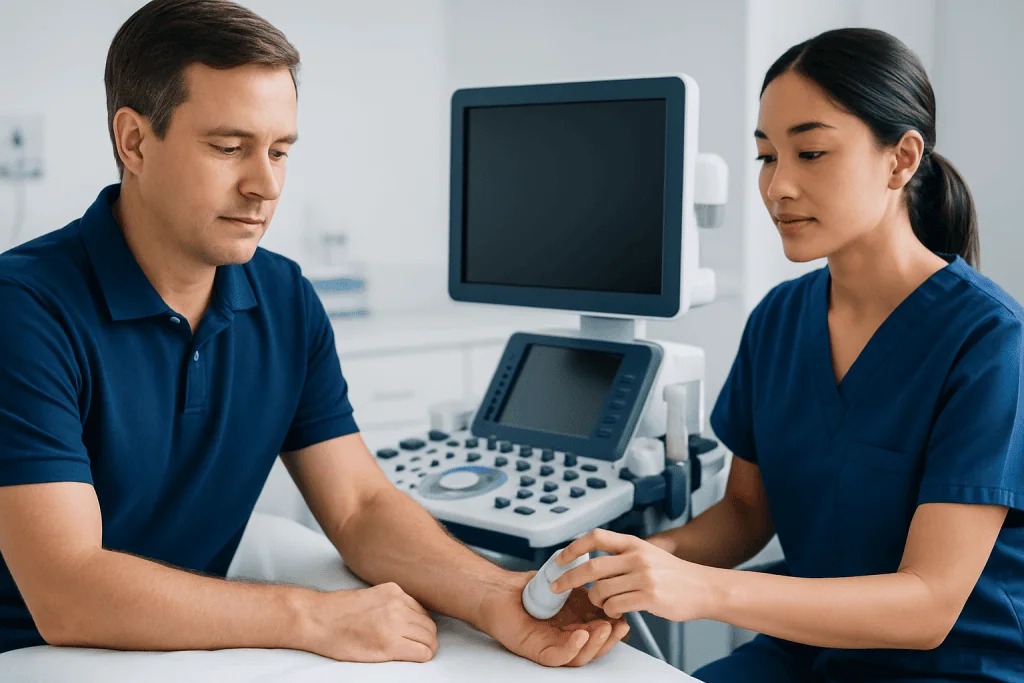
Cubital tunnel syndrome commonly causes intermittent numbness or tingling in the little finger and ring finger, especially while sleeping, using a phone, driving, or keeping the elbow bent for a long time. Some people have aching at the inner elbow or a feeling that the hand is less coordinated. Symptoms can progress gradually.
More advanced nerve compression may lead to reduced grip strength, difficulty spreading the fingers, clumsiness with fine tasks, or visible thinning of muscles in the hand. These findings deserve timely medical assessment because long-standing nerve damage may not fully reverse, even after pressure is relieved.
A person may be a candidate for cubital tunnel release if symptoms are persistent, interfere with function or sleep, do not improve with non-surgical care, or are accompanied by objective weakness, muscle wasting, or abnormal nerve-conduction findings. Surgery is not automatically needed for every case; mild and recent symptoms often improve with activity changes, positioning, and clinician-guided conservative treatment.
How the Operation Relieves Ulnar Nerve Pressure
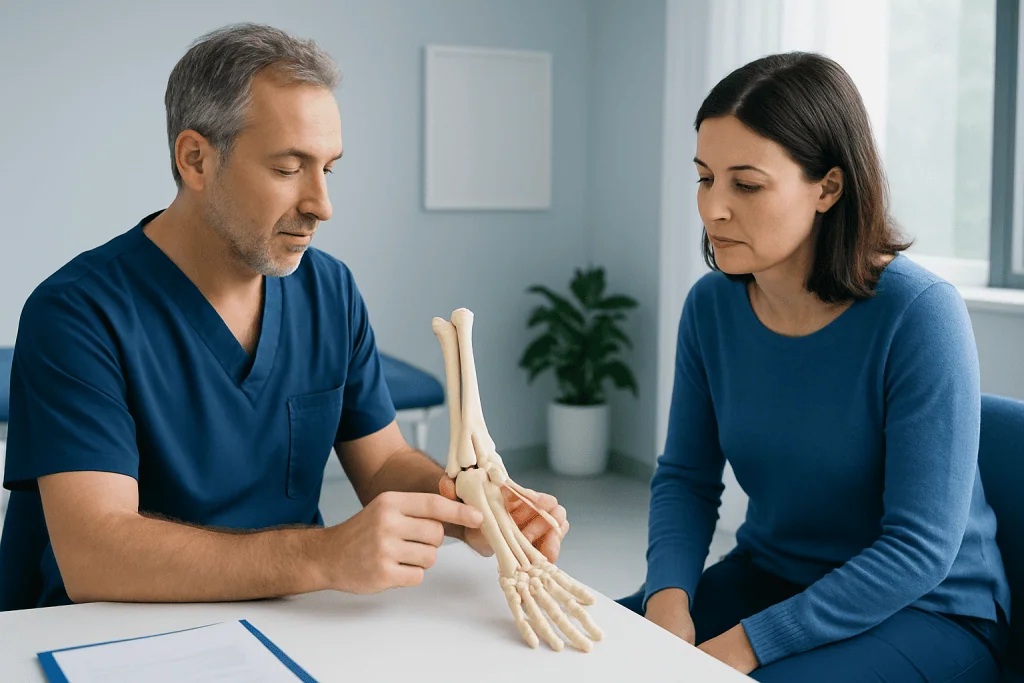
At the elbow, the ulnar nerve travels through a narrow passage called the cubital tunnel. Bending the elbow narrows this space and can stretch the nerve. Repeated pressure, local anatomy, previous injury, arthritis, or nerve instability can contribute to irritation and compression.
In a simple, or in-situ, decompression, the surgeon releases tight tissue over and around the nerve so it has more room without changing its position. This is a commonly used approach when the nerve remains stable in its normal groove as the elbow moves.
If the nerve moves out of its groove, remains under tension, or there are other anatomical concerns, the surgeon may perform an ulnar nerve transposition. The nerve is carefully moved to the front of the elbow, where it may be placed beneath the skin, within muscle, or beneath muscle tissue. A less common option is medial epicondylectomy, which removes a small portion of bone to reduce pressure. The chosen technique is individualized rather than one method being suitable for everyone.
Assessment and Step-by-Step Procedure
Before surgery, a clinician reviews the pattern and duration of symptoms, hand strength, sensation, neck and shoulder symptoms, medical history, medicines, and work or activity demands. Nerve-conduction studies and electromyography may help confirm ulnar neuropathy, estimate its severity, and identify other possible causes, such as a neck nerve problem or compression at the wrist. Imaging is sometimes used when a mass, joint problem, or prior injury is suspected.
Cubital tunnel release is usually performed as an outpatient procedure under local anesthesia with sedation, regional anesthesia, or general anesthesia, depending on the planned technique and patient needs. The surgeon makes an incision on the inner side of the elbow, identifies and protects the ulnar nerve, releases structures compressing it, and checks how the nerve behaves as the elbow is moved. If needed, a transposition or another procedure is completed before the incision is closed and dressed.
The operation itself is often relatively short, but time at the facility also includes preparation, anesthesia, and monitoring after surgery. A tailored cubital tunnel release protocol covers wound care, pain control, safe movement, work restrictions, and follow-up. Patients should follow the instructions from their own surgical team, as protocols differ according to the operation and healing progress.
Benefits, Limits, and Possible Risks
The expected benefit of cubital tunnel release is reduced pressure on the ulnar nerve, with the aim of easing symptoms and preventing worsening weakness or muscle loss. Many patients experience improvement in nighttime tingling and nerve-related discomfort, but the pace and extent of recovery vary. Nerves heal slowly, and symptoms present for a long time may take months to improve.
Cubital tunnel release outcomes tend to be influenced by the severity and duration of compression, the presence of muscle wasting, diabetes or other nerve conditions, smoking status, the cause of compression, and adherence to rehabilitation advice. Surgery may stop further deterioration even when complete recovery of numbness or hand strength is not possible.
As with any operation, possible risks include bleeding, infection, wound healing problems, scar sensitivity, stiffness, persistent pain, ongoing or recurrent numbness, and injury or irritation of nearby nerves. With transposition, the ulnar nerve can occasionally remain sensitive or become unstable in its new position. Anesthesia-related risks and blood-clot risks are also considered individually. The surgeon can explain the risks most relevant to the planned technique and the person’s health.
Recovery Timeline and Rehabilitation
After surgery, the arm is usually protected with a dressing, and some patients have a splint for a short period, particularly after a transposition. Mild swelling, bruising, incision discomfort, and temporary sensitivity around the elbow are common early in recovery. Keeping the hand elevated when resting and moving the fingers as advised can help manage swelling.
Many people can use the hand for gentle daily activities soon after a simple decompression, while heavy lifting, forceful gripping, repetitive elbow bending, and contact activities are restricted for longer. Return to desk work may be possible within days to a few weeks, whereas physically demanding work can require several weeks or more. Recovery is different after transposition and should be guided by the surgeon.
Exercises may be recommended to maintain elbow, wrist, and hand mobility and later restore strength. Online searches for a “cubital tunnel release exercises PDF” may produce generic routines, but exercises should not replace individualized advice. Beginning stretches, nerve-gliding exercises, or strengthening too early can be unhelpful for some patients, so rehabilitation should follow the surgeon’s or hand therapist’s plan.
Self-Care, Follow-Up, and When to Seek Medical Care
Before surgery, symptom management may include avoiding prolonged elbow flexion, using padding when resting the elbow, adjusting workstation or driving habits, and using a nighttime positioning aid if recommended. After surgery, careful wound care, prescribed or recommended pain management, avoidance of tobacco, and attending follow-up visits support recovery. Patients should ask before restarting sports, lifting, or manual work.
Promptly contact the surgical team for fever, increasing redness or drainage from the wound, rapidly worsening pain or swelling, new weakness, a cold or discolored hand, or numbness that is suddenly worse than expected. Emergency care is appropriate for severe symptoms such as chest pain, trouble breathing, or signs of a serious allergic reaction.
Medical assessment is also appropriate before surgery when hand weakness is increasing, symptoms are persistent or waking the person from sleep, there is visible hand-muscle thinning, or numbness follows an elbow injury. Acibadem International’s multidisciplinary specialists and JCI-accredited hospitals evaluate and treat peripheral nerve conditions for international patients, with care plans coordinated around diagnosis, surgery when indicated, and rehabilitation.
Frequently asked questions
Is cubital tunnel release a major operation?
Cubital tunnel release is commonly an outpatient operation, meaning many patients go home on the same day. It is still a surgical procedure involving a nerve, so careful preparation, wound care, activity restrictions, and follow-up are important.
How long does recovery from cubital tunnel release take?
Incision healing often occurs over a few weeks, while return to heavier work or sport may take longer depending on the procedure and activity demands. Nerve-related numbness and weakness can improve gradually over several months, and recovery may be incomplete when nerve damage was severe or longstanding.
Will cubital tunnel release cure numbness in the fingers?
The procedure relieves compression and may improve tingling and numbness, but it cannot guarantee complete sensory recovery. The chance of improvement depends in part on how long the nerve has been compressed and whether there is existing nerve damage.
What is the difference between simple decompression and ulnar nerve transposition?
Simple decompression releases tight tissue around the nerve while it remains in its usual location behind the elbow. Ulnar nerve transposition moves the nerve to the front of the elbow and may be considered when the nerve is unstable, under tension, or affected by specific anatomical factors.
Will physical therapy be needed after cubital tunnel release?
Not every patient needs formal therapy, especially after an uncomplicated simple decompression. A surgeon may recommend hand therapy when there is stiffness, weakness, scar sensitivity, delayed functional recovery, or a need for structured return-to-work rehabilitation.
Can cubital tunnel syndrome return after surgery?
Persistent or recurrent symptoms can occur, although many people improve after appropriate surgery. Symptoms may reflect incomplete nerve recovery, scar tissue, recurrent compression, nerve instability, or another condition affecting the neck, shoulder, arm, or wrist, so reassessment is important.
References
- American Society for Surgery of the Hand
- American Academy of Orthopaedic Surgeons
- National Institute of Neurological Disorders and Stroke
- StatPearls Publishing
- National Center for Biotechnology Information
This article is for general information only and is not a substitute for professional medical advice. Please consult a qualified doctor about your individual situation.
Explore treatments in Turkey — costs, top hospitals & a free quote
JCI-accredited · board-certified surgeons · reply within 24h
Add us as a Preferred Source to see more of our trusted health content across Google Search, AI Overviews and Discover.