Cuckolding: What Patients Need to Know

Cuckolding is not automatically a medical or psychiatric problem when it is consensual and not distressing. Open communication, clear boundaries, and explicit consent are central to sexual safety and relationship wellbeing.
Key Takeaways
- Cuckolding is not automatically a medical or psychiatric problem when it is consensual and not distressing.
- Open communication, clear boundaries, and explicit consent are central to sexual safety and relationship wellbeing.
- Medical care may help if there are concerns about sexually transmitted infections, sexual pain, anxiety, depression, trauma, or conflict.
- A qualified clinician can assess whether symptoms reflect a sexual health issue, a mental health concern, or a relationship problem.
- Urgent help is needed if there is coercion, fear, abuse, self-harm risk, or severe emotional distress.
Cuckolding is a sexual interest or relationship dynamic in which one partner is aroused by the idea or reality of their partner having sexual contact with someone else. By itself, it is not considered a medical disorder; concern arises when it leads to distress, coercion, unsafe sex, or relationship harm.
Overview
Cuckolding is a term used to describe a consensual sexual interest, fantasy, or relationship arrangement in which one person is aroused by their partner having sexual contact with another person. For some adults, it remains a fantasy discussed privately; for others, it may become part of agreed sexual activity. In healthcare, the key question is not whether a person has this interest, but whether it is consensual, safe, and free from significant distress.
Modern medical and mental health practice generally avoids labeling consensual sexual interests as disorders unless they cause marked suffering, impair daily life, or involve non-consenting people. This means cuckolding on its own is not usually treated as a disease. However, related concerns such as jealousy, shame, compulsive sexual behavior, relationship conflict, sexually transmitted infections, or anxiety may need professional evaluation.
Patients often seek information because they feel confused about whether their thoughts are “normal,” worry that a partner may react badly, or want to understand what makes the behavior safe versus harmful. A calm, nonjudgmental approach is important. Sexual interests vary widely among adults, and healthcare professionals focus on consent, emotional wellbeing, and physical health rather than moral judgment.
How It May Affect Emotional and Relationship Health
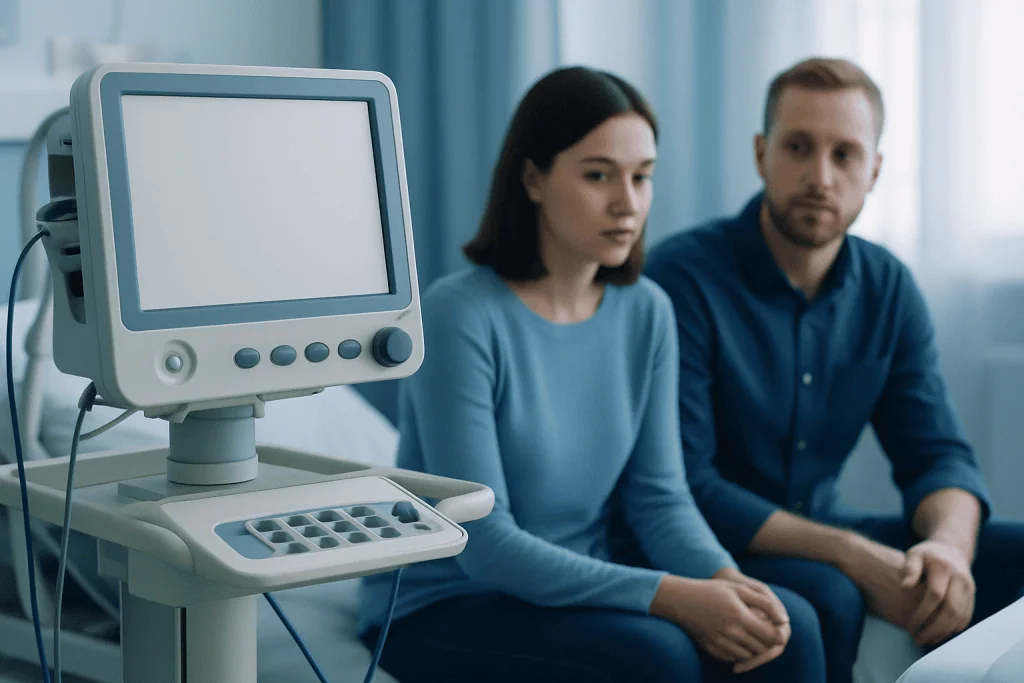
Cuckolding can affect people very differently. Some couples report that discussing fantasies helps them communicate more openly about desire, trust, and boundaries. Others find that the topic brings up difficult emotions such as insecurity, guilt, embarrassment, fear of abandonment, or conflict over what each partner wants.
These emotional reactions do not necessarily mean something is wrong. They may simply show that expectations, comfort levels, or relationship goals are not aligned. When one partner feels pressured, unheard, or afraid to say no, the situation becomes unhealthy. In contrast, when both partners freely agree and can change their minds without punishment, the risk of emotional harm is lower.
Healthcare professionals may also explore whether the interest is linked to broader concerns such as depression, anxiety, trauma history, obsessive thoughts, or compulsive sexual behaviors. Sometimes the sexual theme is not the central problem; instead, it is a sign that the person or couple would benefit from support for stress, intimacy difficulties, or communication problems. In such cases, evaluation through psychiatric care or counseling can be helpful.
When It Becomes a Health Concern

Cuckolding may become a health concern when it causes repeated distress, interferes with work or relationships, or creates unsafe situations. Examples include intense jealousy that leads to panic or depression, compulsive behavior that feels out of control, or pressure placed on a reluctant partner. A person may also need care if fantasies are tied to trauma symptoms, emotional numbness, or severe shame.
Physical health concerns are also important. If sexual activity includes additional partners, risks can include sexually transmitted infections, unplanned pregnancy, genital pain, or sexual dysfunction. A person may need medical assessment for symptoms such as burning with urination, unusual discharge, genital sores, pelvic pain, erection difficulties, or problems with orgasm. Depending on the symptoms, doctors may assess for conditions such as sexually transmitted infections or other sexual health issues.
In some situations, the most important question is safety. If a person feels coerced, threatened, unable to set limits, or at risk of violence, this is not a consensual sexual arrangement and should be treated as a serious concern. Mental health support and practical safety planning may be needed promptly.
Possible Contributing Factors
There is no single medical cause of cuckolding. Human sexuality develops through a combination of biology, psychology, personality, relationships, and life experience. For some people, the interest is part of long-standing fantasy. For others, it may be connected to themes of novelty, surrender of control, validation, voyeurism, jealousy, or excitement around taboo experiences.
Relationship context matters. Couples under stress may use sexual experimentation in different ways: sometimes to increase connection, and sometimes in hopes of solving deeper problems. It is rarely effective to use a new sexual arrangement as the main solution for unresolved betrayal, resentment, mismatched desire, or poor communication. In these settings, conflict often increases rather than improves.
Certain mental health or behavioral factors can also play a role. These may include anxiety, depression, trauma-related symptoms, compulsive pornography use, difficulty with self-esteem, or unrealistic expectations shaped by media. A careful evaluation does not assume pathology; instead, it helps identify whether there are contributing issues that should be addressed alongside sexual concerns.
How Doctors and Therapists Evaluate the Concern
Assessment usually begins with a respectful conversation. A doctor, psychiatrist, or therapist may ask what the patient wants help with: confusion about the interest itself, relationship conflict, sexual dysfunction, infection screening, or emotional distress. The clinician may ask whether the interest is consensual, whether it causes suffering, and whether there are concerns about safety, coercion, or substance use during sexual activity.
A medical review may include sexual history, current symptoms, past infections, contraception needs, and screening for pain or performance problems. If there are genital, urinary, or reproductive symptoms, an examination or laboratory tests may be advised. Men with erection or ejaculation concerns may benefit from urology evaluation, while women with pelvic pain or reproductive concerns may be referred for gynecologic care.
Mental health evaluation may cover mood, anxiety, trauma, compulsive behaviors, relationship patterns, and expectations around sex. The goal is not to judge consensual preferences, but to understand whether the person is well and functioning. If a couple seeks help together, therapy often focuses on consent, boundaries, communication, and deciding whether the behavior fits their values and relationship goals.
Treatment and Support Options
There is no medical treatment needed for cuckolding itself when it is consensual, not distressing, and not causing harm. Treatment is directed at the issues around it, if any. For example, STI testing and treatment may be needed after unprotected sex, while counseling may help if the couple struggles with jealousy, pressure, secrecy, or repeated arguments.
Psychosexual therapy or couples therapy can help partners discuss expectations clearly, identify limits, and decide whether to keep the fantasy private, modify it, or avoid acting on it. Therapy may also help patients separate fantasy from behavior and understand that they do not have to act on every sexual thought. If anxiety, depression, trauma symptoms, or compulsive sexual behavior are present, treatment may include psychotherapy and sometimes medication prescribed by a qualified clinician.
Supportive care may include education on safer sex, regular testing when appropriate, and treatment for any underlying sexual dysfunction. If there are concerns about erections, libido, or pain, doctors may evaluate for hormonal, vascular, neurologic, or psychological factors. In complex situations, a multidisciplinary team can be useful. Acibadem International’s multidisciplinary specialists and JCI-accredited hospitals diagnose and treat related sexual health, mental health, and relationship concerns for international patients.
Self-care, Communication, and Safer Sex
For adults who are exploring this topic, self-care begins with honest reflection. It may help to ask: Is this truly wanted, or is there pressure? Is it a fantasy only, or something both partners want in real life? How would each person feel if plans changed, boundaries were crossed, or one partner wanted to stop? Clear answers reduce misunderstanding.
Good communication should be specific rather than vague. Couples often benefit from discussing boundaries in advance, including what activities are allowed, what information will be shared afterward, whether substance use is off-limits, and how either partner can pause or stop the situation immediately. Consent should be ongoing and reversible at any point.
Safer sex measures are important whenever there are additional partners. These may include barrier protection, discussion of recent STI testing, contraception when pregnancy is possible, and agreements about what happens if symptoms develop after sexual contact. Personal wellbeing also matters: adequate sleep, lower alcohol or drug use, and addressing stress can improve judgment and reduce conflict.
- Use clear, enthusiastic consent from all involved adults.
- Set boundaries before any sexual activity.
- Do not use the arrangement to repair major relationship damage without professional help.
- Arrange STI screening based on risk and symptoms.
- Seek support early if jealousy, shame, or conflict becomes overwhelming.
When to Seek Medical Care
Medical care is appropriate if there are symptoms of infection, genital pain, erectile problems, orgasm difficulties, unusual bleeding, pelvic pain, or concerns about pregnancy. A doctor should also be consulted if thoughts or behaviors feel compulsive, cause distress, or interfere with daily life. Emotional symptoms such as panic, persistent sadness, insomnia, or intense jealousy may benefit from professional support.
Prompt mental health or emergency help is important if there is coercion, fear, domestic violence, sexual assault, or thoughts of self-harm. No sexual arrangement should involve pressure or danger. If a patient is unsure where to start, a primary care doctor, sexual health clinic, urologist, gynecologist, or mental health professional can guide the next steps and coordinate care when needed.
Frequently asked questions
Is cuckolding considered a mental disorder?
Not by itself. In clinical practice, a consensual sexual interest is generally not considered a disorder unless it causes significant distress, impairs functioning, or involves non-consenting people.
Can cuckolding harm a relationship?
It can, especially if there is pressure, secrecy, jealousy, or poor communication. Some couples manage the topic without harm, but others find that it exposes deeper problems that need counseling and honest discussion.
Should someone see a doctor for this?
A doctor or therapist can help if there is emotional distress, conflict, compulsive sexual behavior, or physical symptoms such as pain, discharge, sores, or erection difficulties. Medical care is also useful for STI screening and safer-sex guidance.
What if one partner wants it and the other does not?
That difference should be discussed openly and respectfully. No one should feel obligated to participate in sexual behavior they do not want, and couples therapy may help partners understand each other's needs and limits.
Can it increase the risk of sexually transmitted infections?
Yes, if sexual activity involves additional partners, STI risk can increase depending on the acts involved and whether barrier protection is used. Regular screening, condoms or other barriers, and clear agreements can reduce risk.
Is it normal to feel jealous or confused about it?
Yes. Strong emotions are common when discussing any sensitive sexual topic, and feeling uncertain does not mean a person is unhealthy. If those feelings become intense or disruptive, speaking with a mental health professional may help.
This article is for general information only and is not a substitute for professional medical advice. Please consult a qualified doctor about your individual situation.
Explore treatments in Turkey — costs, top hospitals & a free quote
JCI-accredited · board-certified surgeons · reply within 24h
Add us as a Preferred Source to see more of our trusted health content across Google Search, AI Overviews and Discover.

More from the Health Library

Burning Sensation in Leg — Explained by Medical Evidence, Not Myths

Microshading: What Patients Need to Know

Aspartame Free Gum — Explained by Medical Evidence, Not Myths

Quadriparesis: An Evidence-Based Guide for Patients

Traditional Metal Braces — Explained by Medical Evidence, Not Myths