Cystic Fibrosis Chest PT: Diagnosis, Outlook, and Modern Treatment Approaches
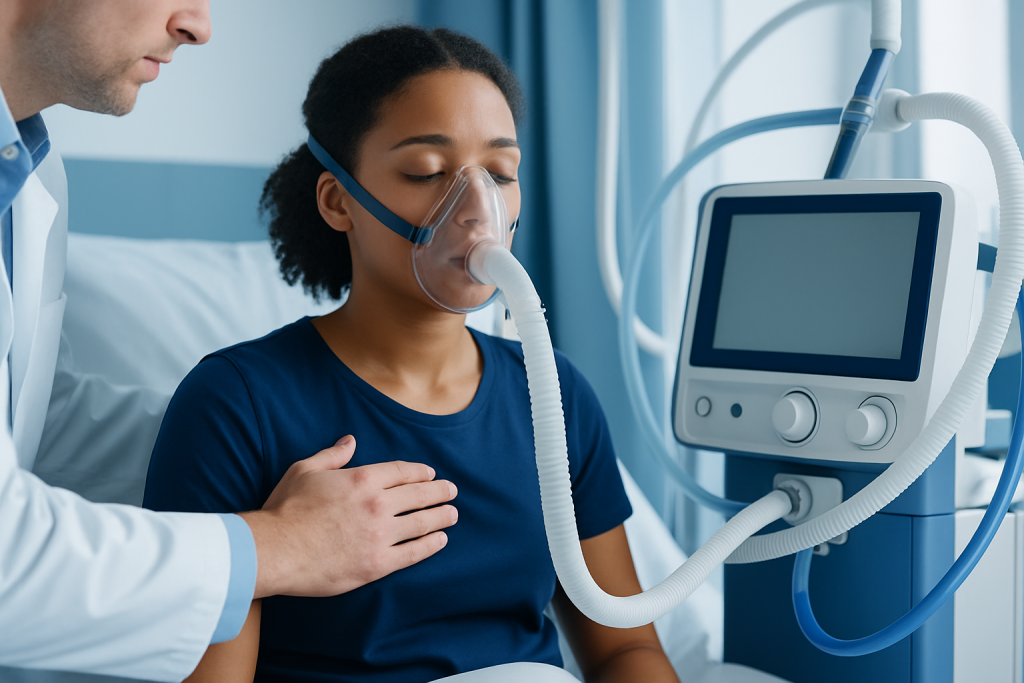
Cystic fibrosis chest PT is an airway-clearance treatment that helps move mucus out of the lungs. Chest physiotherapy does not cure cystic fibrosis, but it can reduce symptoms, support breathing, and help lower the risk of repeated chest infections.
Key Takeaways
- Cystic fibrosis chest PT is an airway-clearance treatment that helps move mucus out of the lungs.
- Chest physiotherapy does not cure cystic fibrosis, but it can reduce symptoms, support breathing, and help lower the risk of repeated chest infections.
- Diagnosis of cystic fibrosis usually involves newborn screening, sweat chloride testing, and genetic testing.
- Modern treatment often combines chest PT with inhaled medicines, antibiotics, nutrition support, and CFTR modulator therapy when appropriate.
- Regular follow-up with a specialist team can improve symptom control, growth, lung health, and quality of life.
Cystic fibrosis chest PT refers to chest physiotherapy and other airway-clearance methods used to loosen and remove thick mucus from the lungs. It is a core part of cystic fibrosis care, alongside diagnosis, medicines, exercise, nutrition support, and newer targeted therapies that can improve long-term outlook.
Overview: What cystic fibrosis chest PT means
Cystic fibrosis chest PT usually means chest physiotherapy, also called airway-clearance therapy, used to help people with cystic fibrosis move thick, sticky mucus out of the lungs. This mucus can block airways, make breathing harder, and create an environment where infections happen more easily. Chest PT is therefore a routine and important part of care rather than an emergency-only treatment.
Cystic fibrosis is an inherited condition that affects the CFTR protein, which helps control salt and water movement in the body. When the protein does not work properly, secretions in the lungs, digestive tract, and other organs become unusually thick. In the lungs, that can lead to ongoing cough, wheezing, repeated infections, and gradual damage over time if not carefully managed.
What makes chest PT especially important is that it addresses a daily problem of cystic fibrosis: mucus retention. Clearing mucus can ease symptoms, improve airflow, and help inhaled medicines work better. Depending on age, symptoms, and preference, airway clearance may involve manual percussion, breathing techniques, oscillating devices, high-frequency chest wall oscillation, or a combination of methods.
Because cystic fibrosis affects more than the lungs, treatment is usually multidisciplinary. Along with chest PT, care often includes nutrition support, pancreatic enzyme replacement, exercise guidance, infection management, and, for many patients, newer gene-targeted medicines. People seeking broader information about cystic fibrosis may benefit from a specialist assessment to tailor the best plan for daily care.
Symptoms and how mucus affects the lungs
The lung symptoms of cystic fibrosis often develop because thick mucus builds up and is hard to clear naturally. Common symptoms include a persistent cough, frequent chest congestion, wheezing, shortness of breath with activity, and repeated respiratory infections. Some people also notice fatigue, reduced exercise tolerance, or slower recovery after colds.
In infants and children, signs can sometimes be less specific at first. Parents may notice chronic cough, poor weight gain, salty-tasting skin, or repeated chest illnesses. In older children and adults, symptoms may include sinus disease, coughing up mucus, and flare-ups that require antibiotics or more intensive airway-clearance treatment.
Chest PT is aimed at the physical problem behind many of these symptoms: trapped secretions. By loosening and mobilizing mucus, airway-clearance techniques can make coughing more effective and reduce the feeling of chest tightness or heaviness. Over time, consistent airway clearance may help preserve lung function and support day-to-day activities.
Symptoms can change over time, so treatment plans are often adjusted. A person may need more frequent airway clearance during a respiratory infection, after surgery, or when symptoms temporarily worsen. Regular monitoring helps the care team decide whether current methods are working well or whether another approach may be easier or more effective.
Causes, risk factors, and who may need testing

Cystic fibrosis is caused by inherited changes in the CFTR gene. A child develops the condition when they inherit a nonworking copy of the gene from both parents. Parents who carry one altered gene usually do not have the disease themselves, but they can pass the gene on to their children.
The condition is present from birth, although symptoms and severity vary widely. Some children are identified early through newborn screening, while others may be diagnosed later because of recurrent lung problems, digestive symptoms, or poor growth. Family history can raise suspicion, but cystic fibrosis can also occur in families without a known history.
Not everyone with chronic cough has cystic fibrosis, and not everyone with cystic fibrosis has exactly the same pattern of symptoms. Genetic differences, environmental exposures, access to treatment, and the presence of certain infections can all influence how the disease behaves. This is one reason why care is highly individualized.
Testing may be considered in newborns with abnormal screening results, children with repeated chest infections or failure to thrive, and adults with unexplained bronchiectasis, chronic sinus disease, or infertility related to congenital absence of the vas deferens. Early diagnosis matters because it allows chest PT and other treatments to begin before complications become more advanced.
How cystic fibrosis is diagnosed and monitored
Diagnosis usually starts with newborn screening in countries where this is available, but screening alone does not confirm the condition. The standard confirmatory test is the sweat chloride test, which measures the amount of chloride in sweat. A higher-than-expected result, together with symptoms or a positive screening test, supports the diagnosis.
Genetic testing is also an important part of evaluation. It can identify CFTR gene variants and may help determine whether a person is eligible for certain targeted treatments. In addition, doctors may use chest imaging, sputum or throat cultures, lung function testing, and blood tests to understand how the disease is affecting the body.
Monitoring continues after diagnosis because cystic fibrosis changes over time. Lung function tests help track breathing capacity, while cultures identify bacteria or fungi that may need treatment. Growth, weight, vitamin levels, pancreatic function, and complications such as diabetes or liver involvement may also be reviewed regularly.
Imaging may be useful when symptoms change or when the team needs a closer look at the lungs and airways. In some situations, advanced evaluation can help detect structural changes such as bronchiectasis or ongoing infection. When a fuller assessment is needed, tests related to bronchoscopy or chest diseases diagnosis and treatment may be part of the specialist work-up.
Modern treatment approaches, including chest PT
Chest PT remains one of the foundations of cystic fibrosis management. Techniques may include manual chest percussion and postural drainage, active cycle of breathing techniques, autogenic drainage, positive expiratory pressure devices, and high-frequency chest wall oscillation vests. The best method depends on age, comfort, independence, lifestyle, and how much mucus is present.
Airway-clearance therapy is often combined with inhaled treatments. These may include bronchodilators, medicines that thin or hydrate mucus, and inhaled antibiotics in selected patients. Clearing mucus before or after inhaled therapy can improve how well medicines reach the lungs, so timing is often planned carefully with the care team.
Another major advance is CFTR modulator therapy for people with specific genetic variants. These medicines target the underlying protein problem rather than only treating symptoms, and they have changed the outlook for many patients. Even when modulators are effective, chest PT may still remain important, especially for people with established lung disease or persistent mucus production.
Comprehensive care also addresses digestion and overall health. Many people need pancreatic enzyme replacement, high-calorie nutrition plans, vitamin supplementation, exercise programs, and treatment of infections when they occur. In more advanced cases, specialist respiratory support and evaluation by lung transplant teams may be considered. Depending on symptoms, associated airway conditions such as bronchiectasis may also need specific management.
Outlook, daily self-care, and living well with cystic fibrosis
The outlook for cystic fibrosis has improved significantly over recent decades because of earlier diagnosis, better infection control, improved nutrition, and targeted treatments. While cystic fibrosis is still a lifelong condition, many people now live longer and fuller lives than in the past. Individual outlook varies according to genetic factors, lung involvement, access to specialized care, and how consistently treatment plans can be followed.
Daily self-care is central to long-term health. Most patients benefit from a regular airway-clearance schedule, staying active, taking prescribed medicines as directed, maintaining good hydration, and following a nutrition plan designed for cystic fibrosis. Exercise is often encouraged because it can help mucus clearance, support fitness, and improve overall well-being.
Preventing infections is another key part of self-care. Hand hygiene, recommended vaccinations, avoiding tobacco smoke, and discussing safe social practices with the care team can all help reduce risk. It is also useful to recognize early signs of a flare-up, such as increased cough, thicker sputum, lower energy, fever, or reduced appetite.
Emotional support matters as well. Living with a complex chronic condition can be tiring for patients and families, especially when treatments are time-consuming. Support from respiratory therapists, dietitians, psychologists, nurses, and social workers can help make daily care more manageable and sustainable.
When to seek medical care
Medical advice should be sought promptly if breathing becomes more difficult than usual, chest pain develops, fever appears, or cough and sputum suddenly worsen. New wheezing, coughing up blood, blue discoloration of the lips, marked fatigue, or trouble keeping up with daily activities also deserve timely medical attention. In infants, poor feeding, fewer wet diapers, or unusual sleepiness should not be ignored.
Routine specialist follow-up is important even when symptoms seem stable. Regular visits help track lung function, review airway-clearance technique, adjust medicines, and detect problems early. Many patients benefit from learning exactly when to increase chest PT during illness and when to contact their care team for advice.
If there are signs of a significant infection or a rapid decline in symptoms, urgent evaluation may be needed. Specialist centers can also help when standard airway-clearance methods are becoming difficult, burdensome, or less effective. In complex cases, multidisciplinary respiratory care may include pulmonology and respiratory medicine input to reassess the treatment plan.
For international patients who need evaluation or ongoing management, Acibadem International offers diagnosis and treatment through multidisciplinary specialists in JCI-accredited hospitals. A careful review of symptoms, testing, airway-clearance methods, and long-term follow-up needs can help create a practical care plan tailored to the individual.
Frequently asked questions
What is cystic fibrosis chest PT?
Cystic fibrosis chest PT means chest physiotherapy or airway-clearance therapy used to loosen and remove thick mucus from the lungs. It is a routine part of treatment that helps support breathing and reduce the chance of repeated infections.
Does chest PT cure cystic fibrosis?
No, chest PT does not cure cystic fibrosis. It helps manage lung symptoms by improving mucus clearance, and it is usually combined with other treatments such as inhaled medicines, nutrition support, and targeted therapies when appropriate.
How often is chest physiotherapy done in cystic fibrosis?
The schedule varies from person to person and depends on age, symptoms, infection status, and the treatment plan set by the care team. Some people do airway clearance daily, while others need more frequent sessions during flare-ups or respiratory infections.
How is cystic fibrosis diagnosed?
Diagnosis often begins with newborn screening and is usually confirmed with a sweat chloride test. Doctors may also use genetic testing, lung function tests, imaging, and cultures to understand the condition and guide treatment.
What other treatments are used with cystic fibrosis chest PT?
Treatment often includes inhaled mucus-thinning medicines, bronchodilators, antibiotics when needed, nutrition support, pancreatic enzymes, and exercise. Some patients may also be eligible for CFTR modulator medicines that target the underlying protein problem.
Can adults have cystic fibrosis even if they were not diagnosed as children?
Yes, some people are diagnosed later in life, especially if symptoms were mild or atypical in childhood. Adults may be evaluated because of chronic cough, repeated chest infections, bronchiectasis, sinus disease, or certain fertility problems.
References
- Cystic Fibrosis Foundation
- National Heart, Lung, and Blood Institute
- National Institute of Diabetes and Digestive and Kidney Diseases
- American Lung Association
- MedlinePlus
This article is for general information only and is not a substitute for professional medical advice. Please consult a qualified doctor about your individual situation.
Cystic Fibrosis in Turkey — costs, top hospitals & a free quote
JCI-accredited · board-certified surgeons · reply within 24h
Add us as a Preferred Source to see more of our trusted health content across Google Search, AI Overviews and Discover.