Deep Brain Stimulation Recovery: What Happens in the First Weeks After Surgery?

The first weeks after DBS surgery focus on healing, monitoring symptoms, and preparing for device programming. Mild pain, swelling, fatigue, and temporary changes in symptoms can be normal early in recovery.
Key Takeaways
- The first weeks after DBS surgery focus on healing, monitoring symptoms, and preparing for device programming.
- Mild pain, swelling, fatigue, and temporary changes in symptoms can be normal early in recovery.
- The stimulator is often programmed after initial healing, so full benefit is not always immediate.
- Patients should follow wound-care, activity, and medication instructions closely.
- Urgent medical advice is needed for fever, worsening confusion, severe headache, or signs of infection.
Deep brain stimulation recovery in the first weeks after surgery is usually a gradual process that includes rest, incision care, follow-up visits, and later device programming. Most people improve step by step, but recovery can vary depending on the condition being treated, the type of procedure, and overall health.
Overview: what recovery is like after deep brain stimulation
Deep brain stimulation recovery usually happens in stages rather than all at once. DBS surgery involves placing thin electrodes in specific brain areas and connecting them to a pulse generator, often placed under the skin near the chest. In the first days and weeks, the main goals are healing, managing discomfort, watching for complications, and preparing for follow-up programming of the device.
Many patients and families expect immediate improvement, but it is helpful to know that the full effect of DBS often takes time. The surgery itself is only one part of treatment. Doctors usually adjust the stimulator settings over several visits, and medications may also need to be reviewed. Because of this, recovery includes both physical healing and careful fine-tuning of symptoms.
The exact timeline depends on why DBS was performed. It is commonly used for movement conditions such as Parkinson’s disease, essential tremor, and dystonia, and sometimes for other neurological conditions in carefully selected patients. Age, general health, surgical technique, and whether the procedure was done in one or more stages can all affect how recovery feels in the first few weeks.
What to expect in the first days and weeks
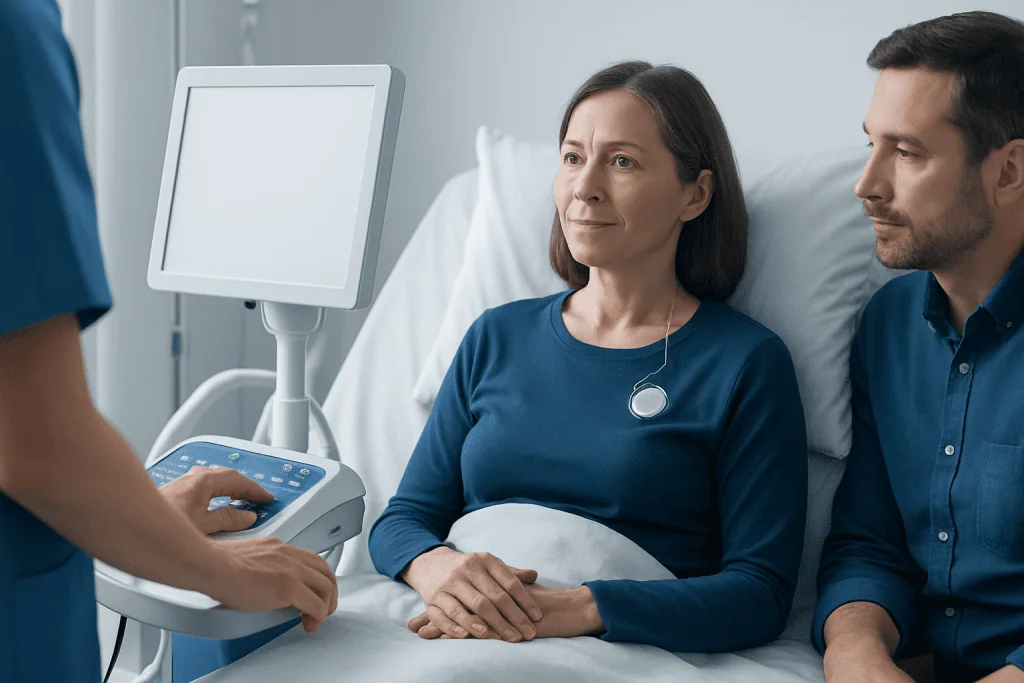
In the first few days after surgery, patients may notice tiredness, scalp tenderness, mild headache, swelling, bruising, or discomfort around the chest incision if a pulse generator was implanted. These symptoms are often temporary and gradually improve. Some people also feel emotionally drained or need more sleep than usual, which can be part of normal recovery after anesthesia and surgery.
During the first one to two weeks, the body mainly focuses on wound healing. Incisions on the scalp and chest may feel sore, itchy, or tight as they heal. Patients are commonly advised to keep the area clean and dry, avoid rubbing or scratching the incisions, and follow the surgeon’s instructions about showering, dressing changes, and hair care.
Symptoms related to the underlying condition can fluctuate during this time. Some people notice a short-term change even before the stimulator is activated, sometimes called a temporary surgical effect. Others may feel no clear change at all until formal programming begins. This variation is common and does not necessarily mean the treatment will or will not work.
By the second to fourth week, many people begin to feel more comfortable moving around and resuming light daily activities. However, lifting, strenuous exercise, and sudden neck or upper body strain may still be restricted. The care team usually explains when it is safe to return to work, travel, and exercise based on the person’s progress.
Common symptoms during recovery and what is usually normal

Several early symptoms can be expected after DBS surgery and are often part of normal healing. These may include mild to moderate pain at the incision sites, bruising, temporary swelling around the scalp or face, a feeling of tightness under the skin, fatigue, and occasional mild headache. If symptoms slowly improve, this is generally reassuring.
Some patients also notice temporary changes in balance, speech, mood, sleep, or concentration. These changes can have more than one cause, including the surgery itself, medication timing, stress, poor sleep, or adjustment to the recovery process. It is important to report them at follow-up visits, especially if they are worsening or interfere with daily life.
The skin over the implanted hardware can feel tender or unfamiliar at first. Many people become more comfortable with this sensation over time. Visible swelling usually settles gradually, and the small scars often become less noticeable as healing continues.
Even when symptoms seem expected, patients should not guess. The surgical team should be contacted if there is uncertainty about whether a symptom is normal. Clear communication helps clinicians identify problems early and can make recovery feel safer and more manageable.
Follow-up visits, device activation, and programming
One of the most important parts of deep brain stimulation recovery happens after the operation: follow-up care. Patients usually return for wound checks, stitch or staple review if needed, assessment of neurological symptoms, and planning for activation of the device. In many cases, programming begins after the initial surgical swelling has settled, although timing can vary between centers and individual cases.
Programming is the process of adjusting the stimulator settings so treatment is tailored to the patient’s symptoms. This is usually done gradually. Doctors or specialized clinicians test different settings while monitoring benefits and side effects. It may take several visits before the best balance is found, especially in complex movement disorders.
Medication changes may also be part of this phase. Some patients continue the same medicines for a time, while others need adjustments as stimulation begins to work. Any medication change should be done only under medical guidance. Stopping or reducing medicines too quickly can lead to symptom worsening or other problems.
Patients who are learning about deep brain stimulation treatment often find it helpful to know that recovery and optimization are closely linked. The procedure creates the possibility for symptom control, but the best results usually depend on skilled programming, follow-up, and long-term care.
Self-care at home: activity, wound care, and daily routine
At home, recovery is usually supported by a simple routine: rest, light movement, hydration, good nutrition, and careful wound care. Patients are often encouraged to walk gently and regularly, as tolerated, to reduce stiffness and rebuild energy. At the same time, they should avoid heavy lifting, vigorous exercise, and any activity that could strain the incision areas until the medical team says it is safe.
Sleep can be disrupted in the first days after surgery, so a calm environment and regular sleep schedule may help. Taking medicines exactly as prescribed is important. Patients should not alter DBS settings, if a patient controller is provided, unless they have been clearly instructed on how and when to use it.
Basic wound care instructions differ by hospital, but common advice includes keeping incisions clean, avoiding soaking in baths or pools until healing is complete, and watching for redness, drainage, or opening of the wound. Hair and scalp care should follow the surgeon’s instructions, especially while the scalp incision is still fresh.
- Resume daily tasks gradually rather than all at once.
- Ask for help with shopping, childcare, or housework if fatigue is significant.
- Keep all follow-up appointments, even if recovery seems smooth.
- Bring a list of symptoms, medication timing, and questions to each visit.
Possible complications and warning signs
Most patients recover without serious problems, but it is still important to know the warning signs that need prompt medical attention. Like any brain or implant surgery, DBS can carry risks such as infection, bleeding, device-related problems, or unexpected neurological symptoms. Early recognition helps treatment begin quickly if needed.
Patients should contact their doctor urgently if they develop fever, increasing redness or drainage from the incision, severe or worsening headache, repeated vomiting, unusual sleepiness, new weakness, confusion, seizures, chest wound swelling, or sudden worsening of neurological symptoms. These signs do not always mean a major complication is present, but they should not be ignored.
Less urgent but still important issues include persistent pain, skin irritation over the device, trouble using the system, or side effects after activation such as tingling, muscle pulling, speech changes, or balance difficulties. These may sometimes be improved by checking the equipment or adjusting programming settings.
For patients recovering from DBS done for tremor or dystonia, it can help to remember that symptom patterns may change during healing and programming. A temporary return of symptoms does not always mean the operation has failed. Ongoing communication with the treating team is an essential part of safe care.
When to seek medical advice and longer-term outlook
Patients should seek medical advice whenever recovery does not seem to be progressing as expected. This includes wounds that do not appear to heal, symptoms that are getting worse instead of better, trouble managing medications, or concerns about mood, thinking, or movement. It is always appropriate to ask questions, even if a symptom seems minor.
Looking beyond the first few weeks, deep brain stimulation is usually a long-term treatment journey. Benefits may become clearer as the stimulator is adjusted and the care team learns how the patient responds. Some people notice improvement quickly after programming, while others need more time and several fine-tuning sessions.
Rehabilitation and supportive care can also play a role. Depending on the underlying condition, a doctor may suggest physical therapy and rehabilitation to support balance, walking, flexibility, or function in daily life. This can be especially useful when surgery reduces symptoms but the body still needs time to rebuild confidence and strength.
At the appropriate stage of care, patients may also discuss related therapies such as neurology care or other movement-disorder support. Acibadem International’s multidisciplinary specialists and JCI-accredited hospitals diagnose and treat conditions requiring DBS for international patients, with follow-up planning tailored to each case.
Frequently asked questions
How long does deep brain stimulation recovery take?
Initial recovery from the operation often takes a few weeks, but the full treatment process usually lasts longer because device programming happens gradually. Many patients need several follow-up visits before benefits are optimized.
Is it normal to feel tired after DBS surgery?
Yes. Fatigue is common in the first days and weeks after surgery because the body is healing and recovering from anesthesia, stress, and changes in routine. Rest and gentle activity usually help, but persistent or worsening exhaustion should be discussed with a doctor.
When is the DBS device turned on?
The stimulator is often activated after the surgical area has had time to heal, rather than immediately after the operation. The exact timing varies by patient and treatment center, so the care team provides a personalized plan.
Can symptoms get worse before they get better?
They can fluctuate in the early recovery period. Temporary swelling, medication adjustments, and the delay before programming can all affect symptoms, so short-term changes do not necessarily reflect the final result.
What signs of infection should patients watch for?
Important warning signs include fever, increasing redness, warmth, swelling, pain, or drainage from the scalp or chest incision. If any of these occur, the patient should contact their doctor promptly.
When can normal activities start again after DBS surgery?
Light daily activity often resumes gradually in the first weeks, but strenuous exercise, heavy lifting, and some work duties may need to wait longer. The safest timeline depends on healing, symptom control, and the surgeon’s advice.
References
- National Institute of Neurological Disorders and Stroke
- National Institute for Health and Care Excellence
- Parkinson's Foundation
- American Association of Neurological Surgeons
- MedlinePlus
This article is for general information only and is not a substitute for professional medical advice. Please consult a qualified doctor about your individual situation.
Explore treatments in Turkey — costs, top hospitals & a free quote
JCI-accredited · board-certified surgeons · reply within 24h
Add us as a Preferred Source to see more of our trusted health content across Google Search, AI Overviews and Discover.

Neurosurgery
Surgical treatment of the brain, spine and nervous system, including minimally invasive and functional procedures.
72 specialists in this unit