Deep Vein Thrombosis: Leg Clot Symptoms and Prevention

Deep vein thrombosis, or DVT, most commonly affects deep veins in the calf, thigh, or pelvis. Typical symptoms include one-sided leg swelling, pain, tenderness, warmth, and skin color changes, but some people have few or no symptoms.
Key Takeaways
- Deep vein thrombosis, or DVT, most commonly affects deep veins in the calf, thigh, or pelvis.
- Typical symptoms include one-sided leg swelling, pain, tenderness, warmth, and skin color changes, but some people have few or no symptoms.
- DVT requires medical evaluation because a clot can sometimes travel to the lungs and cause a pulmonary embolism.
- Treatment often includes anticoagulant medicines, compression, and careful follow-up; selected patients may need procedures.
- Prevention focuses on movement, hydration, managing risk factors, and following medical advice during surgery, hospitalization, pregnancy, or long travel.
Deep vein thrombosis is a blood clot that forms in a deep vein, most often in the leg, and it can be treated effectively when recognized early. Understanding leg clot symptoms, personal risk factors, and prevention steps can help patients seek care promptly and reduce future risk.
Overview
Deep vein thrombosis, often shortened to DVT, is a condition in which a blood clot forms in a deep vein. Deep veins carry blood from the muscles and tissues back toward the heart. DVT most often develops in the lower leg, thigh, or pelvis, although it can occur in other deep veins of the body.
A clot inside a deep vein can partially or completely block blood flow. This may cause swelling and discomfort in the affected limb. The main medical concern is that part of the clot can break away and travel through the bloodstream to the lungs, where it may cause a pulmonary embolism. This is why suspected DVT should be assessed by a healthcare professional without delay.
DVT is treatable, and many people recover well with appropriate care. Treatment aims to stop the clot from growing, reduce the risk of it moving to the lungs, relieve symptoms, and prevent future clots. Patients who understand their warning signs and risk factors are better prepared to seek timely help.
Leg Clot Symptoms
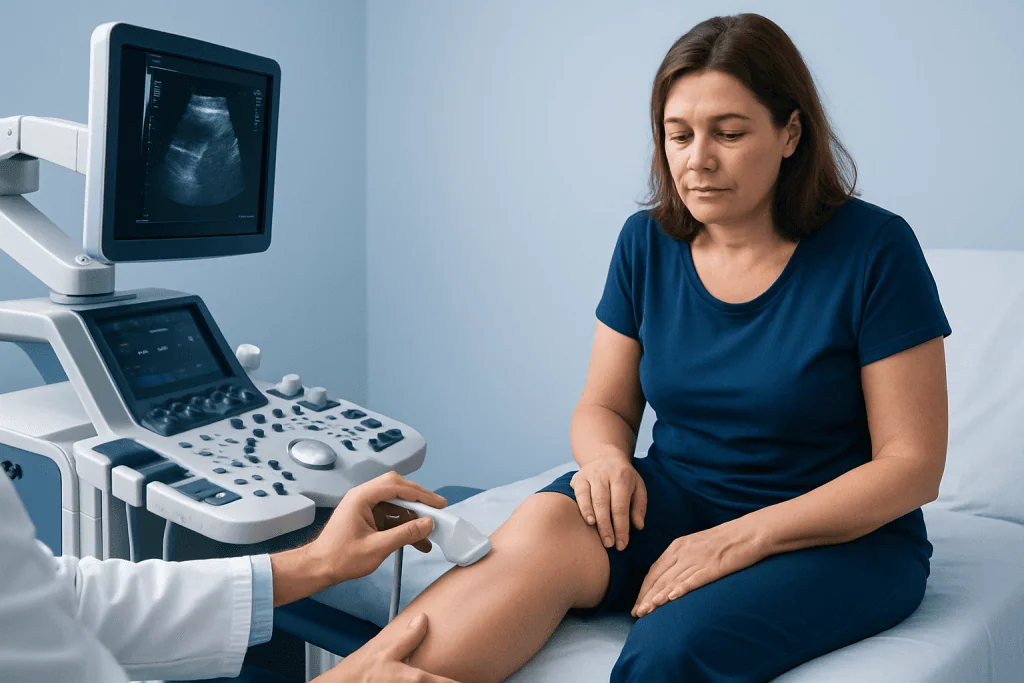
Leg clot symptoms can vary. Some people notice clear changes in one leg, while others have mild symptoms or none at all. When symptoms occur, they usually affect only one leg and may develop gradually or appear suddenly.
Common DVT symptoms include:
- Swelling in the foot, ankle, calf, or entire leg, often on one side
- Pain, cramping, or tenderness, especially in the calf or thigh
- Warmth over the affected area
- Red, bluish, or darker skin discoloration
- A feeling of heaviness, tightness, or pressure in the leg
- Visible surface veins that appear more prominent than usual
Leg pain from DVT may feel similar to a muscle strain, but it often does not improve with rest in the same way. Symptoms can also be confused with cellulitis, a ruptured Baker cyst, muscle injury, or chronic vein disease. Because symptoms overlap with other conditions, diagnosis should not be based on appearance alone.
Warning signs of a possible pulmonary embolism include sudden shortness of breath, chest pain that may worsen with deep breathing, coughing blood, rapid heartbeat, dizziness, or fainting. These symptoms require emergency medical care. A person with suspected DVT symptoms plus breathing or chest symptoms should seek urgent help immediately.
Causes and Risk Factors
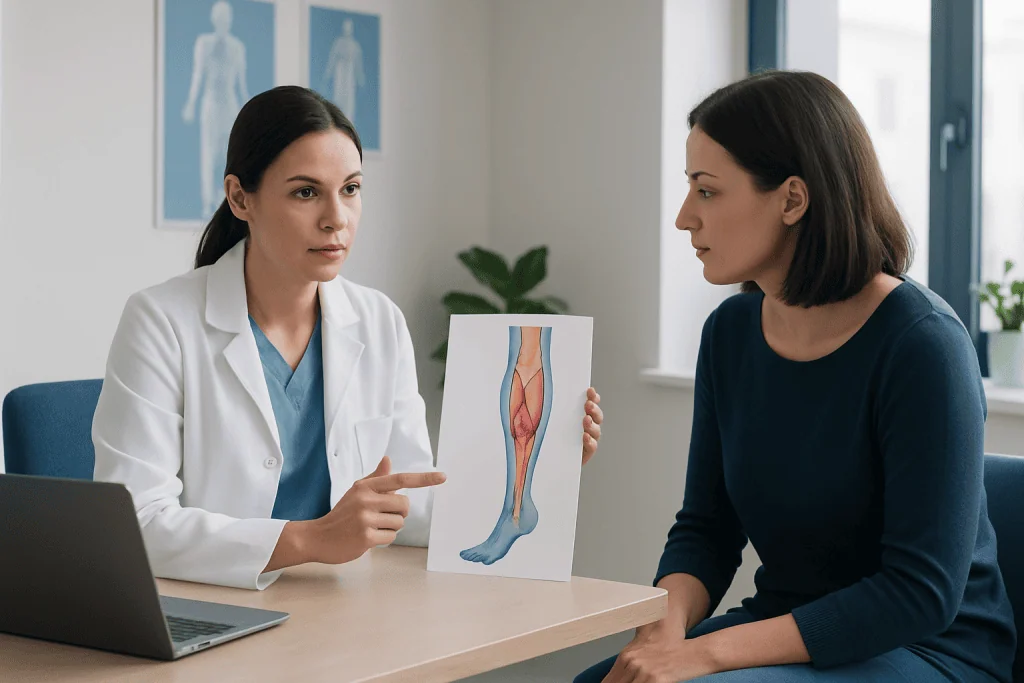
DVT forms when normal blood clotting becomes overactive inside a deep vein. Doctors often explain this through three main mechanisms: slower blood flow, injury to the vein wall, and increased tendency of the blood to clot. These factors may occur alone or together.
Reduced movement is a common contributor. Long bed rest, hospitalization, recovery after surgery, wearing a cast, paralysis, or sitting for many hours during travel can slow blood flow in the legs. Major surgery, especially orthopedic, pelvic, abdominal, or cancer surgery, can increase clotting risk because of tissue injury, inflammation, and limited mobility during recovery.
Other DVT risk factors include previous blood clots, active cancer or some cancer treatments, pregnancy and the weeks after delivery, estrogen-containing hormone therapy or contraceptives, obesity, smoking, older age, serious infection, heart failure, inflammatory diseases, and inherited clotting disorders. A family history of blood clots may also be important, particularly when clots occur at a young age or without an obvious trigger.
Not every person with a risk factor will develop DVT, and some clots occur without a clear cause. Risk is best assessed individually, especially before surgery, during hospital admission, when planning long-distance travel, or when starting hormone therapy. Patients should tell their doctor about any personal or family history of blood clots.
Diagnosis
A doctor will begin by asking about symptoms, when they started, risk factors, medicines, recent surgery or travel, pregnancy status, and any previous clots. A physical examination checks leg swelling, tenderness, skin changes, and circulation. Because symptoms alone cannot confirm or exclude DVT, tests are usually needed.
The most common diagnostic test is duplex ultrasound of the leg. This painless imaging test uses sound waves to look at blood flow and see whether a deep vein is compressed normally. It is especially useful for clots in the thigh and behind the knee, and it may be repeated if symptoms persist but the first result is unclear.
A blood test called D-dimer may be used in selected patients. D-dimer is a protein fragment that can rise when the body is breaking down clots. A normal D-dimer can help rule out DVT in low-risk situations, but an elevated result does not prove DVT because many conditions can increase it, including infection, recent surgery, pregnancy, and inflammation.
In some cases, additional imaging such as CT venography, MR venography, or other specialized tests may be recommended, particularly if a clot is suspected in the pelvis or abdomen. If pulmonary embolism is suspected, doctors may order tests such as CT pulmonary angiography, ventilation-perfusion scanning, blood tests, and heart or oxygen monitoring depending on the patient’s condition.
Treatment Options
The main treatment for deep vein thrombosis is anticoagulation, often called blood-thinning treatment. These medicines do not dissolve the clot instantly, but they help prevent it from getting larger and reduce the chance of new clots forming while the body gradually breaks down the existing clot. The choice of medicine and length of treatment depend on the clot location, cause, bleeding risk, kidney function, other medicines, and patient preferences.
Common anticoagulant options include direct oral anticoagulants, heparin-based injections, and warfarin. Each has specific instructions, possible interactions, and monitoring needs. Patients should take anticoagulants exactly as prescribed and speak with their doctor before stopping them, adding supplements, or using medicines such as nonsteroidal anti-inflammatory drugs, which may increase bleeding risk in some people.
Compression stockings may be recommended for selected patients to help with swelling and discomfort, although their role in preventing long-term symptoms is individualized. Gentle walking is often encouraged once treatment has started and the patient is stable, but activity advice should come from the treating clinician. Elevating the leg may help reduce swelling.
Procedures are not needed for most DVT cases, but they may be considered in specific situations, such as extensive clots threatening limb health, severe symptoms, or when anticoagulation cannot be used safely. Options may include catheter-directed clot removal or, rarely, placement of an inferior vena cava filter to reduce the risk of clots reaching the lungs. These decisions require specialist evaluation and a careful balance of benefits and risks.
Prevention and Self-Care
DVT prevention focuses on keeping blood moving and reducing controllable risks. During long travel, patients can stand or walk when possible, flex and extend the ankles while seated, avoid crossing the legs for long periods, and drink enough fluids. People at higher risk should ask their doctor whether compression stockings or preventive medication is appropriate before travel.
After surgery or during hospitalization, prevention is tailored to the patient’s risk level. It may include early mobilization, leg exercises, intermittent pneumatic compression devices, compression stockings, or preventive anticoagulant medicines. Patients should follow hospital instructions carefully and report new leg swelling, calf pain, chest pain, or shortness of breath.
Healthy daily habits can also reduce risk. Maintaining a healthy weight, staying physically active, stopping smoking, and managing chronic conditions such as heart disease, diabetes, or inflammatory disorders are useful steps. People using estrogen-containing contraceptives or hormone therapy should discuss clotting risk with a clinician, especially if they smoke, have migraine with aura, are older, or have a personal or family history of DVT.
Self-care is not a substitute for medical treatment once DVT is suspected. Massage of a painful swollen leg is not recommended until a clot has been ruled out, because the cause of symptoms is uncertain. Patients taking anticoagulants should learn bleeding precautions, attend follow-up appointments, and carry information about their medication in case of emergency.
When to See a Doctor
A person should contact a doctor promptly if they develop unexplained swelling, pain, warmth, or color change in one leg, especially if they have recently had surgery, been hospitalized, traveled long distances, been pregnant, started hormone therapy, or had a previous clot. Early evaluation helps confirm the cause and start appropriate treatment when needed.
Emergency care is needed for symptoms that may suggest pulmonary embolism, including sudden shortness of breath, sharp or persistent chest pain, coughing blood, fainting, or a rapid heartbeat with lightheadedness. These symptoms can have several causes, but they should be assessed urgently.
Follow-up is important after a DVT diagnosis. Doctors monitor symptom improvement, medication safety, bleeding risk, and the need for ongoing treatment. Patients should also ask when it is safe to resume exercise, fly, return to work, or undergo planned procedures.
For international patients, Acibadem International’s multidisciplinary specialists and JCI-accredited hospitals can evaluate and treat deep vein thrombosis, including diagnostic imaging, anticoagulation planning, and specialist follow-up. Care decisions should always be based on an individual medical assessment and discussion with qualified clinicians.
Frequently asked questions
What does a blood clot in the leg feel like?
A blood clot in the leg may cause swelling, pain, cramping, tenderness, warmth, or skin color changes, usually in one leg. The pain may feel like a calf strain or tightness, but it may not improve with usual rest. Because symptoms can be mild or resemble other problems, medical evaluation is the safest way to know.
Can deep vein thrombosis go away on its own?
The body can gradually break down some clots, but untreated DVT can grow or lead to pulmonary embolism. For this reason, suspected DVT should not be watched at home without medical advice. Treatment greatly reduces the risk of complications.
How is DVT diagnosed?
DVT is usually diagnosed with a combination of medical history, physical examination, and imaging. Duplex ultrasound is the most common test for a suspected leg clot. A D-dimer blood test or additional imaging may be used depending on the patient’s risk and symptoms.
How long does DVT treatment take?
Many people need anticoagulant treatment for several months, but the exact duration varies. A clot caused by temporary risk factors, such as surgery, may require a different plan than an unprovoked clot or a clot related to ongoing illness. The treating doctor will weigh the risk of another clot against bleeding risk before deciding.
Is walking safe with DVT?
Walking is often safe and helpful after treatment has started and the patient is medically stable. However, activity advice should be individualized, especially for extensive clots, severe symptoms, or other health conditions. Patients should follow their doctor’s instructions about movement and exercise.
How can DVT be prevented during long flights or car trips?
Simple prevention steps include moving the ankles regularly, standing or walking when possible, staying hydrated, and avoiding prolonged immobility. People with a history of clots, recent surgery, pregnancy, cancer, or multiple risk factors should ask a doctor about additional measures before travel. Compression stockings or preventive medicine may be appropriate for some high-risk travelers.
What symptoms suggest a clot has traveled to the lungs?
Possible pulmonary embolism symptoms include sudden shortness of breath, chest pain that worsens with deep breathing, coughing blood, fainting, or a rapid heartbeat with dizziness. These symptoms require emergency medical attention. They can have different causes, but prompt assessment is important.
This article is for general information only and is not a substitute for professional medical advice. Please consult a qualified doctor about your individual situation.
Deep Vein Thrombosis in Turkey — costs, top hospitals & a free quote
JCI-accredited · board-certified surgeons · reply within 24h
Add us as a Preferred Source to see more of our trusted health content across Google Search, AI Overviews and Discover.

Cardiology Department
Diagnosis and treatment of heart and vascular conditions, from prevention to advanced interventional procedures.
93 specialists in this unitCardiology Specialists at Acibadem





More from the Health Library

Pancreatitis: Severe Upper Abdominal Pain, Causes, and Hospital Treatment

What Is Classical Conditioning? A Simple Guide to the Psychology Concept

Type 2 Diabetes: Symptoms, Blood Sugar Tests, and Long-Term Control

Eczema: Itchy Skin, Triggers, and Flare Control

Traumatic Brain Injury: Symptoms That Can Appear Days or Weeks Later