Depakote: A Complete Medical Overview

Depakote is used for epilepsy, bipolar-related mania, and migraine prevention, but it does not treat a migraine once it starts. Common side effects can include nausea, sleepiness, tremor, and weight changes, while rare but serious risks include liver injury, pancreatitis, and blood-related problems.
Key Takeaways
- Depakote is used for epilepsy, bipolar-related mania, and migraine prevention, but it does not treat a migraine once it starts.
- Common side effects can include nausea, sleepiness, tremor, and weight changes, while rare but serious risks include liver injury, pancreatitis, and blood-related problems.
- Pregnancy safety is a major concern, especially when Depakote is used for migraine prevention, because it can harm a developing baby.
- Regular medical monitoring may include blood tests, symptom review, and medication checks to help balance benefits and risks.
- Patients should not stop Depakote suddenly unless a doctor instructs them to do so, because abrupt changes can be dangerous.
Depakote is a brand name for divalproex sodium, a prescription medicine used to treat certain seizure disorders, manic episodes in bipolar disorder, and to help prevent migraine headaches. Because it can interact with other medicines and may cause serious side effects in some people, it should be used only under a doctor’s guidance and with regular follow-up.
What Depakote Is and What It Treats
Depakote is the brand name of divalproex sodium, a medicine related to valproic acid. It affects brain signaling in ways that can help stabilize electrical activity and mood. Doctors most often prescribe it for certain types of epilepsy, for manic episodes linked to bipolar disorder, and to prevent migraine headaches in selected patients.
Although many people search for “Depakote” as a single medicine, treatment decisions depend on the exact condition being managed, a person’s age, other medications, and overall health. In seizure care, a neurologist may compare Depakote with other anti-seizure medicines based on seizure type and side effect profile. Readers looking for broader information about seizure disorders may also find epilepsy helpful.
Depakote is not a general pain reliever, and it is not intended to stop an active migraine attack once it begins. For bipolar disorder, it is usually used for mood stabilization rather than for all symptoms of depression or anxiety. Because the same medicine can be used in several different ways, clear follow-up with the prescribing doctor is important.
How Depakote Works in the Body
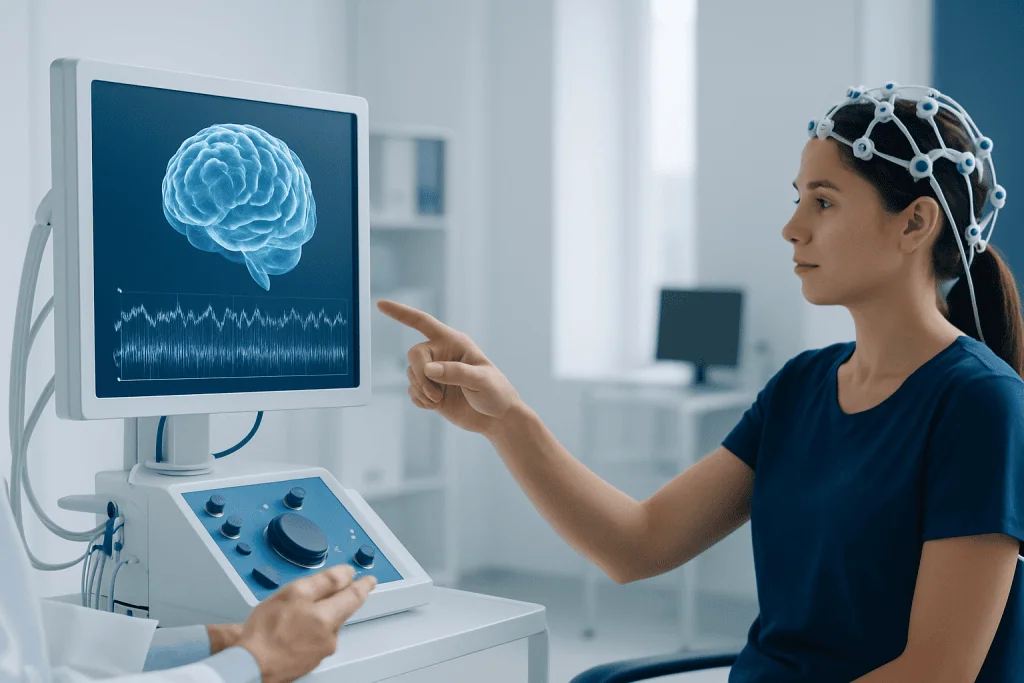
Depakote helps regulate chemical activity in the brain. While its exact actions are complex, it is known to increase the availability of gamma-aminobutyric acid, or GABA, a brain chemical that helps calm nerve activity. This can reduce abnormal electrical firing linked to seizures and may also support mood stabilization in some people with bipolar disorder.
Its effects on migraine prevention are different from simply relieving pain. Instead, Depakote may reduce the brain’s tendency to generate migraine-related changes over time, which can lower how often headaches occur. That is why a doctor may advise taking it regularly rather than only on days when symptoms appear.
Like many brain-active medicines, Depakote works best when blood levels remain steady. For this reason, doctors may recommend taking it consistently and may adjust the form or schedule based on symptom control, tolerance, and laboratory results. Some patients also need coordinated care through neurology evaluation and treatment if diagnosis or medication planning is complex.
Possible Side Effects and Important Safety Warnings

Many people tolerate Depakote reasonably well, but side effects can happen, especially when starting treatment or after a dose change. Common side effects may include nausea, stomach upset, drowsiness, dizziness, tremor, increased appetite, and weight gain. Some people notice hair thinning, trouble concentrating, or changes in energy level.
There are also important serious warnings. Depakote can, in rare cases, cause liver injury, pancreatitis, high ammonia levels, and changes in blood cell counts. These risks may be higher in certain groups, including very young children, people with underlying liver or metabolic disorders, and those taking multiple anti-seizure medicines.
Changes in mood, unusual bruising or bleeding, severe abdominal pain, persistent vomiting, marked sleepiness, confusion, or yellowing of the skin or eyes should be assessed promptly. As with other medicines used in neurology and psychiatry, any new or worsening thoughts of self-harm need urgent medical attention. A clinician may recommend blood tests during treatment to help identify problems early.
Side effects should never be ignored, but they also should not automatically lead to stopping the medicine suddenly. In some conditions, abrupt withdrawal can trigger seizures or other complications. Instead, concerns should be discussed with the prescribing doctor so that the medicine can be adjusted safely if needed.
Who Should Be Careful With Depakote
Depakote is not the right choice for everyone. It may be unsuitable for people with significant liver disease, certain inherited metabolic or mitochondrial disorders, a history of pancreatitis, or known allergy to the medicine. Doctors also use special caution in older adults and in people with kidney problems, even though the liver plays the larger role in processing the drug.
Pregnancy is one of the most important safety considerations. Valproate-containing medicines can cause serious harm to a developing baby, including birth defects and effects on brain development. Because of this, Depakote is generally avoided in pregnancy whenever possible, and it is especially concerning when used for migraine prevention.
People who could become pregnant should discuss contraception, treatment alternatives, and pregnancy planning with their doctor before starting or continuing Depakote. This does not mean every patient must stop the medicine, because in some cases seizure control is also vital for maternal health. The safest plan is individualized and ideally made before conception.
Depakote can also interact with other medicines, including some anti-seizure drugs, psychiatric medicines, aspirin-containing products, and alcohol. Patients should share a complete medication list, including supplements and over-the-counter products, so the doctor can assess for interactions and overlapping side effects such as sedation or bleeding risk.
How Doctors Monitor Depakote Treatment
Safe Depakote use usually involves more than simply receiving a prescription. Doctors often begin with a review of the diagnosis, current symptoms, past treatment response, medical history, and other medications. Depending on the reason for treatment, they may also ask patients or family members to track seizures, mood changes, or migraine frequency over time.
Blood tests are commonly used to support safe treatment. These may include liver function tests, platelet or blood count checks, and in some cases a valproate level to help understand whether the dose is in an expected range. The timing and frequency of testing vary by age, symptoms, other illnesses, and how long the person has been taking the medicine.
Follow-up visits also focus on practical questions: Is the medicine helping? Are side effects manageable? Is the patient missing doses or having trouble swallowing tablets? For neurological symptoms such as seizure episodes, headaches, or unexplained changes in consciousness, doctors may also use EEG testing or MRI imaging when clinically appropriate to clarify the diagnosis or guide care.
Treatment Planning, Daily Use, and Self-Care
Depakote should be taken exactly as prescribed. Some forms are delayed-release or extended-release, and they are not always interchangeable in the same way. Patients should not crush, split, switch, or skip doses unless their doctor or pharmacist has explained that it is safe to do so.
Good treatment planning includes knowing what the medicine is meant to accomplish. For seizure disorders, the goal may be preventing episodes and protecting daily function. For bipolar mania, the goal may be reducing agitation, impulsivity, and sleep disruption as part of a broader mental health plan. For migraine prevention, it may take time to judge whether headache frequency has meaningfully improved.
Daily self-care can support treatment success. It may help to take the medicine at the same times each day, use a pill organizer, keep follow-up appointments, and avoid alcohol if it worsens drowsiness or interacts with other medicines. Patients should also tell all healthcare professionals they are taking Depakote, especially before surgery, new prescriptions, or pregnancy-related care.
For people with more complex neurological conditions, care may involve several specialists working together. Near the end of the treatment journey, some international patients seek coordinated assessment at centers such as Acibadem International, where multidisciplinary specialists in JCI-accredited hospitals evaluate and treat neurological and related conditions.
When to Seek Medical Care
Prompt medical advice is important if Depakote seems ineffective, causes troublesome side effects, or if symptoms change unexpectedly. Patients should contact their doctor if they develop increasing sleepiness, severe tremor, persistent nausea, noticeable bruising, worsening mood symptoms, or any new neurological symptoms.
Urgent care is needed for severe abdominal pain, repeated vomiting, fainting, confusion, jaundice, signs of allergic reaction, or seizures that are new, prolonged, or different from usual. Any concerns about pregnancy while taking Depakote should be discussed as soon as possible, even if the medicine was prescribed for a long-standing condition.
People should also seek help before stopping the medicine on their own. A doctor can explain whether symptoms are likely related to Depakote, whether tests are needed, and whether a gradual switch to another treatment is safer. This kind of guided review is especially important in conditions that can overlap with migraine or psychiatric disorders, where similar symptoms may have different causes.
Frequently asked questions
What is Depakote mainly used for?
Depakote is mainly used to treat certain seizure disorders, manic episodes associated with bipolar disorder, and to prevent migraine headaches. The exact reason for prescribing it depends on the person’s diagnosis, symptoms, and medical history.
Is Depakote the same as valproic acid?
Depakote contains divalproex sodium, which is closely related to valproic acid and becomes valproate in the body. These medicines are similar but may come in different formulations, so they should not be swapped without medical guidance.
What are the most common side effects of Depakote?
Common side effects include nausea, stomach upset, sleepiness, dizziness, tremor, and weight changes. Some people may also notice hair thinning or difficulty concentrating, especially early in treatment.
Can Depakote be used during pregnancy?
Depakote raises important pregnancy safety concerns because it can harm a developing baby. Anyone who is pregnant, planning pregnancy, or could become pregnant should discuss risks and alternatives with a qualified doctor as early as possible.
Should Depakote be stopped suddenly?
Depakote should generally not be stopped suddenly unless a doctor specifically advises it. Abrupt withdrawal may increase the risk of seizures or other complications, depending on why the medicine is being used.
How long does it take for Depakote to work?
The timeline varies by condition. Some effects may begin sooner, but for migraine prevention or mood stabilization, it can take time and follow-up to judge whether the medicine is helping.
This article is for general information only and is not a substitute for professional medical advice. Please consult a qualified doctor about your individual situation.
Explore treatments in Turkey — costs, top hospitals & a free quote
JCI-accredited · board-certified surgeons · reply within 24h
Add us as a Preferred Source to see more of our trusted health content across Google Search, AI Overviews and Discover.

More from the Health Library

Bell Palsy Prednisolone: What Patients Need to Know

Lumekia: An Evidence-Based Guide for Patients

What causes conjunctivitis of the eye? A Doctor-Reviewed Answer

Tetracycline: A Complete Medical Overview

Baby Fever: A Complete Medical Overview