Depressive Episode: A Complete Medical Overview

A depressive episode involves more than temporary sadness and can affect thoughts, sleep, appetite, energy, and concentration. Symptoms may range from mild to severe and should be evaluated if they persist or interfere with work, school, or relationships.
Key Takeaways
- A depressive episode involves more than temporary sadness and can affect thoughts, sleep, appetite, energy, and concentration.
- Symptoms may range from mild to severe and should be evaluated if they persist or interfere with work, school, or relationships.
- Diagnosis is based on a clinical assessment of symptoms, duration, severity, and safety concerns.
- Treatment commonly includes psychotherapy, antidepressant medication, or both, depending on individual needs.
- Urgent medical help is needed if there are thoughts of self-harm, suicide, or inability to stay safe.
A depressive episode is a period of low mood, reduced interest or pleasure, and related emotional and physical symptoms that lasts long enough to disrupt daily life. It is a medical condition rather than a personal weakness, and effective treatment often includes psychological support, lifestyle measures, medication, or a combination of these.
What Is a Depressive Episode?
A depressive episode is a defined period of persistent low mood or loss of interest and pleasure, usually accompanied by changes in sleep, appetite, energy, concentration, and outlook. In clinical practice, the term often refers to symptoms severe enough to affect daily functioning at home, at work, at school, or in relationships. It can occur as part of major depressive disorder, bipolar disorder, or in connection with other medical or psychological conditions.
This is different from normal emotional ups and downs. Most people feel sad, discouraged, or stressed at times, especially after a disappointment or loss. A depressive episode is more intense, lasts longer, and tends to affect the whole person rather than one moment or one situation. People may find that ordinary activities feel exhausting, enjoyment fades, and even simple decisions become difficult.
A depressive episode can happen once or recur over time. Some people experience a single episode linked to a clear stressor, while others have repeated episodes with or without an obvious trigger. Because depression can overlap with anxiety, sleep problems, grief, or medical illness, a professional assessment is important to clarify the cause and guide treatment.
Common Symptoms and How They May Feel
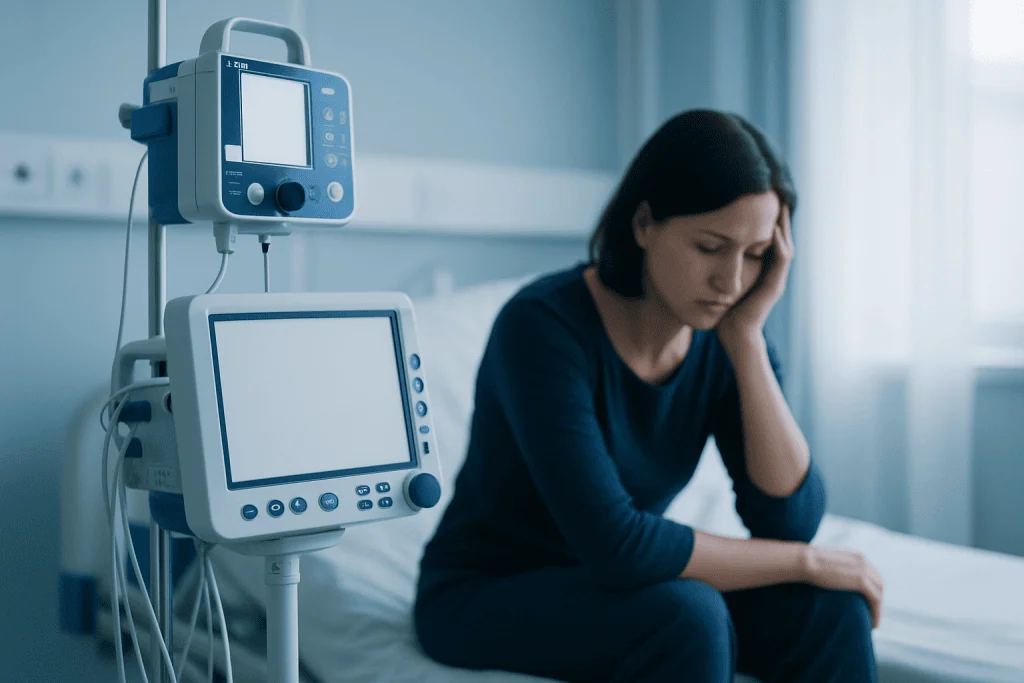
Symptoms vary from person to person, but a depressive episode usually includes either a persistently depressed mood, a marked loss of interest in usual activities, or both. Some people describe feeling empty, numb, hopeless, tearful, irritable, or emotionally slowed down. Others notice that things they once enjoyed no longer feel rewarding.
Emotional symptoms often occur together with physical and cognitive changes. These can include poor concentration, indecisiveness, low motivation, fatigue, slowed thinking, guilt, worthlessness, changes in appetite, and disturbed sleep. Sleep may decrease, with early morning waking, or increase, with prolonged time in bed but little sense of rest.
Symptoms may include:
- Persistent sadness, emptiness, or irritability
- Loss of pleasure in hobbies, work, or social life
- Low energy or unusual tiredness
- Sleeping too little or too much
- Appetite or weight changes
- Difficulty concentrating or making decisions
- Feelings of guilt, hopelessness, or worthlessness
- Restlessness or moving and speaking more slowly than usual
- Thoughts of death, self-harm, or suicide
Not everyone has every symptom. In children and adolescents, irritability may be more noticeable than sadness. In older adults, depression may appear as withdrawal, memory complaints, or loss of interest rather than openly expressed low mood. This is one reason why individualized evaluation matters.
What Causes a Depressive Episode?

A depressive episode does not have one single cause. It usually develops through a combination of biological, psychological, and social factors. Brain chemistry, genetic vulnerability, stressful experiences, personality traits, long-term medical illness, and life circumstances can all play a role. The condition should not be viewed as a lack of willpower or a character flaw.
Common triggers and risk factors include bereavement, relationship difficulties, chronic stress, trauma, social isolation, financial strain, sleep deprivation, alcohol or substance misuse, and certain medications. Family history of depression or bipolar disorder can increase risk. Medical conditions such as thyroid disease, chronic pain, neurological illness, and hormonal changes may also contribute to depressive symptoms.
Clinicians also consider whether symptoms might be part of a broader mood disorder. For example, if a person has had periods of unusually elevated mood, decreased need for sleep, impulsive behavior, or increased activity, the evaluation may explore bipolar spectrum conditions rather than unipolar depression alone. This distinction matters because treatment can differ.
Depressive episodes may also occur alongside anxiety disorders, panic symptoms, obsessive thoughts, or trauma-related symptoms. In some cases, a person may have depression together with another condition such as depression or, less commonly, mood changes that are better explained by another psychiatric or medical diagnosis. Careful assessment helps identify the most appropriate path forward.
How Doctors Diagnose a Depressive Episode
Diagnosis begins with a detailed conversation about mood, symptoms, their duration, and how they affect daily life. A doctor or mental health professional will ask about sleep, appetite, concentration, energy, work performance, relationships, and any recent stressors. They will also ask about past episodes, family history, substance use, and current medications.
To diagnose a depressive episode, clinicians look for a pattern of symptoms that has lasted long enough and is severe enough to cause meaningful distress or impairment. They also assess whether symptoms are better explained by grief alone, another mental health condition, a physical illness, or the effects of alcohol, drugs, or medication. In some situations, blood tests or other evaluations may be used to look for contributing medical causes, such as thyroid problems or vitamin deficiencies.
Safety assessment is an essential part of diagnosis. A clinician may ask directly about hopelessness, self-harm, suicidal thoughts, plans, access to means, or previous attempts. This can feel difficult, but it is a routine and important part of protecting the person’s wellbeing.
If there are features such as hallucinations, severe slowing, agitation, or episodes of unusually elevated mood, the doctor may recommend a more specialized psychiatric evaluation. Depending on the findings, the person may benefit from support through psychiatric care or coordinated care that includes psychological therapy and medical review.
Treatment Options for a Depressive Episode
Treatment depends on the severity of symptoms, the person’s age, past history, coexisting conditions, and safety needs. Mild episodes may improve with structured psychotherapy, sleep regularity, physical activity, stress reduction, and close follow-up. Moderate to severe episodes often benefit from a combination of therapy and medication, especially when symptoms significantly affect daily functioning.
Psychotherapy helps people understand thought patterns, emotional responses, and behaviors that may worsen depression. Common evidence-based approaches include cognitive behavioral therapy, interpersonal therapy, and other structured counseling methods. Therapy can also help with grief, relationship stress, trauma, and relapse prevention. When needed, patients may be referred for psychological support as part of a broader treatment plan.
Antidepressant medication may be recommended when symptoms are more persistent, severe, or recurrent, or when psychotherapy alone is not enough. The choice of medication is individualized. Doctors usually explain expected benefits, possible side effects, and the time it may take to notice improvement. Regular follow-up is important because treatment often needs adjustment over time.
Some people need a higher level of care, such as intensive outpatient support, day programs, or hospitalization, especially if there is a high risk of self-harm, psychotic symptoms, or inability to care for basic needs. If mood symptoms occur with periods of elevated energy or reduced need for sleep, clinicians may assess for bipolar disorder, since management differs from treatment of depression alone.
Self-care, Recovery, and Reducing Relapse Risk
Self-care does not replace medical treatment, but it can support recovery. Helpful measures include maintaining a regular sleep-wake schedule, eating consistently, limiting alcohol and recreational drugs, and introducing gentle physical activity when possible. During a depressive episode, even basic routines can feel demanding, so small realistic steps are usually more helpful than ambitious plans.
Social connection also matters. Staying in touch with trusted family members, friends, or support groups can reduce isolation and make it easier to notice changes in mood early. Some people find it useful to keep a simple record of sleep, mood, appetite, medications, and stress levels, which can help both the patient and clinician track recovery.
Relapse prevention often includes learning early warning signs, such as sleep changes, growing withdrawal, increased hopelessness, or loss of motivation. Continuing treatment for the full recommended period is important, even if symptoms start to improve. Stopping medication abruptly or ending therapy too soon can increase the chance of symptoms returning.
For some individuals, coexisting problems such as chronic stress, anxiety, trauma, or severe insomnia need to be addressed for recovery to be more complete. A comprehensive care plan may involve primary care physicians, psychiatrists, psychologists, and, when relevant, other specialists.
When to Seek Medical Care
Medical care should be sought if symptoms of a depressive episode last more than two weeks, keep returning, or begin to interfere with work, school, family life, sleep, eating, or self-care. Early assessment can help identify whether symptoms are due to depression, another mental health condition, a physical health problem, or a combination of factors. Prompt support often makes treatment easier and recovery steadier.
Urgent help is needed if the person has thoughts of self-harm or suicide, feels unable to stay safe, becomes disconnected from reality, or is unable to manage basic daily needs. In those situations, emergency services or immediate local crisis support should be contacted without delay. It is also important to seek medical advice if new symptoms appear after starting a medication or if there are sudden major changes in behavior or sleep.
People do not need to wait until symptoms become severe to ask for help. If low mood, emptiness, or loss of interest is persistent and concerning, speaking with a qualified doctor or mental health professional is appropriate. For international patients who need assessment and coordinated care, Acibadem International’s multidisciplinary specialists in JCI-accredited hospitals diagnose and treat mood disorders with individualized evaluation and follow-up.
Frequently asked questions
How long does a depressive episode usually last?
The length varies from person to person. Some episodes improve within weeks, while others last longer, especially without treatment. Early evaluation and appropriate care can help shorten the course and reduce the impact on daily life.
Is a depressive episode the same as feeling sad?
No. Sadness is a normal emotion that often changes with time or circumstances, while a depressive episode is more persistent and usually affects sleep, appetite, energy, concentration, and function. It is considered a medical condition when symptoms are sustained and disruptive.
Can a depressive episode happen without an obvious reason?
Yes. Although stress, loss, or trauma may trigger symptoms, some people develop a depressive episode without a clear external cause. Biological factors, family history, sleep disruption, and other health conditions can all contribute.
Do all people with a depressive episode need medication?
Not always. Some people with mild symptoms improve with psychotherapy, lifestyle support, and close monitoring. Others, especially those with moderate or severe symptoms, recurrent episodes, or major disruption in daily life, may benefit from antidepressant medication as part of treatment.
Can depression cause physical symptoms?
Yes. Depression can be associated with fatigue, body aches, changes in appetite, sleep problems, headaches, slowed movement, and reduced concentration. These physical symptoms are real and can be an important part of the illness.
When is a depressive episode an emergency?
It is an emergency if there are suicidal thoughts, self-harm behavior, inability to stay safe, severe confusion, psychotic symptoms, or inability to care for basic needs. In those situations, urgent medical or crisis support should be sought immediately.
This article is for general information only and is not a substitute for professional medical advice. Please consult a qualified doctor about your individual situation.
Explore treatments in Turkey — costs, top hospitals & a free quote
JCI-accredited · board-certified surgeons · reply within 24h
Add us as a Preferred Source to see more of our trusted health content across Google Search, AI Overviews and Discover.

More from the Health Library

Fecal Elastase: A Complete Medical Overview

Uses of Liquorice Root: A Complete Medical Overview

Mudra: An Evidence-Based Guide for Patients

Psycho Eyes: An Evidence-Based Guide for Patients

Zit clear liquid: Symptoms, Causes, and Treatment — Complete Patient Guide