Dermoid Cysts Treatment: How It Works, Results and What to Expect

Dermoid cysts are usually benign growths that contain mature tissue such as skin, hair, or fatty material. Not every dermoid cyst requires immediate surgery; monitoring may be appropriate in selected situations.
Key Takeaways
- Dermoid cysts are usually benign growths that contain mature tissue such as skin, hair, or fatty material.
- Not every dermoid cyst requires immediate surgery; monitoring may be appropriate in selected situations.
- Removal is commonly advised for symptoms, growth, uncertain diagnosis, torsion risk, rupture, infection, or pressure on nearby structures.
- For ovarian dermoid cysts, laparoscopic cyst removal can often preserve the ovary and fertility potential.
- Most people recover from minimally invasive removal within days to a few weeks, while open surgery generally needs longer healing.
- New or sudden severe pain, fever, vomiting, fainting, or rapid swelling should be assessed urgently.
Dermoid cysts treatment is most often surgical removal when a cyst is symptomatic, enlarging, uncertain on imaging, or at risk of complications. The procedure and recovery depend on where the cyst is located, with many ovarian dermoid cysts removed using minimally invasive surgery.
Overview: what dermoid cysts treatment involves
Dermoid cysts treatment depends on the cyst’s location, size, symptoms, imaging features, and the person’s age and health. Many dermoid cysts are benign and grow slowly, but they do not usually disappear on their own. When treatment is needed, complete surgical removal is the standard approach because it provides a diagnosis and reduces the chance of future local problems.
A dermoid cyst is a developmental growth that may contain mature tissues such as skin, oil glands, hair, fat, teeth-like material, or other structures. In the ovary, it is often called a mature cystic teratoma. Dermoid cysts can also occur in the skin, scalp, face, neck, spine, or other areas. The type of specialist involved may therefore include a gynecologist, pediatric surgeon, general surgeon, dermatologist, plastic surgeon, or neurosurgeon.
Management is individualized. A small cyst found incidentally may be monitored with clinical review and imaging, particularly if it has typical benign features and causes no symptoms. A clinician can explain whether observation or removal is the safer option for the individual situation.
How clinicians decide whether treatment is needed
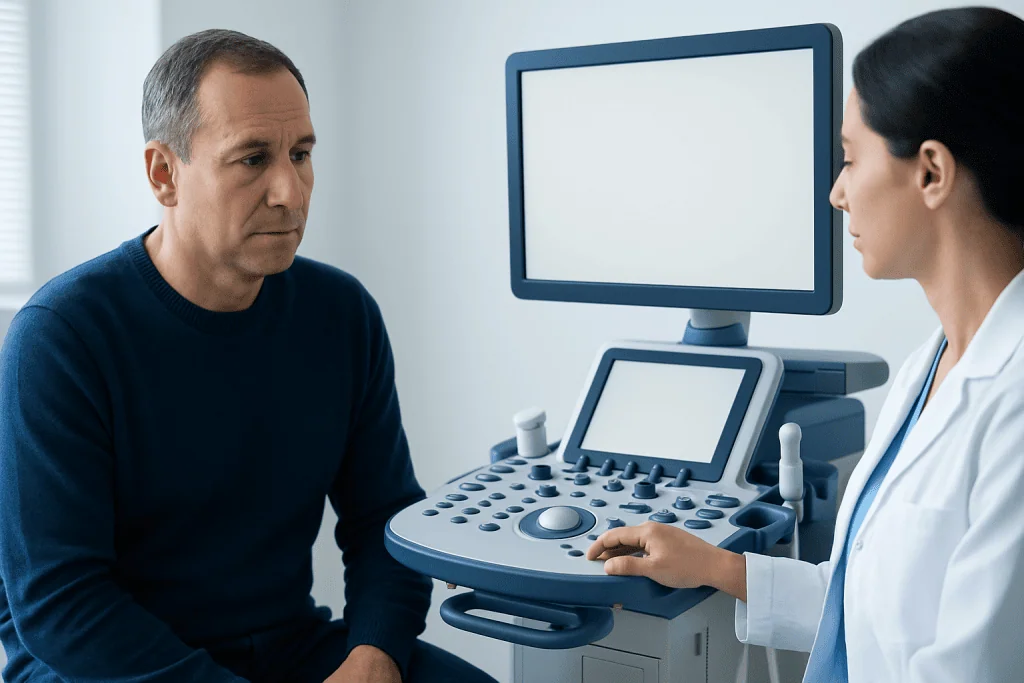
The decision to remove a dermoid cyst is not based on size alone. Clinicians consider whether it is causing pain, discomfort, visible swelling, repeated inflammation, pressure symptoms, or concerns about organ function. They also assess whether the diagnosis is clear on imaging and whether the cyst is changing over time.
For ovarian dermoid cysts, the care team considers symptoms, cyst appearance, growth, age, reproductive plans, and the possibility of ovarian twisting, called torsion. Torsion is more likely when an ovarian mass is larger, although it can occur at different sizes. In people who have not completed childbearing, surgeons generally aim to remove the cyst while preserving as much normal ovarian tissue as possible.
Assessment may include a physical examination and imaging. Ultrasound is commonly used for pelvic cysts, while ultrasound, CT, or MRI may be used depending on the body area. Blood tests are sometimes requested, particularly when an ovarian mass needs further evaluation, but no single blood test can diagnose a dermoid cyst reliably.
- Observation may suit a small, typical, symptom-free cyst in selected patients.
- Removal may be recommended for symptoms, growth, uncertain findings, cosmetic concerns, or complication risk.
- Urgent assessment is needed if symptoms suggest torsion, rupture, infection, or pressure on important structures.
How dermoid cyst removal works: procedure steps

Dermoid cyst removal is performed with an approach chosen for the cyst’s location and size. Superficial skin cysts may be removed through a small incision under local anesthesia. Deeper cysts and ovarian dermoid cysts require an operating-room procedure under general anesthesia, where the patient is asleep and monitored throughout surgery.
For many ovarian dermoid cysts, surgeons use laparoscopy, also called keyhole surgery. Small incisions are made in the abdomen, and a camera and fine instruments are inserted. The surgeon carefully separates the cyst from the ovary when possible, places it in a protective retrieval bag, and removes it through a small incision. This technique can reduce postoperative discomfort and support a faster recovery compared with a larger abdominal incision.
If a cyst is very large, difficult to remove safely with keyhole techniques, strongly adherent to nearby tissue, or suspicious for cancer, an open operation may be advised. During surgery, the team may send tissue for laboratory examination. The final pathology report confirms the cyst type and helps guide any follow-up.
Patients considering surgery for an ovarian cyst may benefit from discussing laparoscopic surgery with their gynecologic surgeon, including whether cyst removal alone is feasible or whether removal of an ovary could be necessary in uncommon circumstances.
Benefits, risks and expected results
The main benefit of dermoid cyst removal is that the lesion is treated definitively and examined under a microscope. Surgery can relieve pain, pressure, recurrent irritation, or visible bulging. For ovarian dermoid cysts, removal can also reduce the risk of torsion and may help prevent rupture or other complications associated with a growing cyst.
Most dermoid cysts are benign, and complete removal is usually effective. However, results vary with location and surgical complexity. In ovarian surgery, the priority is often to preserve ovarian tissue when appropriate, but this cannot be guaranteed in every case. A clinician can explain how the cyst’s size, location, and appearance affect the surgical plan.
All operations carry some risks. These include bleeding, infection, scarring, anesthesia-related complications, pain, blood clots, and injury to nearby structures. With ovarian cyst surgery, there may also be cyst spillage, adhesions, effects on ovarian reserve, or—rarely—the need for a more extensive procedure. The surgical team takes steps to lower these risks and will discuss informed consent before treatment.
Occasionally, dermoid cysts can recur, particularly if tissue is not completely removed or if there is a tendency to develop cysts in more than one location. Follow-up is based on the pathology findings, the procedure performed, and the person’s symptoms.
How big does a dermoid cyst need to be to be removed?
There is no universal size at which every dermoid cyst must be removed. A small dermoid cyst may need treatment if it causes symptoms, grows, becomes inflamed, affects a nearby structure, or cannot be confidently identified as benign. Conversely, a larger cyst may sometimes be monitored for a period when it has reassuring features and the individual has no symptoms.
For ovarian dermoid cysts, size is one part of the discussion because larger masses may have a higher likelihood of torsion or cause pelvic pressure. Clinicians also consider ultrasound findings, growth over time, age, pregnancy plans, menopause status, and whether pain is present. Rather than relying on a single measurement, a gynecologist uses the full clinical picture to recommend observation or surgery.
People should avoid comparing their cyst size directly with another person’s. The same measurement can have different implications depending on where the cyst is located and what structures surround it. A follow-up plan should be agreed with the treating clinician.
Can a dermoid cyst go away naturally?
Dermoid cysts generally do not go away naturally. Unlike some functional ovarian cysts that form as part of the menstrual cycle and may resolve over time, a dermoid cyst contains mature tissue and usually persists. It may remain stable for a long time or grow slowly, which is why monitoring is sometimes considered.
Observation does not mean ignoring the cyst. It involves planned reviews and, when appropriate, repeat imaging to check for changes. The clinician will advise which symptoms should prompt earlier contact, such as increasing pain, a new lump, abdominal swelling, or changes in bowel or bladder habits.
Home remedies, supplements, or attempts to drain a cyst are not proven to eliminate dermoid cysts and may delay appropriate care. A cyst should not be squeezed, punctured, or cut at home because this can lead to infection, inflammation, or scarring.
How serious is a dermoid cyst?
Most dermoid cysts are not serious and are benign. Many are discovered during an examination or scan performed for another reason. Even so, a dermoid cyst deserves medical assessment because its location and size can influence the risk of symptoms or complications.
Potential complications differ by site. Ovarian dermoid cysts can twist the ovary, causing sudden pelvic pain and requiring urgent care. They can occasionally rupture or cause inflammation. Skin and scalp dermoid cysts may become infected or enlarge gradually. Dermoid cysts near the spine, eye, or brain require specialist assessment because they may affect sensitive structures.
Malignant change in a dermoid cyst is uncommon, but clinicians remain alert to imaging features or symptoms that need further investigation. Prompt assessment and appropriate imaging help clarify the diagnosis and ensure that treatment is proportionate to the individual risk.
How long does it take to recover from a dermoid cyst removal?
Recovery after dermoid cyst removal depends on the location of the cyst, the surgical method, the size of the operation, and the person’s overall health. After a small superficial cyst is removed under local anesthesia, many people resume light activities within a few days, although the wound still needs time to heal.
After laparoscopic ovarian dermoid cyst removal, patients often go home the same day or after a short hospital stay. Light activity may be possible within several days, while a return to desk work and routine daily tasks often takes around one to two weeks. Strenuous exercise, heavy lifting, swimming, and sexual activity may need to wait until the surgeon confirms healing is adequate.
Open abdominal surgery usually requires a longer recovery, often several weeks. Follow-up appointments allow the team to check the incision, discuss pathology results, and advise on returning to work, driving, and exercise. Recovery should be guided by the surgeon’s instructions rather than a fixed timeline.
Frequently asked questions
What is the usual treatment for a dermoid cyst?
The usual definitive treatment is surgical removal when the cyst causes symptoms, grows, has uncertain features, or creates a risk of complications. Some symptom-free cysts with reassuring imaging findings can be monitored by a clinician instead of being removed immediately.
Is dermoid cyst removal a major operation?
It depends on the cyst’s location and the surgical approach. A small skin cyst may be removed with a minor procedure, while ovarian or deep cysts usually require general anesthesia. Many ovarian cysts can be treated with keyhole surgery, which is generally less invasive than open surgery.
Can a dermoid cyst affect fertility?
An ovarian dermoid cyst does not automatically cause infertility. When surgery is needed, surgeons commonly try to remove the cyst while preserving healthy ovarian tissue. The likely effect on fertility depends on factors including cyst size, involvement of one or both ovaries, and the type of surgery required.
What symptoms can suggest an ovarian dermoid cyst has twisted?
Sudden, severe pelvic or lower abdominal pain, often with nausea or vomiting, can be a sign of ovarian torsion. This needs urgent medical assessment because a twisted ovary can affect blood flow. Pain that is severe, persistent, or associated with fainting or fever should not be managed at home.
Will a dermoid cyst come back after removal?
Complete removal usually provides long-lasting treatment for an individual dermoid cyst. Recurrence can happen in some circumstances, and people with ovarian dermoid cysts may occasionally develop another cyst in the same or opposite ovary. Follow-up recommendations depend on the pathology result and the individual clinical situation.
What should a person do after dermoid cyst surgery?
They should follow the surgeon’s wound-care, activity, and pain-management instructions, attend follow-up appointments, and gradually resume activities as advised. They should contact the care team for worsening redness, drainage, fever, severe pain, persistent vomiting, heavy bleeding, or any symptom that feels concerning.
References
- American College of Obstetricians and Gynecologists
- Mayo Clinic
- Merck Manual Consumer Version
- National Health Service
- Cleveland Clinic
This article is for general information only and is not a substitute for professional medical advice. Please consult a qualified doctor about your individual situation.
Explore treatments in Turkey — costs, top hospitals & a free quote
JCI-accredited · board-certified surgeons · reply within 24h
Add us as a Preferred Source to see more of our trusted health content across Google Search, AI Overviews and Discover.

More from the Health Library



Related Specialists

Dt. Nisa Ildız Çelebioğlu
Oral & Dental Health
Dr. Meryem Samadlı
Internal Medicine
Prof. Dr. Metin Çakmakçı
General Surgery
Prof. Dr. Süleyman Cansun Demir
Gynecology & Obstetrics