Diabetes Ii Mellitus: An Evidence-Based Guide for Patients

Diabetes ii mellitus develops when the body does not respond to insulin properly and blood sugar rises over time. Symptoms may be mild at first, so routine testing is important for people with risk factors.
Key Takeaways
- Diabetes ii mellitus develops when the body does not respond to insulin properly and blood sugar rises over time.
- Symptoms may be mild at first, so routine testing is important for people with risk factors.
- Treatment usually combines nutrition, physical activity, weight management, monitoring, and medication when needed.
- Good long-term control helps protect the eyes, kidneys, nerves, heart, and blood vessels.
- Medical care is important for very high blood sugar symptoms, low blood sugar, or signs of diabetes complications.
Diabetes ii mellitus is a chronic condition in which the body becomes resistant to insulin or cannot use insulin effectively, leading to higher-than-normal blood sugar levels. With timely diagnosis, healthy lifestyle changes, regular monitoring, and appropriate treatment, many people manage it well and reduce the risk of complications.
Overview
Diabetes ii mellitus, also called type 2 diabetes, is a common metabolic condition in which blood glucose, or blood sugar, stays too high. This happens mainly because the body becomes resistant to insulin, the hormone that helps glucose move from the bloodstream into cells for energy. Over time, the pancreas may also struggle to make enough insulin to keep blood sugar in a healthy range.
Many people live with diabetes ii mellitus for years before it is diagnosed because symptoms can develop gradually or be very mild. For some, the condition is first found on a routine blood test. Early recognition matters because long-term high blood sugar can quietly affect blood vessels and organs even before a person feels unwell.
This condition is manageable. Care usually focuses on improving blood sugar control, lowering cardiovascular risk, and preventing complications. A personalized plan may include healthy eating, regular movement, weight management, sleep support, stress reduction, and medication. Related metabolic conditions, such as obesity, high blood pressure, and abnormal cholesterol, are often addressed at the same time.
Symptoms and early signs
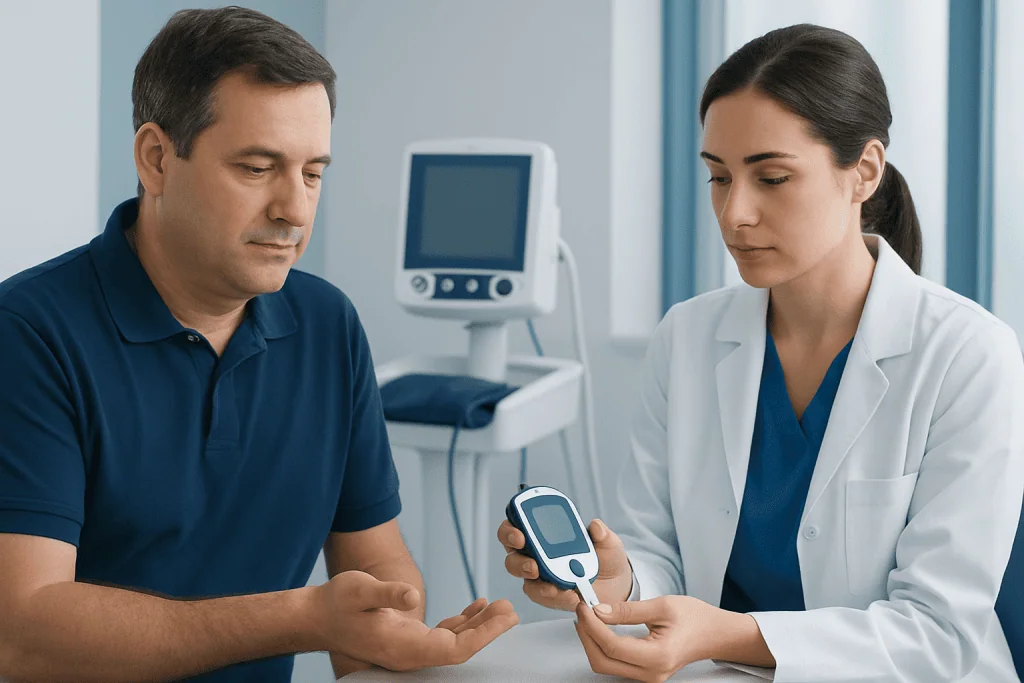
The symptoms of diabetes ii mellitus often start slowly. Common early signs include increased thirst, frequent urination, fatigue, blurred vision, and feeling more hungry than usual. Some people also notice slow-healing cuts, recurring skin or urinary infections, or tingling and numbness in the hands or feet.
Not everyone has clear symptoms. In many cases, blood sugar is elevated for a long time before diabetes is recognized. This is one reason screening is important, especially for adults with excess weight, a family history of diabetes, high blood pressure, gestational diabetes in the past, or a sedentary lifestyle.
If blood sugar rises significantly, symptoms may become more noticeable. A person may lose weight without trying, feel unusually weak, or have worsening blurry vision. Severe drowsiness, confusion, vomiting, dehydration, or difficulty breathing need prompt medical attention, as they can signal a serious metabolic problem.
- Increased thirst and urination
- Fatigue or low energy
- Blurred vision
- Slow healing of cuts or sores
- Frequent infections
- Numbness or tingling in the feet or hands
Why it happens: causes and risk factors

The main biological driver of diabetes ii mellitus is insulin resistance. This means the body’s cells do not respond to insulin as effectively as they should, so the pancreas has to produce more of it. Over time, the pancreas may not be able to keep up, and blood sugar levels rise. Genetics, body fat distribution, inflammation, and changes in muscle and liver metabolism all play a role.
Several factors increase risk. Age is one, but diabetes ii mellitus can also affect younger adults and even adolescents. Family history, carrying extra body weight, especially around the abdomen, limited physical activity, poor sleep, smoking, and a history of gestational diabetes are important contributors. Some ethnic backgrounds also carry a higher risk.
Type 2 diabetes does not develop because of one single food or one isolated habit. It usually reflects a combination of inherited susceptibility and long-term lifestyle and environmental factors. Many people also pass through a stage called prediabetes, where blood sugar is higher than normal but not yet in the diabetes range. Identifying and treating this stage can help delay or prevent progression to type 2 diabetes.
How diabetes ii mellitus is diagnosed
Diagnosis is based on blood tests, not symptoms alone. Doctors typically use fasting plasma glucose, HbA1c, or an oral glucose tolerance test. HbA1c reflects the average blood sugar level over the previous two to three months, which makes it especially useful for both diagnosis and long-term follow-up.
A clinician will also ask about symptoms, family history, medications, weight changes, diet, physical activity, sleep, and cardiovascular health. Because diabetes can affect many parts of the body, the first evaluation often includes blood pressure measurement and tests for kidney function, cholesterol, and urine protein. A foot check and an eye examination may also be recommended.
Diagnosis is not just about confirming high blood sugar. It also helps guide treatment and determine whether complications are already present. In some situations, a doctor may need to distinguish diabetes ii mellitus from other forms of diabetes. For people with suspected complications, additional tests may be organized through check-up and screening programs or specialist assessments.
Treatment options and long-term management
Treatment for diabetes ii mellitus is individualized. For many people, the foundation is lifestyle change: balanced eating, regular physical activity, weight reduction if appropriate, good sleep, and smoking cessation. Even modest improvements in weight and activity can improve insulin sensitivity and blood sugar control. The goal is not perfection but sustainable habits that support long-term health.
Medication may be needed when lifestyle changes alone are not enough, or when blood sugar is high at diagnosis. Common options include oral medicines and injectable therapies that help the body use insulin better, reduce glucose production, increase insulin release in a glucose-dependent way, or support weight loss. Some people may eventually need insulin, especially if the pancreas is producing too little. A doctor chooses treatment based on blood sugar levels, weight, heart and kidney health, side effects, and personal preferences.
Ongoing monitoring is an important part of care. This can include home glucose checks for some patients, regular HbA1c testing, blood pressure control, cholesterol management, kidney monitoring, eye exams, and foot care. Because diabetes increases cardiovascular risk, treatment often extends beyond glucose control to include heart-healthy strategies. In selected people who also have severe excess weight, structured obesity surgery may be considered as part of comprehensive metabolic care.
People with diabetes also benefit from education and support. Learning how meals, activity, illness, travel, and medicines affect blood sugar can improve confidence and safety. If symptoms suggest nerve, kidney, eye, or circulation problems, doctors may involve specialists. When a broader endocrine review is needed, evaluation through endocrinology services can help coordinate care.
Complications and why good control matters
When diabetes ii mellitus remains uncontrolled for years, high blood sugar can gradually damage blood vessels and nerves. This raises the risk of heart disease, stroke, kidney disease, vision problems, and nerve damage. Problems in the feet may develop because reduced sensation and poor circulation can make small injuries harder to notice and heal.
Complications do not occur in everyone, and they are not inevitable. The risk is lower when blood sugar, blood pressure, and cholesterol are well managed. Regular screening helps detect early changes before they cause major symptoms. For example, eye examinations can identify diabetic eye disease at a stage when treatment is more effective, and urine and blood tests can show early kidney strain.
It is also important to remember that diabetes affects emotional well-being. Daily monitoring, food decisions, and medication routines can feel demanding. Support from healthcare professionals, diabetes educators, family members, and mental health services can make self-management more manageable and sustainable.
Prevention and self-care
Not every case of diabetes ii mellitus can be prevented, but many people can lower their risk or delay its onset. The strongest evidence supports regular physical activity, a balanced eating pattern rich in vegetables, whole grains, legumes, and lean protein, and maintaining a healthy weight. Reducing sugary drinks and highly processed foods may also help improve glucose control and support weight management.
For people who already have diabetes, self-care is part of treatment. Practical steps include taking medicines as prescribed, keeping follow-up appointments, checking blood sugar if advised, staying active most days of the week, and caring for the feet. Well-fitting footwear, daily inspection of the skin, and prompt attention to blisters or cuts are especially important.
Sleep and stress should not be overlooked. Poor sleep and chronic stress can make blood sugar harder to control. Building consistent routines, limiting tobacco and excess alcohol, and asking for support when needed can improve overall health. Near the end of the care pathway, some international patients choose evaluation at centers such as Acibadem International, where multidisciplinary specialists in JCI-accredited hospitals diagnose and treat diabetes-related conditions.
When to seek medical care
A doctor should assess possible diabetes if a person has ongoing thirst, frequent urination, unexplained fatigue, blurred vision, recurrent infections, numbness in the feet, or unexplained weight loss. Testing is also a good idea for people with major risk factors, even if they feel well, because diabetes can be silent in its early stages.
Urgent medical care is needed if someone with known or suspected diabetes develops severe weakness, confusion, fainting, vomiting, deep or fast breathing, signs of dehydration, chest pain, or symptoms of stroke. Immediate advice is also important for foot wounds, spreading redness, fever, or signs of very low blood sugar such as sweating, shakiness, or sudden confusion.
Regular follow-up is part of staying well with diabetes ii mellitus. A healthcare professional can review treatment, update screening tests, and help adjust the plan over time as life circumstances and health needs change.
Frequently asked questions
What is diabetes ii mellitus?
Diabetes ii mellitus is a chronic condition in which the body does not use insulin effectively and blood sugar levels become too high. Over time, the pancreas may also make less insulin than the body needs. It is the most common form of diabetes.
Can diabetes ii mellitus be reversed?
Some people can achieve remission, meaning blood sugar returns to a non-diabetes range for a period of time without certain medications. This is more likely with early treatment, significant weight loss, and sustained lifestyle changes. However, remission is not guaranteed, and ongoing follow-up is still important.
What are the first symptoms of type 2 diabetes?
Early symptoms often include increased thirst, frequent urination, tiredness, blurred vision, and slow healing of cuts. Some people also have recurrent infections or tingling in the feet. Others have no obvious symptoms and are diagnosed through routine blood tests.
How is diabetes ii mellitus diagnosed?
Doctors diagnose it with blood tests such as fasting glucose, HbA1c, or an oral glucose tolerance test. These tests show whether blood sugar is above the normal range. Diagnosis may also include checks for cholesterol, kidney health, blood pressure, and possible complications.
Do all people with type 2 diabetes need insulin?
No. Many people manage diabetes ii mellitus with lifestyle measures and non-insulin medications, especially early in the disease. Insulin may be needed if blood sugar remains high, if the pancreas makes too little insulin, or during certain illnesses or surgeries.
What foods should a person with diabetes ii mellitus avoid?
There is rarely a need to completely ban one single food, but it helps to limit sugary drinks, highly processed snacks, and large portions of refined carbohydrates. A balanced eating pattern with vegetables, whole grains, fiber, and lean protein is usually recommended. A doctor or dietitian can help tailor advice to personal preferences and medical needs.
References
- American Diabetes Association
- Centers for Disease Control and Prevention
- National Institute of Diabetes and Digestive and Kidney Diseases
- World Health Organization
- International Diabetes Federation
This article is for general information only and is not a substitute for professional medical advice. Please consult a qualified doctor about your individual situation.
Explore treatments in Turkey — costs, top hospitals & a free quote
JCI-accredited · board-certified surgeons · reply within 24h
Add us as a Preferred Source to see more of our trusted health content across Google Search, AI Overviews and Discover.
Check your numbers in seconds
BMI, calories, due date, blood pressure and 30+ more clinical calculators — free, instant, doctor-reviewed ranges.

More from the Health Library

Mandibular Prognathism: An Evidence-Based Guide for Patients

Varicosities: What Patients Need to Know

Trapezium Bone: What Patients Need to Know

Suvorexant — Explained by Medical Evidence, Not Myths

Livalo — Explained by Medical Evidence, Not Myths