Diaphragm Spasm — Explained by Medical Evidence, Not Myths

The diaphragm is the primary muscle used for breathing, and involuntary contractions can feel like fluttering, jerking, or hiccups. Brief symptoms may be linked to eating quickly, bloating, exercise, stress, or temporary irritation of nearby nerves.
Key Takeaways
- The diaphragm is the primary muscle used for breathing, and involuntary contractions can feel like fluttering, jerking, or hiccups.
- Brief symptoms may be linked to eating quickly, bloating, exercise, stress, or temporary irritation of nearby nerves.
- Diaphragmatic flutter is uncommon and should not be assumed from symptoms alone; evaluation may be needed to confirm the cause.
- Chest pain, significant shortness of breath, fainting, weakness, or persistent symptoms require prompt medical attention.
- Treatment depends on the underlying cause and may include lifestyle measures, treatment of reflux or lung conditions, and specialist assessment when appropriate.
A diaphragm spasm is an involuntary contraction of the main breathing muscle beneath the lungs. It may cause a brief fluttering, twitching, hiccup-like movement, or a sense of tightness, and while many episodes are harmless, persistent or severe symptoms should be medically assessed.
Overview: what does a diaphragm spasm feel like?
A diaphragm spasm is a sudden, involuntary contraction of the diaphragm, the dome-shaped muscle separating the chest from the abdomen. Because the diaphragm moves with every breath, an unexpected contraction can feel like a twitch below the ribs, a flutter in the upper abdomen or chest, a brief “jumping” sensation, or difficulty taking a smooth breath. In many cases, it passes within seconds or minutes and is not a sign of serious disease.
The term is used broadly in everyday conversation. It can describe ordinary hiccups, a muscle twitch after exertion, or discomfort related to abdominal bloating. Less commonly, it may refer to diaphragmatic flutter, a rare pattern of repeated involuntary diaphragm movements. Symptoms alone cannot reliably distinguish these possibilities, so a clinician considers the timing, triggers, associated symptoms, and medical history.
A diaphragm spasm should not automatically be mistaken for a heart or lung problem, but chest symptoms deserve careful attention. New, intense, recurrent, or unexplained symptoms should be discussed with a qualified doctor, especially when they affect breathing, sleep, exercise, or daily activities.
The diaphragm and why it can twitch
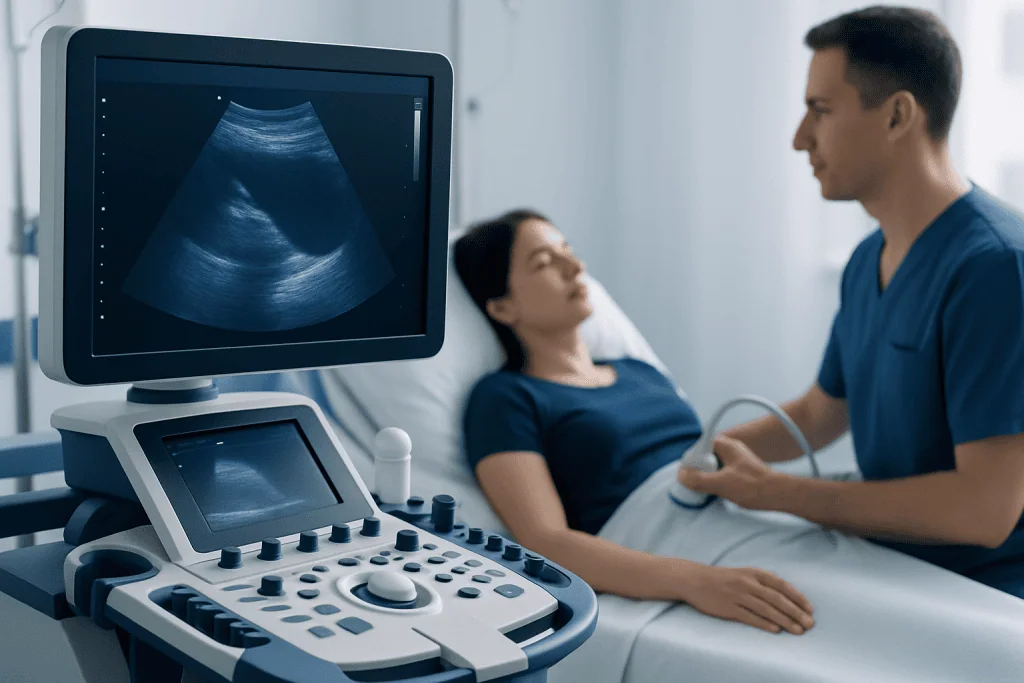
The diaphragm contracts and flattens during inhalation, drawing air into the lungs. It relaxes during exhalation. Its movement is controlled mainly by the phrenic nerves, which arise from the neck and travel through the chest to the diaphragm. Signals from the brain, nerves, muscles, and nearby organs can all influence its normal rhythm.
A short-lived involuntary contraction may occur when the diaphragm or the nerves that control it are temporarily irritated. For example, a very full stomach, swallowed air, carbonated drinks, sudden changes in temperature, intense laughter, or rapid eating can trigger hiccups or a brief jerking sensation. Exercise may also make the diaphragm feel strained or tight when breathing demand is high.
People sometimes describe any movement under the left or right rib cage as a diaphragm spasm. However, the feeling can also arise from abdominal wall muscles, the stomach, the intestines, or the muscles between the ribs. A healthcare professional can help identify the likely source when symptoms recur or are difficult to explain.
Symptoms and patterns that may occur

Symptoms vary according to the cause. A person may notice a single twitch, repeated pulsing beneath the ribs, a rhythmic fluttering in the chest or upper abdomen, hiccups, or a brief interruption in comfortable breathing. Some people experience a sensation of pressure or tightness rather than a visible movement.
Episodes may occur after meals, when lying down, during or after exercise, during periods of emotional stress, or without an obvious trigger. If reflux or stomach distension is involved, there may also be belching, upper abdominal fullness, heartburn, sour taste in the mouth, or symptoms that worsen after large meals. If a respiratory infection or airway condition is contributing, cough, wheeze, or breathlessness may be present.
Diaphragmatic flutter can produce repetitive, sometimes rapid contractions that may be noticeable at rest and may persist longer than ordinary hiccups. It is uncommon, and its symptoms overlap with other conditions. Rhythmic movement does not by itself confirm diaphragmatic flutter; clinical evaluation and, in selected cases, tests that record diaphragm activity or movement may be needed.
- Brief hiccups or isolated twitching are common and often settle without treatment.
- Recurring episodes that interrupt sleep, eating, speaking, or exercise merit medical review.
- Symptoms accompanied by chest pain or marked breathing difficulty should be assessed urgently.
Possible causes and contributing factors
Many diaphragm spasms have a temporary, non-serious explanation. Common contributors include overeating, eating quickly, carbonated beverages, alcohol, bloating, sudden temperature changes in food or drink, and vigorous physical activity. Stress and anxiety can alter breathing patterns, increase muscle tension, and make normal body sensations more noticeable, although symptoms should not be attributed to stress without considering physical causes.
Gastrointestinal conditions can sometimes irritate or affect the area near the diaphragm. Acid reflux, stomach distension, and inflammation in the upper digestive tract may be associated with hiccups or discomfort under the ribs. Persistent hiccups can also occur with some medications or after procedures, and a clinician can review any recent changes in medicines, supplements, or health status.
Less often, diaphragm-related symptoms may be connected with disorders affecting the nervous system, the phrenic nerve, the chest, or metabolism. Lung disease, neck or chest injury, electrolyte disturbances, and certain neurologic conditions are among the possibilities considered when symptoms are persistent, severe, or accompanied by other concerning signs. These causes are not the usual explanation for an occasional twitch, but they illustrate why ongoing symptoms should be evaluated rather than self-diagnosed.
How doctors assess a suspected diaphragm spasm
Assessment usually begins with a detailed history. A clinician may ask when the sensation began, how long episodes last, whether they are rhythmic, what seems to trigger them, and whether there is pain, heartburn, cough, fever, weakness, palpitations, or breathlessness. Information about exercise, recent illness, alcohol intake, medications, and prior heart, lung, digestive, or neurologic conditions can also be helpful.
A physical examination may include listening to the heart and lungs, examining the abdomen, observing breathing, and checking for tenderness or signs of muscle strain. Depending on the symptoms, the clinician may also consider whether the sensation could be coming from the heart, chest wall, stomach, or abdominal muscles rather than the diaphragm itself.
Testing is not necessary for every brief episode. When symptoms are persistent or unexplained, investigations may include blood tests, an electrocardiogram, chest imaging, lung function testing, or ultrasound or fluoroscopic assessment of diaphragm movement. In selected cases, specialists may use nerve and muscle studies. The purpose is to identify or rule out an underlying cause and to guide treatment safely.
Treatment and self-care
Treatment is directed at the cause rather than the sensation alone. For brief episodes related to eating or bloating, practical measures may help: eating more slowly, choosing smaller meals, limiting carbonated drinks if they trigger symptoms, and avoiding lying down immediately after eating. Regular hydration, balanced meals, and gradual conditioning for exercise can support comfortable breathing and reduce digestive discomfort for some people.
When reflux is suspected, a doctor may recommend dietary adjustments, timing changes around meals, or appropriate medication. A clinician should guide treatment if symptoms are frequent, as reflux-like symptoms can overlap with other digestive, chest, and respiratory conditions. People should not stop prescribed medicines or begin long-term medication solely for a suspected diaphragm spasm without medical advice.
Slow, relaxed breathing can be useful when symptoms occur with stress or rapid breathing. Sitting upright, loosening restrictive clothing, and taking controlled breaths may reduce the sense of discomfort. Forceful breath-holding or unproven remedies are not appropriate for anyone with heart, lung, or neurologic disease, and they should not delay care for severe symptoms.
If testing identifies a specific condition, management may involve the relevant specialist, such as a gastroenterologist, pulmonologist, neurologist, or cardiologist. Acibadem International’s multidisciplinary specialists and JCI-accredited hospitals can assess diaphragm-related symptoms and associated digestive, respiratory, or neurologic conditions for international patients.
When to seek medical care
Medical advice is appropriate when diaphragm twitching, hiccups, fluttering, or tightness persists, returns frequently, disrupts sleep, interferes with eating or exercise, or has no clear explanation. An appointment is also sensible if symptoms occur alongside persistent heartburn, swallowing difficulty, cough, fever, unexplained weight change, or new medication use.
Urgent medical assessment is needed for chest pain or pressure, significant shortness of breath, blue or gray lips, fainting, confusion, coughing up blood, severe abdominal pain, or symptoms that begin suddenly with weakness, numbness, or trouble speaking. These signs may indicate a condition other than a simple muscle spasm and should not be managed at home.
Keeping a short symptom record can support the consultation. It may include the time of day, duration, food and drink intake, body position, activity, medicines, and associated symptoms. This information can help a clinician identify patterns while avoiding assumptions about the cause.
Frequently asked questions
Is a diaphragm spasm dangerous?
Most brief episodes, especially hiccups or a short-lived twitch after eating or exertion, are not dangerous. However, persistent, recurrent, or severe symptoms may indicate an underlying digestive, respiratory, nerve, or other medical issue. Chest pain or significant breathing difficulty needs urgent assessment.
Can anxiety cause a diaphragm spasm?
Stress and anxiety can change breathing patterns and increase muscle tension, which may contribute to a sensation of tightness or twitching around the diaphragm. They can also make bodily sensations feel more noticeable. A new or ongoing symptom should still be assessed on its own merits rather than assumed to be anxiety.
What is the difference between hiccups and diaphragmatic flutter?
Hiccups are common involuntary diaphragm contractions that are typically followed by closure of the vocal cords, producing the familiar sound. Diaphragmatic flutter is an uncommon condition involving repeated involuntary diaphragm contractions that may feel like rapid rhythmic pulsing. A medical assessment is needed to distinguish persistent fluttering from other chest or abdominal sensations.
Can acid reflux cause diaphragm twitching?
Reflux and stomach distension may contribute to hiccups, upper abdominal discomfort, or sensations near the diaphragm in some people. Reflux symptoms commonly include heartburn, regurgitation, or a sour taste. A doctor can determine whether reflux is likely and whether treatment is appropriate.
How long can a diaphragm spasm last?
A simple twitch may last only seconds, while hiccups may continue for minutes or longer. Symptoms that persist beyond a short period, recur often, or interfere with sleep or daily life should be discussed with a healthcare professional. The duration alone does not establish the cause.
Should a person exercise with a diaphragm spasm?
A person should stop and rest if the sensation occurs with pain, dizziness, unusual breathlessness, or chest pressure during exercise. Mild, brief symptoms that resolve fully may be related to exertion or breathing technique, but recurrent exercise-related symptoms deserve medical evaluation. Returning to activity should be guided by symptoms and a clinician’s advice when there is uncertainty.
References
- National Heart, Lung, and Blood Institute
- National Institute of Neurological Disorders and Stroke
- American College of Gastroenterology
- Merck Manual Consumer Version
This article is for general information only and is not a substitute for professional medical advice. Please consult a qualified doctor about your individual situation.
Explore treatments in Turkey — costs, top hospitals & a free quote
JCI-accredited · board-certified surgeons · reply within 24h
Add us as a Preferred Source to see more of our trusted health content across Google Search, AI Overviews and Discover.

More from the Health Library

Branchial Cleft Sinus Cyst: What Patients Need to Know

Algae Cooking Oil — Explained by Medical Evidence, Not Myths

Baking Soda for UTI: An Evidence-Based Guide for Patients

Ashwagandha and Magnesium: An Evidence-Based Guide for Patients

Body Double ADHD: What Patients Need to Know