Diarrhea During Pregnancy: A Complete Clinical Guide for Patients

Mild diarrhea during pregnancy is common and often improves within a short time. The main immediate concern is dehydration, which can affect both the pregnant person and the pregnancy.
Key Takeaways
- Mild diarrhea during pregnancy is common and often improves within a short time.
- The main immediate concern is dehydration, which can affect both the pregnant person and the pregnancy.
- Possible causes include viral illness, food-related triggers, supplements, antibiotics, and less commonly underlying bowel disease.
- Medical care is important if diarrhea is severe, lasts more than 1 to 2 days, includes blood, or occurs with fever, dizziness, or contractions.
- Treatment focuses on fluids, electrolyte replacement, rest, and addressing the underlying cause safely in pregnancy.
Diarrhea during pregnancy is often caused by diet changes, infections, supplements, or pregnancy-related digestive shifts, and many cases improve with hydration and rest. However, persistent diarrhea, fever, blood in the stool, signs of dehydration, or symptoms with contractions should prompt medical advice.
Overview
Diarrhea during pregnancy means passing loose or watery stools more often than usual. In many cases, it is short-lived and related to a temporary digestive upset, a food trigger, a viral infection, or a reaction to vitamins or medications. Although it is often mild, pregnancy changes how the body handles fluids, so preventing dehydration is especially important.
Pregnancy can affect digestion in different ways. Many people think only of constipation in pregnancy, but some experience the opposite at certain times. Hormonal changes, diet adjustments, increased sensitivity to foods, and infections can all play a role. The most helpful approach is to look at the full picture: how long symptoms have lasted, whether there are other signs such as fever or vomiting, and whether the person is able to drink enough fluids.
Diarrhea does not automatically mean there is a problem with the pregnancy. Still, it should not be ignored if it is frequent, severe, or associated with weakness, reduced urination, abdominal pain, or uterine cramping. A clinician can help determine whether this is a simple stomach upset or a condition that needs testing and treatment.
How pregnancy changes digestion
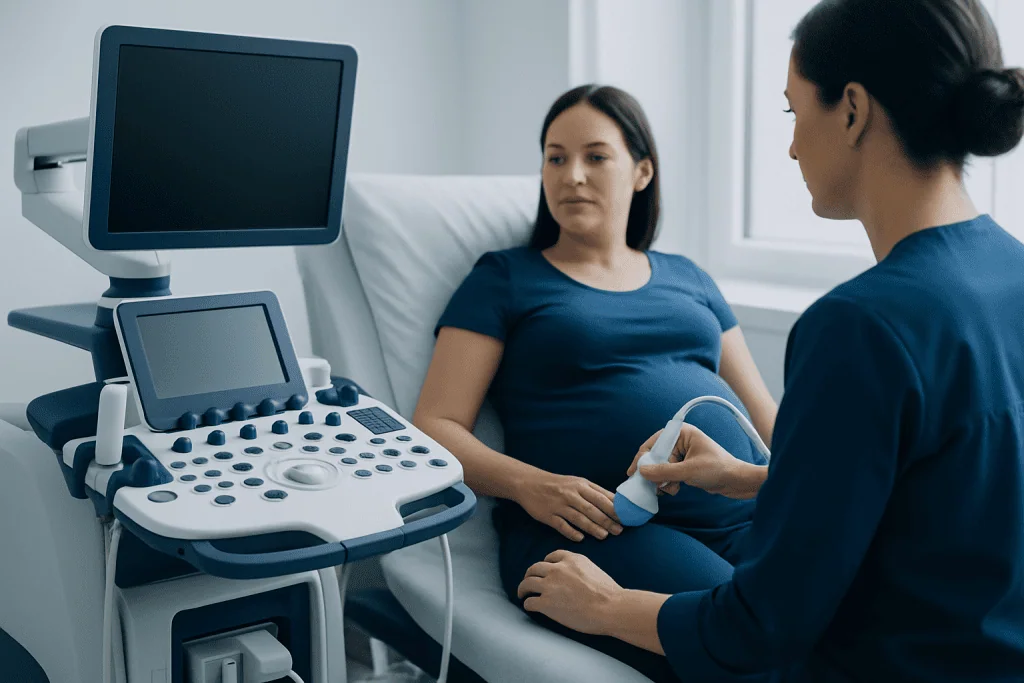
Pregnancy affects the digestive system through hormones, changes in appetite, and pressure from the growing uterus. These changes often slow the bowels and lead to constipation, but they can also make the gut more sensitive. A person may notice that foods tolerated before pregnancy suddenly cause bloating, urgency, or loose stools.
In early pregnancy, nausea, vomiting, and food aversions may lead to an irregular eating pattern. Some people eat more fruit, juices, sweeteners, or high-fiber foods to improve overall nutrition or relieve constipation, and these changes can loosen stools. In later pregnancy, stress, infections, medication use, or a sudden diet shift may be more important contributors.
Because bowel symptoms can overlap with other digestive conditions, doctors also consider whether diarrhea is part of a broader problem such as food poisoning, irritable bowel syndrome, or inflammation of the bowel. If symptoms are ongoing or recurrent, further evaluation may be needed, sometimes by specialists in gastroenterology care.
Common symptoms and warning signs
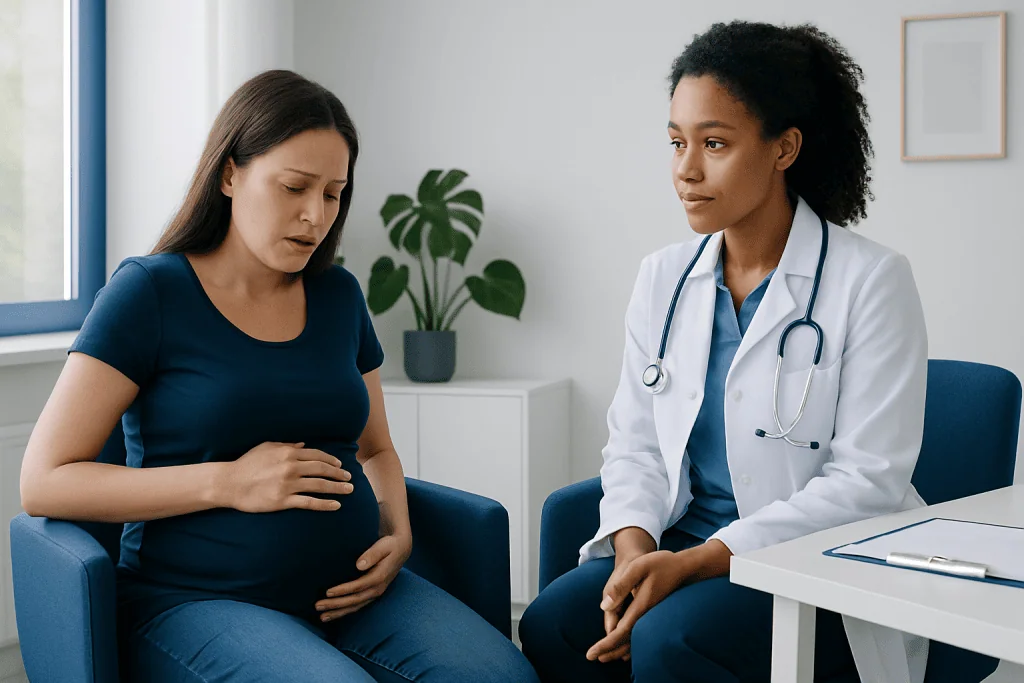
The main symptom is frequent loose or watery stools. Some people also have urgency, abdominal cramping, bloating, nausea, or mild fatigue. If diarrhea occurs with vomiting, keeping up with fluids can become more difficult, and symptoms may worsen faster.
One of the most important concerns is dehydration. Warning signs include a very dry mouth, strong thirst, dizziness, reduced urination, dark urine, weakness, headache, or feeling faint. During pregnancy, dehydration may also be associated with uterine irritability or contractions, which is why persistent fluid loss deserves careful attention.
Symptoms that suggest a more serious cause include fever, blood or mucus in the stool, severe abdominal pain, a recent course of antibiotics, or diarrhea that continues for more than 24 to 48 hours. These features can point to infection or bowel inflammation rather than a simple food-related upset.
- Loose or watery stools
- Urgency to use the toilet
- Abdominal cramps or bloating
- Nausea or vomiting
- Signs of dehydration
- Fever, blood in stool, or severe pain as red flags
Causes and risk factors
Many cases of diarrhea during pregnancy are caused by short-term infections, especially viruses. Bacterial infection and food poisoning are also possible, particularly if symptoms start suddenly after eating contaminated food or if others who shared a meal become ill. Travel, unsafe water, and undercooked foods can increase risk.
Dietary changes are another common cause. Prenatal vitamins, iron preparations, magnesium-containing products, sugar alcohols, lactose, caffeine, and high-fiber foods can trigger loose stools in some people. Antibiotics may disturb the normal balance of bacteria in the gut and lead to diarrhea as well.
Doctors also consider pre-existing digestive conditions. Someone with Crohn's disease or ulcerative colitis may experience a flare during pregnancy or need monitoring if bowel symptoms change. Less commonly, diarrhea may be related to thyroid disease, bile acid problems, or other medical conditions rather than pregnancy itself. A careful history helps identify the most likely cause.
How doctors diagnose the cause
Diagnosis begins with a medical history and physical examination. A doctor usually asks when the diarrhea started, how many stools occur per day, whether there is fever or vomiting, what foods or medications were involved, and whether there are signs of dehydration. Pregnancy stage and fetal symptoms, if any, are also important.
Many mild cases do not require extensive testing. If symptoms are severe, prolonged, recurrent, or accompanied by fever, blood in the stool, or recent antibiotic use, laboratory tests may be recommended. These may include blood tests, stool testing for infection, and assessment of electrolyte levels. In selected cases, imaging or further digestive evaluation may be considered.
The aim is to identify situations that need specific treatment while avoiding unnecessary testing. If abdominal pain, contractions, or pregnancy-related concerns are present, the obstetric team may also assess maternal and fetal well-being. In some settings, this can involve pregnancy follow-up alongside treatment of the digestive problem.
Treatment options that are generally used in pregnancy
The first step in treatment is usually fluid replacement. Small, frequent sips of water, oral rehydration solutions, clear soups, or other pregnancy-safe fluids can help replace losses. Rest, lighter meals, and avoiding foods that worsen symptoms are often enough for mild short-term cases.
Treatment also depends on the cause. If a medication or supplement appears to be responsible, the doctor may advise changing the timing, type, or dose. If an infection is suspected, stool testing may guide whether antibiotics are needed. Most viral illnesses improve without antibiotics, while some bacterial causes need targeted treatment. Anti-diarrheal medicines are not right for everyone in pregnancy, so they should not be started without professional advice.
If dehydration is significant, or if vomiting makes drinking difficult, hospital-based care may be needed for intravenous fluids and monitoring. When diarrhea is linked to an underlying bowel condition, treatment is tailored to that disorder and may involve a team that includes obstetrics and digestive specialists. Near the end of care planning, some international patients choose evaluation at Acibadem International, where multidisciplinary specialists in JCI-accredited hospitals diagnose and treat pregnancy-related and digestive conditions.
Self-care and prevention
Practical self-care focuses on hydration, food safety, and avoiding known triggers. Drinking enough fluids is the most important measure. Eating bland, easy-to-digest foods for a short period may help while symptoms settle, but prolonged restriction is not ideal during pregnancy, so normal balanced meals should be resumed as tolerated.
Food safety is especially important in pregnancy. Handwashing, proper storage of food, avoiding unpasteurized products, and making sure meat, eggs, and seafood are well cooked can reduce the risk of infections. If travel is planned, it is wise to discuss water safety and safe food choices with a healthcare professional.
It also helps to review supplements and medications. A doctor may adjust prenatal vitamins, iron, or other products if they seem to trigger symptoms. People with known digestive conditions, including irritable bowel syndrome, may benefit from keeping a symptom diary to identify personal food triggers and patterns.
- Drink fluids regularly, even in small amounts
- Choose simple foods if the stomach feels unsettled
- Avoid foods that clearly make symptoms worse
- Use only pregnancy-approved medicines
- Practice careful food hygiene and safe travel habits
When to seek medical care
Medical advice should be sought if diarrhea is severe, keeps coming back, or lasts longer than 24 to 48 hours. Care is also important if there is fever, blood in the stool, severe abdominal pain, persistent vomiting, reduced urination, marked dizziness, or signs of dehydration. These symptoms can indicate infection or significant fluid loss that should not be managed at home alone.
During pregnancy, bowel symptoms deserve extra attention if they occur with uterine cramps, contractions, vaginal bleeding, reduced fetal movement later in pregnancy, or an inability to keep fluids down. In these situations, both maternal health and pregnancy status may need assessment. Prompt evaluation helps guide safe treatment and supports recovery.
If symptoms are mild and improving, supportive care may be enough, but ongoing uncertainty should still be discussed with a qualified doctor. Early medical input can clarify whether the problem is temporary or related to a condition that needs follow-up.
Frequently asked questions
Is diarrhea during pregnancy normal?
Diarrhea during pregnancy can happen and is often caused by a short-term stomach upset, diet change, supplement effect, or infection. It is not automatically dangerous, but ongoing or severe diarrhea should be assessed because dehydration can develop more easily during pregnancy.
Can diarrhea harm the baby?
Mild, short-lived diarrhea usually does not harm the baby directly. The main concern is dehydration or a significant infection in the pregnant person, which is why persistent symptoms or trouble drinking fluids should be discussed with a doctor.
What can a pregnant person drink to stay hydrated?
Water is important, and oral rehydration solutions can be especially helpful when there has been significant fluid loss. Clear soups and other tolerated fluids may also help, but sugary drinks and beverages that worsen symptoms are best limited.
Are anti-diarrheal medicines safe in pregnancy?
Not all anti-diarrheal medicines are appropriate during pregnancy, and the right choice depends on the cause of symptoms and the stage of pregnancy. It is safest to speak with a healthcare professional before taking over-the-counter treatment.
When should a pregnant person call a doctor for diarrhea?
A doctor should be contacted if diarrhea is severe, lasts more than 1 to 2 days, or occurs with fever, blood in the stool, vomiting, dizziness, reduced urination, or painful cramping. Medical advice is also important if there are contractions, vaginal bleeding, or concern about reduced fetal movement.
Can prenatal vitamins cause diarrhea?
Yes, some vitamins or mineral supplements can loosen stools, especially depending on their ingredients and how they are taken. If symptoms begin after starting or changing a supplement, a doctor may suggest an alternative product or a different schedule.
References
- American College of Obstetricians and Gynecologists
- Centers for Disease Control and Prevention
- National Institute of Diabetes and Digestive and Kidney Diseases
- National Health Service
- World Health Organization
This article is for general information only and is not a substitute for professional medical advice. Please consult a qualified doctor about your individual situation.
Persistent digestive symptoms? Get evaluated in Turkey
JCI-accredited · board-certified surgeons · reply within 24h
Add us as a Preferred Source to see more of our trusted health content across Google Search, AI Overviews and Discover.

More from the Health Library



Related Specialists

Dr. Dilara Akman
Infectious Diseases & Clinical Microbiology
Fzt. İrem Derici Akgüç
Physical Medicine & Rehabilitation
Prof. Dr. Ali Tekin
Urology
Dr. İdris Avcı
Neurosurgery