Did Susan Sarandon Have Plastic Surgery: Procedure, Recovery and Results

Susan Sarandon has not publicly confirmed plastic surgery, so claims about specific procedures are speculation. A youthful appearance does not prove that a person has had cosmetic surgery or injectables.
Key Takeaways
- Susan Sarandon has not publicly confirmed plastic surgery, so claims about specific procedures are speculation.
- A youthful appearance does not prove that a person has had cosmetic surgery or injectables.
- Facelift surgery can address certain signs of facial aging, but it cannot stop aging or create another person’s appearance.
- A qualified plastic surgeon assesses skin quality, facial structure, health and individual goals before recommending treatment.
- Recovery, risks and expected results should be discussed in a private medical consultation.
There is no reliable, confirmed public information showing that Susan Sarandon has had plastic surgery. A person’s appearance cannot establish whether they have had cosmetic procedures, as aging is influenced by genetics, skin care, health, sun exposure, makeup, lighting and personal choices.
Overview: Did Susan Sarandon Have Plastic Surgery?
Did Susan Sarandon have plastic surgery? There is no confirmed public statement from Susan Sarandon establishing that she has had plastic surgery. Photos, public appearances and media commentary cannot reliably identify whether someone has had surgery, non-surgical cosmetic care, or neither.
People age differently for many reasons, including inherited facial structure, skin type, sun protection, nutrition, sleep, overall health, styling, professional makeup and photography. It is respectful and medically appropriate to avoid diagnosing or attributing procedures to an individual based on appearance alone.
For people considering facial rejuvenation themselves, a consultation with a board-qualified plastic surgeon can clarify which options may fit their concerns. Choices may include skin-focused care, minimally invasive treatments or surgery, depending on the person’s anatomy, health and desired degree of change.
How Does Susan Sarandon Look So Good at 78?
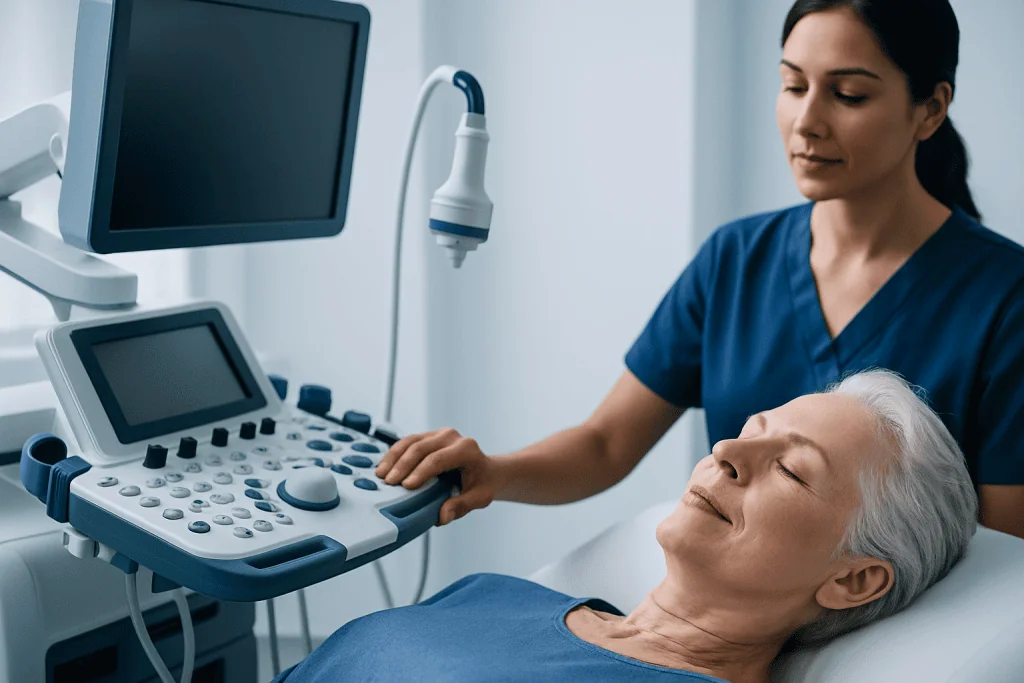
It is not possible to know why any individual looks a certain way without their own confirmed information. In general, a person’s appearance in later life may reflect a combination of genetics, facial bone structure, body weight stability, sun-protection habits, skin-care routines, physical activity, nutrition, sleep and access to professional grooming or dermatologic care.
Images can also vary greatly due to lighting, camera lenses, filters, makeup and the timing of a photograph. Public figures are often photographed by professionals, which can make comparisons with everyday images unrealistic.
Healthy aging does not require looking younger. For those who would like to address concerns such as laxity, wrinkles or volume changes, a clinician can discuss realistic options while protecting natural facial expression and individual identity.
What Facial Rejuvenation Procedures Can Address Aging Changes?
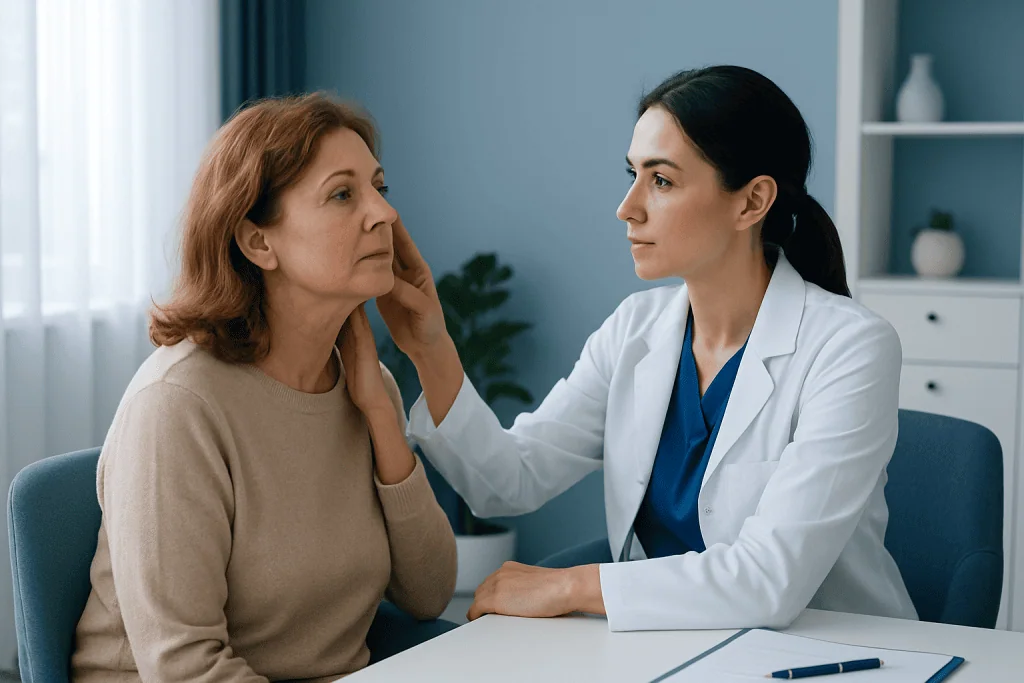
Facial aging commonly involves gradual changes in skin elasticity, fat distribution, muscle activity and bone support. Fine lines and uneven texture may be addressed with skin-care measures or dermatologic treatments, while deeper folds, jowling and neck laxity may require a different approach.
A facelift, also called rhytidectomy, is surgery designed to improve sagging skin and deeper tissues of the lower face and, in some cases, the neck. It does not remove every wrinkle, alter a person’s basic identity or permanently prevent future aging. Learn more about facelift surgery and the goals it may address.
Other options may include eyelid surgery for excess eyelid skin, brow procedures for forehead or eyebrow position, fat grafting for selected volume concerns, or non-surgical treatments such as neuromodulator injections, fillers, lasers and chemical peels. The best option depends on the concern being treated rather than on a celebrity-inspired result.
How a Facelift Works and Who May Be a Candidate
During a facelift, the surgeon places carefully planned incisions, usually around the ears and sometimes beneath the chin. The deeper supporting layer of the face may be lifted or repositioned, excess skin is adjusted without excessive tension, and incisions are closed to follow natural contours as much as possible.
Potential candidates are adults who are in good general health, do not smoke or can safely stop nicotine exposure before and after surgery, and have realistic expectations. Good skin elasticity may support the result, but age alone does not determine candidacy. A medical history, medication review and assessment of healing risks are essential.
At consultation, the surgeon discusses facial anatomy, skin quality, prior procedures, allergies, blood-thinning medicines and personal priorities. Digital images may help explain surgical planning, but they do not guarantee a particular outcome.
- Goals may include improving jawline definition, jowls, loose neck skin or deeper facial folds.
- Facelift surgery is individualized; some people benefit from combined neck or eyelid procedures, while others do not need them.
- Smoking, uncontrolled medical conditions and unrealistic expectations can affect safety or suitability.
Facelift Procedure, Recovery Timeline, Benefits and Risks
Facelift surgery is usually performed under anesthesia in an accredited surgical setting. Before the operation, the care team confirms the treatment plan and reviews safety instructions. The procedure may take several hours depending on whether it includes the neck or other facial areas, and the patient returns home or stays for observation according to the surgical plan.
In the first days after surgery, swelling, bruising, tightness and mild discomfort are expected. Dressings and, occasionally, drains may be used briefly. Many people feel ready for limited social activities after around two to three weeks, although residual swelling can continue to settle for several months. Exact recovery varies by procedure and person.
Potential benefits include a smoother facial contour, reduced jowling and improved definition of the jawline and neck. Risks can include bleeding, infection, fluid collection, poor wound healing, temporary or rarely persistent nerve-related changes, hairline changes, scarring, asymmetry and anesthesia complications. A surgeon should explain how these risks are reduced and what symptoms require prompt contact.
Following aftercare instructions is important. This generally includes attending follow-up appointments, avoiding strenuous activity until cleared, protecting healing skin from the sun, avoiding nicotine and discussing all medicines or supplements with the medical team.
How Many Plastic Surgeries Has Jennifer Aniston Had?
There is no reliable basis for assigning a number of plastic surgeries to Jennifer Aniston unless she has personally and clearly confirmed a procedure. Public speculation, comparison photographs and social-media claims are not medical evidence.
Like anyone else, a public figure may make private health or cosmetic choices. It is best to rely on direct, credible statements rather than assumptions about a person’s body or medical history.
For individuals researching cosmetic care, a consultation should focus on their own goals, skin health and safety. Copying a celebrity’s perceived look can lead to unrealistic expectations because facial anatomy, aging patterns and treatment needs differ from person to person.
Why Did Tim Robbins Leave Susan Sarandon?
Susan Sarandon and Tim Robbins publicly confirmed that their long-term relationship ended in 2009. Public reporting has described the separation as a personal matter, but only the people involved can fully explain their private relationship.
Relationship changes should not be linked to assumptions about appearance, cosmetic procedures or health. Personal circumstances are complex, and respectful discussion avoids presenting speculation as fact.
For those experiencing emotional distress after a relationship change, support from trusted family, friends or a qualified mental-health professional may be helpful. Urgent support should be sought if someone feels unsafe or has thoughts of self-harm.
Is Susan Sarandon Nice in Real Life? When to Seek Medical Care
Whether a public figure is “nice” in private life cannot be reliably determined from interviews, films, photographs or isolated reports. Public personas offer only a limited view of any person, and it is fairer to avoid definitive judgments about someone’s character without direct personal knowledge.
People considering cosmetic surgery should seek medical advice when facial changes are affecting confidence or quality of life, when they want a medically informed understanding of options, or when they have questions about whether a procedure is safe for them. A consultation is also important for persistent skin changes, new facial lumps, rapidly changing pigmented lesions or non-healing sores, as these need medical assessment rather than cosmetic treatment alone.
Urgent medical care is needed after any cosmetic procedure for severe pain, rapidly increasing swelling, breathing difficulty, chest pain, fever, uncontrolled bleeding, confusion or a sudden change in vision. Acibadem International’s multidisciplinary specialists and JCI-accredited hospitals assess and treat facial aesthetic concerns for international patients, with individualized planning and follow-up.
Frequently asked questions
Did Susan Sarandon confirm that she had plastic surgery?
There is no clear, reliable public confirmation that Susan Sarandon has had plastic surgery. It is not possible to determine someone’s treatment history from photographs or public appearances alone.
Can a facelift make someone look like a celebrity?
A facelift is designed around the individual’s facial anatomy and goals, not to duplicate another person’s face. A responsible surgeon will discuss natural-looking, realistic changes and the limits of surgery.
How long does facelift recovery take?
Initial bruising and swelling commonly improve over the first few weeks, and many people resume limited social activities after about two to three weeks. Healing and swelling resolution continue for months, and the surgeon provides a personalized recovery plan.
What are the main risks of facelift surgery?
Possible risks include bleeding, infection, scarring, fluid collection, delayed wound healing, asymmetry, changes in sensation and anesthesia-related complications. A thorough consultation helps identify personal risks and ways to reduce them.
Are non-surgical treatments an alternative to a facelift?
Non-surgical treatments may help selected concerns such as expression lines, mild volume loss, texture or pigmentation. They cannot provide the same degree of lifting for significant skin and tissue laxity as a facelift.
How can a person choose a facial plastic surgeon?
People should look for appropriate specialist training, recognized professional credentials, experience with the procedure and an accredited surgical setting. They should also expect a detailed discussion of alternatives, recovery, risks and realistic results before deciding.
References
- American Society of Plastic Surgeons
- American Society for Aesthetic Plastic Surgery
- U.S. Food and Drug Administration
- Mayo Clinic
- National Institute on Aging
This article is for general information only and is not a substitute for professional medical advice. Please consult a qualified doctor about your individual situation.
Explore treatments in Turkey — costs, top hospitals & a free quote
JCI-accredited · board-certified surgeons · reply within 24h
Add us as a Preferred Source to see more of our trusted health content across Google Search, AI Overviews and Discover.