Digestive Enzymes: What They Are and When They May Help

Digestive enzymes break down carbohydrates, proteins, and fats during digestion. Some people benefit from digestive enzyme treatment when the pancreas or small intestine does not produce enough enzymes.
Key Takeaways
- Digestive enzymes break down carbohydrates, proteins, and fats during digestion.
- Some people benefit from digestive enzyme treatment when the pancreas or small intestine does not produce enough enzymes.
- Over-the-counter enzyme supplements may help in selected situations, but they are not suitable for every digestive complaint.
- Ongoing symptoms such as weight loss, chronic diarrhea, or greasy stools should be assessed by a doctor.
- The best treatment depends on the cause, which may include pancreatic disease, lactose intolerance, or other digestive disorders.
Digestive enzymes are natural proteins that help the body break food into nutrients it can absorb. They can be useful in certain medical conditions, but they are not a universal solution for bloating, gas, or other digestive symptoms.
Overview of digestive enzymes
Digestive enzymes are proteins made by the body to help break food into smaller parts that can be absorbed and used for energy, growth, and repair. Different enzymes work on different nutrients. For example, amylase helps digest carbohydrates, proteases break down proteins, and lipase helps digest fats.
These enzymes are produced mainly in the mouth, stomach, pancreas, and small intestine. In a healthy digestive system, they work together in a coordinated way. When enzyme levels are low or food is not broken down properly, symptoms such as bloating, gas, abdominal discomfort, diarrhea, or poor nutrient absorption may develop.
It is important to understand that digestive symptoms do not always mean a person needs enzyme supplements. Similar symptoms can happen with irritable bowel syndrome, food intolerance, celiac disease, infections, or Crohn’s disease. For that reason, treatment should focus on the underlying cause rather than symptoms alone.
What digestive enzymes do
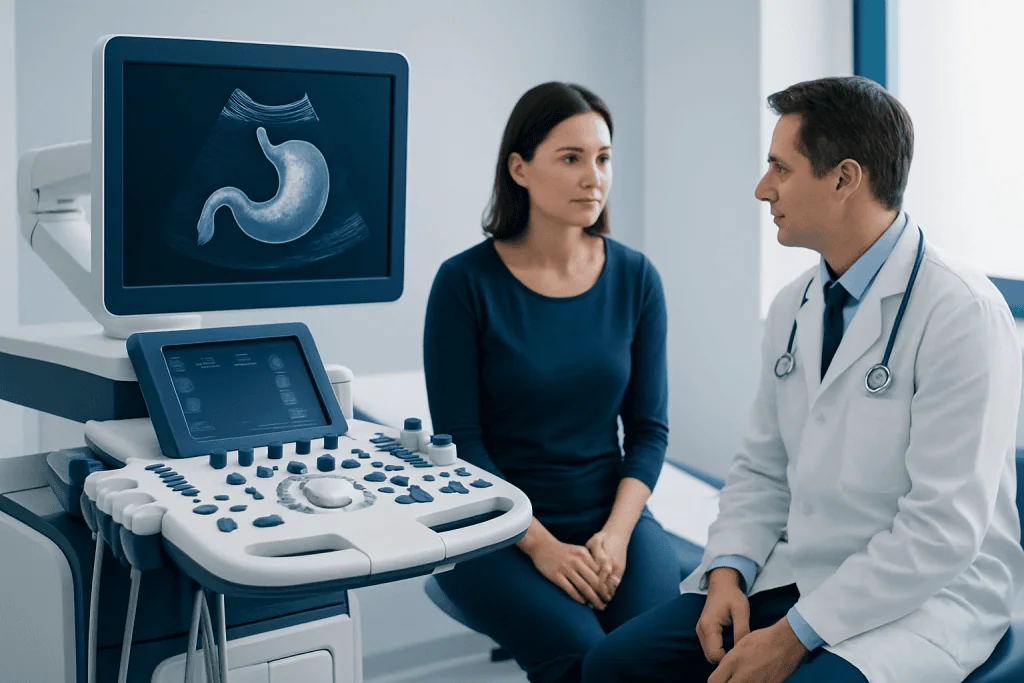
Digestion starts before food reaches the stomach. Saliva contains enzymes that begin breaking down starches while chewing. In the stomach, acid and enzymes help process proteins. As food moves into the small intestine, the pancreas releases a larger amount of enzymes to continue the process.
These enzymes act in a highly specific way. Carbohydrate-digesting enzymes turn complex starches into simple sugars. Protein-digesting enzymes reduce proteins into amino acids. Fat-digesting enzymes split fats into fatty acids and glycerol so the body can absorb them.
Without enough digestive enzymes, nutrients may pass through the intestine incompletely digested. This can lead not only to uncomfortable symptoms but also, in some cases, to vitamin deficiencies, fatigue, and unintended weight loss. Fat malabsorption is especially important because it can affect the absorption of vitamins A, D, E, and K.
- Amylase: helps digest carbohydrates
- Protease: helps digest proteins
- Lipase: helps digest fats
- Lactase: helps digest lactose, the sugar in milk
When digestive enzymes may help

Digestive enzymes may help when the body does not make enough on its own or when a specific food is difficult to digest. One well-known example is lactose intolerance, in which the body produces too little lactase. In that situation, lactase supplements may reduce symptoms after dairy products.
Another important example is exocrine pancreatic insufficiency, a condition in which the pancreas does not release enough digestive enzymes. This may happen in people with chronic pancreatitis, pancreatic surgery, cystic fibrosis, or sometimes pancreatic cancer. These patients may need prescription pancreatic enzyme replacement under medical supervision.
Enzyme therapy can also play a role after certain digestive surgeries or in conditions that affect the small intestine. However, many people use nonprescription digestive enzyme products for general bloating or after heavy meals without a clear diagnosis. While some may notice mild improvement, the effect is often limited if the real cause is not enzyme deficiency.
When enzyme deficiency is strongly suspected, a doctor may recommend a structured evaluation and, if needed, treatment such as gastroenterology care or endoscopy to look for underlying digestive disease.
Symptoms of possible enzyme deficiency
The symptoms of low digestive enzymes can vary depending on which enzyme is lacking and how severe the deficiency is. Mild symptoms may overlap with common digestive complaints, which is one reason self-diagnosis can be difficult.
Possible symptoms include frequent bloating, excess gas, cramping, diarrhea, loose stools, or a sense that food is not being tolerated well. If fat digestion is impaired, stools may become pale, oily, greasy, or difficult to flush. Some people also notice fullness after meals or nausea.
More significant enzyme deficiency can lead to malabsorption. Warning signs include unintentional weight loss, weakness, vitamin deficiencies, or poor growth in children. These symptoms deserve medical attention because they may point to pancreatic disease, celiac disease, inflammatory bowel disease, or another condition requiring treatment.
- Bloating and gas after meals
- Diarrhea or greasy stools
- Abdominal discomfort
- Unexplained weight loss
- Signs of nutrient deficiency
Causes and risk factors
Digestive enzyme problems may come from the pancreas, the small intestine, or certain inherited conditions. The pancreas is especially important because it produces many of the enzymes needed for digestion. Chronic inflammation of the pancreas, blockage of pancreatic ducts, or surgical removal of part of the pancreas can reduce enzyme production.
Conditions affecting the lining of the small intestine can also reduce digestion or absorption. For example, people with celiac disease or intestinal inflammation may have trouble processing specific nutrients. Lactose intolerance is often related to reduced lactase activity in the small intestine. Some people develop this gradually with age, while others notice it after an intestinal infection.
Risk factors for enzyme-related digestive problems include chronic pancreatitis, cystic fibrosis, pancreatic surgery, diabetes in some cases, and digestive disorders that damage the small intestine. A person with long-standing symptoms, poor nutrition, or a known pancreatic disorder may be more likely to need formal evaluation.
Because similar symptoms can occur in many illnesses, doctors may also consider problems such as celiac disease or ulcerative colitis when assessing ongoing digestive complaints.
How doctors diagnose the cause
Diagnosis starts with a careful medical history. A doctor will ask about symptoms, how long they have been present, whether they are linked to specific foods, and whether there has been weight loss, oily stools, or prior digestive disease. Medication use, alcohol intake, family history, and previous surgery can also be important.
Tests depend on the suspected cause. They may include blood tests to look for nutritional deficiencies, stool tests to assess fat malabsorption or pancreatic enzyme output, and breath tests for lactose intolerance. In some cases, imaging studies are used to examine the pancreas, gallbladder, or intestines.
If symptoms are persistent or concerning, doctors may recommend procedures such as colonoscopy or upper endoscopy to evaluate the digestive tract more closely. The goal is not only to confirm whether enzyme deficiency is present, but also to identify the reason for it so treatment can be tailored appropriately.
Treatment options and using supplements safely
Treatment depends on the diagnosis. If there is a proven enzyme deficiency, replacement therapy may be appropriate. For pancreatic insufficiency, doctors may prescribe pancreatic enzyme replacement therapy to be taken with meals. For lactose intolerance, reducing lactose intake or using lactase supplements may help control symptoms.
Not all digestive enzyme supplements are the same. Prescription enzymes are standardized and used for specific medical conditions. Over-the-counter products vary widely in ingredients and strength, and they may contain blends marketed for general digestion rather than a clearly diagnosed deficiency. Their usefulness can differ from person to person.
It is generally best not to start long-term enzyme supplements without professional advice, especially if symptoms are new, severe, or worsening. Self-treatment may delay diagnosis of conditions such as pancreatic disease, celiac disease, inflammatory bowel disease, or infection. A doctor can also review whether symptoms may improve with dietary changes, treatment of another disorder, or referral for specialist care.
Near the end of the diagnostic journey, some patients may benefit from multidisciplinary assessment. Acibadem International’s JCI-accredited hospitals and digestive specialists diagnose and treat digestive enzyme-related conditions for international patients when more detailed evaluation is needed.
Prevention, self-care, and when to see a doctor
Not every cause of enzyme deficiency can be prevented, but healthy digestive habits can support overall gut function. Eating balanced meals, chewing food well, staying hydrated, and limiting excessive alcohol can all be helpful. People who know certain foods trigger symptoms may benefit from keeping a food and symptom diary.
If a person has lactose intolerance or another identified food sensitivity, avoiding or reducing the trigger food may be more effective than taking multiple supplements. For those with pancreatic or intestinal disease, following the treatment plan and attending regular follow-up can help prevent malnutrition and ongoing symptoms.
A doctor should be consulted if digestive symptoms last more than a short period, keep returning, or interfere with daily life. Medical attention is especially important for unexplained weight loss, persistent diarrhea, greasy stools, blood in the stool, fever, vomiting, or significant abdominal pain. These symptoms do not always mean a serious problem, but they should be evaluated properly.
Frequently asked questions
What are digestive enzymes?
Digestive enzymes are natural proteins that help break food into smaller nutrients the body can absorb. They are produced in the mouth, stomach, pancreas, and small intestine.
Do digestive enzyme supplements help with bloating?
They may help if bloating is caused by a true enzyme deficiency, such as lactose intolerance or pancreatic insufficiency. If the cause is something else, supplements may provide little benefit and a medical review may be more helpful.
Who may need prescription digestive enzymes?
People with exocrine pancreatic insufficiency may need prescription pancreatic enzymes. This can happen with chronic pancreatitis, cystic fibrosis, after some surgeries, or in certain pancreatic conditions.
Are over-the-counter digestive enzymes safe?
Many are tolerated well, but they are not appropriate for everyone and product quality can vary. It is wise to speak with a doctor before using them regularly, especially if symptoms are ongoing or unexplained.
Can digestive enzymes treat lactose intolerance?
Lactase supplements can help some people digest lactose in milk and dairy products more comfortably. They do not cure lactose intolerance, but they may reduce symptoms when used correctly.
What symptoms suggest a more serious digestive problem?
Warning signs include unintentional weight loss, persistent diarrhea, greasy stools, blood in the stool, vomiting, fever, or ongoing abdominal pain. These symptoms should be assessed by a qualified doctor.
References
- National Institute of Diabetes and Digestive and Kidney Diseases
- American College of Gastroenterology
- National Health Service
- Mayo Clinic
- Merck Manual Consumer Version
This article is for general information only and is not a substitute for professional medical advice. Please consult a qualified doctor about your individual situation.
Persistent digestive symptoms? Get evaluated in Turkey
JCI-accredited · board-certified surgeons · reply within 24h
Add us as a Preferred Source to see more of our trusted health content across Google Search, AI Overviews and Discover.