Disenfranchised Grief: An Evidence-Based Guide for Patients

Disenfranchised grief is a real form of grief that may be minimized or overlooked by family, workplaces, or society. It can follow many losses, including miscarriage, infertility, estrangement, the death of an ex-partner, a pet, or changes related to illness or caregiving.
Key Takeaways
- Disenfranchised grief is a real form of grief that may be minimized or overlooked by family, workplaces, or society.
- It can follow many losses, including miscarriage, infertility, estrangement, the death of an ex-partner, a pet, or changes related to illness or caregiving.
- Symptoms may include sadness, anger, guilt, numbness, isolation, sleep problems, and difficulty functioning.
- Supportive care may include counseling, grief therapy, support groups, healthy routines, and treatment for related anxiety or depression when needed.
- Medical or mental health care is important if grief feels overwhelming, lasts a long time without improvement, or includes thoughts of self-harm.
Disenfranchised grief is grief that is not openly acknowledged, socially supported, or fully understood by others. It can happen after many kinds of losses, and recognizing it is often the first step toward support, coping, and healing.
What disenfranchised grief means
Disenfranchised grief is grief that is not fully recognized, validated, or supported by other people or by social expectations. In simple terms, a person has experienced a meaningful loss, but those around them may not see that loss as “serious enough” to grieve. This can leave the person feeling invisible, misunderstood, or pressured to move on before they are ready.
This kind of grief may happen when the relationship, the loss, or the grieving person does not fit common social norms. Examples include grief after miscarriage, stillbirth, infertility, the death of a former partner, an abortion, the loss of a pet, estrangement from a family member, or the loss of health, independence, identity, or future plans because of illness. People may also experience it when a loved one has dementia or severe psychiatric illness, because the loss unfolds over time rather than in one moment.
Disenfranchised grief is not a medical diagnosis by itself, but it is a clinically important experience. When grief is unsupported, emotional distress may become harder to process. Recognizing the grief as real and meaningful can reduce shame and help a person seek the right kind of support.
How it can affect emotions, body, and daily life
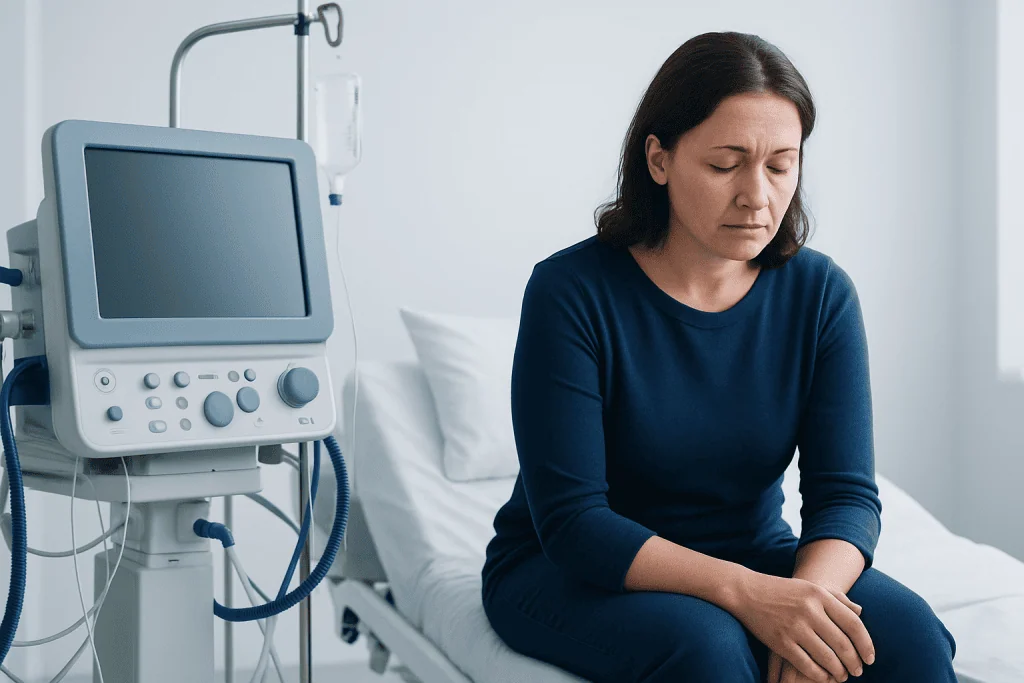
The experience of disenfranchised grief varies from person to person. Many people feel sadness, longing, emptiness, anger, guilt, numbness, or emotional exhaustion. Some may feel they have to hide their grief because others dismiss it, which can increase loneliness and make mourning feel more complicated.
Grief is not only emotional. It can also affect sleep, appetite, energy, concentration, and memory. A person may become more irritable, withdraw from work or relationships, or have trouble carrying out usual routines. In some cases, physical symptoms such as headaches, digestive discomfort, or body tension may become more noticeable during periods of intense stress.
Not everyone who experiences disenfranchised grief develops a mental health condition. However, unsupported grief can overlap with anxiety, depression, trauma reactions, or prolonged grief symptoms. When distress is persistent or severe, an evaluation by a qualified professional can help distinguish normal grief from conditions that may benefit from formal care, including depression or anxiety disorders.
Common situations and risk factors
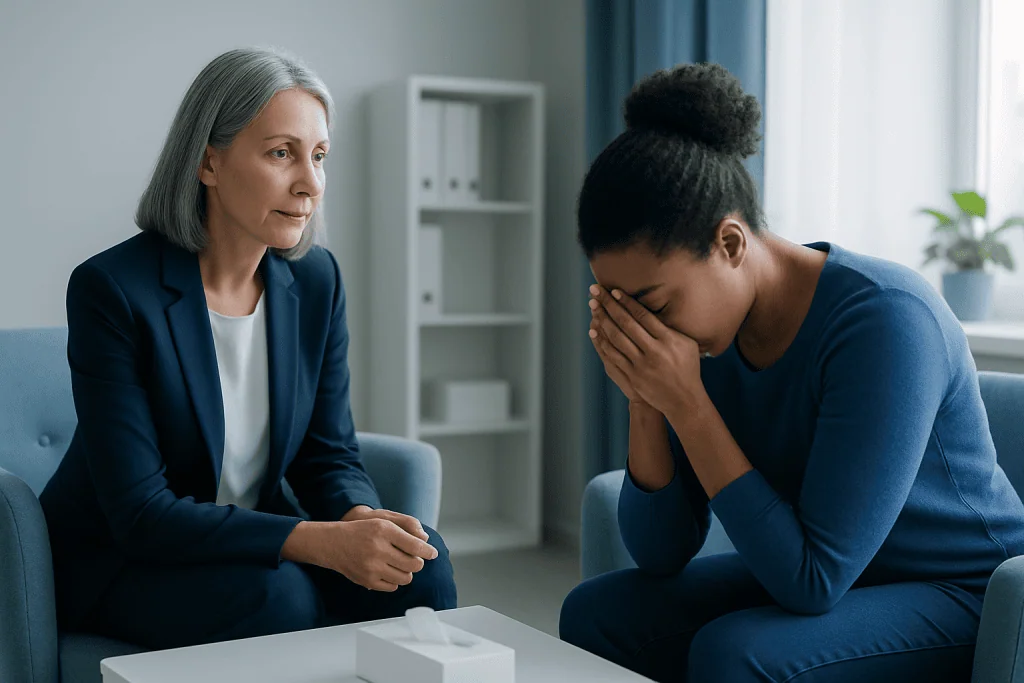
Disenfranchised grief often develops in losses that others do not openly acknowledge. This may include reproductive loss such as miscarriage, stillbirth, or infertility; relationship losses such as the death of an ex-partner or secret partner; and losses involving social stigma, such as substance use, suicide, incarceration, or HIV. It may also affect healthcare workers, caregivers, and people whose grief is mixed with relief, conflict, or unresolved family dynamics.
Another common situation is “non-death loss.” A person may grieve changes in identity, mobility, fertility, memory, independence, or future plans after a diagnosis or major life event. Parents may grieve a hoped-for future for a child with a chronic condition. Caregivers may grieve gradually while a loved one is still alive, especially in illnesses that change personality, memory, or function over time.
Certain factors may increase the chance that grief feels unsupported or becomes harder to manage. These include a limited support system, social stigma, past trauma, previous mental health conditions, multiple losses close together, and cultural or family expectations that discourage emotional expression. None of these factors mean a person is weak; they simply help explain why some people need more structured support than others.
How clinicians evaluate grief
There is no single lab test or scan for disenfranchised grief. Assessment usually begins with a conversation about the loss, the person’s relationship to what was lost, the strength of their support system, and how symptoms are affecting daily life. A clinician may ask about sleep, appetite, concentration, work, family relationships, and whether the person feels able to cope.
Evaluation also looks for related conditions that can occur alongside grief. These may include depression, anxiety, trauma-related symptoms, substance misuse, or prolonged grief disorder. The goal is not to label normal emotions as illness. Rather, it is to understand whether the person is grieving within a typical range or whether distress has become severe enough to need additional treatment.
Because physical symptoms can appear during grief, a healthcare professional may also review general health and current medications. In some cases, supportive medical care, a mental health referral, or a combined approach is most helpful. When symptoms are significant, a person may benefit from assessment through psychiatry services or a mental health specialist experienced in grief care.
Treatment and support options
Support for disenfranchised grief is individualized. Many people benefit from being able to name the loss, tell the story of what happened, and have their experience taken seriously. This alone can be therapeutic. Counseling, grief-informed psychotherapy, peer support groups, and family therapy may all help, depending on the situation and the person’s preferences.
Structured therapy can be useful when grief is intense, prolonged, or mixed with trauma, depression, or anxiety. Therapy may focus on emotional processing, coping skills, rebuilding routines, improving communication, and reducing self-blame. If symptoms such as panic, severe insomnia, or major depression are present, a clinician may discuss treatment for those conditions as well. Some patients may be referred for psychological support as part of a broader care plan.
There is no medication that treats grief itself, but medication may sometimes be considered for related mental health symptoms when clinically appropriate. The best plan depends on the person’s overall health, preferences, cultural background, and support system. In more complex cases, care may involve a team that includes a primary care doctor, mental health professional, and social worker.
For international patients who need coordinated evaluation, Acibadem International’s multidisciplinary specialists and JCI-accredited hospitals provide assessment and treatment for mental health concerns, including grief-related distress, in a patient-centered setting.
Self-care strategies that can support healing
Self-care does not erase grief, but it can make the grieving process more manageable. Helpful steps often include maintaining regular meals, sleep routines, gentle physical activity, and time outdoors. People may also benefit from reducing alcohol and other substances, which can worsen mood and sleep disruption over time.
Many find it useful to create private or shared rituals that honor the loss. This might include journaling, writing a letter, marking anniversaries, keeping photos, making art, or participating in cultural or spiritual practices. Because disenfranchised grief is often hidden, personal rituals can provide a meaningful way to acknowledge what has happened even when others do not.
Connection is also important. Speaking with a trusted friend, joining a support group, or working with a therapist can reduce isolation. If grief is linked to reproductive loss, chronic illness, or caregiving, condition-specific communities may feel especially validating. Some people also benefit from integrated care approaches that include stress management, rehabilitation, or counseling related to another illness, such as oncology rehabilitation when grief follows cancer-related life changes.
When to seek medical care
It is appropriate to seek medical or mental health care at any point if grief feels overwhelming or if a person would simply like support. Professional help is especially important when symptoms interfere with work, school, caregiving, sleep, or relationships; when distress is not easing over time; or when grief feels tangled with panic, trauma, severe anxiety, or hopelessness.
Prompt evaluation is also important if a person has thoughts of self-harm, feels life is not worth living, is using alcohol or drugs to cope, or is becoming unable to carry out basic daily tasks. These situations deserve immediate attention from a doctor, mental health professional, or emergency service. Loved ones should not hesitate to assist with reaching care.
For children, teens, older adults, and people with chronic medical conditions, grief can look different and may be missed. Marked withdrawal, major behavior changes, confusion, significant weight loss, or rapid decline in functioning should be discussed with a clinician. Early support can help prevent unnecessary suffering and guide the person toward safe, effective care.
Frequently asked questions
Is disenfranchised grief a real form of grief?
Yes. Disenfranchised grief is widely recognized in grief research and clinical practice as grief that is not socially acknowledged or supported. Even if others do not understand the loss, the person’s emotional response is real and deserving of care.
What kinds of losses can cause disenfranchised grief?
It can follow many losses, including miscarriage, infertility, abortion, the death of a pet, estrangement, the end of a relationship, loss of health, or changes caused by chronic illness. It may also happen when a death or relationship carries stigma or is kept private.
How is disenfranchised grief different from depression?
Grief is a natural response to loss, while depression is a mental health condition that affects mood, thinking, and function more broadly. The two can overlap, and sometimes grief may contribute to depression. A qualified clinician can help tell the difference and recommend support.
Can disenfranchised grief become prolonged or complicated?
Yes, in some people it can become more persistent and disruptive, especially when the loss is traumatic, hidden, or unsupported. If intense grief continues to interfere with daily life or does not gradually soften over time, professional evaluation is a good idea.
What treatments help with disenfranchised grief?
Helpful options often include grief counseling, psychotherapy, support groups, and practical social support. If anxiety, severe insomnia, or depression are also present, treatment may include care for those symptoms as part of an overall plan.
When should someone seek urgent help?
Urgent help is needed if a person has thoughts of self-harm, feels unable to stay safe, is severely impaired in daily functioning, or is using substances in dangerous ways to cope. In these situations, immediate contact with emergency services or a mental health crisis resource is important.
This article is for general information only and is not a substitute for professional medical advice. Please consult a qualified doctor about your individual situation.
Explore treatments in Turkey — costs, top hospitals & a free quote
JCI-accredited · board-certified surgeons · reply within 24h
Add us as a Preferred Source to see more of our trusted health content across Google Search, AI Overviews and Discover.

More from the Health Library

AST: An Evidence-Based Guide for Patients

Duck Meat: An Evidence-Based Guide for Patients

Ammonia Bleach Chemical Reaction: What Patients Need to Know

Millet — Explained by Medical Evidence, Not Myths

Strep Throat: What Patients Need to Know