Diverticular Disease Alcohol: Symptoms, Causes, and Treatment Options

Alcohol may worsen bloating, abdominal pain, diarrhea, and dehydration in some people with diverticular disease. During active diverticulitis, alcohol is generally best avoided until a doctor confirms recovery.
Key Takeaways
- Alcohol may worsen bloating, abdominal pain, diarrhea, and dehydration in some people with diverticular disease.
- During active diverticulitis, alcohol is generally best avoided until a doctor confirms recovery.
- Long-term management often focuses on fiber, hydration, bowel habits, and identifying personal triggers.
- Severe pain, fever, vomiting, or rectal bleeding need prompt medical assessment.
- Treatment depends on whether the problem is diverticulosis, symptomatic diverticular disease, or diverticulitis.
Alcohol does not cause every case of diverticular disease, but it can irritate the digestive tract, worsen dehydration, and trigger symptoms in some people. The safest approach depends on whether a person has uncomplicated diverticulosis, ongoing symptoms, or active diverticulitis, so individualized medical advice is important.
Overview: How Alcohol Relates to Diverticular Disease
Diverticular disease alcohol questions are common because many people notice digestive symptoms after drinking and wonder whether alcohol is the cause. In general, alcohol does not directly create diverticula on its own, but it may aggravate the bowel in some people, contribute to dehydration, and make existing symptoms more noticeable. The effect varies widely from person to person.
Diverticular disease is a broad term. It includes diverticulosis, which means small pouches form in the wall of the colon, and diverticulitis, which means those pouches become inflamed or infected. Some people also have ongoing pain, bloating, or bowel habit changes without infection, sometimes called symptomatic uncomplicated diverticular disease.
This distinction matters because advice about alcohol is not exactly the same in every situation. A person with stable diverticulosis and no symptoms may tolerate small amounts better than someone with active inflammation, recent infection, or recurrent abdominal pain. For that reason, alcohol decisions are best based on symptoms, overall gut health, and a doctor’s guidance rather than one rule for everyone.
Symptoms That Alcohol May Worsen
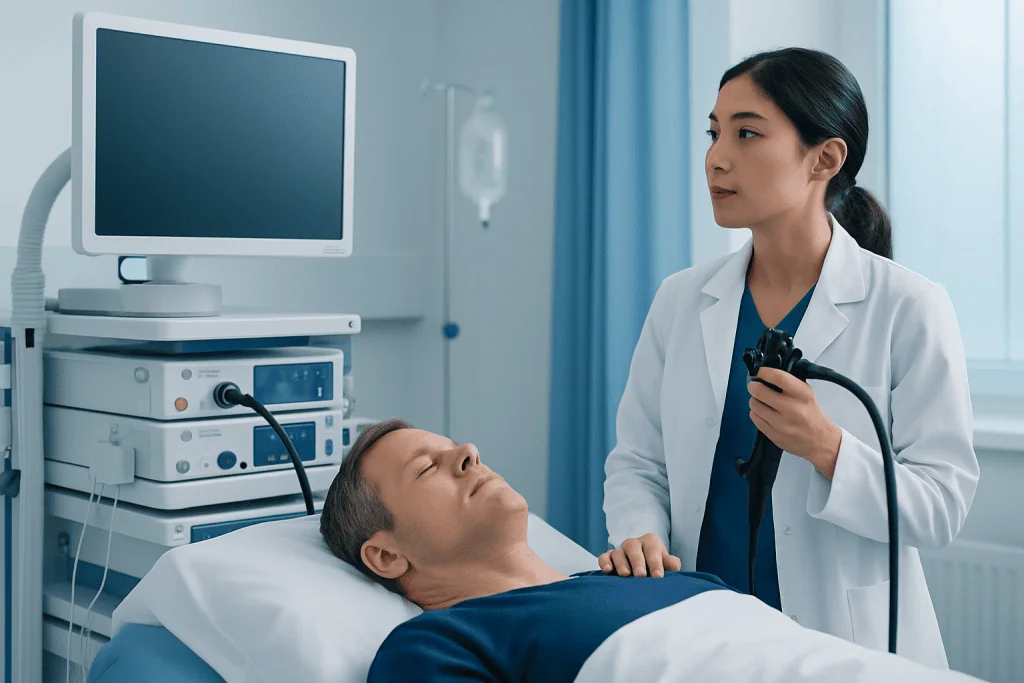
Alcohol can affect the digestive tract in several ways. It may increase stomach and intestinal irritation, speed up bowel movements in some people, disturb sleep, and reduce fluid balance. In someone with diverticular disease, these effects may make a mild bowel problem feel more intense.
Symptoms that some people notice after drinking include left lower abdominal discomfort, cramping, bloating, gas, loose stools, or an urgent need to use the bathroom. Others may feel constipated the next day, especially if they are dehydrated. These patterns do not confirm diverticulitis, but they may suggest that alcohol is acting as a trigger.
Possible symptoms linked to alcohol-related flare-ups include:
- Abdominal pain or tenderness
- Bloating or increased gas
- Diarrhea or altered bowel habits
- Nausea or reduced appetite
- Worsening dehydration, especially with vomiting or loose stools
If a person develops severe or persistent pain, fever, chills, vomiting, or rectal bleeding, the issue may be more than simple irritation. Active diverticulitis or another digestive condition should be considered and assessed by a qualified clinician.
Can Alcohol Cause Diverticular Disease?
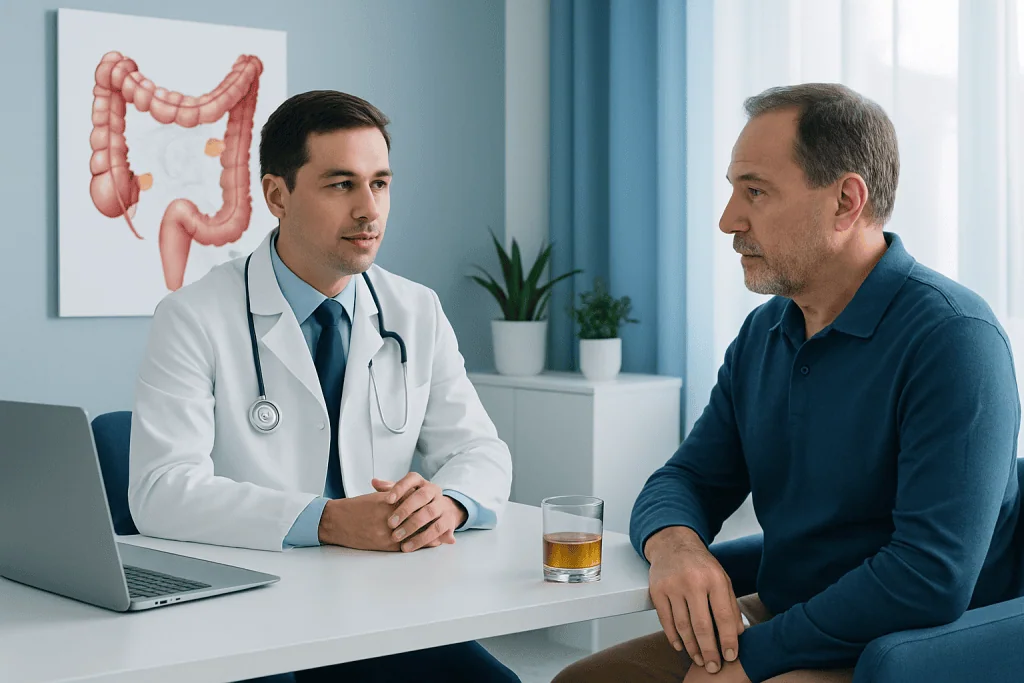
Current medical understanding does not support alcohol as the sole cause of diverticular disease. Diverticula usually develop over time due to a combination of factors related to the colon wall, pressure inside the bowel, aging, and lifestyle influences. However, alcohol may still play an indirect role in symptom burden or flare frequency for some individuals.
Risk factors for diverticular disease can include older age, low-fiber eating patterns, obesity, limited physical activity, smoking, and some medications such as nonsteroidal anti-inflammatory drugs. Genetics and changes in the gut microbiome may also contribute. A person may have several of these factors even if they drink little or no alcohol.
Alcohol becomes more relevant when symptoms are already present. Heavy drinking may worsen dehydration, alter bowel motility, and irritate the lining of the digestive tract. Mixed drinks high in sugar, beer that increases bloating, or drinking combined with low water intake may be especially troublesome in susceptible people.
For some patients, alcohol is not a trigger at all. For others, even modest amounts seem to worsen discomfort. Keeping a symptom diary can help clarify whether there is a consistent connection between specific drinks and digestive symptoms.
Alcohol During Diverticulitis: Why Doctors Advise Caution
During active diverticulitis, alcohol is generally best avoided. This is because the bowel is already inflamed, and alcohol may add irritation, worsen nausea, and contribute to dehydration. If a person is eating less than usual or has fever, diarrhea, or vomiting, alcohol can make recovery more difficult.
There is also a practical concern about treatment. Some people with diverticulitis need antibiotics, pain relief, or hospital-based supportive care. Alcohol may interact with certain medicines or make side effects such as dizziness, stomach upset, or poor appetite more noticeable. That is one reason clinicians often recommend waiting until symptoms have fully resolved and treatment is completed before considering alcohol again.
Anyone with repeated attacks should discuss whether another digestive issue is present, whether the diagnosis is confirmed, and whether further evaluation is needed. In some cases, doctors may recommend imaging or specialist review to better understand recurrent symptoms and to rule out complications.
How Diverticular Disease Is Diagnosed
Diagnosis starts with a medical history and physical examination. A doctor will usually ask where the pain is located, when it began, whether there is fever, constipation, diarrhea, nausea, or bleeding, and whether certain foods or alcohol seem to trigger symptoms. Because several bowel conditions can mimic each other, symptoms alone are not always enough to make a clear diagnosis.
Blood tests may help look for signs of inflammation or infection. If diverticulitis is suspected, a CT scan is commonly used to confirm the diagnosis and look for complications such as an abscess or perforation. Imaging can help guide the most appropriate treatment and determine whether care at home is reasonable or whether hospital treatment is safer.
Once acute inflammation settles, a doctor may recommend a colon evaluation to assess overall bowel health and exclude other causes of symptoms, depending on age, history, and prior screening. A specialist in gastroenterology care can help interpret symptoms that overlap with irritable bowel syndrome, inflammatory bowel disease, or other forms of colon disease.
Treatment Options and Long-Term Management
Treatment depends on the form and severity of the condition. Many people with uncomplicated diverticulosis do not need intensive treatment and can focus on long-term bowel health. Symptomatic diverticular disease may be managed with dietary changes, hydration, physical activity, and tailored medical advice. Active diverticulitis may require rest, temporary diet modification, antibiotics in selected cases, or hospital care if symptoms are significant.
Doctors increasingly individualize treatment rather than using the same plan for everyone. Mild diverticulitis may sometimes be treated at home with close follow-up, while more serious cases need imaging, intravenous fluids, or procedural care. If a person develops complications such as an abscess, obstruction, fistula, or perforation, more advanced treatment may be necessary.
In selected cases, surgery is considered for recurrent complicated disease, persistent symptoms despite appropriate care, or structural problems in the colon. When this is relevant, patients may be assessed for colorectal surgery as part of a broader care plan. If pain is severe or the diagnosis is uncertain, hospital-based general surgery evaluation may also be appropriate.
Near the end of the treatment journey, patients may benefit from a coordinated approach involving gastroenterologists, radiologists, surgeons, and nutrition professionals. Acibadem International’s multidisciplinary specialists and JCI-accredited hospitals diagnose and treat diverticular conditions for international patients when specialist evaluation is needed.
Prevention, Self-Care, and Safer Choices About Alcohol
Prevention focuses less on strict food bans and more on supporting regular bowel function and overall digestive health. Many people benefit from gradually increasing fiber intake through fruits, vegetables, legumes, and whole grains, while also drinking enough water. Physical activity and avoiding smoking are also commonly advised for long-term bowel health.
When it comes to alcohol, the most practical approach is individualized caution. A person with active symptoms, recent diverticulitis, dehydration, or medication use should generally avoid alcohol until a doctor says it is safe to resume. For someone without active inflammation, small amounts may be tolerated, but it is wise to pay attention to symptom patterns rather than assuming all drinks are harmless.
Helpful self-care measures include:
- Drinking enough water, especially in hot weather or after exercise
- Eating fiber regularly and increasing it gradually
- Limiting known triggers such as binge drinking or highly sugary alcoholic drinks
- Keeping a symptom and food diary
- Following medical advice after any episode of diverticulitis
If a person also has conditions such as reflux, irritable bowel syndrome, or liver disease, alcohol may have additional effects and should be discussed with a clinician. Advice is safest when it considers the whole medical picture, not only the diverticular diagnosis.
When to Seek Medical Care
Medical review is important if abdominal symptoms are new, recurrent, or changing. Mild bloating after alcohol may not be urgent, but persistent pain should not be ignored, especially if it is focused in one area of the lower abdomen. A clinician can help determine whether symptoms are due to diverticular disease, infection, bowel irritation, or another condition.
Prompt medical care is recommended if there is fever, worsening abdominal tenderness, vomiting, inability to keep fluids down, rectal bleeding, marked constipation with swelling, or faintness from dehydration. These symptoms may suggest active diverticulitis or a complication that needs timely assessment.
Emergency care may be needed for severe constant pain, signs of sepsis, confusion, a rigid abdomen, or significant bleeding. Even if alcohol seems to have triggered the episode, the underlying problem may be more serious than simple digestive upset.
Frequently asked questions
Can people with diverticular disease drink alcohol?
Some people with stable diverticular disease may tolerate small amounts of alcohol, while others notice clear symptom flare-ups. The safest choice depends on whether there is active inflammation, recent diverticulitis, dehydration, or medication use. A doctor can help decide what is reasonable for the individual situation.
Is alcohol a direct cause of diverticulitis?
Alcohol is not considered a direct sole cause of diverticulitis. However, it may worsen bowel irritation, dehydration, and digestive symptoms, which can make an existing problem feel worse. It is better viewed as a possible trigger or aggravating factor in some people.
Should alcohol be avoided during a diverticulitis flare?
Yes, alcohol is generally best avoided during an active diverticulitis flare. The bowel is inflamed at that time, and alcohol can worsen nausea, fluid loss, and overall discomfort. It may also interfere with recovery and interact with certain medications.
What type of alcohol is easiest on the bowel?
There is no single type of alcohol that is universally safe for diverticular disease. Some people find that beer increases bloating or that sugary mixed drinks trigger symptoms more than other beverages. If alcohol is allowed by a doctor, moderation and attention to personal triggers are important.
How can someone tell whether alcohol is triggering symptoms?
A symptom diary can be very helpful. Recording the type of drink, amount, timing, food eaten with it, and any abdominal pain or bowel changes can reveal patterns over time. This information can also help a doctor give more specific advice.
When is abdominal pain after drinking a reason to see a doctor?
Medical advice is appropriate if pain is persistent, recurrent, severe, or associated with fever, vomiting, constipation, diarrhea, or bleeding. Even if symptoms seem related to alcohol, they may reflect diverticulitis or another digestive condition. New or concerning symptoms should be assessed rather than self-diagnosed.
References
- National Institute of Diabetes and Digestive and Kidney Diseases
- American Gastroenterological Association
- National Health Service
- Mayo Clinic
- American Society of Colon and Rectal Surgeons
This article is for general information only and is not a substitute for professional medical advice. Please consult a qualified doctor about your individual situation.
Persistent digestive symptoms? Get evaluated in Turkey
JCI-accredited · board-certified surgeons · reply within 24h
Add us as a Preferred Source to see more of our trusted health content across Google Search, AI Overviews and Discover.
Check your numbers in seconds
BMI, calories, due date, blood pressure and 30+ more clinical calculators — free, instant, doctor-reviewed ranges.

More from the Health Library



Related Specialists

Dr. İletişim | 444 55 44
Cardiovascular Surgery
Prof. Dr. Elif Ilgaz Aydınlar
Neurology
Prof. Dr. Reyhan Çeliker
Physical Medicine & Rehabilitation
Fzt. Defne Sürek
Physical Medicine & Rehabilitation