Dix Hallpike Maneuver: What Patients Need to Know

The dix hallpike maneuver is mainly used to diagnose BPPV, a common cause of brief, position-triggered vertigo. During the test, a clinician quickly changes the patient’s head and body position while watching for dizziness and involuntary eye movements called nystagmus.
Key Takeaways
- The dix hallpike maneuver is mainly used to diagnose BPPV, a common cause of brief, position-triggered vertigo.
- During the test, a clinician quickly changes the patient’s head and body position while watching for dizziness and involuntary eye movements called nystagmus.
- A positive result can guide treatment, often with a canalith repositioning maneuver such as the Epley maneuver.
- The test is brief and usually safe, but it may not be suitable for people with certain neck, back, or vascular conditions.
- Medical evaluation is important if dizziness is severe, persistent, new, or accompanied by neurological symptoms.
The dix hallpike maneuver is a simple bedside test used to help diagnose benign paroxysmal positional vertigo, or BPPV. It works by moving the head and body in a specific way to see whether dizziness and characteristic eye movements appear, helping clinicians identify a common and usually treatable cause of vertigo.
Overview: What the Dix Hallpike Maneuver Is
The dix hallpike maneuver is a physical examination test used to evaluate vertigo that happens with changes in head position. It is most often performed when a person reports short episodes of spinning dizziness after rolling over in bed, looking up, bending down, or turning the head. The goal is to reproduce the symptoms in a controlled setting and observe the eyes for a typical movement pattern.
This test is best known for helping diagnose benign paroxysmal positional vertigo, commonly called BPPV. In BPPV, tiny calcium crystals that normally sit in one part of the inner ear move into a semicircular canal where they do not belong. When the head changes position, those particles shift and send false signals to the brain, creating a brief spinning sensation.
Although the test can make a person feel dizzy for a short time, that reaction is exactly what gives the maneuver diagnostic value. A clinician watches for timing, direction, and duration of symptoms and eye movements. These details help distinguish BPPV from other balance disorders and from more serious causes of dizziness.
Why Doctors Use This Test
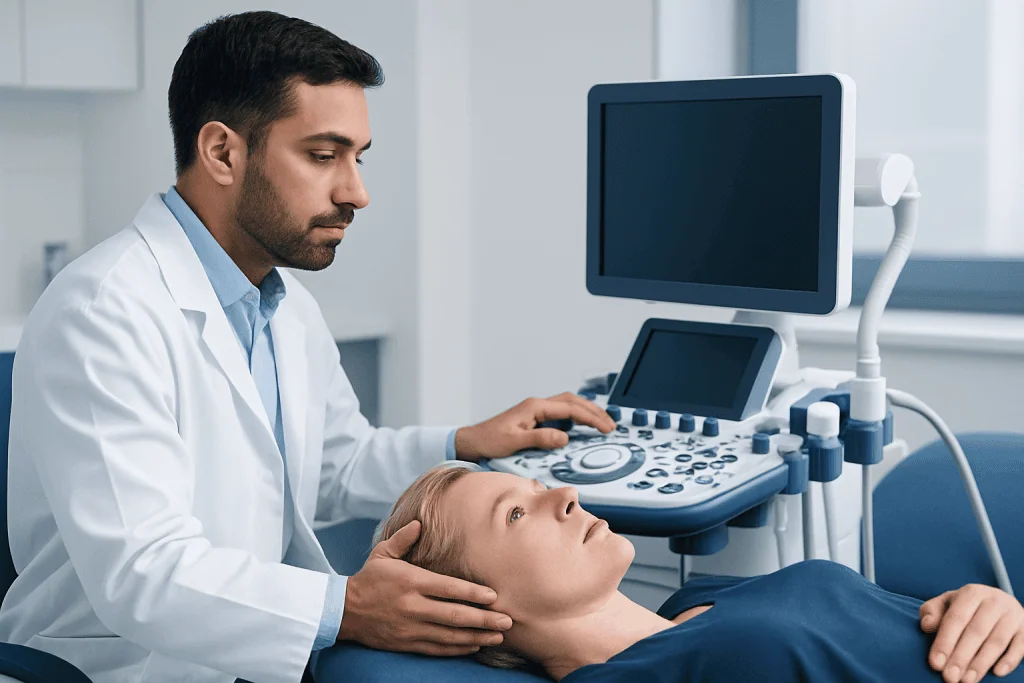
Dizziness is a broad symptom with many possible causes, including inner ear disorders, low blood pressure, migraine, medication effects, anxiety, and neurological disease. The dix hallpike maneuver is useful because it narrows the cause quickly when the history suggests positional vertigo. It is not a general test for every type of dizziness; it is most informative when dizziness is brief, triggered by movement, and feels like spinning.
Doctors use the test not only to confirm the likely diagnosis, but also to identify which ear and which canal may be involved. This matters because treatment is often based on the pattern seen during the examination. If the findings fit BPPV, many patients can move directly from diagnosis to a repositioning treatment in the same visit.
In some cases, a person’s symptoms may sound like BPPV but the test is negative or unclear. That can happen if symptoms come and go, if a different semicircular canal is affected, or if another condition is responsible. Then the clinician may use additional positional tests, hearing assessment, neurological examination, or imaging when indicated.
What Happens During the Dix Hallpike Maneuver

The maneuver is usually done on an examination table. The patient begins in a seated position, and the clinician turns the head about 45 degrees to one side. The patient is then guided quickly backward so the head hangs slightly below the level of the table, still turned to the side. This position places one of the inner ear balance canals in a way that can reveal abnormal movement of loose crystals.
Once in position, the clinician watches the eyes closely for nystagmus, which is an involuntary rhythmic eye movement. The patient may also be asked whether spinning, nausea, or a sense of motion occurs. After the symptoms settle, the patient is brought back to a sitting position, and the same steps may be repeated on the other side.
The entire test usually takes only a few minutes. Some people feel only mild discomfort, while others briefly experience more noticeable spinning. That reaction often fades within seconds to a minute. If BPPV is confirmed, the clinician may recommend or perform a treatment maneuver such as the Epley maneuver to move the crystals back where they belong.
How to Interpret the Results
A positive dix hallpike maneuver means the test triggered vertigo along with a characteristic pattern of nystagmus. The exact direction and timing of the eye movements help clinicians determine whether the posterior semicircular canal is involved, which is the most common form of BPPV. The symptoms are usually brief and tend to lessen once the position is changed back.
A negative result does not always rule out BPPV. The crystals may not shift during that specific attempt, the affected canal may be different, or the person may have a variant that needs another positional test. Clinicians interpret the result in the context of the person’s symptom history, examination findings, and overall health.
If the response is not typical for BPPV, the doctor may consider other explanations for dizziness. These can include vertigo from other causes, vestibular neuritis, migraine-associated dizziness, central nervous system disorders, or cardiovascular causes. Atypical features such as prolonged vertigo, fainting, hearing loss, severe headache, or weakness usually prompt broader evaluation.
Who May Need Caution or an Alternative Test
Although the dix hallpike maneuver is widely used and generally safe, it is not ideal for everyone. People with severe neck pain, limited neck movement, recent neck or spine injury, unstable heart disease, certain vascular conditions, or severe back problems may need a modified version or a different test. The clinician will usually ask about these issues before beginning.
Older adults and people who are anxious about falling may also benefit from extra support and slower positioning. The goal is to keep the test accurate while minimizing strain. In some clinics, special goggles may be used to make eye movements easier to see, especially if symptoms are subtle.
When the classic test cannot be performed safely, clinicians may use side-lying positional testing or other vestibular assessments. If symptoms suggest a broader ear problem, hearing-related evaluation may also be relevant, especially when dizziness occurs with ringing in the ears or hearing changes, such as in Meniere’s disease.
Treatment After a Positive Test
If the dix hallpike maneuver points to BPPV, treatment is often straightforward. The most common option is a canalith repositioning maneuver, which uses a sequence of head and body movements to guide the misplaced crystals out of the semicircular canal. Many patients improve quickly, although some need repeated treatment.
Medication is not usually the main treatment for BPPV because the problem is mechanical rather than inflammatory or infectious. Short-term symptom relief may sometimes be considered in selected cases, but the most effective approach is usually repositioning therapy. Some people are then taught home exercises if symptoms return.
If symptoms persist despite repositioning maneuvers, the diagnosis may need to be revisited. A specialist in ENT, neuro-otology, or neurology may evaluate for less typical BPPV or other vestibular conditions. In selected cases, balance rehabilitation may be recommended through vestibular rehabilitation, and broader assessment may include neurology evaluation when symptoms are complex or unusual.
Near the end of the care pathway, patients who need specialist assessment may seek help from centers with coordinated vestibular care. Acibadem International’s multidisciplinary specialists and JCI-accredited hospitals diagnose and treat dizziness and balance disorders for international patients when more detailed evaluation is needed.
Self-Care, Prevention, and Recovery
BPPV can return even after successful treatment, so it helps to know what to expect. Many people feel better soon after repositioning, though mild imbalance may last for a short time. Getting up slowly, avoiding sudden head movements for the rest of the day if advised by the clinician, and having support nearby after the visit can be useful.
There is no guaranteed way to prevent BPPV, but general balance and fall-prevention habits are helpful, especially in older adults. Good lighting at home, handrails on stairs, non-slip bathroom mats, and cautious movement during nighttime trips to the bathroom can reduce injury risk if dizziness briefly recurs.
Helpful self-care steps may include:
- Keeping a note of what head movements trigger symptoms
- Following home repositioning instructions only after proper medical guidance
- Staying hydrated and reviewing medications if dizziness has more than one possible cause
- Seeking reassessment if symptoms change, last longer, or begin to include hearing or neurological symptoms
When to Seek Medical Care
Brief spinning episodes brought on by turning in bed or looking upward should be evaluated if they are new, bothersome, or causing falls. Even though BPPV is common and often treatable, not all dizziness comes from the inner ear. A proper examination helps confirm the diagnosis and select the right treatment.
Urgent medical attention is important if dizziness is accompanied by chest pain, fainting, severe headache, double vision, trouble speaking, new weakness, numbness, difficulty walking, or sudden hearing loss. These features are not typical of simple BPPV and may point to a more serious problem that needs prompt care.
Medical review is also appropriate if nausea is severe, symptoms continue for long periods rather than seconds, or dizziness does not improve after treatment. Persistent or unusual symptoms may require further testing to look for other vestibular, neurological, or cardiovascular causes.
Frequently asked questions
Is the dix hallpike maneuver the same as a treatment?
Not exactly. The dix hallpike maneuver is primarily a diagnostic test used to identify BPPV. A separate repositioning maneuver, such as the Epley maneuver, is commonly used to treat it.
Does the dix hallpike maneuver hurt?
The test is not usually painful, but it can briefly trigger spinning dizziness or nausea. Some people also feel mild neck or back discomfort from the positioning. Clinicians can often modify the test if movement is limited.
How long does the dizziness last during the test?
In BPPV, the spinning sensation triggered during the maneuver usually lasts only a short time, often seconds rather than minutes. The exact timing helps the clinician interpret the result. Lingering mild unsteadiness may happen briefly afterward.
Can a negative dix hallpike maneuver still mean BPPV?
Yes, sometimes it can. Symptoms may be intermittent, the affected canal may be different, or the crystals may not move during that particular attempt. A clinician may repeat the test or use other positional maneuvers if suspicion remains high.
Who should not have the dix hallpike maneuver?
People with certain neck, spine, or vascular problems may need caution or a modified test. This includes severe neck stiffness, recent spinal injury, or conditions that make rapid head movement unsafe. A clinician should review medical history before performing it.
What if symptoms come back after treatment?
Recurrence can happen because BPPV may return over time. Many people respond again to repositioning maneuvers, either in clinic or with guided home exercises after medical instruction. If symptoms change or become persistent, reevaluation is important.
This article is for general information only and is not a substitute for professional medical advice. Please consult a qualified doctor about your individual situation.
Explore treatments in Turkey — costs, top hospitals & a free quote
JCI-accredited · board-certified surgeons · reply within 24h
Add us as a Preferred Source to see more of our trusted health content across Google Search, AI Overviews and Discover.
Check your numbers in seconds
BMI, calories, due date, blood pressure and 30+ more clinical calculators — free, instant, doctor-reviewed ranges.

More from the Health Library

Flowstate — Explained by Medical Evidence, Not Myths

Allergic Reaction on Lips: A Complete Medical Overview

Blood Clot Feces: An Evidence-Based Guide for Patients

Prosthesis — Explained by Medical Evidence, Not Myths

Tryptophan: An Evidence-Based Guide for Patients