Do Energy Drinks Cause Kidney Stones? A Doctor-Reviewed Answer

Energy drinks are not a single direct cause of kidney stones, but they may increase risk in some people. The main concerns are dehydration, high sugar intake, and large amounts of caffeine rather than the drink alone.
Key Takeaways
- Energy drinks are not a single direct cause of kidney stones, but they may increase risk in some people.
- The main concerns are dehydration, high sugar intake, and large amounts of caffeine rather than the drink alone.
- People with a personal or family history of stones may need to be more cautious with energy drinks.
- Sudden severe side pain, blood in the urine, fever, or vomiting should be assessed by a doctor.
- Doctors diagnose kidney stones using symptoms, urine tests, blood tests, and imaging when needed.
Energy drinks do not directly cause kidney stones in everyone, and an occasional drink is often harmless for healthy adults. However, frequent use may raise stone risk in some people, especially when it contributes to dehydration, high sugar intake, or a diet already prone to stone formation.
Overview: can energy drinks lead to kidney stones?
For many people, an occasional energy drink will not cause a kidney stone on its own. The better answer to the question “do energy drinks cause kidney stones” is that they can contribute to stone risk in some situations, especially if they replace water, are used often, or are part of a high-sugar, low-hydration routine.
Kidney stones form when minerals and salts in the urine become concentrated and crystallize. This process is influenced by fluid intake, diet, body chemistry, certain medical conditions, and family history. Energy drinks fit into this picture indirectly: they may promote dehydration, add a large sugar load, and sometimes encourage habits that make urine more concentrated.
Most episodes of flank discomfort after an energy drink are not automatically a sign of a stone. Muscle strain, stomach irritation, anxiety-related symptoms, or simple dehydration can also cause discomfort. Still, if pain is strong, persistent, or associated with urinary symptoms, medical assessment is important.
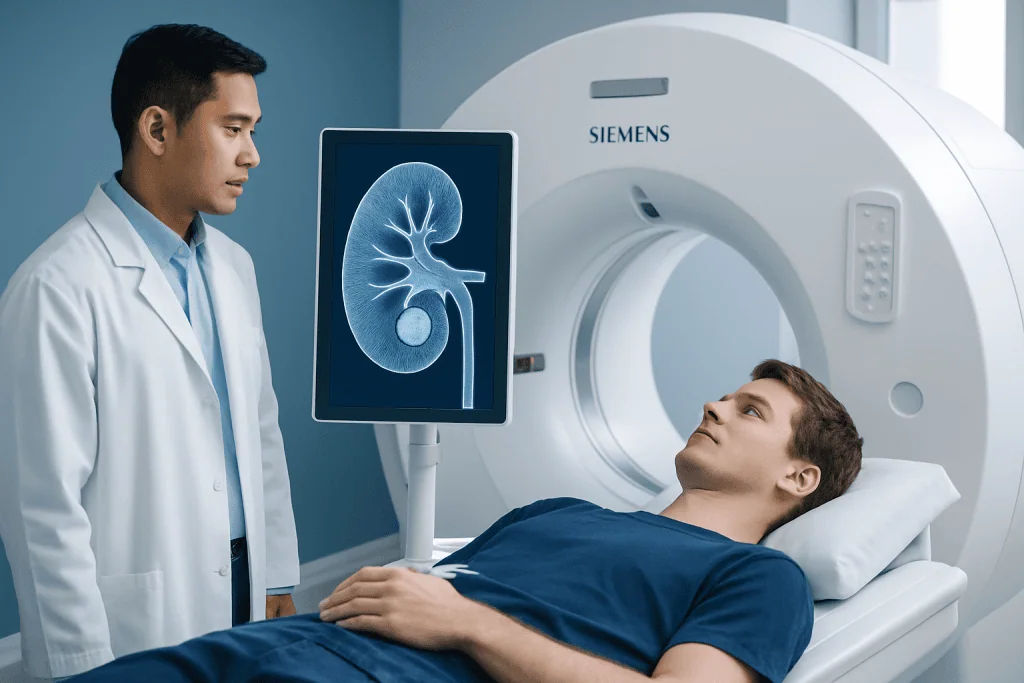
When a kidney stone is suspected, doctors usually look first at red flags such as severe side or back pain, blood in the urine, fever, chills, or repeated vomiting. They then confirm the cause with a medical history, examination, urine testing, blood tests, and imaging such as ultrasound or CT when appropriate.
How energy drinks may increase kidney stone risk
The biggest concern is dehydration. Energy drinks often contain caffeine, which can have a mild diuretic effect in some people, especially at higher intakes or in those who are not used to caffeine. More importantly, energy drinks may be consumed during exercise, long work shifts, travel, or hot weather without enough plain water, which can leave the urine more concentrated and make stones more likely to form.
Sugar content also matters. Many energy drinks contain large amounts of added sugar. Diets high in sugar, especially fructose, may increase the urinary excretion of substances involved in stone formation and can also contribute to weight gain and metabolic problems that are linked to stones.
Some formulations contain sodium, herbal stimulants, or other additives. These ingredients are not proven to directly create stones in most people, but they may add stress to an already unbalanced hydration and dietary pattern. The risk is usually not from one ingredient alone but from repeated exposure combined with low water intake and other risk factors.
It is also helpful to separate energy drinks from other caffeinated beverages. Coffee and tea have been studied differently from energy drinks, and their overall health effects are not the same. An energy drink’s impact often depends on the whole product profile, including sugar content, serving size, and how often it is consumed.
Who may be more vulnerable?

Not everyone has the same chance of developing stones. People with a personal history of kidney stones are more likely to form them again, and those with a family history may also be at higher risk. In these groups, frequent energy drink use may be one more modifiable factor worth discussing with a doctor.
Other common risk factors include not drinking enough fluids, living in a hot climate, heavy sweating, obesity, high sodium intake, and a diet high in animal protein. Certain conditions, such as gout, inflammatory bowel disease, recurrent urinary infections, or disorders that affect calcium or oxalate handling, can also make stones more likely.
Some medications and supplements may play a role as well. High-dose vitamin C, certain diuretics, and some other prescription medicines can influence stone formation in susceptible people. That is why a doctor will usually look at the full picture rather than blaming one beverage alone.
Anyone who already has kidney disease, uncontrolled high blood pressure, or heart rhythm concerns should be especially careful with energy drinks. These products may not only affect stone risk but can also complicate fluid balance and stimulant exposure. In people with broader kidney concerns, evaluation by a specialist may be useful, including kidney disease assessment when symptoms suggest an underlying problem.
Symptoms that may suggest a kidney stone
Kidney stones often cause sudden pain in the side, back, or lower abdomen. The pain may come in waves, shift location, or radiate toward the groin as the stone moves. Some people also notice nausea, sweating, or restlessness because the pain can be intense.
Urinary symptoms can include blood in the urine, cloudy urine, pain with urination, or an urgent need to pass urine more often. Small stones may sometimes pass with only mild symptoms, while larger stones may block urine flow and cause stronger pain.
It is important to remember that not all discomfort after an energy drink is a kidney stone. Dehydration alone can lead to headache, dizziness, dry mouth, dark urine, and general fatigue. A muscle spasm, stomach upset, or even caffeine-related palpitations can also be mistaken for something happening in the kidneys.
If urinary pain and side pain occur together, or if symptoms keep returning, a doctor may consider stones among other causes of flank pain. Depending on the situation, they may also evaluate for kidney stones or infection to make sure the right treatment is chosen.
How doctors diagnose the cause
Diagnosis starts with a careful history. A doctor will ask about where the pain is felt, when it started, whether there is blood in the urine, and how much fluid and caffeine a person usually consumes. They will also ask about past stones, family history, diet, supplements, and any recent dehydration from exercise, illness, or heat exposure.
A urine test can look for blood, crystals, signs of infection, and urine concentration. Blood tests may help assess kidney function, calcium levels, uric acid, and other markers that can point toward why a stone may have formed. If a stone is passed, the doctor may suggest analyzing it because stone type guides prevention.
Imaging is often used if symptoms are significant or the diagnosis is unclear. Ultrasound can identify many stones and is commonly used in situations where avoiding radiation is preferred. CT scanning can be very accurate when the cause of pain needs to be defined quickly or complications are suspected.
In some cases, a specialist evaluation is recommended, especially for recurring stones, larger stones, or signs of blockage. This may include urology care and, when imaging is needed to clarify pain or obstruction, advanced imaging as part of a broader diagnostic plan.
Treatment and practical next steps
Treatment depends on the size of the stone, the symptoms, and whether there is any blockage or infection. Small stones often pass on their own with hydration, pain control, and time. Doctors may recommend monitoring urine output and straining the urine to catch the stone for analysis.
Larger stones, severe pain, repeated vomiting, reduced kidney function, or signs of infection may require more active treatment. Procedures can help break up or remove stones when they are unlikely to pass safely. Depending on the case, treatment options may include kidney stone treatment planned by a urology team.
For people who use energy drinks regularly, reducing or stopping them may be part of prevention after a stone episode. The aim is usually not only to remove one drink but to improve the whole pattern of hydration and diet. Replacing energy drinks with water more often can help lower urine concentration, which is one of the most important protective steps.
Near the end of evaluation, doctors often focus on recurrence prevention. If stones keep happening, a fuller metabolic workup may be needed to identify whether calcium, oxalate, uric acid, citrate, sodium intake, or another factor is the main driver.
Prevention and self-care habits that matter most
The most effective everyday strategy is usually simple: drink enough fluids to keep urine pale yellow unless a doctor has given different instructions. Water is the best main choice for most people. If energy drinks are used, they are less likely to be a problem when they are occasional rather than frequent and are not replacing normal hydration.
Limiting high-sugar drinks can also help. Reading labels is useful because serving sizes can be larger than expected, and some products contain multiple stimulant ingredients. Choosing lower-sugar options may reduce one part of the risk, but they still do not replace water.
Diet matters beyond beverages. Lowering excess sodium, avoiding very high animal protein intake, and following individualized advice for calcium and oxalate can all be important, depending on stone type. People who have already had a stone should ask whether they need targeted dietary guidance rather than relying on generic advice.
If a person notices repeated flank discomfort, dark urine, or headaches after using energy drinks, that is a sign to review hydration habits and reduce intake. For international patients who need coordinated evaluation, Acibadem International’s multidisciplinary specialists at JCI-accredited hospitals diagnose and treat urinary stone disease with individualized care plans.
When to seek medical care
Medical review is a good idea if side or back pain is persistent, keeps coming back, or is accompanied by urinary symptoms. Even if the pain seems to happen after energy drinks, it should not automatically be assumed to be harmless dehydration.
Urgent care is important if there is fever, chills, vomiting that prevents fluid intake, visible blood in the urine, difficulty passing urine, or severe pain that does not improve. These symptoms can suggest a blocked stone or infection, both of which need prompt treatment.
People who are pregnant, have only one kidney, have known kidney disease, or have had repeated stones should seek earlier medical advice. In these situations, even mild symptoms deserve attention because the threshold for complications may be lower.
A doctor can then distinguish between dehydration, infection, stones, and other causes of abdominal or flank pain. That step is reassuring as much as it is diagnostic, because many symptoms that seem worrying turn out not to be a stone at all.
Frequently asked questions
Do energy drinks cause kidney stones directly?
Not usually in a direct, single-cause way. They may increase risk indirectly by contributing to dehydration, high sugar intake, and concentrated urine, especially when used often or instead of water.
Can one energy drink give someone a kidney stone?
A single energy drink is unlikely to cause a stone by itself in most people. Stones usually develop from a combination of factors over time, such as low fluid intake, diet, body chemistry, and personal risk factors.
Is caffeine or sugar the bigger concern for kidney stones?
Both can matter, but dehydration and overall fluid balance are often the most important issues. Sugar-heavy drinks may add risk, while high caffeine intake can make hydration habits worse in some people.
What symptoms after an energy drink should not be ignored?
Severe side or back pain, blood in the urine, fever, chills, vomiting, or trouble passing urine should be medically assessed. These symptoms may point to a kidney stone, infection, or another condition that needs treatment.
How can someone lower kidney stone risk if they drink energy drinks?
The most helpful steps are to reduce how often they are used, drink plenty of water, and avoid relying on them during heat, exercise, or illness. People with a history of stones should also ask a doctor whether specific dietary changes are needed.
Are people with past kidney stones more sensitive to energy drinks?
They may be, because their underlying tendency to form stones is already higher. In that setting, frequent energy drink use can become one more factor that makes recurrence more likely.
References
- National Institute of Diabetes and Digestive and Kidney Diseases
- American Urological Association
- National Kidney Foundation
- Mayo Clinic
- U.S. Centers for Disease Control and Prevention
This article is for general information only and is not a substitute for professional medical advice. Please consult a qualified doctor about your individual situation.
Explore treatments in Turkey — costs, top hospitals & a free quote
JCI-accredited · board-certified surgeons · reply within 24h
Add us as a Preferred Source to see more of our trusted health content across Google Search, AI Overviews and Discover.
Check your numbers in seconds
BMI, calories, due date, blood pressure and 30+ more clinical calculators — free, instant, doctor-reviewed ranges.