Does Chemo Cause Depression: How It Works, Results and What to Expect

Depression during or after chemotherapy is common and treatable, and it is not a personal failure. Low mood may be linked to chemotherapy side effects, the cancer diagnosis, medications, sleep problems, pain or practical pressures.
Key Takeaways
- Depression during or after chemotherapy is common and treatable, and it is not a personal failure.
- Low mood may be linked to chemotherapy side effects, the cancer diagnosis, medications, sleep problems, pain or practical pressures.
- New or worsening sadness, hopelessness, anxiety, anger or loss of interest should be shared with the oncology team early.
- Urgent help is needed for thoughts of self-harm, feeling unsafe, severe confusion or an inability to cope.
- Psychological therapy, supportive care, symptom management and, when appropriate, medicines can all be part of treatment.
Chemotherapy can be associated with depression, anxiety, irritability and emotional changes, although it is rarely the only cause. Cancer itself, treatment side effects, hormonal and inflammatory changes, disrupted routines, and the uncertainty of illness can all affect mental wellbeing.
Does chemo cause depression?
Yes, chemotherapy can contribute to depression, but it does not affect every person in the same way and is usually only one part of a wider picture. A cancer diagnosis, worries about the future, physical symptoms, changes in family or work roles, and the demands of treatment can all place substantial strain on emotional health.
Chemotherapy may indirectly affect mood by causing fatigue, nausea, pain, sleep disturbance, appetite changes or early menopause. Some people also describe problems with concentration or memory, sometimes called “chemo brain,” which can make daily life feel harder. Depression is not an expected burden that someone simply has to endure: it is a health condition that deserves recognition and support.
Low mood can occur before treatment begins, during chemotherapy, between cycles, or after active treatment has finished. Emotional symptoms may improve as the body recovers, but persistent or severe symptoms should be assessed by a qualified clinician, ideally as part of the person’s cancer care.
How chemotherapy and cancer treatment can affect mood
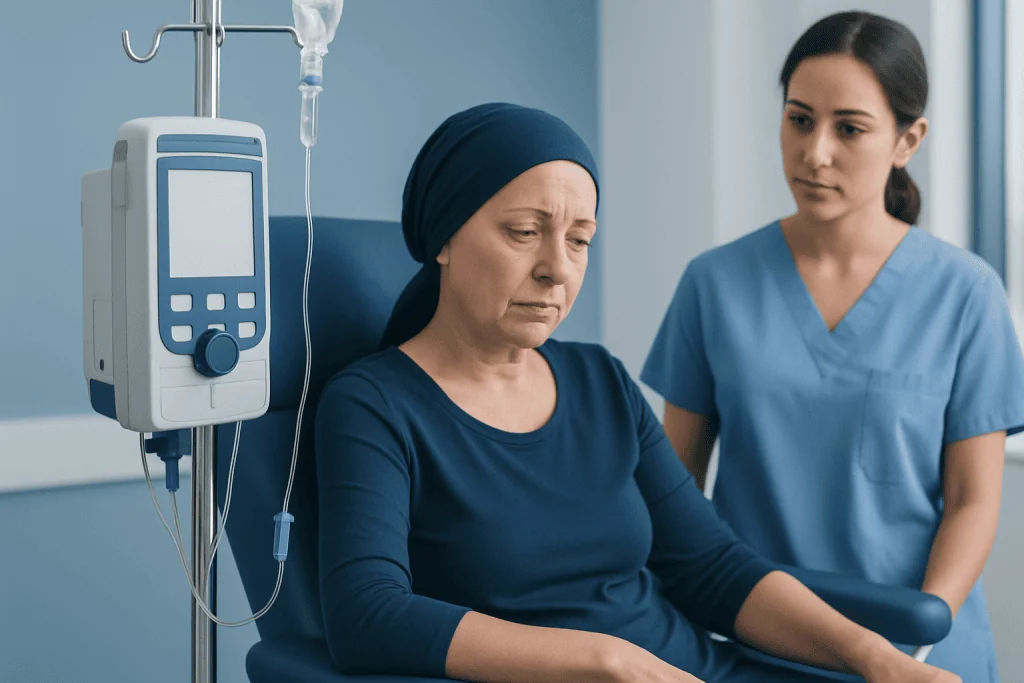
Chemotherapy is systemic treatment, meaning medicines travel through the bloodstream to damage or slow the growth of cancer cells. It is planned by an oncology team according to the cancer type, stage, treatment goal, overall health and other therapies being used. Chemotherapy itself is not considered a single direct cause of depression, but its physical and practical effects can increase vulnerability to it.
Several factors can overlap. Inflammation associated with cancer or treatment may influence energy and mood. Steroids and other supportive medicines can sometimes affect sleep, restlessness or irritability. Hormonal treatments, treatment-related menopause, anemia, thyroid changes, infection, dehydration and poorly controlled pain can also resemble or worsen symptoms of depression.
For this reason, the oncology team should not assume that emotional symptoms are “just part of cancer.” They may review blood tests, medicines, sleep, nutrition, pain control and other reversible causes while arranging emotional support. Individualized chemotherapy care should include attention to both physical and psychological wellbeing.
Who may be more vulnerable to depression during chemotherapy?
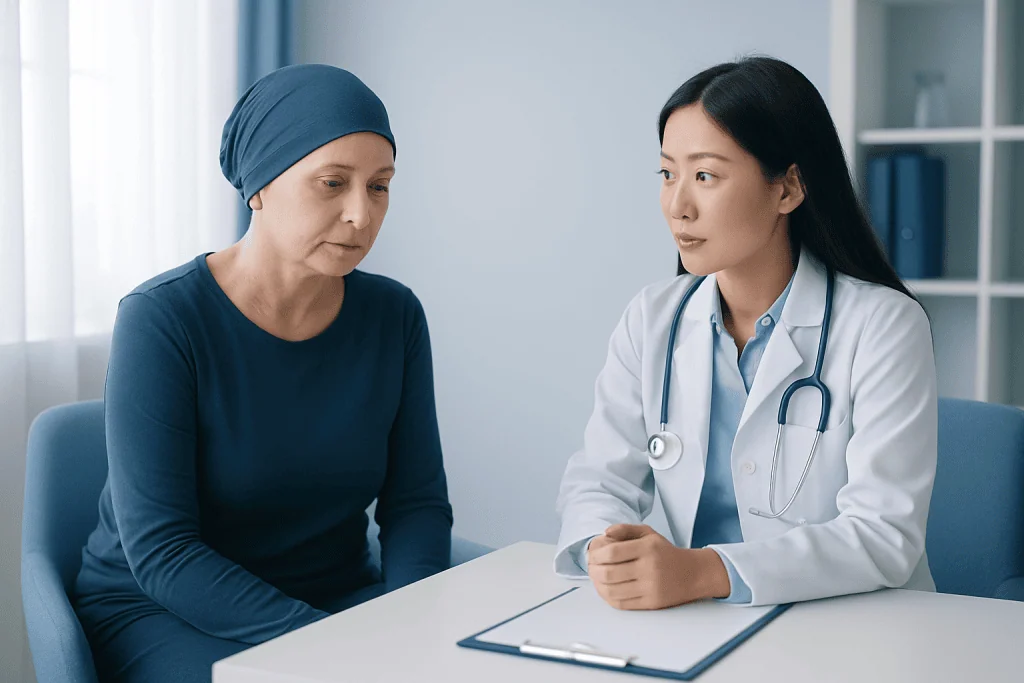
Anyone receiving chemotherapy can experience emotional distress. Risk may be higher for people who have had depression, anxiety, trauma, substance-use difficulties or severe mood symptoms in the past. A family history of mental health conditions can be relevant too, although it does not mean depression is inevitable.
Additional pressures may include severe treatment side effects, advanced cancer, repeated hospital visits, financial or employment concerns, caregiving responsibilities, relationship strain, social isolation, poor sleep, or limited access to practical support. Younger adults, older adults and people with communication barriers may each face distinct challenges, so support should be tailored rather than assumed.
Depression can also occur in people who appear outwardly calm or who have a supportive family. Screening questions about mood, anxiety, sleep and coping are useful throughout treatment. Being open with a cancer nurse, oncologist, primary care doctor or mental health professional can help the team respond before symptoms become more disruptive.
What emotional changes can happen during treatment?
Depression may involve a persistent low, empty or hopeless mood; loss of pleasure in previously meaningful activities; guilt; low motivation; difficulty concentrating; changes in sleep or appetite; or feeling slowed down. During chemotherapy, some symptoms overlap with treatment effects, so the duration, severity and impact on everyday functioning are important clues.
Anxiety is also common. It may show up as ongoing worry, feeling on edge, racing thoughts, physical tension, panic-like symptoms or fear before scans and treatment appointments. Some people have brief periods of emotional numbness, tearfulness or frustration rather than a sustained depressive illness.
Irritability may be directed toward loved ones, clinicians or oneself, especially when fatigue and uncertainty are high. It can be helpful to name these changes without blame. A person does not need to wait until they are in crisis to ask for counselling, symptom relief or a conversation about mental health treatment.
- Keep a simple record of mood, sleep, symptoms and treatment dates.
- Tell the oncology team about any new medication, supplement, alcohol use or change in functioning.
- Ask whether a psycho-oncology, psychiatry, psychology or social work referral is available.
How long does depression last after chemo?
There is no single timeline. For some people, low mood improves over weeks to months as side effects ease, energy returns and life becomes more predictable. Others may have symptoms that persist after chemotherapy, particularly if they are coping with ongoing treatment, fear of recurrence, physical changes, pain or a pre-existing mood condition.
Depression lasting most days for two weeks or more, worsening over time, or interfering with eating, sleeping, relationships, work or self-care should be discussed with a clinician. Prompt support may shorten the impact of symptoms and improve quality of life. Recovery is often gradual rather than linear, with better and more difficult days.
Follow-up after chemotherapy is an appropriate time to review emotional recovery as well as physical health. If depression continues, treatment may include talking therapy, practical support, exercise or rehabilitation plans when medically suitable, and antidepressant medicine when a clinician considers it appropriate and safe alongside cancer treatment.
What are the common symptoms of chemo rage?
“Chemo rage” is not a formal medical diagnosis, but people sometimes use the term for sudden anger, intense irritability, impatience or feeling emotionally overwhelmed during treatment. These reactions can be distressing, particularly when they feel out of character. They do not mean someone is a bad person or coping poorly.
Possible contributors include exhaustion, poor sleep, pain, nausea, stress, loss of control and certain medicines, including corticosteroids used with some chemotherapy regimens. Anger may also mask fear, grief or sadness. A pattern of escalating irritability should be raised with the oncology team, especially if it affects safety or relationships.
Helpful steps can include planning rest, reducing avoidable demands around treatment days, taking a pause before responding during conflict, and identifying a trusted person to contact. Counselling can provide practical skills for managing strong emotions. The care team may also review medicines and symptoms that could be contributing.
What are the worst days after AC chemo?
AC chemotherapy usually refers to doxorubicin (Adriamycin) and cyclophosphamide. Experiences vary, but many people find that the first several days after an infusion are the most difficult because fatigue, nausea, appetite changes, bowel changes and general unwellness may be more noticeable. The timing and intensity depend on the schedule, supportive medicines and the individual person.
Blood counts can fall later in the cycle, often around one to two weeks after treatment, although the exact timing differs. This may increase infection risk. The oncology team will explain the individual schedule for blood tests, growth-factor injections if prescribed, and symptoms that require urgent contact.
It is important to follow the clinic’s specific guidance rather than comparing recovery with another person’s. Contact the oncology unit promptly for fever or chills, signs of infection, persistent vomiting or diarrhea, inability to drink fluids, uncontrolled pain, unusual bleeding, shortness of breath, or a sudden marked decline in wellbeing.
Is it normal to feel anxious after chemotherapy?
Yes, anxiety after chemotherapy is common. People may worry about recovery, scan results, the next cycle, whether treatment worked, or how to return to ordinary routines. Even after active treatment ends, the loss of frequent contact with the treatment team can feel unexpectedly unsettling.
Normal anxiety can still deserve support. Regular meals and fluids, gentle activity if approved by the care team, sleep routines, relaxation exercises and staying connected with trusted people may help. Some people benefit from cancer support groups, individual therapy or a structured rehabilitation program.
Anxiety that is persistent, causes panic, prevents attendance at appointments, severely disrupts sleep, or leads to avoidance of daily activities should be assessed. Clinicians can help distinguish anxiety from medication effects or other medical conditions and can offer evidence-based treatment options.
When to seek medical care
Tell the oncology team or primary care doctor about persistent sadness, severe worry, anger, loss of interest, sleep problems or difficulty coping. Early support can include psychological care, symptom management, social work support and treatment for contributing physical concerns. A referral to mental health services can be a routine, useful part of cancer care.
Seek urgent emergency help immediately if there are thoughts of suicide or self-harm, a plan to cause harm, feeling unable to stay safe, severe agitation, hallucinations, sudden confusion or a major change in behavior. The person should not remain alone if there is an immediate safety concern; a trusted person should contact local emergency services or an urgent crisis service.
For international patients, Acibadem International’s multidisciplinary specialists and JCI-accredited hospitals can coordinate oncology assessment with supportive and mental health care. The goal is to address emotional symptoms alongside cancer treatment in a respectful, individualized way.
Frequently asked questions
Can chemotherapy cause depression directly?
Chemotherapy may contribute to depression through treatment side effects, changes in sleep and energy, medication effects, and the stress of cancer care. However, depression usually develops through several overlapping physical, emotional and social factors. A clinician can help identify likely contributors and recommend support.
Can depression affect cancer treatment?
Depression can make it harder to attend appointments, manage symptoms, eat well, sleep or follow a treatment plan. This is one reason it is important to tell the care team early. Effective support can improve coping and help a person stay engaged in care.
Should antidepressants be avoided during chemotherapy?
Not necessarily. Some antidepressants can be used during cancer treatment, but the oncology team and prescribing clinician should review possible interactions with chemotherapy and other medicines. A person should not start, stop or change psychiatric medication without medical guidance.
How can family members help someone who seems depressed during chemo?
Family members can listen without trying to minimize feelings, offer specific practical help, and encourage the person to mention symptoms to the oncology team. Changes such as hopelessness, withdrawal, talk of death or self-harm, or inability to manage basic needs should be taken seriously. In an immediate safety concern, urgent emergency help is needed.
Is crying during chemotherapy a sign of depression?
Crying can be a normal response to fear, exhaustion, discomfort or uncertainty and does not by itself confirm depression. It is worth discussing if it is frequent, feels uncontrollable, occurs with hopelessness or loss of interest, or affects daily life. The care team can offer screening and support.
Can exercise help depression after chemotherapy?
When approved by the oncology team, gentle physical activity can support sleep, energy, function and mood. The type and amount should be adapted to treatment effects, blood counts, bone health, heart health and overall strength. Exercise is supportive care, not a replacement for professional assessment of significant depression.
References
- National Cancer Institute
- American Cancer Society
- American Society of Clinical Oncology
- World Health Organization
- National Institute of Mental Health
This article is for general information only and is not a substitute for professional medical advice. Please consult a qualified doctor about your individual situation.
Depression in Turkey — costs, top hospitals & a free quote
JCI-accredited · board-certified surgeons · reply within 24h
Add us as a Preferred Source to see more of our trusted health content across Google Search, AI Overviews and Discover.

More from the Health Library



Related Specialists

Prof. Dr. A. Çağrı Büke
Infectious Diseases & Clinical Microbiology
Büşra Zeybek
Physical Medicine & Rehabilitation
Assoc. Prof. Dr. Muhammet Ahmet Karakaya
Anesthesiology
Dr. Emel Çolakoğlu
Ophthalmology