Does Nerve Damage Repair: Procedure, Recovery and Results

Mild nerve injuries may improve when pressure, inflammation or a reversible medical cause is addressed. Peripheral nerves can regrow after certain injuries, but recovery commonly takes months and may not be complete.
Key Takeaways
- Mild nerve injuries may improve when pressure, inflammation or a reversible medical cause is addressed.
- Peripheral nerves can regrow after certain injuries, but recovery commonly takes months and may not be complete.
- Nerve repair procedures are most useful for selected injuries, especially when a nerve has been cut, trapped or severely damaged.
- Rehabilitation helps protect function, maintain movement and support recovery after nerve injury or surgery.
- Sudden weakness, new loss of bladder or bowel control, or symptoms after a major injury need urgent medical assessment.
Does nerve damage repair? Some damaged peripheral nerves can heal, and severed nerves may regrow after repair, but recovery is often slow and may be incomplete. The outlook depends on the type of nerve injury, how long it has been present, the affected area and whether the underlying cause can be treated.
Overview: Can Nerve Damage Repair?
Whether nerve damage repairs depends on which nerves are involved and what caused the injury. The peripheral nerves outside the brain and spinal cord have some ability to regenerate. If the nerve remains intact but bruised, stretched or compressed, function may return as swelling settles and the nerve fibers recover. If a nerve is completely divided, it generally cannot reconnect correctly without specialist evaluation and, in some cases, surgery.
When people ask, “does nerve damage ever repair itself?”, the answer is sometimes. Recovery is more likely when the injury is mild, the cause is removed early and the nerve’s supporting structures are preserved. Damage to the brain or spinal cord follows different biological processes and is less likely to regenerate in the same way as a peripheral nerve.
Nerve healing is usually gradual. Regenerating peripheral nerve fibers may advance only a short distance each day, so recovery can take weeks, months or longer. Symptoms may improve before full sensation or strength returns, and some people have lasting numbness, weakness, pain or altered sensation despite appropriate care.
What Nerve Damage Can Feel Like
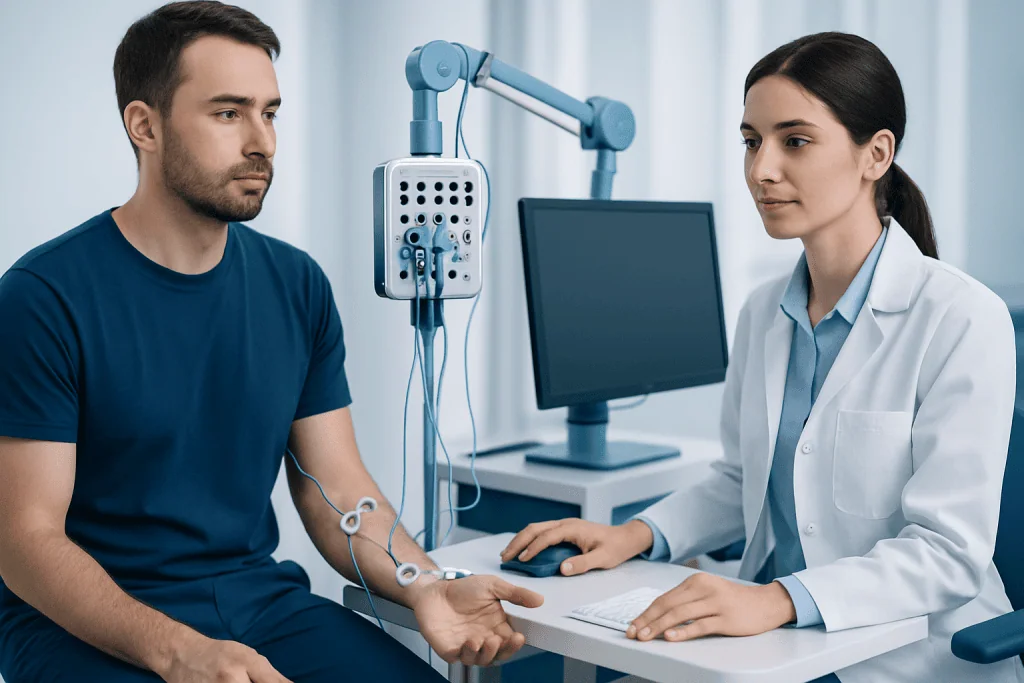
Nerves carry sensory information, activate muscles and help regulate functions such as sweating, blood vessel tone and digestion. Symptoms vary according to the nerve type and body region affected. A person may notice tingling, pins and needles, numbness, burning pain, electric-shock sensations, reduced sensitivity to temperature, muscle weakness or poor coordination.
Motor nerve damage can make it difficult to lift the foot, grip objects, raise an arm or control facial movements. Sensory loss can increase the chance of unnoticed cuts, burns or pressure injuries, particularly in the feet. Autonomic nerve symptoms may include dizziness on standing, unusual sweating or changes in bowel, bladder or sexual function.
Symptoms alone cannot show the exact severity of an injury. For example, severe pain does not always mean severe structural damage, and profound numbness can occur with a potentially treatable compressed nerve. A clinical assessment is important when symptoms persist, worsen or interfere with daily activities.
- Neuropraxia: a temporary conduction problem, often from pressure or stretching, with no complete disruption of the nerve.
- Axonal injury: nerve fibers are damaged and must regenerate, often over a longer period.
- Nerve transection: the nerve is cut or separated and may require repair or reconstruction.
Causes and Factors That Affect Recovery

Peripheral nerve injury can result from cuts, fractures, dislocations, crush injuries, repetitive pressure, surgery, burns or prolonged positioning. Common compression-related problems include carpal tunnel syndrome and ulnar nerve compression at the elbow. Nerve dysfunction can also develop from diabetes, vitamin deficiencies, thyroid disease, kidney disease, alcohol use, infections, autoimmune conditions, some medicines and cancer treatments.
Does nerve damage repair over time? It may, particularly when the cause is reversible. Relieving pressure on a nerve, improving blood sugar management, correcting a nutritional deficiency or stopping a harmful exposure may allow healing to begin. However, long-standing compression, severe trauma and uncontrolled medical conditions can reduce the chance of full recovery.
Age, smoking, circulation, nutrition, the distance between the injury and the muscle or skin area supplied by the nerve, and the time before treatment can all influence results. Injuries closer to the hand or foot may have a longer distance to regrow, which can make recovery more limited. Early assessment after a significant injury helps identify situations where intervention should not be delayed.
How Nerve Damage Is Diagnosed
A clinician begins by asking when symptoms started, whether there was an injury or operation, how symptoms have changed and whether there are medical conditions that affect nerves. Examination may include testing strength, reflexes, sensation, balance, muscle bulk and the pattern of symptoms along a particular nerve or nerve root.
Nerve conduction studies and electromyography (EMG) can help identify where a nerve is affected and whether the problem mainly involves the nerve covering, nerve fibers or muscles. These tests may also help track recovery over time. Blood tests can look for treatable contributors such as diabetes, vitamin deficiency, thyroid disorders or inflammation.
Ultrasound, MRI or other imaging may be used when a structural cause is suspected, such as a trapped nerve, scar tissue, mass, fracture-related injury or spinal problem. The findings guide treatment planning; they also help distinguish peripheral nerve damage from conditions involving the brain, spinal cord or muscles.
Nerve Repair Procedures: How They Work and Who May Benefit
Nerve repair surgery is considered when a peripheral nerve has been cut, severely damaged, trapped, or fails to recover as expected. It may also be appropriate when imaging and electrical testing suggest that scar tissue or compression is preventing function from returning. The decision is individualized and typically involves a peripheral nerve surgeon, neurologist, rehabilitation team and, when relevant, orthopedic or plastic surgery specialists.
During a procedure, the surgeon first identifies the injured nerve and evaluates healthy tissue on both sides. Depending on the problem, treatment may involve releasing pressure around the nerve, removing scar tissue, directly joining clean nerve ends under magnification, or bridging a gap with a nerve graft or processed nerve substitute. In selected cases, a nerve transfer may connect a working donor nerve branch to restore an important movement or sensation.
These operations aim to create the best conditions for nerve fibers to grow toward their target tissues. They cannot guarantee normal function, particularly after extensive injuries or delays in treatment. Patients considering surgery may benefit from discussing peripheral nerve surgery with an experienced specialist, including the expected goals for movement, feeling, pain relief and rehabilitation.
Candidacy depends on the injury pattern, time since injury, location, remaining muscle function, general health and personal goals. Surgery may not be needed for every nerve problem. For some compression disorders, non-surgical measures or targeted decompression may be more appropriate than nerve reconstruction.
Recovery Timeline, Rehabilitation, Benefits and Risks
Recovery after nerve injury or repair is measured in months rather than days. After surgery, the affected area may need protection with a dressing, splint or activity restrictions while the wound heals. Follow-up visits monitor healing, movement, sensation and signs of nerve regeneration. Rehabilitation may include hand therapy, physiotherapy, range-of-motion exercises, splinting, sensory re-education and strategies to prevent stiffness or accidental injury.
It is common to wonder, “does nerve recovery hurt?” Tingling, brief shooting sensations, itching or sensitivity can occur as nerves recover, but these sensations are not a reliable measure of successful regeneration. Persistent burning pain, worsening pain, marked swelling, color changes or pain that prevents sleep should be discussed with the treating clinician, as pain management and reassessment may be needed.
Potential benefits of repair include improved protective sensation, muscle function, coordination and independence. Possible risks include infection, bleeding, wound problems, scarring, persistent numbness or pain, stiffness, incomplete recovery and the need for further treatment. If a graft is taken from another area of the body, there may also be numbness or discomfort at the donor site.
The pace and degree of recovery are highly individual. Regular rehabilitation and follow-up give clinicians opportunities to adjust therapy, monitor complications and discuss additional options if progress is limited. Protecting numb areas from heat, sharp objects and prolonged pressure remains important during recovery.
Supporting Nerve Health and Preventing Further Damage
Not all nerve injuries can be prevented, but managing underlying health conditions can reduce further damage. People with diabetes should work with their healthcare team on glucose management and routine foot care. A varied diet, limiting alcohol, avoiding tobacco, regular physical activity within individual ability and treating vitamin or hormone disorders can support overall nerve health.
For repetitive strain or compression problems, ergonomic adjustments, regular breaks, appropriate protective equipment and avoiding prolonged pressure on elbows, wrists or legs may help. Activities that repeatedly provoke symptoms should be modified until a clinician provides guidance. Self-treatment should not replace evaluation when weakness, muscle wasting or continuing numbness is present.
Some neuropathies are linked to broader medical conditions. For instance, people with persistent symmetrical tingling or burning in the feet may need assessment for diabetic neuropathy and other treatable causes. Acibadem International’s multidisciplinary specialists and JCI-accredited hospitals diagnose and treat nerve conditions for international patients, with rehabilitation planning tailored to the individual’s needs.
When to Seek Medical Care
Medical assessment is advisable for new numbness, tingling, weakness, burning pain or loss of coordination that lasts more than a short time, recurs, spreads or affects work, walking, sleep or daily tasks. It is especially important after a laceration, fracture, dislocation, crush injury or surgery when a person cannot move or feel part of a limb normally.
Urgent care is needed for sudden one-sided weakness, facial drooping, speech difficulty, severe sudden headache, new trouble walking, loss of bladder or bowel control, numbness in the groin area, or symptoms following significant head, neck or back trauma. These signs can have causes beyond a peripheral nerve injury and should be assessed promptly.
A clinician can determine whether monitoring, medication for symptoms, rehabilitation, treatment of an underlying condition or referral to a nerve specialist is appropriate. Timely evaluation offers the best opportunity to address reversible causes and protect function.
Frequently asked questions
Does nerve damage repair itself?
Some peripheral nerve injuries can improve without surgery, particularly when they are caused by temporary pressure, swelling or mild stretching. Recovery is less predictable when nerve fibers are severely damaged or the nerve is completely cut. A clinician can help determine the type of injury and whether treatment is needed.
How long does nerve damage take to heal?
Healing time varies widely. Mild compression-related symptoms may improve over days to weeks, while regeneration after a more serious peripheral nerve injury may take many months. The location of the injury, underlying health conditions and treatment timing all affect recovery.
Can a completely severed nerve grow back?
A completely severed peripheral nerve may be able to regenerate if the nerve ends are repaired or reconstructed in a suitable way. Without appropriate alignment, growing nerve fibers may not reach their original targets effectively. Even after surgery, recovery may be partial rather than complete.
Does nerve recovery hurt?
Tingling, sensitivity, itching or brief shooting sensations may occur during recovery, but pain patterns vary and do not prove that a nerve is healing. Ongoing severe, worsening or disruptive pain should be evaluated. Clinicians can offer approaches to manage nerve-related pain safely.
What helps nerves recover?
Treating the cause is central, such as relieving compression, managing diabetes, correcting a deficiency or repairing a traumatic injury when indicated. Rehabilitation, protecting numb areas from injury, adequate nutrition and avoiding tobacco can support recovery. Supplements or alternative treatments should be discussed with a healthcare professional before use.
When is nerve repair surgery considered?
Surgery may be considered after a cut nerve, severe traumatic injury, ongoing nerve compression, or insufficient recovery with observation and rehabilitation. The decision is based on examination findings, nerve testing, imaging and the time since injury. A specialist can explain the likely benefits and limitations for the individual situation.
References
- National Institute of Neurological Disorders and Stroke
- National Institute of Arthritis and Musculoskeletal and Skin Diseases
- American Academy of Orthopaedic Surgeons
- Mayo Clinic
- Merck Manual Consumer Version
This article is for general information only and is not a substitute for professional medical advice. Please consult a qualified doctor about your individual situation.
Joint and spine care in Turkey — expert assessment & treatment
JCI-accredited · board-certified surgeons · reply within 24h
Add us as a Preferred Source to see more of our trusted health content across Google Search, AI Overviews and Discover.

More from the Health Library



Related Specialists

Fzt. Perihan Yıldız
Physical Medicine & Rehabilitation
Dr. Nalan Karadağ
Cardiology
Assoc. Prof. Dr. Muhammet Ahmet Karakaya
Anesthesiology
Miray Karaoğlu
Physical Medicine & Rehabilitation