Doppio: A Complete Medical Overview

A doppio is a double espresso, not a medical condition. Its health effects mainly relate to caffeine sensitivity, serving size, and how often it is consumed.
Key Takeaways
- A doppio is a double espresso, not a medical condition.
- Its health effects mainly relate to caffeine sensitivity, serving size, and how often it is consumed.
- Common short-term effects include alertness, faster heart rate, jitteriness, acid symptoms, and sleep disruption.
- People with certain heart, digestive, anxiety, or pregnancy-related concerns may need to limit caffeine.
- Persistent chest pain, severe palpitations, fainting, or significant breathing difficulty after caffeine require prompt medical evaluation.
Doppio is the Italian term for a double shot of espresso, commonly served as a concentrated coffee drink. From a health perspective, the main questions are how much caffeine it contains, how it may affect the body, and when symptoms after drinking coffee may need medical attention.
Overview: What a Doppio Means
A doppio is the standard Italian term for a double shot of espresso. In practical terms, it means two espresso shots served together, creating a stronger and larger coffee than a single espresso. For many people, the main health question is not the name itself, but the amount of caffeine and how the body responds to it.
Espresso is made by forcing hot water through finely ground coffee under pressure. Because it is concentrated, a doppio may deliver noticeable effects quickly, especially when consumed on an empty stomach or by someone who is sensitive to caffeine. The exact caffeine amount varies by bean type, roast, preparation method, and cup size.
For most healthy adults, moderate caffeine intake can fit into a balanced lifestyle. However, a doppio may trigger symptoms in some people, including shakiness, heart pounding, stomach discomfort, anxiety, or trouble sleeping. Understanding personal tolerance is often more important than focusing on the coffee style alone.
How a Doppio Affects the Body
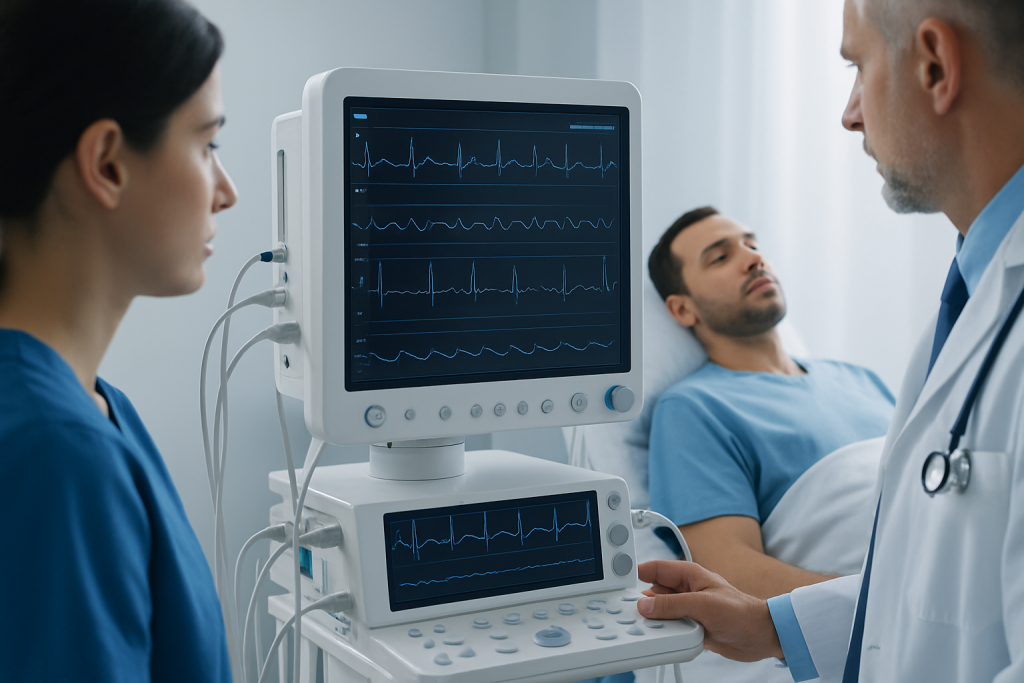
The active component that most strongly affects health is caffeine, a natural stimulant. Caffeine works mainly on the brain and nervous system, where it can increase alertness, improve concentration for some people, and temporarily reduce feelings of fatigue. These effects may begin within minutes and can last for several hours.
A doppio can also affect the cardiovascular and digestive systems. Some people notice a faster heartbeat, mild rise in blood pressure, or a sensation of palpitations after espresso. Others may experience acid reflux, stomach irritation, or a need to use the bathroom sooner than usual, especially if they already have a sensitive digestive system.
The body handles caffeine differently from person to person. Age, body size, liver metabolism, usual coffee intake, medicines, sleep quality, and pregnancy can all influence how strongly a doppio is felt. Someone who drinks espresso daily may tolerate it well, while another person may feel unwell after only a small amount.
It is also helpful to remember that coffee is more than caffeine alone. Espresso contains compounds such as antioxidants and acids, which may contribute to both beneficial and unwanted effects. This is why two people drinking the same doppio can have very different experiences.
Possible Symptoms and Side Effects

Most short-term effects of a doppio are mild and temporary. Common symptoms include feeling more awake, restlessness, jitteriness, hand tremor, mild headache, sweating, or difficulty relaxing. These are usually more likely when a person drinks espresso quickly, combines it with other caffeinated products, or is not used to caffeine.
Sleep disturbance is another frequent issue. Even when taken earlier in the day, a doppio may interfere with falling asleep or reduce sleep quality in sensitive individuals. Poor sleep can then increase the desire for more caffeine the next day, creating a cycle that is hard to recognize.
Digestive effects may include heartburn, bloating, nausea, or upper abdominal discomfort. In people with underlying digestive conditions, coffee can sometimes aggravate symptoms. For example, those who live with gastritis or reflux may find that concentrated coffee is more irritating than milder drinks.
Less commonly, higher caffeine intake can contribute to marked anxiety, panic-like symptoms, significant palpitations, or lightheadedness. These symptoms do not always mean there is a serious disease, but they should not be ignored if they are severe, repetitive, or new for that person.
Who May Need Extra Caution
Some groups may be more affected by a doppio than others. People with anxiety disorders, panic symptoms, insomnia, acid reflux, peptic irritation, or certain heart rhythm concerns often notice stronger side effects from concentrated caffeine. Those with known arrhythmia should ask their doctor whether caffeine limits are appropriate for their specific condition.
Pregnant individuals are often advised to monitor total daily caffeine intake carefully, because caffeine crosses the placenta and is metabolized more slowly during pregnancy. Children and adolescents should also be more cautious, as stimulant effects can be more pronounced in smaller bodies and developing nervous systems.
Medication interactions are another reason to pay attention. Some decongestants, asthma medicines, stimulant medications, and certain supplements may add to caffeine-related symptoms such as rapid heartbeat or nervousness. In addition, some antibiotics and other medicines can slow caffeine breakdown, making a doppio feel much stronger than expected.
People with uncontrolled high blood pressure, frequent chest symptoms, or unexplained fainting should not assume coffee is the only reason they feel unwell. In these situations, a healthcare professional can help determine whether symptoms are simply caffeine-related or whether another medical issue needs evaluation.
How Doctors Evaluate Symptoms After Espresso
When symptoms seem linked to a doppio, doctors usually begin with a detailed history. They may ask how much coffee and other caffeine products were consumed, when symptoms started, whether similar episodes have happened before, and whether the person has any medical conditions or takes regular medications. This timeline often provides important clues.
If symptoms include palpitations, chest discomfort, dizziness, or shortness of breath, a physical examination may be followed by tests such as blood pressure measurement, blood work, or an electrocardiogram. Depending on the pattern of symptoms, further heart evaluation may be considered, including electrocardiogram testing or Holter monitoring.
When digestive symptoms are prominent, clinicians may explore reflux, gastritis, ulcer disease, or other causes of upper abdominal discomfort. In selected cases, evaluation by a gastroenterology specialist may be appropriate, particularly if symptoms persist despite reducing caffeine or if warning signs are present.
The aim of diagnosis is not simply to label coffee as the cause. It is to identify whether a doppio is acting as a trigger for an underlying issue, whether total caffeine intake is excessive, or whether a separate condition needs treatment.
Management, Safer Use, and Treatment Options
If a doppio causes unwanted effects, the first step is usually to reduce or avoid caffeine and see whether symptoms improve. Some people do better by choosing a single espresso, drinking coffee only with food, limiting intake to earlier in the day, or switching to lower-caffeine options. Good hydration and regular meals can also help reduce shakiness or stomach irritation.
When symptoms are mild, supportive self-care is often enough. Rest, avoiding further caffeine for the day, and paying attention to sleep can make a noticeable difference. If reflux or upper stomach discomfort is a recurring issue, a doctor may recommend dietary adjustments or medical treatment based on the underlying diagnosis. In some situations, specialist evaluation such as endoscopy may be useful.
If caffeine seems to trigger panic, severe anxiety, or repeated palpitations, treatment focuses on the underlying problem rather than the coffee alone. That may include lifestyle changes, medication review, heart assessment, or support for anxiety management. For persistent digestive symptoms, clinicians may assess conditions such as reflux disease and tailor treatment accordingly.
Near the end of the care pathway, some patients benefit from coordinated specialist input. Acibadem International’s multidisciplinary specialists and JCI-accredited hospitals diagnose and treat caffeine-related symptom triggers, including cardiac and digestive conditions, for international patients.
Prevention and Self-care Tips
Prevention starts with knowing total daily caffeine intake, not only the number of coffees. A person may consume caffeine from tea, energy drinks, cola, chocolate, pre-workout products, and some headache medicines. Looking at the whole picture can explain why a single doppio sometimes feels much stronger than expected.
It can help to keep a simple symptom diary for one to two weeks. Recording the time of coffee intake, food eaten, sleep quality, medications, and symptoms may reveal patterns that are easy to miss otherwise. This approach is especially useful for people who experience racing heart, heartburn, headaches, or poor sleep after espresso.
Practical habits may reduce side effects:
- Choose smaller portions or less concentrated coffee.
- Avoid drinking a doppio late in the day.
- Do not combine coffee with multiple other caffeinated products.
- Drink it with food if an empty stomach worsens symptoms.
- Reduce intake gradually to avoid caffeine-withdrawal headache.
Self-care is helpful, but it is not a substitute for medical advice when symptoms are severe or unusual. Any major change in how the body responds to caffeine deserves attention, especially in someone who previously tolerated coffee well.
When to Seek Medical Care
Medical advice is appropriate if symptoms after a doppio are frequent, severe, or difficult to explain. This includes repeated palpitations, persistent upper abdominal pain, significant reflux, worsening anxiety, or ongoing sleep problems that affect daily life. A clinician can help decide whether coffee is the main issue or only one contributing factor.
Urgent medical care is important for chest pain, fainting, severe shortness of breath, confusion, seizure, or a very rapid or irregular heartbeat that does not settle. These symptoms should not be dismissed as simple caffeine sensitivity, especially in older adults or in people with known heart disease.
People who are pregnant, have diagnosed arrhythmias, take stimulant-type medicines, or have chronic digestive disease may want individualized guidance even if symptoms are not dramatic. A tailored plan can be safer than relying on general advice alone.
Frequently asked questions
What is a doppio?
A doppio is a double shot of espresso. It is a coffee term rather than a medical term, and its health relevance comes mainly from its caffeine content.
How much caffeine is in a doppio?
The caffeine amount varies depending on the beans, machine, and serving size. In general, a doppio contains more caffeine than a single espresso, but the exact amount can differ significantly between cafes and home machines.
Is drinking a doppio bad for health?
For many healthy adults, an occasional doppio can be part of normal coffee intake. It may become a problem if it causes palpitations, anxiety, reflux, sleep problems, or if total daily caffeine intake becomes too high.
Can a doppio cause heart palpitations?
Yes, caffeine in a doppio can cause or worsen palpitations in some people. If palpitations are new, severe, associated with dizziness or chest pain, or happen repeatedly, medical assessment is important.
Can a doppio upset the stomach?
Yes, espresso can trigger heartburn, stomach irritation, or nausea in some individuals. This is more likely in people with reflux, gastritis, or when coffee is consumed on an empty stomach.
Who should be careful with doppio coffee?
People with anxiety, sleep problems, reflux, certain heart rhythm issues, pregnancy, or sensitivity to stimulants may need extra caution. Those taking medications that interact with caffeine should also ask a doctor for advice.
When should someone see a doctor after drinking a doppio?
A doctor should be consulted if symptoms are strong, keep recurring, or interfere with daily life. Emergency care is needed for chest pain, fainting, severe breathing difficulty, or a sustained fast or irregular heartbeat.
This article is for general information only and is not a substitute for professional medical advice. Please consult a qualified doctor about your individual situation.
Explore treatments in Turkey — costs, top hospitals & a free quote
JCI-accredited · board-certified surgeons · reply within 24h
Add us as a Preferred Source to see more of our trusted health content across Google Search, AI Overviews and Discover.
Check your numbers in seconds
BMI, calories, due date, blood pressure and 30+ more clinical calculators — free, instant, doctor-reviewed ranges.

More from the Health Library

Infectious Pimple: What Patients Need to Know

Inflamed Gallbladder: What Patients Need to Know

Dont Semen Inside: What Patients Need to Know

Patches of Goosebumps on Arm — Explained by Medical Evidence, Not Myths

Magic Mouthwash Recipe: A Complete Medical Overview