Dravet Syndrome: Symptoms, Causes, and Treatment Options

Dravet syndrome usually begins in infancy with recurrent seizures, often during fever or overheating. Most cases are associated with a change in the SCN1A gene, although not every child has the same genetic finding.
Key Takeaways
- Dravet syndrome usually begins in infancy with recurrent seizures, often during fever or overheating.
- Most cases are associated with a change in the SCN1A gene, although not every child has the same genetic finding.
- Treatment often combines anti-seizure medicines, emergency seizure plans, trigger reduction, and developmental support.
- Some standard seizure medicines can worsen Dravet syndrome, so specialist diagnosis is important.
- Children with Dravet syndrome need regular follow-up for seizures, learning, movement, sleep, and overall health.
Dravet syndrome is a rare, severe form of epilepsy that usually starts in the first year of life, often with prolonged seizures triggered by fever or temperature changes. It is most often linked to a gene change, and care focuses on seizure control, safety, development, and long-term support.
Overview
Dravet syndrome is a rare genetic epilepsy syndrome that begins in infancy and causes frequent, often prolonged seizures that can be difficult to control. In addition to seizures, many children develop challenges with learning, behavior, balance, movement, sleep, and growth over time. The condition is lifelong, but early recognition and specialist care can help improve safety and day-to-day management.
A common early pattern is a seizure in the first year of life in a baby who had previously seemed to be developing typically. The first seizure may happen with a fever, after a vaccination because of fever, or during overheating from a warm bath or hot weather. This does not mean vaccination causes Dravet syndrome; rather, fever or a rise in body temperature can trigger seizures in a child who already has the underlying condition.
Dravet syndrome belongs to a broader group of epilepsy disorders, but it has features that make it distinct. Seizures often change in type over time, and development may slow after the first year or two of life. Because treatment choices can differ from those used in other epilepsies, an accurate diagnosis is especially important.
Symptoms and how the condition changes over time
The earliest symptom is usually a prolonged seizure, often lasting more than five minutes, in the first year of life. At first, seizures may affect one side of the body or alternate sides, but generalized seizures can also occur. They are often triggered by fever, infection, overheating, flashing lights, excitement, or physical exertion.
As the child grows, the seizure pattern may become more varied. Seizure types can include generalized tonic-clonic seizures, myoclonic seizures, focal seizures, and absence-like episodes. Some children have episodes of status epilepticus, meaning a seizure lasts a long time or repeated seizures occur without full recovery in between, which needs urgent medical attention.
Non-seizure symptoms often become more noticeable in toddlerhood and early childhood. These may include delayed speech and language, learning difficulties, unsteady walking, low muscle tone, poor coordination, attention problems, autistic-like features, sleep disturbance, and sensitivity to heat. Not every child has the same combination or severity of symptoms, but the broad impact on development is one reason Dravet syndrome needs a comprehensive care plan.
Causes and risk factors

Dravet syndrome is most commonly caused by a change in the SCN1A gene, which helps nerve cells regulate electrical signaling in the brain. When this gene does not work as expected, the brain becomes more prone to abnormal electrical activity and seizures. In many children, the gene change happens for the first time in that child and is not inherited from a parent.
Not every person with Dravet syndrome has an SCN1A variant, and not every SCN1A variant leads to classic Dravet syndrome. Other genes can rarely be involved, and clinical features remain important even when early genetic testing is not conclusive. This is why neurologists use both the child’s history and test results to make the diagnosis.
There is usually no action a parent took that caused the condition. However, certain factors can trigger seizures in a child who has Dravet syndrome, including:
- Fever or common childhood infections
- Overheating from hot weather, warm baths, or heavy clothing
- Sleep deprivation
- Physical overexertion
- Emotional stress or excitement
- Flashing or patterned light in some children
Knowing these triggers does not prevent the syndrome itself, but it can help reduce seizure risk and support safer daily routines.
How Dravet syndrome is diagnosed
Diagnosis starts with a careful history of the first seizures, the child’s age at onset, possible triggers, seizure duration, and developmental milestones. A pattern of prolonged seizures beginning in infancy, especially with fever sensitivity, often raises suspicion. Parents or caregivers are often asked to describe the episodes in detail or share videos if available.
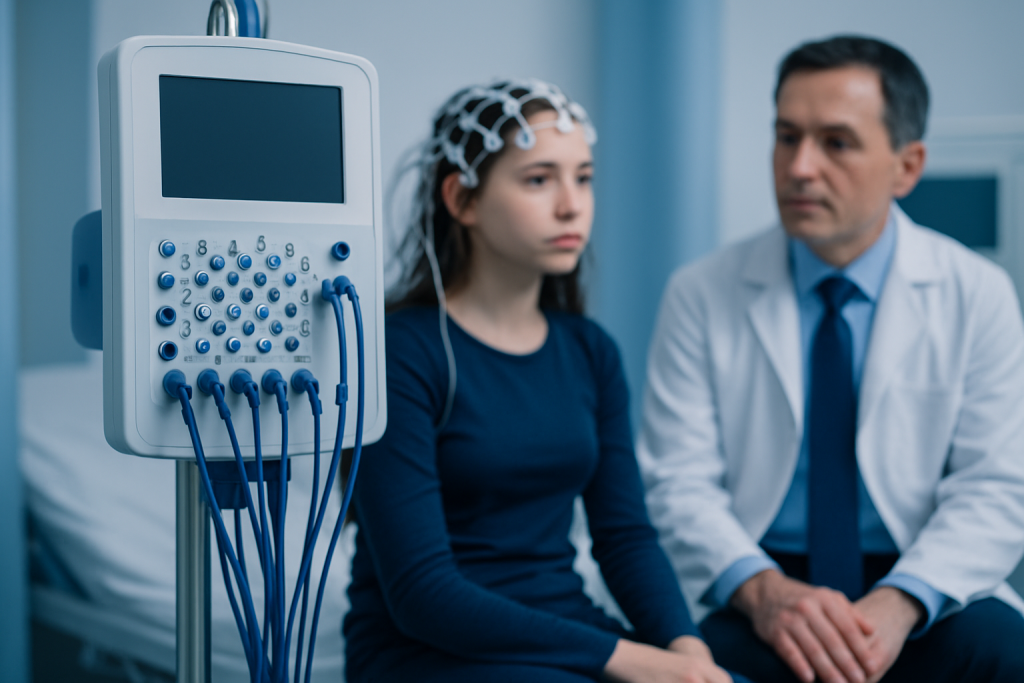
Tests may include an electroencephalogram (EEG), brain MRI, and genetic testing. Early EEG and MRI can sometimes appear normal, especially near the start of the condition, so normal results do not rule Dravet syndrome out. Over time, EEG findings may change, but they are only one piece of the overall picture.
Genetic testing is especially helpful because it can confirm an SCN1A-related epilepsy and guide treatment choices. This matters because some sodium channel-blocking anti-seizure medicines may worsen seizures in Dravet syndrome. Evaluation is often carried out by a pediatric neurologist or epilepsy specialist, and some children may need neurology care with coordinated input from genetics, rehabilitation, and developmental teams.
Treatment options and long-term management
There is no single cure for Dravet syndrome, so treatment focuses on reducing seizures, preventing emergencies, and supporting development and quality of life. Care is individualized because seizure types, medication responses, and associated challenges vary from one child to another. Families usually work closely with a pediatric neurologist to adjust treatment over time.
Treatment may include anti-seizure medicines commonly used for Dravet syndrome, along with a rescue medication plan for prolonged seizures. Some children may also benefit from dietary therapy such as a ketogenic diet under specialist supervision. In selected cases, device-based or advanced epilepsy approaches may be considered through epilepsy treatment programs.
Equally important are non-drug supports. These may include physical therapy, occupational therapy, speech and language therapy, educational planning, sleep management, and behavioral support. If seizures remain difficult to control or the diagnosis is uncertain, doctors may assess the child within a specialized pediatric neurology service and consider broader evaluation of brain and nerve surgery options only in carefully selected situations where they are appropriate.
Families are also taught how to respond to prolonged seizures, when to use rescue medicine, and when to call emergency services. This emergency plan is a key part of care because Dravet syndrome can involve severe seizure episodes that need prompt treatment.
Daily care, prevention, and self-care strategies
Although Dravet syndrome cannot usually be prevented, many families can lower seizure triggers with practical routines. Keeping the child cool, treating fever promptly according to medical advice, encouraging regular sleep, and avoiding excessive overheating can all help. Illness plans are also useful because common infections may increase seizure risk.
Safety planning is part of everyday care. Children should be supervised closely around water, during bathing, and during activities at heights. Caregivers, relatives, teachers, and school staff should know the child’s seizure action plan, how to place the child safely during a seizure, and when emergency help is needed.
Long-term care also includes attention to nutrition, mobility, communication, and emotional well-being. Parents may need support navigating therapy services, school accommodations, and respite care. Near the end of the care pathway, families looking for international specialist assessment may wish to know that Acibadem International’s multidisciplinary specialists and JCI-accredited hospitals diagnose and treat complex neurological conditions for international patients.
When to seek medical care
Medical care is needed promptly for any infant who has a first seizure, especially if the seizure is prolonged, associated with fever, or followed by unusual sleepiness or difficulty waking. An urgent specialist review is also important when seizures begin in the first year of life and happen repeatedly or are triggered by temperature changes.
Emergency help should be sought if a seizure lasts more than five minutes, if repeated seizures occur without full recovery, if breathing seems difficult, if the child is injured, or if recovery is unusually slow. Families who already have a seizure action plan should follow it while seeking appropriate medical help.
Regular follow-up is important even between seizures. New concerns such as developmental delay, balance problems, behavior changes, feeding difficulty, sleep disruption, or side effects from medication should be discussed with a qualified doctor. Early review can help the child receive the right tests, treatment adjustments, and support services.
Frequently asked questions
What is Dravet syndrome?
Dravet syndrome is a rare and severe epilepsy syndrome that usually starts in the first year of life. It causes recurrent seizures and may also affect development, movement, behavior, and sleep over time.
What causes Dravet syndrome?
Most cases are linked to a change in the SCN1A gene, which affects how brain cells send electrical signals. In many children, this genetic change happens spontaneously and is not inherited from a parent.
What are the early signs of Dravet syndrome?
A common early sign is a prolonged seizure in infancy, often during fever or overheating. Recurrent seizures triggered by temperature changes, especially in a previously healthy baby, can be an important clue.
Can Dravet syndrome be cured?
There is currently no single cure for Dravet syndrome. Treatment aims to reduce seizures, lower the risk of emergencies, and support the child’s development and daily functioning.
Do children with Dravet syndrome always have developmental problems?
Not all children are affected in the same way, but developmental and learning challenges are common as the condition progresses. Early therapy and regular developmental support can help address speech, mobility, and educational needs.
Why is specialist diagnosis important in Dravet syndrome?
Specialist diagnosis matters because Dravet syndrome can resemble other seizure disorders early on. It also helps avoid medicines that may worsen seizures and supports a more tailored long-term treatment plan.
References
- National Institute of Neurological Disorders and Stroke
- National Organization for Rare Disorders
- Epilepsy Foundation
- International League Against Epilepsy
- MedlinePlus
This article is for general information only and is not a substitute for professional medical advice. Please consult a qualified doctor about your individual situation.
Explore treatments in Turkey — costs, top hospitals & a free quote
JCI-accredited · board-certified surgeons · reply within 24h
Add us as a Preferred Source to see more of our trusted health content across Google Search, AI Overviews and Discover.