Drop Foot: An Evidence-Based Guide for Patients

Drop foot describes difficulty lifting the front of the foot and often changes the way a person walks. Common causes include peroneal nerve injury, nerve compression, stroke, spinal problems, and certain muscle or neurological disorders.
Key Takeaways
- Drop foot describes difficulty lifting the front of the foot and often changes the way a person walks.
- Common causes include peroneal nerve injury, nerve compression, stroke, spinal problems, and certain muscle or neurological disorders.
- Evaluation focuses on finding the cause with a physical exam, imaging, and sometimes nerve conduction studies or electromyography.
- Treatment may include braces, physical therapy, medications or procedures for the underlying condition, and sometimes surgery.
- New or sudden drop foot should be assessed promptly, especially if it follows injury or comes with pain, numbness, or weakness.
Drop foot is a symptom, not a disease. It means a person has trouble lifting the front part of the foot, often causing the toes to drag or the knee to lift higher when walking; treatment depends on the underlying nerve, muscle, brain, or spine cause.
Overview: What drop foot means
Drop foot is difficulty lifting the front part of the foot toward the shin. Because the toes may catch on the ground, a person may change the way they walk by lifting the knee higher than usual or swinging the leg outward. Drop foot is a sign of an underlying problem rather than a diagnosis on its own.
The problem can begin suddenly or develop gradually. In some people it affects one foot; in others, both feet can be involved. The most common reason is a problem along the nerve pathway that controls the muscles used to lift the foot, but disorders affecting the brain, spinal cord, or muscles can also be responsible.
Although the walking pattern can be worrying, many causes of drop foot can be evaluated clearly and treated in a structured way. The main goal is to identify why it is happening, reduce the risk of falls, and support safer, more efficient walking while the underlying condition is managed.
Symptoms and how walking may change
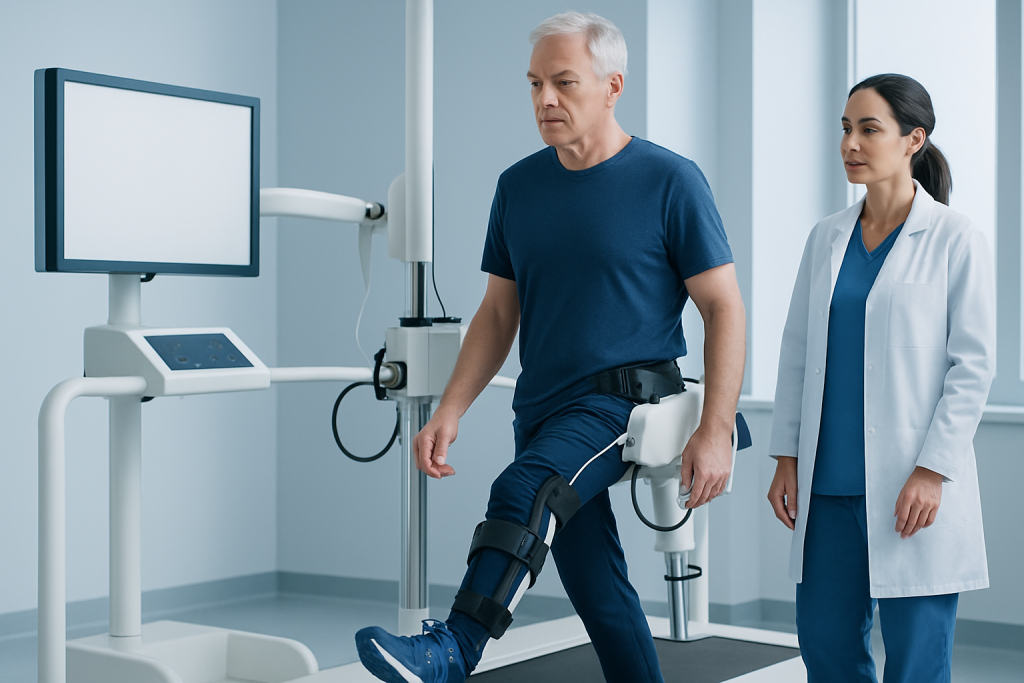
The hallmark symptom of drop foot is trouble dorsiflexing the foot, meaning lifting the foot and toes upward. This can make the toes scrape the floor during walking. Some people notice they need to lift the knee higher with each step, a pattern often called a steppage gait.
Symptoms can vary depending on the cause. Some people have weakness alone, while others also develop numbness on the top of the foot or outer part of the lower leg, tingling, leg pain, or low back pain. If the cause is in the brain or spinal cord, there may be additional changes such as stiffness, imbalance, or weakness elsewhere in the body.
Daily activities may also become harder. Tripping on rugs, stairs, or uneven ground can become more common, and driving may feel less controlled if the right foot is affected. Supportive devices and early assessment can help prevent injuries and maintain independence.
- Toe dragging when walking
- Frequent tripping or stumbling
- Need to lift the knee unusually high
- Numbness or tingling in the foot or leg
- Weakness in ankle or toe movement
Causes and risk factors

A frequent cause of drop foot is injury or compression of the peroneal nerve, which helps control the muscles that lift the foot. This nerve passes around the outside of the knee, where it can be vulnerable to pressure from prolonged leg crossing, tight casts, significant weight loss, trauma, or surgical positioning. Knee injuries and fractures can also affect it.
Problems higher up the nerve pathway can produce the same symptom. A pinched nerve in the lower spine, especially from a lumbar disc problem, may weaken ankle and toe lifting. In some cases, evaluation may overlap with conditions such as herniated disc or spinal narrowing. Disorders of the brain or spinal cord, including stroke, multiple sclerosis, and some forms of cerebral palsy, can also lead to drop foot.
Muscle and nerve diseases are another group of causes. These include peripheral neuropathy, diabetes-related nerve damage, inherited neuropathies, motor neuron disorders, and certain muscular diseases. Depending on the findings, doctors may also consider broader neurological conditions such as peripheral neuropathy. Risk increases in people with diabetes, recent trauma, back disorders, prolonged immobility, or known neurological disease.
How doctors diagnose drop foot
Diagnosis starts with a careful history and physical examination. A doctor will ask when the problem began, whether it came on suddenly or gradually, and whether there is pain, numbness, back symptoms, injury, or weakness in other areas. Watching the person walk, checking muscle strength, testing reflexes, and assessing sensation help narrow the source of the problem.
Imaging and nerve tests are often used when the cause is not obvious. X-rays may be used if injury is suspected, while MRI can help evaluate the lower back, knee region, brain, or other structures depending on the symptoms. Nerve conduction studies and electromyography can show whether the problem lies in a peripheral nerve, nerve root, muscle, or another part of the motor system.
The purpose of diagnosis is not only to confirm drop foot but to identify the exact reason behind it. That step matters because treatment for a compressed nerve near the knee differs from treatment for a spine problem or a central neurological condition. In some cases, a person may be referred to neurology, orthopedics, rehabilitation, or spine specialists for coordinated care.
Treatment options and recovery
Treatment for drop foot depends on the cause, how severe the weakness is, and how long symptoms have been present. A common first step is protecting walking safety with an ankle-foot orthosis, often called an AFO. This brace helps hold the foot in a more neutral position so the toes clear the ground more easily. Physical therapy is also important to maintain joint mobility, strengthen available muscles, and improve balance and gait.
When an underlying medical issue is found, treatment is directed there. For example, a spine-related cause may need targeted rehabilitation, pain management, or spine procedures; in appropriate cases this may include microdiscectomy or lumbar disc herniation surgery. If the problem involves nerve compression around the knee or another focal injury, surgery may sometimes be considered when recovery does not occur or when there is a clear structural cause.
Some patients may benefit from functional electrical stimulation devices that activate muscles during walking. Others may need medications or disease-specific treatment for neuropathy, inflammation, stroke recovery, or another neurological disorder. If severe compression of the spinal canal is contributing, doctors may discuss options such as laminectomy in selected cases. Recovery can be quick in mild compression injuries, but in other cases it may take months, and some people need longer-term support.
Near the end of the care pathway, multidisciplinary assessment can be valuable, especially when diagnosis is complex or several body systems are involved. Acibadem International’s multidisciplinary specialists and JCI-accredited hospitals diagnose and treat causes of drop foot for international patients, with input from neurology, orthopedics, spine care, and rehabilitation teams as needed.
Prevention and self-care
Not all cases of drop foot can be prevented, but some practical steps may reduce risk and improve safety. Managing chronic conditions such as diabetes, following treatment plans for back disorders, and seeking evaluation after leg or knee injuries can lower the chance of lasting nerve problems. Avoiding prolonged pressure on the outer knee, especially during long periods of immobility, may also help protect the peroneal nerve.
At home, the priority is to reduce fall risk. Supportive footwear, removal of loose rugs, better lighting, and handrails on stairs can make walking safer. If a brace or walking aid has been recommended, using it consistently often improves confidence and reduces tripping.
Exercises should be guided by a qualified clinician rather than started independently if the cause is not yet clear. Stretching the ankle, preserving range of motion, and targeted strengthening may be useful, but an unsuitable exercise plan can be frustrating or ineffective. Ongoing follow-up matters because the walking pattern and brace needs may change as the underlying condition improves or stabilizes.
When to seek medical care
Medical assessment is important for any new or unexplained drop foot. Sudden weakness in lifting the foot should not be ignored, especially if it appears over hours to days, follows a fall or injury, or comes with severe back pain, new numbness, or weakness elsewhere in the leg.
Urgent care is especially important if drop foot is accompanied by symptoms such as facial drooping, arm weakness, speech difficulty, loss of bladder or bowel control, or rapidly worsening symptoms. These can suggest a more serious neurological problem that needs immediate attention. Even when symptoms are milder, early evaluation can improve safety and help identify treatable causes before mobility is further affected.
Frequently asked questions
Is drop foot a disease or a symptom?
Drop foot is a symptom. It describes difficulty lifting the front of the foot, and the underlying cause may involve a nerve, muscle, spine, brain, or another part of the nervous system.
Can drop foot go away on its own?
Sometimes it can improve, especially if it is caused by temporary nerve compression or a mild injury. However, many cases need medical evaluation because recovery depends on identifying and treating the cause.
What kind of doctor treats drop foot?
Evaluation may involve a neurologist, orthopedic specialist, physical medicine and rehabilitation doctor, or spine specialist. The most appropriate specialist depends on whether the problem appears to come from a peripheral nerve, the spine, the brain, or the muscles.
How is drop foot different from general leg weakness?
Drop foot specifically affects the ability to lift the foot and toes upward during walking. General leg weakness may involve the hip, thigh, knee, or calf muscles and does not always produce the characteristic toe-dragging gait.
Will a brace help with drop foot?
For many people, yes. An ankle-foot orthosis can improve toe clearance, reduce tripping, and make walking safer while the underlying condition is being treated or monitored.
When is drop foot an emergency?
It needs urgent assessment if it starts suddenly, follows major trauma, or occurs with severe back pain, loss of bladder or bowel control, or stroke-like symptoms such as facial drooping or trouble speaking. These situations can signal a serious neurological condition requiring immediate care.
References
- National Institute of Neurological Disorders and Stroke
- National Institute of Arthritis and Musculoskeletal and Skin Diseases
- American Academy of Orthopaedic Surgeons
- American Association of Neuromuscular & Electrodiagnostic Medicine
- Mayo Clinic
This article is for general information only and is not a substitute for professional medical advice. Please consult a qualified doctor about your individual situation.
Joint and spine care in Turkey — expert assessment & treatment
JCI-accredited · board-certified surgeons · reply within 24h
Add us as a Preferred Source to see more of our trusted health content across Google Search, AI Overviews and Discover.