Eclampsia: What Patients Need to Know

Eclampsia means seizures that occur during pregnancy or after delivery, most often related to preeclampsia. Warning signs can include severe headache, vision changes, upper abdominal pain, swelling, and high blood pressure, but seizures can sometimes happen suddenly.
Key Takeaways
- Eclampsia means seizures that occur during pregnancy or after delivery, most often related to preeclampsia.
- Warning signs can include severe headache, vision changes, upper abdominal pain, swelling, and high blood pressure, but seizures can sometimes happen suddenly.
- Diagnosis and treatment focus on stabilizing the parent, preventing more seizures, controlling blood pressure, and planning safe delivery when needed.
- Eclampsia can occur before birth, during labor, or in the postpartum period, so symptoms after delivery still need urgent medical attention.
- Regular prenatal care helps detect risk factors early, but anyone with possible symptoms should seek immediate medical care.
Eclampsia is a serious pregnancy-related condition in which a person develops seizures, usually in the setting of preeclampsia. It is a medical emergency, but with fast recognition, close monitoring, and timely treatment, outcomes can improve for both parent and baby.
Overview: what eclampsia means
Eclampsia is a condition in which seizures develop during pregnancy or after childbirth, usually in a person who has preeclampsia. Preeclampsia is a pregnancy complication marked by high blood pressure and signs that organs such as the kidneys, liver, brain, or placenta may be under stress. Because seizures can affect both parent and baby, eclampsia is treated as an emergency.
Many people first hear about eclampsia as a severe form of preeclampsia, but the condition is not always predictable. Some patients have clear warning signs beforehand, while others may have only mild symptoms or none that seem concerning until a seizure occurs. That is why regular prenatal visits and prompt assessment of new symptoms are so important.
Eclampsia most often happens in the second half of pregnancy, during labor, or within the first days after delivery, although it can also occur later in the postpartum period. Care usually involves urgent monitoring in a hospital, medicines to prevent further seizures, blood pressure control, and decisions about delivery based on the pregnancy stage and the health of both parent and baby.
Symptoms and warning signs
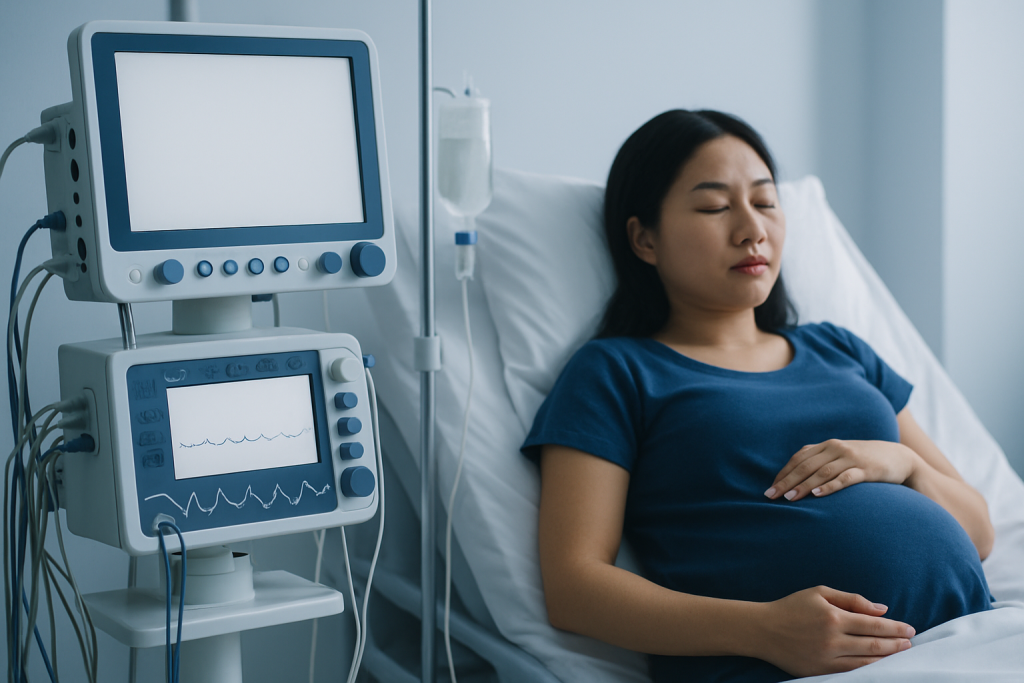
The defining symptom of eclampsia is a seizure. A seizure may involve loss of consciousness, stiffening of the body, jerking movements, confusion afterward, or temporary difficulty responding. If a seizure happens during pregnancy or soon after birth, emergency medical evaluation is needed right away.
Before a seizure, many patients have symptoms related to preeclampsia. These may include a severe or persistent headache, blurred vision, flashing lights, temporary vision loss, pain in the upper abdomen or under the ribs on the right side, nausea or vomiting, sudden swelling of the face or hands, and shortness of breath. Some people also notice that they simply feel very unwell.
High blood pressure is common, but not every patient can feel it. That is why blood pressure checks at prenatal visits matter. In some cases, reduced urine output, unusual reflex changes, or signs of fluid in the lungs may appear. A baby may also be affected if the placenta is not working well, which can lead to less movement or concerns about growth.
- Severe headache that does not improve
- Vision changes such as blurring or flashing lights
- Pain in the upper right abdomen
- Sudden swelling, especially of the face and hands
- Shortness of breath or chest discomfort
- Seizure during pregnancy or after delivery
Why eclampsia happens and who is at higher risk
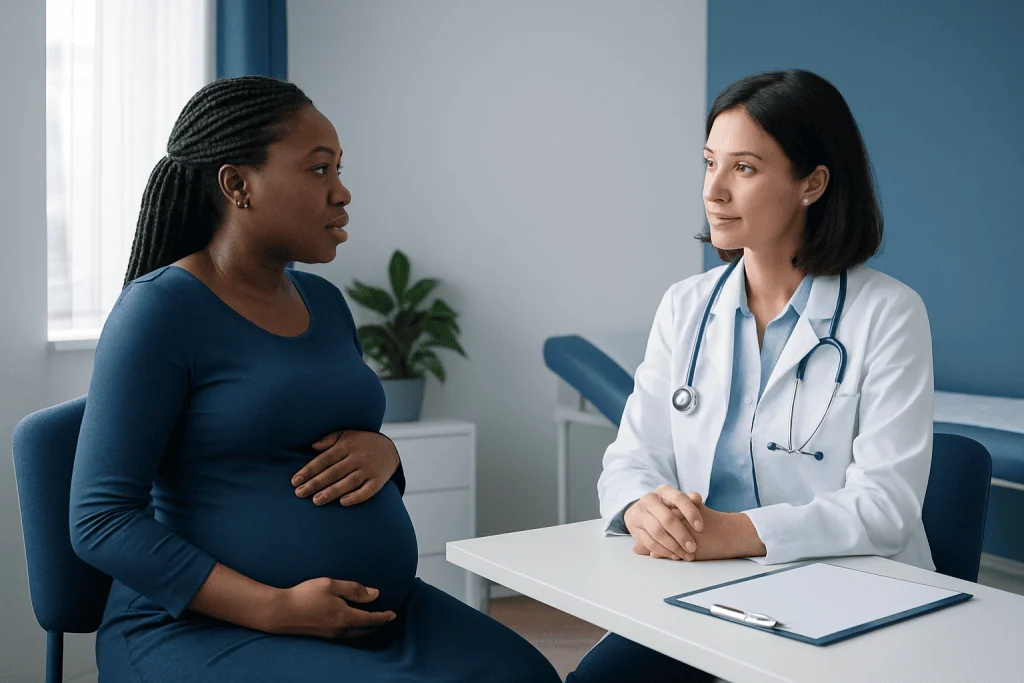
The exact cause of eclampsia is not fully understood, but it is strongly linked to abnormalities in how the placenta and blood vessels function during pregnancy. These changes can lead to high blood pressure, inflammation, and injury to blood vessels and organs. The brain may become especially vulnerable, increasing the risk of seizures.
Eclampsia usually develops from preeclampsia, though seizures can occasionally be the first obvious sign. Risk is higher in people with a first pregnancy, a history of preeclampsia or eclampsia, chronic high blood pressure, kidney disease, diabetes, autoimmune disorders, or multiple pregnancy such as twins. Very young pregnant patients and older maternal age may also increase risk.
Other factors can include obesity, certain placental problems, and a family history of hypertensive disorders of pregnancy. Still, eclampsia can also happen in people without clear risk factors. For that reason, clinicians do not rely on risk alone; they combine history, blood pressure readings, symptoms, urine testing, and blood tests to identify warning signs as early as possible.
How doctors diagnose and assess eclampsia
Eclampsia is diagnosed clinically when a seizure occurs in pregnancy or postpartum and another likely cause is not more probable. Doctors also evaluate for signs of preeclampsia, including elevated blood pressure and evidence that organs are under strain. Because several conditions can cause seizures, the medical team also considers other possibilities such as epilepsy, bleeding in the brain, infection, or severe metabolic disturbances.
Assessment begins with urgent stabilization: breathing, circulation, blood pressure, and the baby’s condition are checked. Blood tests may look at kidney function, liver function, platelet count, and other signs of serious disease. Urine tests may help show protein loss. Fetal monitoring may be used to assess the baby’s heart rate and wellbeing if the pregnancy is ongoing.
Imaging is not always needed, but in selected cases doctors may recommend brain imaging if symptoms are unusual, there is prolonged confusion, or another neurological cause is suspected. Pregnancy monitoring can also include ultrasound to evaluate fetal growth, amniotic fluid, and placental function. Depending on the situation, doctors may involve specialists in maternal-fetal medicine, critical care, neurology, and neonatology.
Treatment and hospital care
Treatment for eclampsia focuses first on safety. The parent is positioned to help protect the airway, oxygen may be given if needed, and the medical team works to prevent injury during or after a seizure. The standard medicine used to prevent further seizures is often magnesium sulfate, which is given and monitored carefully in hospital settings.
Blood pressure that is severely elevated also needs treatment to reduce the risk of complications such as stroke. Hospital teams may use medications to bring blood pressure down in a controlled way while closely watching the baby. Fluids are managed carefully because both dehydration and fluid overload can be harmful in this condition.
The only definitive treatment for the disease process is delivery of the baby and placenta, but the timing depends on how far the pregnancy has progressed and how stable the parent and baby are. In many cases, once the parent is stabilized, doctors plan delivery because ongoing pregnancy may increase the danger. Depending on the clinical situation, care may involve advanced obstetric monitoring and pregnancy follow-up planning, as well as neonatal support if early delivery is needed.
If complications are severe, management may also include intensive care, blood products, or treatment for kidney, liver, or bleeding problems. When delivery is necessary, the route of delivery depends on obstetric factors and urgency rather than eclampsia alone. If surgery is required, a team experienced in cesarean section may be involved as part of comprehensive maternity care.
Recovery, future pregnancies, and self-care
Recovery does not end with delivery. Eclampsia can still cause problems in the days after birth, and some people develop postpartum eclampsia after going home. Blood pressure may stay high for a while, medicines may be needed, and follow-up visits are important to make sure symptoms are settling and organs are recovering.
Most people improve with proper treatment, but the experience can be physically and emotionally intense. Rest, practical support at home, and clear discharge instructions matter. Patients should understand which symptoms need urgent attention, especially headache, vision changes, shortness of breath, chest pain, heavy bleeding, severe swelling, or another seizure.
Having eclampsia increases the chance of hypertensive disorders in later pregnancies, so pre-pregnancy counseling and early prenatal care are helpful. In a future pregnancy, doctors may recommend closer monitoring and, in some cases, preventive strategies based on individual risk. Because a history of preeclampsia or eclampsia may also relate to long-term cardiovascular health, routine blood pressure checks and healthy lifestyle habits remain important after pregnancy.
When to seek medical care
Immediate medical care is needed if a pregnant or recently postpartum person has a seizure, faints, becomes difficult to wake, has severe shortness of breath, chest pain, sudden confusion, or severe bleeding. These symptoms should be treated as urgent even if blood pressure has been normal before. It is safer to be assessed promptly than to wait and see if symptoms pass.
Urgent same-day evaluation is also important for severe headache, new vision changes, pain in the upper right abdomen, sudden swelling of the face or hands, or a strong sense that something is wrong. A decrease in fetal movement during pregnancy should also be reported immediately. Patients should not drive themselves if they feel unwell or if a seizure has occurred.
After hospital treatment, follow-up care helps track blood pressure, recovery, and emotional wellbeing. Multidisciplinary specialists may be involved if complications affect the brain, kidneys, liver, or baby. For international patients who need coordinated maternity or high-risk pregnancy care, Acibadem International’s multidisciplinary specialists and JCI-accredited hospitals diagnose and treat these conditions, including related high-risk pregnancy care and assessment of pregnancy complications.
Frequently asked questions
Is eclampsia the same as preeclampsia?
No. Preeclampsia is a pregnancy-related condition involving high blood pressure and signs of organ stress, while eclampsia means seizures occur in that setting. Eclampsia is generally considered a severe complication and needs emergency treatment.
Can eclampsia happen after the baby is born?
Yes. Eclampsia can develop after delivery, most often within the first days postpartum, but it may happen later as well. New headaches, vision changes, swelling, breathing problems, or seizures after birth should be assessed urgently.
Does every person with eclampsia have warning signs first?
Not always. Some patients have clear symptoms such as severe headache or vision changes, while others may have few obvious warnings before a seizure. This is one reason regular prenatal care and prompt evaluation of new symptoms are so important.
How is eclampsia treated?
Treatment starts with emergency stabilization, prevention of further seizures, and control of severely high blood pressure. Doctors also monitor the baby closely and may recommend delivery once the parent is stable, because delivery is the definitive treatment for the underlying pregnancy-related process.
Can eclampsia harm the baby?
It can. Eclampsia may reduce blood flow through the placenta or lead to early delivery, which can affect the baby’s wellbeing. Rapid treatment and close fetal monitoring help the medical team make the safest decisions possible.
Will eclampsia happen again in another pregnancy?
A previous episode increases the risk of hypertensive disorders in future pregnancies, but it does not mean it will definitely recur. Early prenatal care, risk assessment, and close monitoring can help doctors watch for problems sooner.
References
- World Health Organization
- American College of Obstetricians and Gynecologists
- Centers for Disease Control and Prevention
- National Institute for Health and Care Excellence
- Society for Maternal-Fetal Medicine
This article is for general information only and is not a substitute for professional medical advice. Please consult a qualified doctor about your individual situation.
Explore treatments in Turkey — costs, top hospitals & a free quote
JCI-accredited · board-certified surgeons · reply within 24h
Add us as a Preferred Source to see more of our trusted health content across Google Search, AI Overviews and Discover.
Check your numbers in seconds
BMI, calories, due date, blood pressure and 30+ more clinical calculators — free, instant, doctor-reviewed ranges.

More from the Health Library

Nausia — Explained by Medical Evidence, Not Myths

Tegretol: What Patients Need to Know

Using White Vinegar for Mildew on Household Surfaces

Healthy Fats: A Complete Medical Overview

Pulmonary Edema — Explained by Medical Evidence, Not Myths