Ed Capsule: An Evidence-Based Guide for Patients

The term ed capsule commonly refers to oral medication for erectile dysfunction, not one specific product. ED can be linked to blood vessel disease, diabetes, stress, hormonal issues, nerve problems, or medication side effects.
Key Takeaways
- The term ed capsule commonly refers to oral medication for erectile dysfunction, not one specific product.
- ED can be linked to blood vessel disease, diabetes, stress, hormonal issues, nerve problems, or medication side effects.
- A medical evaluation helps identify the cause and guides safe treatment.
- ED medicines are not suitable for everyone, especially people using nitrates or certain heart medications.
- Lifestyle changes, counseling, and treatment of underlying conditions can improve erections and overall health.
An ed capsule usually means an oral medicine used to help treat erectile dysfunction, rather than a single branded product. The best option depends on the cause of symptoms, overall health, other medicines, and a medical review to make sure treatment is safe.
What an ed capsule means
An ed capsule is not one standard diagnosis or one universal drug. In everyday use, the phrase usually refers to an oral erectile dysfunction treatment in capsule or pill form that may help a man get or keep an erection firm enough for sexual activity. Because many products are discussed online under this label, it is important to know that they are not all the same in ingredients, effectiveness, or safety.
The safest and most evidence-based approach is to treat erectile dysfunction after a proper medical review. A doctor considers symptoms, medical history, current medicines, and possible underlying causes before recommending treatment. This matters because erection problems can sometimes be an early sign of a broader health issue, such as cardiovascular disease, diabetes, low testosterone, anxiety, or side effects from medication.
For many patients, oral ED medicines are effective and convenient. However, they are only one part of care. Some men benefit more from lifestyle changes, treatment of an underlying illness, counseling, or other medical options if tablets or capsules are not suitable. A practical starting point is to think of an ed capsule as a possible treatment tool, not as a diagnosis or a one-size-fits-all solution.
How erectile dysfunction affects erections
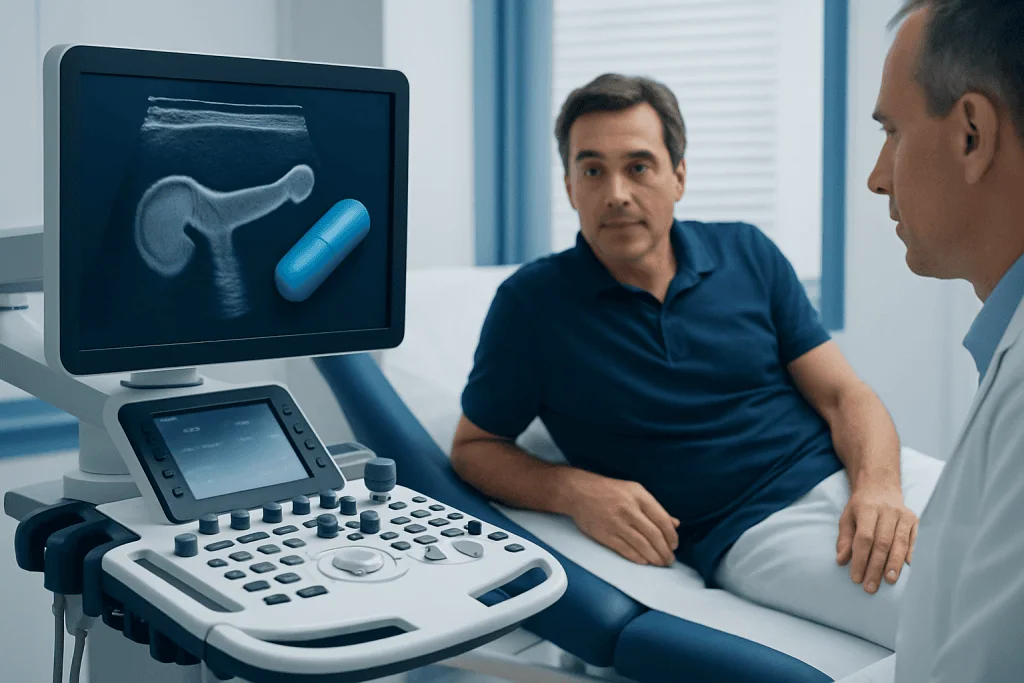
An erection depends on a coordinated response between the brain, nerves, hormones, blood vessels, and penile tissue. Sexual stimulation triggers signals that relax muscles in the penis and increase blood flow. Veins then help trap that blood so the penis becomes firm. If any part of this process is disrupted, erectile dysfunction can happen.
ED may mean difficulty getting an erection, trouble keeping it long enough for sex, or erections that are not firm enough for satisfaction. These problems can happen occasionally in many healthy men, especially during times of fatigue, stress, alcohol use, or relationship strain. Occasional difficulty is common and does not always mean there is a medical disorder.
Persistent symptoms are different. When erection problems happen repeatedly, they may reflect a physical condition, a psychological factor, or both. In some people, ED appears alongside low sex drive, early ejaculation, depression, sleep problems, or urinary symptoms. A fuller assessment helps distinguish temporary changes from an ongoing health issue.
- Difficulty getting an erection
- Trouble maintaining an erection during sex
- Reduced rigidity of erections
- Lower confidence or avoidance of intimacy because of repeated symptoms
Common causes and risk factors

Erectile dysfunction has many possible causes. Reduced blood flow is one of the most common. Conditions that affect blood vessels, such as high blood pressure, atherosclerosis, high cholesterol, obesity, and smoking, can make erections less reliable. Diabetes is another major cause because it may affect both blood vessels and nerves.
Hormonal and neurological factors can also contribute. Low testosterone may play a role, especially when ED occurs with low libido, tiredness, or reduced muscle mass. Nerve-related causes may include spinal cord disorders, stroke, multiple sclerosis, or nerve damage after pelvic surgery. Some prescription medicines, including certain blood pressure drugs, antidepressants, and treatments for prostate conditions, may contribute as well.
Psychological and relationship factors should not be overlooked. Stress, anxiety, depression, performance concerns, grief, and conflict with a partner can all affect sexual function. Often, physical and emotional factors overlap. For example, a mild circulation problem may lead to an occasional unsuccessful erection, which then causes anxiety that makes the problem happen more often.
ED may also occur together with related conditions such as erectile dysfunction as a formal diagnosis and, in some men, changes linked to prostate cancer treatment or other pelvic health issues. Identifying risk factors helps doctors focus testing and tailor treatment safely.
How doctors evaluate symptoms
Evaluation usually begins with a detailed conversation. A doctor asks when symptoms started, whether they are occasional or persistent, whether erections happen during sleep or masturbation, and whether there are problems with desire, ejaculation, pain, or curvature. Questions about stress, mood, alcohol, smoking, exercise, sleep, and relationships are also relevant because sexual health is influenced by the whole person.
A physical examination may include blood pressure, body weight, pulse, and an assessment of the penis and testicles. The clinician may also look for signs of low testosterone, poor circulation, or nerve problems. Blood tests are often used to check glucose levels, cholesterol, kidney function, and sometimes hormone levels. These tests help reveal common causes that may otherwise be missed.
Not every patient needs specialized testing. In more complex cases, doctors may consider further assessment to study blood flow, hormone patterns, or psychological contributors. The main goal is not simply to prescribe an ed capsule, but to understand why the symptom is happening and whether there are any safety concerns before treatment begins.
Treatment options beyond a single capsule
For many men, first-line treatment includes oral ED medicines that improve the body’s natural erectile response to sexual stimulation. These treatments do not usually create an automatic erection without arousal, and they vary in onset, duration, and side effect profile. A doctor helps choose the most suitable option based on age, medical history, other medicines, and patient preference.
Capsules or tablets may not be appropriate for everyone. Men who use nitrate medicines for chest pain, or certain drugs that strongly affect blood pressure, may not be able to take common ED medications safely. Possible side effects can include headache, flushing, nasal congestion, indigestion, dizziness, or visual changes. Because of these issues, it is wise to avoid unregulated supplements sold online as “natural” ED capsules, since their contents may be unclear or unsafe.
If oral medicines are ineffective or unsuitable, doctors may discuss other evidence-based options. Depending on the cause, this could include management of diabetes or high blood pressure, treatment for low testosterone when clinically indicated, vacuum erection devices, injectable therapy, or surgically placed penile implants for selected patients. Some men may also need assessment in urology or broader male sexual health care to guide treatment choice.
Counseling can be helpful, especially when anxiety, depression, trauma, or relationship strain is part of the picture. Psychological support is not a sign that symptoms are “all in the mind.” Rather, it recognizes that sexual function is influenced by both body and mind, and addressing both often produces the best results.
Self-care and long-term prevention
Healthy daily habits can improve erectile function and support overall wellbeing. Stopping smoking, limiting alcohol, increasing physical activity, getting enough sleep, and working toward a healthy weight all help protect blood vessel health. These measures may also improve energy, mood, and sexual confidence.
Good control of long-term conditions is equally important. Managing diabetes, high blood pressure, and high cholesterol can reduce progression of ED and lower cardiovascular risk. In some men, medication review is helpful if symptoms began after starting a new drug. Patients should not stop prescribed medicines on their own, but they can ask a doctor whether an alternative is possible.
Open communication with a partner often reduces pressure and misunderstanding. Some couples benefit from slowing the pace of sexual activity, focusing less on performance, and discussing what feels comfortable. When symptoms persist, early medical attention can prevent frustration from building and may uncover a treatable health issue. If specialist treatment is needed, services such as andrology may be part of care planning.
When to seek medical care
Medical care is appropriate when erection problems happen repeatedly, cause distress, or affect relationships or quality of life. It is also important to seek evaluation when ED starts suddenly, appears at a younger age without an obvious explanation, or occurs together with low libido, pelvic pain, urinary symptoms, or changes in mood. A clinician can check for physical causes and discuss safe treatment options.
Urgent care is needed if symptoms are accompanied by chest pain, fainting, severe shortness of breath, or a painful erection that lasts several hours. These situations require prompt medical attention. Men should also seek care before using any ED capsule if they have heart disease, take multiple prescription medicines, or are unsure whether a product is regulated and appropriate for them.
Near the end of the care pathway, some patients benefit from multidisciplinary assessment, especially when ED is linked to cardiovascular, hormonal, urological, or psychological factors. Acibadem International’s multidisciplinary specialists and JCI-accredited hospitals diagnose and treat this condition for international patients, with care tailored to the underlying cause rather than only the symptom.
Frequently asked questions
Is an ed capsule the same as a specific drug?
No. The phrase usually refers broadly to an oral medicine used for erectile dysfunction, rather than one single product. Different medicines work in similar ways but vary in how quickly they act, how long they last, and who can use them safely.
Can an ed capsule cure erectile dysfunction permanently?
Most oral ED medicines help manage symptoms rather than cure the underlying cause. If ED is linked to factors such as stress, smoking, medication side effects, diabetes, or hormone problems, treating those issues may improve function over time. A doctor can explain whether the problem is likely to be temporary or ongoing.
Are over-the-counter or herbal ED capsules safe?
Not always. Some products marketed as natural sexual enhancers may contain hidden drug ingredients or substances that can interact with prescription medicines. It is safest to use treatment recommended by a qualified clinician and regulated through proper medical channels.
Who should avoid taking common ED medicines?
People who use nitrate medications for chest pain generally should not take standard ED medicines because the combination can dangerously lower blood pressure. Extra caution is also needed in some men with heart disease, low blood pressure, severe liver disease, or complex medication regimens. A medical review is the best way to confirm safety.
What tests are usually done for erectile dysfunction?
Many men only need a history, physical examination, and basic blood tests. Doctors often check blood sugar, cholesterol, and sometimes hormone levels, depending on symptoms and risk factors. More specialized tests are reserved for selected cases when the cause is unclear or first-line treatment does not help.
Can stress or anxiety really cause ED?
Yes. Stress, anxiety, depression, and relationship strain can all interfere with the brain signals needed for arousal and erection. Even when there is a physical cause, emotional stress can make symptoms worse, which is why treatment sometimes includes counseling as well as medical therapy.
References
- National Institute of Diabetes and Digestive and Kidney Diseases
- American Urological Association
- European Association of Urology
- National Health Service
- Mayo Clinic
This article is for general information only and is not a substitute for professional medical advice. Please consult a qualified doctor about your individual situation.
Explore treatments in Turkey — costs, top hospitals & a free quote
JCI-accredited · board-certified surgeons · reply within 24h
Add us as a Preferred Source to see more of our trusted health content across Google Search, AI Overviews and Discover.
Check your numbers in seconds
BMI, calories, due date, blood pressure and 30+ more clinical calculators — free, instant, doctor-reviewed ranges.