Elaborative Rehearsal — Explained by Medical Evidence, Not Myths

Elaborative rehearsal helps move information toward long-term memory by adding meaning and context. It usually works better for lasting recall than rote repetition alone.
Key Takeaways
- Elaborative rehearsal helps move information toward long-term memory by adding meaning and context.
- It usually works better for lasting recall than rote repetition alone.
- Common techniques include explaining ideas in one’s own words, making examples, comparing concepts, and teaching someone else.
- It is a normal learning strategy, not a disease or a treatment by itself.
- If memory problems affect daily life, a medical evaluation may be helpful.
Elaborative rehearsal is a way of learning that strengthens memory by connecting new information to existing knowledge, meaning, or real-life examples. Medical and cognitive research supports it as a more effective approach for long-term recall than simply repeating information without understanding it.
Overview: What Elaborative Rehearsal Means
Elaborative rehearsal is a learning and memory strategy in which a person actively connects new information to ideas they already know. Instead of repeating a fact over and over, they give it meaning by linking it to an example, a story, an image, or a personal association. In cognitive science, this is considered a form of deeper processing, and deeper processing tends to support stronger long-term memory.
A simple example is learning that the heart pumps blood and then connecting that fact to prior knowledge about exercise, breathing, and circulation. By building these links, the brain has more than one path to retrieve the information later. This is one reason elaborative rehearsal is often more effective than surface-level memorization alone.
From a medical and educational perspective, elaborative rehearsal is not a disorder, symptom, or diagnosis. It is a healthy mental strategy used in everyday learning by children, students, adults, and older people. It is also relevant in clinical settings because specialists who assess attention, memory, and thinking may ask about learning habits when evaluating concerns related to memory loss.
How It Works in the Brain
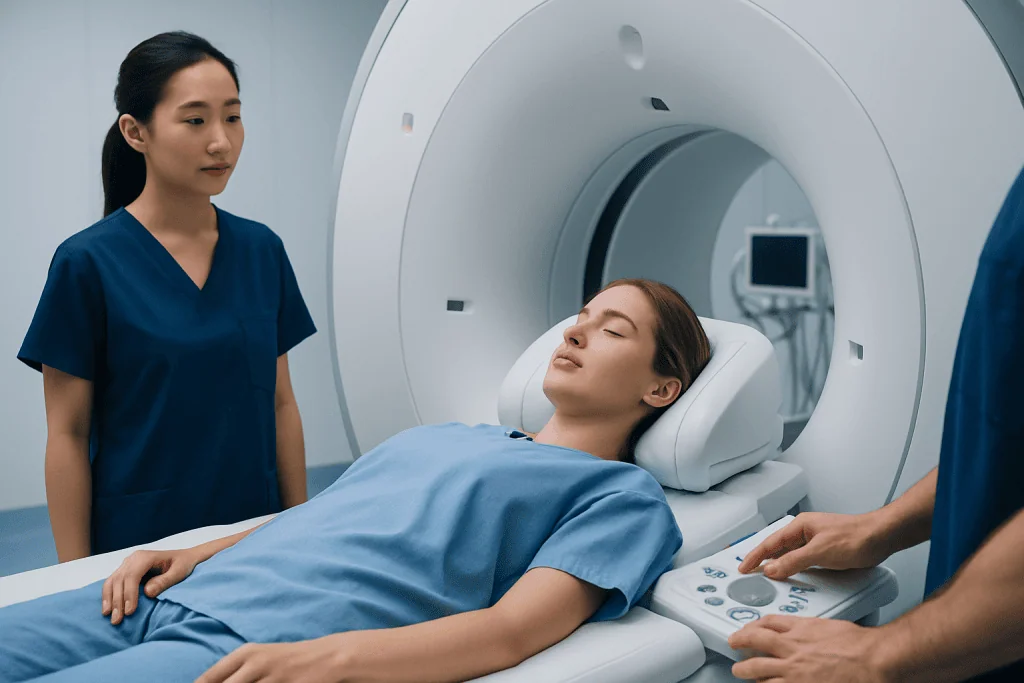
Memory is often described in stages: attention, short-term or working memory, and long-term storage. For information to last, the brain usually needs more than brief exposure. Elaborative rehearsal helps during encoding, the stage when new material is organized and prepared for storage. When a person explains an idea, compares it with something familiar, or creates a mental image, the brain processes the material more deeply.
This deeper processing recruits meaning, language, attention, and association. Rather than storing a fact as an isolated piece of information, the brain links it into a broader network. That network can make later recall easier because the memory has multiple cues attached to it.
Brain regions involved in learning and memory include areas important for attention and executive function as well as structures such as the hippocampus, which helps form new memories. Medical evaluation may be needed if a person has persistent difficulty with concentration, planning, or recall, because learning problems can sometimes overlap with conditions affecting the brain and nervous system.
Elaborative Rehearsal vs. Simple Repetition

Simple repetition, sometimes called maintenance rehearsal, means repeating information to keep it active for a short time. This can help with brief tasks, such as remembering a phone number long enough to dial it. However, repetition without understanding often fades quickly once attention shifts.
Elaborative rehearsal goes further. It asks what the information means, how it connects to other ideas, and why it matters. For example, instead of repeating the word “glucose,” a learner might connect it to energy, meals, diabetes, and blood sugar tests. These added links increase the chance that the concept will be remembered later.
Both methods can be useful, but they serve different purposes. Maintenance rehearsal may support immediate recall, while elaborative rehearsal is generally better for learning that needs to last. In schools, rehabilitation, and cognitive training, professionals may encourage both approaches depending on the goal.
- Maintenance rehearsal: repeating information to keep it briefly active
- Elaborative rehearsal: adding meaning, associations, and structure for longer retention
- Best use: combining understanding with review often produces the strongest results
Examples and Practical Techniques
Elaborative rehearsal is useful in daily life, education, and health learning. A patient trying to remember medical advice may understand it better by relating it to routine habits. For example, linking a new exercise plan to a regular morning walk or connecting a medication schedule to meals may improve recall. The same principle applies when learning names, instructions, or professional material.
Several practical techniques can support elaborative rehearsal. One common method is putting the information into one’s own words. Another is creating a real-world example or analogy. Asking questions such as “How is this similar to something I already know?” or “Why does this matter?” also encourages deeper learning.
People may also benefit from visual and verbal strategies together. Drawing a diagram, making a concept map, explaining the idea out loud, or teaching it to someone else can all strengthen memory. In some cases, clinicians involved in neuropsychological testing use structured tasks to better understand how a person encodes and retrieves information.
- Summarize the idea in plain language
- Connect it to prior knowledge or personal experience
- Create an example, analogy, or mental image
- Group related facts into categories
- Explain the concept to another person
- Review it again after a delay
What Medical Evidence Suggests
Research in cognitive psychology and neuroscience consistently supports the idea that meaningful processing improves learning. People generally remember information better when they understand it, organize it, and connect it to existing knowledge. This is often described through levels-of-processing theory and related models of memory encoding.
Medical evidence does not treat elaborative rehearsal as a cure for memory disorders, but it does support its role as a helpful strategy in healthy learning and, in some cases, cognitive rehabilitation. For people recovering from illness or adapting to mild cognitive changes, clinicians may recommend structured memory supports along with medical care, depending on the cause of the problem.
It is also important to avoid myths. Elaborative rehearsal does not guarantee perfect memory, and it cannot overcome severe sleep deprivation, untreated depression, delirium, medication side effects, or neurological disease. When memory problems are significant or worsening, the priority is to identify the underlying reason. Evaluation may involve a neurological examination, cognitive assessment, laboratory testing, or MRI scan when a doctor thinks imaging is appropriate.
Who May Benefit Most and What Can Affect Results
Most people can benefit from elaborative rehearsal, especially when learning complex ideas that need to be remembered over time. Students, professionals, language learners, and older adults often find it useful. It can also help patients remember health information when it is combined with clear explanations, written instructions, and follow-up review.
The effectiveness of elaborative rehearsal depends on several factors. Attention is essential at the start of learning. If a person is distracted, exhausted, anxious, or trying to absorb too much at once, deeper encoding becomes harder. Sleep, stress, pain, hearing problems, and mood can all influence memory performance.
Individual differences matter too. Some people learn best through verbal explanation, while others benefit more from visual structure or hands-on examples. If a person has a neurodevelopmental, psychiatric, or neurological condition, a tailored approach may be needed. In selected cases, support from specialists in neurology care or cognitive assessment can help clarify the pattern of strengths and difficulties.
When to Seek Medical Care
Elaborative rehearsal is a learning strategy, so by itself it does not require medical treatment. However, a person should consider medical advice if memory, attention, language, or problem-solving difficulties are new, worsening, or affecting work, school, safety, or independent living. Family members may notice repeated questions, missed appointments, getting lost in familiar places, or difficulty following instructions.
Urgent care is important if memory problems begin suddenly or occur with confusion, severe headache, weakness, numbness, trouble speaking, seizures, head injury, or major behavior change. These symptoms can signal a serious medical problem and should not be explained away as ordinary forgetfulness.
At Acibadem International, multidisciplinary specialists in JCI-accredited hospitals evaluate and treat memory and neurological concerns for international patients when needed. Depending on the situation, assessment may include cognitive testing, laboratory studies, and imaging, followed by a personalized care plan.
Frequently asked questions
What is elaborative rehearsal in simple terms?
Elaborative rehearsal is a way of remembering information by connecting it to meaning, examples, or prior knowledge. Instead of only repeating a fact, the learner explains it, compares it, or uses it in context. This usually helps information stay in memory longer.
Is elaborative rehearsal better than memorization?
It is often better for long-term learning than rote repetition alone. Memorization by repetition can help briefly, but understanding and meaningful connections usually improve later recall. Many people benefit from using both methods together.
Can elaborative rehearsal prevent memory loss?
It can support learning and recall, but it does not prevent all forms of memory loss. Memory changes can have many causes, including poor sleep, stress, depression, medication effects, and neurological disease. Persistent or worsening symptoms should be evaluated by a doctor.
How can someone practice elaborative rehearsal every day?
Useful methods include explaining information in one’s own words, making examples, drawing simple diagrams, and teaching the idea to someone else. Linking information to routines or familiar experiences can also help. Reviewing the material again after some time strengthens learning further.
Does elaborative rehearsal help children and older adults?
Yes, it can help across age groups when the method matches the person’s needs and abilities. Children may benefit from stories and pictures, while older adults may prefer real-life examples and structured review. If learning problems are significant, professional guidance may be useful.
When should memory problems be checked by a doctor?
A medical review is important if memory or attention problems are new, progressive, or interfere with daily activities. It is especially important if symptoms come with confusion, personality change, trouble speaking, weakness, or getting lost. Sudden symptoms need urgent medical attention.
References
- National Institute of Neurological Disorders and Stroke
- National Institute on Aging
- American Psychological Association
- World Health Organization
- MedlinePlus
This article is for general information only and is not a substitute for professional medical advice. Please consult a qualified doctor about your individual situation.
Explore treatments in Turkey — costs, top hospitals & a free quote
JCI-accredited · board-certified surgeons · reply within 24h
Add us as a Preferred Source to see more of our trusted health content across Google Search, AI Overviews and Discover.

More from the Health Library

Butyrate — Explained by Medical Evidence, Not Myths

Salicylic Acid: An Evidence-Based Guide for Patients

Alcohol: An Evidence-Based Guide for Patients

Sleep Drunkenness — Explained by Medical Evidence, Not Myths

Malignant: An Evidence-Based Guide for Patients