Emotional Distress: An Evidence-Based Guide for Patients

Emotional distress can show up as sadness, anxiety, irritability, poor sleep, trouble concentrating, or physical symptoms such as fatigue and headaches. It may be triggered by stress, illness, grief, trauma, relationship difficulties, substance use, or mental health conditions.
Key Takeaways
- Emotional distress can show up as sadness, anxiety, irritability, poor sleep, trouble concentrating, or physical symptoms such as fatigue and headaches.
- It may be triggered by stress, illness, grief, trauma, relationship difficulties, substance use, or mental health conditions.
- Assessment looks at symptoms, life events, medical history, medications, and safety concerns such as thoughts of self-harm.
- Treatment may include counseling, stress-management strategies, lifestyle changes, and sometimes medication depending on the cause.
- Urgent medical help is needed if emotional distress includes suicidal thoughts, inability to care for basic needs, severe agitation, or confusion.
Emotional distress is a state of mental or emotional strain that can affect thoughts, mood, sleep, physical health, and daily functioning. It is not a diagnosis by itself, but a meaningful signal that a person may be overwhelmed, facing a medical or psychological condition, or dealing with difficult life circumstances that deserve attention and support.
What emotional distress means
Emotional distress describes a level of mental or emotional discomfort that feels hard to manage and begins to affect everyday life. A person may feel overwhelmed, persistently sad, anxious, tense, numb, angry, or emotionally exhausted. In many cases, emotional distress is a response to difficult circumstances, but it can also be linked to a health condition that needs proper evaluation.
It is important to understand that emotional distress is a broad experience rather than a single disease. It may appear during major life changes, grief, relationship problems, financial strain, chronic illness, sleep loss, or after traumatic events. It can also accompany conditions such as depression or anxiety-related disorders, which is why looking at the whole picture matters.
Many people notice emotional distress through both emotional and physical changes. The mind and body are closely connected, so low mood, worry, and overwhelm may also lead to headaches, fatigue, stomach discomfort, muscle tension, palpitations, or changes in appetite. Recognizing these patterns early can make it easier to seek support before symptoms become more disruptive.
Common signs and symptoms
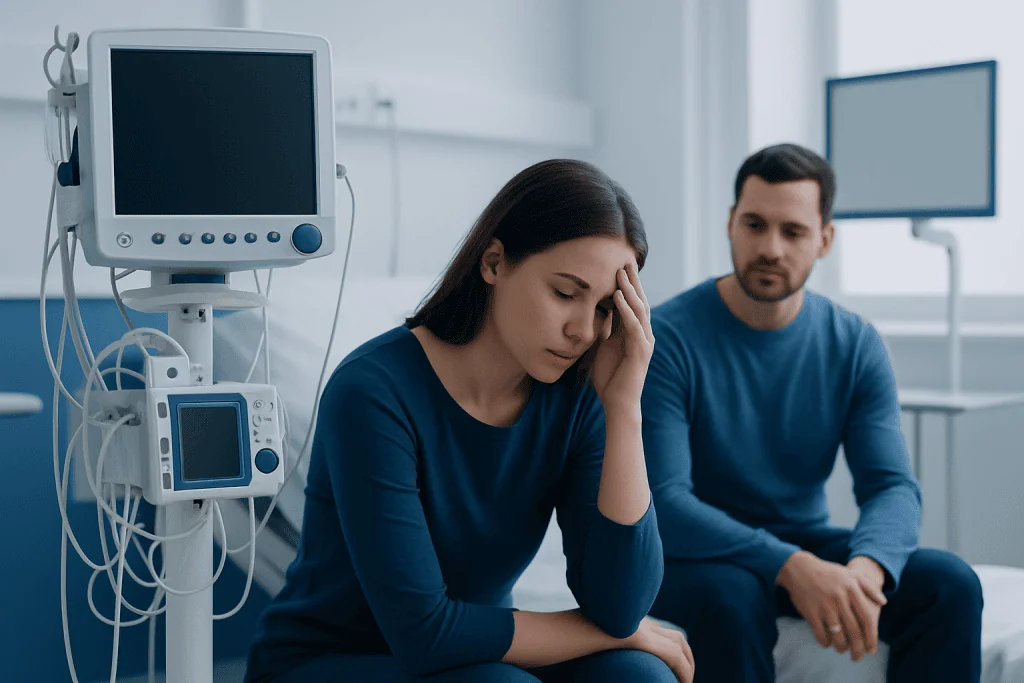
The signs of emotional distress vary from person to person. Some people mainly notice changes in mood, while others first experience sleep problems, poor concentration, or physical symptoms. Symptoms may come and go, or they may persist for weeks and gradually interfere with work, school, family life, and self-care.
Common emotional and behavioral signs include:
- Persistent sadness, worry, or irritability
- Feeling overwhelmed, hopeless, or unusually sensitive
- Loss of interest in usual activities
- Trouble concentrating or making decisions
- Withdrawing from family, friends, or responsibilities
- Changes in eating, sleeping, or energy levels
- Using alcohol or other substances to cope
Physical symptoms can also be part of emotional distress. These may include headaches, digestive upset, chest tightness, fatigue, dizziness, restlessness, racing heart, or muscle aches. Because these symptoms can overlap with other medical problems, new or severe symptoms should not automatically be assumed to be “just stress.”
Children, adolescents, and older adults may show distress in different ways. Younger people may become more irritable, clingy, or withdrawn, while older adults may report more physical symptoms, confusion, sleep disruption, or loss of interest rather than describing sadness directly.
Why emotional distress happens

Emotional distress usually develops through a combination of factors rather than one single cause. Stressful life events are common triggers, including bereavement, family conflict, separation, job loss, caregiving responsibilities, academic pressure, trauma, or major uncertainty. Even positive life changes, such as moving or starting a new job, can create strain if demands outpace coping resources.
Health-related factors are also important. Chronic pain, hormonal changes, neurological conditions, sleep disorders, long-term medical illness, and some medications can all affect mood and resilience. Emotional distress may also occur alongside anxiety or depressive disorders, or during periods of recovery from illness or surgery.
Risk can be higher in people with a personal or family history of mental health conditions, limited social support, high ongoing stress, substance misuse, or past trauma. Lifestyle factors such as poor sleep, reduced physical activity, social isolation, and excessive use of alcohol or stimulants can increase emotional strain or make recovery more difficult.
Sometimes no obvious cause stands out at first. That does not make the symptoms any less real. A careful assessment can help identify contributing factors that may be treatable, including medical conditions such as thyroid disease, anemia, medication side effects, or sleep problems.
How doctors assess emotional distress
Assessment begins with a conversation about what the person is experiencing, how long symptoms have been present, and how daily life has been affected. A doctor may ask about mood, anxiety, sleep, appetite, energy, concentration, recent stressors, medical conditions, medications, alcohol or drug use, and any past mental health history. The aim is not judgment, but understanding the likely causes and the level of support needed.
A physical examination or basic tests may be recommended if symptoms could be related to an underlying medical issue. Depending on the situation, this may include checking for thyroid problems, vitamin deficiencies, anemia, infection, medication effects, or other conditions that can mimic or worsen emotional symptoms.
An essential part of evaluation is safety. Doctors may ask directly about thoughts of self-harm, suicide, severe hopelessness, panic, agitation, or difficulty caring for basic needs. These questions are standard and important because they help guide the right level of care, whether that is outpatient support, urgent evaluation, or emergency help.
When appropriate, a person may be referred for psychiatric evaluation or counseling for a more detailed mental health assessment. This can help distinguish temporary stress reactions from conditions that may benefit from structured therapy or medication.
Treatment and supportive care
Treatment for emotional distress depends on the cause, severity, and how much it is affecting everyday functioning. For many people, the most effective approach combines practical support, healthy coping strategies, and professional care when needed. The goal is not only symptom relief, but also addressing the factors that are contributing to distress.
Talking therapies are often a key part of care. Counseling and forms of psychotherapy such as psychotherapy can help a person understand emotional patterns, develop coping skills, process grief or trauma, and challenge unhelpful thought habits. Therapy may be short term for situational stress or longer term when symptoms are more persistent or linked to a mental health condition.
Medication is sometimes recommended, especially if emotional distress is part of a condition such as major depression, significant anxiety, or severe insomnia. A doctor will consider symptoms, overall health, other medicines, and patient preferences before suggesting treatment. Medication is usually most helpful when paired with regular follow-up and broader supportive care.
In some cases, emotional distress is closely linked to neurological symptoms, cognitive changes, or severe stress responses, and evaluation by services such as neurology may be appropriate. Care is often multidisciplinary, involving primary care doctors, mental health professionals, and other specialists depending on the person’s symptoms.
Self-care strategies that can help
Self-care is not a substitute for medical care when symptoms are severe, but it can play an important role in recovery and prevention. Small, regular routines often help more than trying to change everything at once. Supportive habits can reduce the body’s stress response and improve resilience over time.
Helpful strategies include:
- Keeping a regular sleep and wake schedule
- Eating regular, balanced meals and staying hydrated
- Doing gentle physical activity most days, if medically appropriate
- Limiting alcohol and avoiding recreational drugs
- Reducing excess caffeine if it worsens anxiety or sleep
- Scheduling time for rest, enjoyable activities, and social connection
- Using relaxation skills such as breathing exercises, mindfulness, or journaling
It can also help to identify stress triggers and focus on manageable next steps. Breaking problems into smaller tasks, asking for help, and reducing unnecessary pressures may improve a sense of control. Some people benefit from peer support groups, spiritual care, or family involvement, depending on personal preference and culture.
When symptoms persist, keeping a simple record of mood, sleep, triggers, and physical symptoms can be useful. This information can help a clinician understand patterns and recommend the most suitable treatment plan.
When to seek medical care
Medical care should be considered when emotional distress lasts more than a couple of weeks, keeps returning, or starts to affect work, school, relationships, sleep, appetite, or the ability to manage daily responsibilities. A person should also seek advice if symptoms feel out of proportion to the situation, are becoming harder to control, or are accompanied by significant physical symptoms.
Urgent help is needed if emotional distress includes thoughts of self-harm or suicide, feeling unable to stay safe, severe panic, extreme agitation, confusion, hallucinations, or inability to eat, drink, sleep, or care for basic needs. These symptoms should be treated as a medical priority. If there is immediate danger, emergency services or the nearest emergency department should be contacted right away.
It is also wise to seek assessment when distress begins after starting a new medication, follows a head injury, or occurs with chest pain, shortness of breath, fainting, or neurological changes. These situations may point to a medical cause that needs prompt attention rather than self-management alone.
For people seeking coordinated care, Acibadem International’s multidisciplinary specialists and JCI-accredited hospitals diagnose and treat emotional and related medical conditions for international patients. A careful evaluation can help clarify whether symptoms are mainly stress-related or linked to a condition needing targeted treatment.
Frequently asked questions
Is emotional distress the same as a mental illness?
Not always. Emotional distress is a broad term for significant mental or emotional strain, and it may be temporary or linked to life events. In some cases, it can be part of a diagnosable condition such as depression or an anxiety disorder, which is why professional assessment can be helpful.
Can emotional distress cause physical symptoms?
Yes. Emotional distress can affect the body as well as the mind, leading to symptoms such as headaches, fatigue, stomach upset, muscle tension, sleep problems, or a racing heart. Because these symptoms can overlap with other medical conditions, new or severe physical symptoms should be discussed with a doctor.
How long does emotional distress usually last?
The duration varies depending on the cause, personal coping resources, and whether support is available. Some people improve within days or weeks after a stressful event, while others need longer-term care if symptoms are persistent, severe, or related to an underlying condition.
What helps emotional distress the most?
The most effective support depends on the cause, but common approaches include rest, social support, regular routines, counseling, and treatment of any related medical or mental health condition. If symptoms are interfering with daily life, professional care is often the best next step.
Should someone seek help even if they can still function?
Yes. It is reasonable to seek help early, even if a person is still managing work or family responsibilities. Early support may prevent symptoms from worsening and can make recovery easier.
When is emotional distress an emergency?
It is an emergency if there are suicidal thoughts, a plan to self-harm, severe agitation, hallucinations, confusion, or inability to care for basic needs. In these situations, urgent medical help should be sought immediately through emergency services or the nearest emergency department.
This article is for general information only and is not a substitute for professional medical advice. Please consult a qualified doctor about your individual situation.
Explore treatments in Turkey — costs, top hospitals & a free quote
JCI-accredited · board-certified surgeons · reply within 24h
Add us as a Preferred Source to see more of our trusted health content across Google Search, AI Overviews and Discover.

More from the Health Library

Nasal Cannula: A Complete Medical Overview

Pedialyte for Babies — Explained by Medical Evidence, Not Myths

Calcitriol: A Complete Medical Overview

Using White Vinegar for Mildew on Household Surfaces

Dermatitis nummularis: Symptoms, Causes, and Treatment — Complete Patient Guide