Energy Healing: What Patients Need to Know
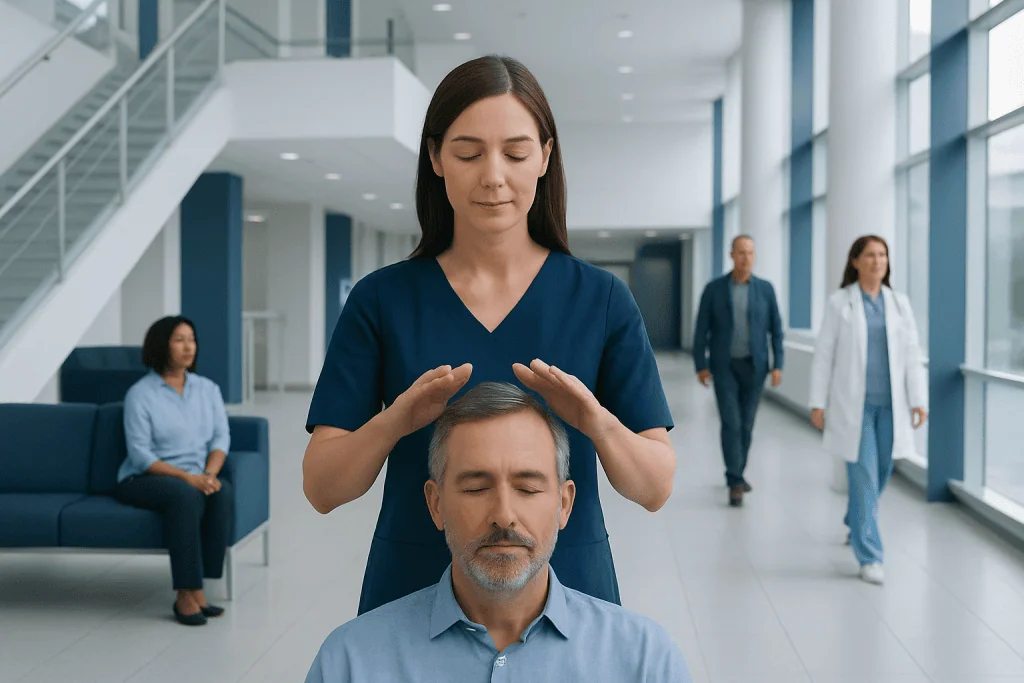
Energy healing may help some people feel more relaxed, supported, or emotionally comforted. Scientific evidence does not show that energy healing can diagnose, cure, or replace treatment for medical diseases.
Key Takeaways
- Energy healing may help some people feel more relaxed, supported, or emotionally comforted.
- Scientific evidence does not show that energy healing can diagnose, cure, or replace treatment for medical diseases.
- It is safest to use energy healing as a complementary practice alongside standard medical care.
- Patients should be cautious of claims that advise stopping medicines, delaying tests, or avoiding doctors.
- New, severe, or persistent symptoms should always be assessed by a qualified healthcare professional.
Energy healing is a broad term for practices such as Reiki, therapeutic touch, and similar approaches that aim to support well-being through the body's perceived energy fields. Some people find these methods calming, but they are best viewed as complementary care and not a substitute for evidence-based medical diagnosis or treatment.
Overview: what energy healing means
Energy healing is a general term for a group of practices that are based on the idea that the body has subtle energy fields that can be balanced or supported to improve well-being. Common examples include Reiki, therapeutic touch, healing touch, and related approaches. Sessions usually involve quiet rest, light touch or hands held just above the body, and a calming environment.
From a medical point of view, energy healing is considered a complementary practice rather than a primary treatment. Some patients report that it helps them feel calmer, sleep better, or cope more comfortably with stress, pain, or treatment-related anxiety. However, these experiences do not prove that the method treats the underlying cause of an illness.
Because the term covers many different traditions, there is no single standard method, training pathway, or licensing system in every country. This makes it especially important for patients to ask questions about what a practitioner does, what claims are being made, and how the approach fits with regular medical care.
What patients can realistically expect
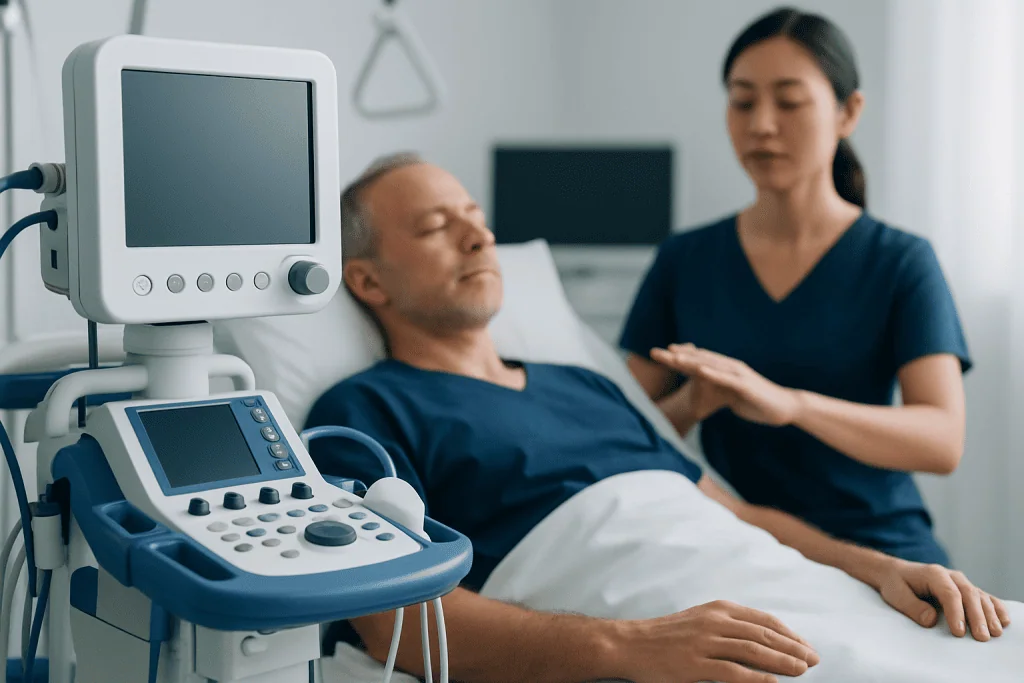
For many people, the main effect of energy healing is a sense of relaxation. A session may feel similar to guided rest, meditation, or other soothing wellness practices. Patients may notice temporary benefits such as reduced tension, a quieter mind, or a greater feeling of emotional support. These effects can be meaningful, especially during times of stress or while coping with chronic symptoms.
It is also important to keep expectations realistic. Energy healing has not been shown to diagnose disease, shrink tumors, clear infections, open blocked arteries, or repair organ damage. If a person feels better after a session, that improvement may relate to relaxation, focused attention, the therapeutic setting, or the body’s natural symptom fluctuations rather than a proven disease-targeting effect.
Patients may wish to think of energy healing in the same category as other supportive wellness practices: potentially comforting for some, but not a replacement for medical evaluation. It can be reasonable to use a complementary approach while still following a doctor’s recommendations, attending follow-up visits, and completing needed tests or treatments.
- Possible short-term benefits: relaxation, stress reduction, comfort, and improved sense of well-being
- Unproven claims: curing disease, replacing medication, or eliminating the need for surgery or medical monitoring
- Best use: as part of a broader, medically informed care plan
What the evidence says

Research on energy healing is mixed and generally limited. Some small studies suggest that certain patients report reduced anxiety, improved comfort, or better overall well-being after sessions. These outcomes are important, but they are not the same as proof that a therapy changes the biological course of a disease.
In evidence-based medicine, strong conclusions usually require consistent results across well-designed studies. For energy healing, studies often differ in the methods used, the conditions studied, the way outcomes are measured, and the level of blinding or comparison to control groups. This makes it difficult to draw firm conclusions about whether a specific energy-based mechanism is responsible for any effect.
Most medical organizations therefore take a cautious position. They may accept energy healing as a supportive or integrative practice for comfort and coping, but they do not recommend it as a stand-alone treatment for serious conditions. Patients living with chronic pain, fatigue, stress-related symptoms, or cancer-related distress may also explore other supportive options with better-studied evidence, such as counseling, physical therapy, rehabilitation, or pain management care when appropriate.
Safety, risks, and red flags
Energy healing itself is usually low risk when it involves noninvasive touch or hands-off techniques in a calm setting. Still, “low risk” does not mean “risk free.” The greatest concerns are usually indirect: delaying diagnosis, stopping prescribed treatment, or spending valuable time on unproven claims while a medical condition worsens.
Patients should be careful if a practitioner says they can diagnose illness without medical tests, promises a cure, discourages second opinions, or advises stopping medicines. These are warning signs. Serious symptoms such as unexplained weight loss, chest pain, fainting, persistent fever, bleeding, weakness, severe headache, or new neurological symptoms should not be attributed to energy imbalance without proper medical assessment.
Another practical issue is that symptoms often overlap across very different conditions. Fatigue, pain, dizziness, or poor sleep may relate to stress, but they can also be caused by anemia, thyroid disease, infection, autoimmune disorders, heart disease, or a neurological condition. For example, repeated headaches deserve a professional evaluation because they may reflect common causes such as migraine or other disorders requiring targeted care, including migraine.
How to use energy healing alongside medical care
Patients who are interested in energy healing can often use it most safely as one part of an integrative approach. This means continuing standard medical care while adding supportive practices that may improve comfort, coping, or quality of life. A patient might combine energy healing with sleep hygiene, gentle exercise, stress-management techniques, psychotherapy, physical therapy, or physician-guided symptom management.
Good communication matters. Patients should tell their doctor about any complementary practice they use, especially if they have cancer, heart disease, epilepsy, pregnancy-related concerns, significant mental health symptoms, or complex chronic illnesses. Sharing this information helps the care team give more personalized advice and watch for any delayed evaluation of important symptoms.
In some cases, a person seeking energy healing may be trying to relieve symptoms that deserve structured treatment. Persistent muscle tension, body pain, or functional limitations may be better addressed with rehabilitation-based care such as physical therapy and rehabilitation. Ongoing emotional distress, panic symptoms, or trauma-related experiences may call for mental health support in addition to any complementary practice the person finds soothing.
Questions to ask before booking a session
Before trying energy healing, it helps to approach the decision in the same careful way one would approach any health-related service. Patients can ask what training the practitioner has, how sessions are conducted, whether touch is involved, what the intended goals are, and whether the practitioner is comfortable working alongside a medical treatment plan.
It is also reasonable to ask what the therapy can and cannot do. A trustworthy practitioner should be clear that they do not replace doctors, laboratory testing, imaging, or prescribed treatment. They should encourage medical follow-up for persistent or unexplained symptoms rather than presenting energy healing as a cure-all.
Patients who are undergoing treatment for a diagnosed condition may also want to discuss timing and comfort measures with their medical team. For example, those recovering from surgery, receiving chemotherapy, or managing chronic back pain may benefit from a coordinated plan that prioritizes symptom relief, function, and safety. Depending on the situation, proven interventions such as oncology care or low back pain evaluation remain central to treatment decisions.
- What training and experience do you have?
- Will this session involve physical touch?
- What results should I realistically expect?
- Do you advise patients to continue their regular medical care?
- How do you handle symptoms that may need urgent medical attention?
When to seek medical care
Energy healing should not delay professional medical evaluation when symptoms are new, severe, persistent, or changing. A doctor should assess warning signs such as chest pain, shortness of breath, fainting, seizures, confusion, sudden weakness, severe abdominal pain, high fever, or signs of stroke. These symptoms may indicate urgent conditions that need immediate medical care.
Medical review is also important when symptoms interfere with daily life, keep returning, or do not improve with time. Ongoing fatigue, unexplained pain, sleep disturbance, mood changes, weight loss, digestive symptoms, or repeated headaches may have treatable medical causes. Seeking assessment early can lead to clearer answers and more effective care.
For patients who want both conventional and complementary support, an integrative discussion with qualified clinicians is often the best next step. Near the end of care planning, some international patients choose centers such as Acibadem International, where multidisciplinary specialists in JCI-accredited hospitals evaluate symptoms and coordinate treatment based on established medical standards.
Frequently asked questions
Is energy healing scientifically proven?
Scientific evidence does not show that energy healing can cure disease or replace standard medical treatment. Some studies suggest possible benefits for relaxation or perceived well-being, but the overall evidence is limited and mixed.
Can energy healing replace medication or surgery?
No. Energy healing should not replace prescribed medicines, recommended tests, surgery, or other evidence-based treatments. Stopping treatment without medical advice can be harmful, especially for serious or progressive conditions.
Is energy healing safe?
It is usually physically low risk when it involves gentle touch or no touch at all. The main safety concern is not the session itself, but delaying proper diagnosis or relying on unproven claims instead of seeking medical care.
What does an energy healing session feel like?
Many people describe sessions as calming, quiet, or restful. Some feel warmth, light touch, or deep relaxation, while others notice very little during the session and simply feel more settled afterward.
Who might consider energy healing?
People looking for a complementary way to support relaxation, stress management, or coping may choose to try it. It is most appropriate when used alongside regular medical care, not in place of it.
How can a patient choose a reputable practitioner?
A reputable practitioner should explain their training, describe what they do clearly, and avoid claims of guaranteed cures. They should also support medical evaluation for concerning symptoms and not advise stopping conventional treatment.
References
- World Health Organization
- National Center for Complementary and Integrative Health
- Mayo Clinic
- Cochrane
- U.S. National Library of Medicine
This article is for general information only and is not a substitute for professional medical advice. Please consult a qualified doctor about your individual situation.
Explore treatments in Turkey — costs, top hospitals & a free quote
JCI-accredited · board-certified surgeons · reply within 24h
Add us as a Preferred Source to see more of our trusted health content across Google Search, AI Overviews and Discover.

More from the Health Library

Erythematous: A Complete Medical Overview

Acetazolamide Drugs — Explained by Medical Evidence, Not Myths

Liquid IV Ingredients: An Evidence-Based Guide for Patients

Nonverbal Communication: A Complete Medical Overview

Rat and Rat Poisoning: What Patients Need to Know