Executive health checkup in Turkey: Hospitals, Safety & What to Expect

Executive checkups are preventive assessments, not a substitute for urgent medical care or ongoing treatment. A suitable checkup plan is based on personal and family history, lifestyle, age, sex and existing health conditions.
Key Takeaways
- Executive checkups are preventive assessments, not a substitute for urgent medical care or ongoing treatment.
- A suitable checkup plan is based on personal and family history, lifestyle, age, sex and existing health conditions.
- Preparation commonly includes sharing medical records, medication details and recent test results before travel.
- Some blood tests and imaging examinations require fasting or other preparation, which the hospital should explain in advance.
- Abnormal results may need repeat testing, specialist evaluation or follow-up after returning home.
- Choosing an accredited hospital with clear communication, record sharing and follow-up arrangements can support safer care for international patients.
An executive health checkup in Turkey is a structured preventive assessment that may combine medical history, examination, laboratory tests, imaging and specialist consultations in a coordinated visit. The exact plan should be tailored to a person’s age, sex, health history, symptoms and risk factors rather than using the same tests for everyone.
Overview: What Is an Executive Health Checkup in Turkey?
An executive health checkup in Turkey is a planned preventive health assessment designed to review a person’s current health, identify relevant risk factors and discuss appropriate screening. It typically brings several services together during a short, coordinated hospital visit, such as a physician consultation, physical examination, blood and urine testing, selected imaging and specialist reviews when indicated.
These assessments are often considered by people with demanding schedules, limited access to coordinated screening at home, a family history of certain conditions or a wish to review their health before symptoms develop. A checkup cannot detect every disease and does not guarantee future health, but it can help identify concerns that warrant timely attention.
The most useful approach is individualized. A clinician should consider age, sex, smoking status, alcohol use, exercise, nutrition, medications, reproductive history, work exposures, previous results and family history before recommending tests. For a broader introduction to the coordinated process, patients can review executive health checkup services.
How the Checkup Process Works
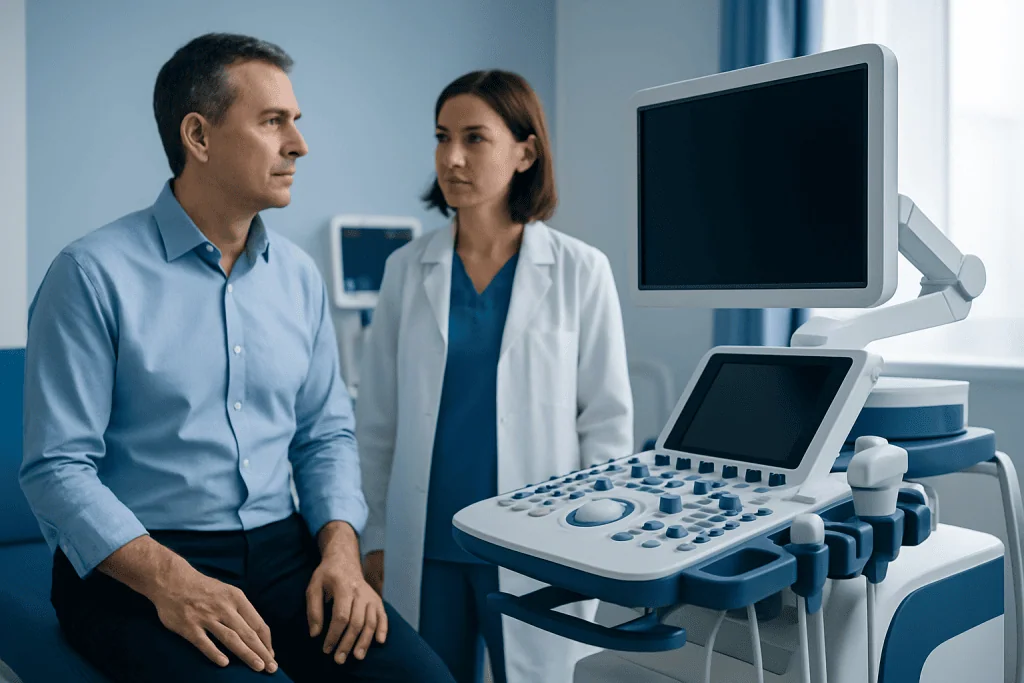
Planning usually begins before travel. The hospital team may ask for a health questionnaire, a list of medications and supplements, known allergies, prior diagnoses, operations, vaccination history and relevant reports. Sharing recent laboratory results, imaging reports and specialist letters can help avoid unnecessary duplication and help the clinical team select appropriate tests.
On the checkup day, a coordinator commonly helps organize appointments and guides the patient through the schedule. The visit may begin with registration, measurements such as blood pressure and body composition, and sample collection. Consultations and investigations then take place according to the agreed plan, with a final review arranged once key results are available.
Not every assessment includes the same examinations. Depending on individual need, a program may include cardiovascular risk review, diabetes screening, kidney and liver function tests, thyroid assessment, vision or hearing checks, cancer screening appropriate for the patient, and imaging only where clinically justified. A well-designed checkup avoids broad testing that is unlikely to benefit the individual.
For international visitors, practical planning can include language support, appointment coordination, accommodation arrangements and a clear itinerary. Patients should ask in advance how long results are expected to take, whether a follow-up consultation is included, and how records will be shared with their usual doctor after they return home.
Who May Benefit and How Candidacy Is Decided

Preventive assessment may be reasonable for adults who want an organized review of their health risks, particularly when they have not had routine care for some time. It may also be helpful for people with a strong family history of heart disease, diabetes, certain cancers, high blood pressure or inherited conditions, as well as those with smoking history, sedentary habits, obesity or occupational health exposures.
However, an executive checkup is not automatically necessary for every person, and more testing is not always better. Some tests can produce incidental findings or false-positive results, leading to additional investigations, worry or procedures that may not have been needed. The expected benefit of each test should be discussed with a qualified clinician.
People who are pregnant, have significant chronic disease, use blood-thinning medicines, have implanted medical devices, have reduced kidney function or have contrast allergies should tell the team before any imaging is booked. This allows clinicians to adjust the plan and select safer alternatives when needed.
A checkup should not delay care for new or worsening symptoms. Someone with chest pain, sudden weakness, severe shortness of breath, fainting, heavy bleeding or signs of stroke needs urgent assessment rather than a routine screening appointment.
What Happens Step by Step During the Visit
Although schedules vary, many checkups follow a similar sequence. The patient first confirms identity and medical information, then has basic measurements taken, including height, weight, blood pressure and sometimes waist measurement. Blood and urine samples may be collected early, especially if fasting tests have been arranged.
A physician then reviews symptoms, lifestyle, personal history, family history and medicines. This consultation is important because it places test findings in context and may change which examinations are appropriate. A physical examination may include assessment of the heart, lungs, abdomen, skin, circulation and neurological function where relevant.
Further testing may include an electrocardiogram, ultrasound, chest imaging, exercise testing, endoscopy or other studies only when indicated by risk factors, symptoms or guideline-based screening recommendations. Radiation-based imaging and contrast studies should be explained beforehand, including why they are recommended and what alternatives are available.
At the final discussion, the clinician reviews available results, explains normal and abnormal findings, and outlines next steps. Some results, such as pathology findings or specialized laboratory tests, may take longer. Patients should leave with a written summary, copies of key reports and practical advice on follow-up with their primary physician or a specialist.
Benefits, Limits and Safety Considerations
The main potential benefit of an executive checkup is coordinated preventive care. It can provide an opportunity to identify modifiable risks such as high blood pressure, raised blood glucose, abnormal cholesterol levels, smoking-related risk or unhealthy weight patterns. It may also support discussion of age- and risk-appropriate screening that a person has missed.
There are important limits. A normal checkup does not rule out all illnesses, and results only reflect the information available at that time. Screening tests can miss disease, while abnormal findings may be unrelated to symptoms or may never become harmful. Follow-up decisions should therefore be based on clinical judgement, not on test results alone.
Risks depend on the tests performed. Blood sampling can cause brief pain, bruising or light-headedness. Some imaging involves low-dose radiation, while contrast agents may rarely cause allergic reactions or affect kidney function in susceptible people. Procedures such as endoscopy have additional, uncommon risks that should be discussed through informed consent.
Hospital safety is supported by qualified staff, infection-prevention systems, clear patient identification, appropriate equipment standards and reliable communication. International patients may wish to ask whether the hospital holds recognized accreditation, such as Joint Commission International accreditation, and how it manages interpretation, medical records, consent and urgent clinical concerns.
Preparation, Recovery and Follow-up After a Checkup
Preparation instructions should be followed carefully. Depending on the planned tests, patients may be asked to fast for a specified period, drink water, avoid alcohol, limit strenuous exercise, temporarily avoid certain supplements or bring a full list of medications. Prescription medicines should not be stopped unless the prescribing clinician or checkup team specifically advises this.
Most non-invasive screening tests do not require recovery time, and many people can resume normal daily activities the same day. If sedation, contrast imaging, endoscopy or another procedure is planned, the patient may need a longer observation period and should avoid driving or making important decisions until the effects have fully worn off. Travel timing should take this into account.
Follow-up is one of the most important parts of preventive care. A result outside the reference range does not always mean disease, but it should be interpreted by a clinician who understands the person’s overall health. The hospital should explain whether repeat testing, a specialist appointment, lifestyle support or treatment is appropriate.
Patients should keep their reports and share them with their regular doctor after returning home. Acibadem International’s multidisciplinary specialists and JCI-accredited hospitals can coordinate assessment and follow-up planning for international patients, while ongoing care should remain connected with the patient’s local healthcare team where possible.
When to Seek Medical Care Instead of Waiting for a Checkup
A planned health checkup is appropriate for prevention and risk review, but it is not an emergency service. Medical care should be sought promptly for symptoms such as chest pressure or pain, sudden shortness of breath, new one-sided weakness or numbness, facial drooping, trouble speaking, severe headache unlike usual headaches, fainting or sudden confusion.
Urgent assessment is also important for severe abdominal pain, vomiting blood, black stools, uncontrolled bleeding, a rapidly worsening allergic reaction, high fever with severe illness, or a marked decline in a person’s condition. These symptoms may have many causes, but they need timely clinical evaluation.
For less urgent but persistent concerns—such as unexplained weight change, prolonged fatigue, a new lump, repeated palpitations, changes in bowel habits, blood in urine or stool, or ongoing pain—patients should arrange a medical appointment rather than relying solely on a general screening package. Early assessment allows testing to be directed toward the symptom and medical history.
Frequently asked questions
How long does an executive health checkup in Turkey take?
The time required depends on the tests and consultations included. Many assessments can be organized over one day, while plans involving advanced imaging, endoscopy, specialist reviews or tests with delayed results may require more time. The hospital should provide a personalized schedule before the visit.
Do patients need to fast before an executive health checkup?
Fasting may be needed for certain blood tests, particularly tests related to glucose or lipids, and for some procedures. Requirements vary, so patients should follow the instructions provided by the clinical team. They should ask before changing usual medications or insulin schedules.
Are executive checkups suitable for people without symptoms?
They can be suitable for preventive health review, especially when screening is due or a person has relevant risk factors. The assessment should be individualized rather than based on an identical package for all patients. Screening is not a replacement for routine primary care or symptom-focused medical evaluation.
What should international patients bring to a health checkup?
Patients should bring identification, a medication and supplement list, allergy information, previous medical reports, imaging discs or links where available, and details of family health history. It is also useful to provide contact information for their regular doctor. Bringing records in advance can help the team plan a more relevant assessment.
Can a checkup diagnose cancer or heart disease?
A checkup may identify risk factors, screening findings or symptoms that require further evaluation, but it cannot diagnose every condition. Some cancers and heart conditions need targeted tests, specialist interpretation or follow-up over time. Any abnormal finding should be reviewed in the context of the individual’s health history.
What happens if a result is abnormal?
The clinician should explain what the finding may mean, whether it needs confirmation and what follow-up is recommended. This may include repeating a test, arranging imaging, referring to a specialist or discussing lifestyle and treatment options. An abnormal result is not always a diagnosis, and many findings require careful interpretation.
References
- World Health Organization
- U.S. Preventive Services Task Force
- Centers for Disease Control and Prevention
- Joint Commission International
- National Institute for Health and Care Excellence
This article is for general information only and is not a substitute for professional medical advice. Please consult a qualified doctor about your individual situation.
Explore treatments in Turkey — costs, top hospitals & a free quote
JCI-accredited · board-certified surgeons · reply within 24h
Add us as a Preferred Source to see more of our trusted health content across Google Search, AI Overviews and Discover.
Check your numbers in seconds
BMI, calories, due date, blood pressure and 30+ more clinical calculators — free, instant, doctor-reviewed ranges.