Extenze Pills: An Evidence-Based Guide for Patients

Extenze pills are dietary supplements, not prescription medicines approved to treat erectile dysfunction. Claims about penis enlargement or major sexual performance benefits are not well supported by high-quality evidence.
Key Takeaways
- Extenze pills are dietary supplements, not prescription medicines approved to treat erectile dysfunction.
- Claims about penis enlargement or major sexual performance benefits are not well supported by high-quality evidence.
- Supplement ingredients can interact with heart medicines, blood thinners, diabetes drugs, and other treatments.
- Men with erection problems should be assessed for underlying causes such as vascular disease, diabetes, hormone issues, stress, or medication side effects.
- Urgent medical care is needed for chest pain with sexual activity, a prolonged erection, or sudden severe genital symptoms.
Extenze pills are over-the-counter male enhancement supplements marketed for sexual performance, but they are not established medical treatments for erectile dysfunction or penile enlargement. Patients should know that evidence is limited, ingredients may vary, and some products may pose risks or interact with medicines.
Overview: what Extenze pills are and what patients should know
Extenze pills are over-the-counter dietary supplements marketed for male sexual performance, libido, stamina, and penile enhancement. For most patients, the key point is simple: these products are not considered proven medical treatment for erectile dysfunction, and they should not be expected to reliably enlarge the penis. Their ingredients are usually botanical extracts, amino acids, vitamins, or hormone-related compounds sold under supplement rules rather than the standards used for prescription drugs.
That difference matters. Prescription treatments for erectile dysfunction are tested for dose, safety, quality, and effectiveness in a consistent way. By contrast, sexual enhancement supplements may contain changing ingredient blends, variable amounts, or combinations that have not been studied together. Some people report subjective benefits, but personal experience is not the same as strong clinical evidence.
Another important point is that erection problems can be a symptom, not just a performance issue. Difficulties with erections may relate to blood vessel disease, diabetes, stress, anxiety, low testosterone, sleep problems, medication side effects, or other health conditions. A product like Extenze may distract from finding the actual cause. Men with persistent symptoms may benefit more from a medical evaluation for erectile dysfunction than from trying multiple supplements.
How Extenze pills are marketed, and what the evidence actually shows
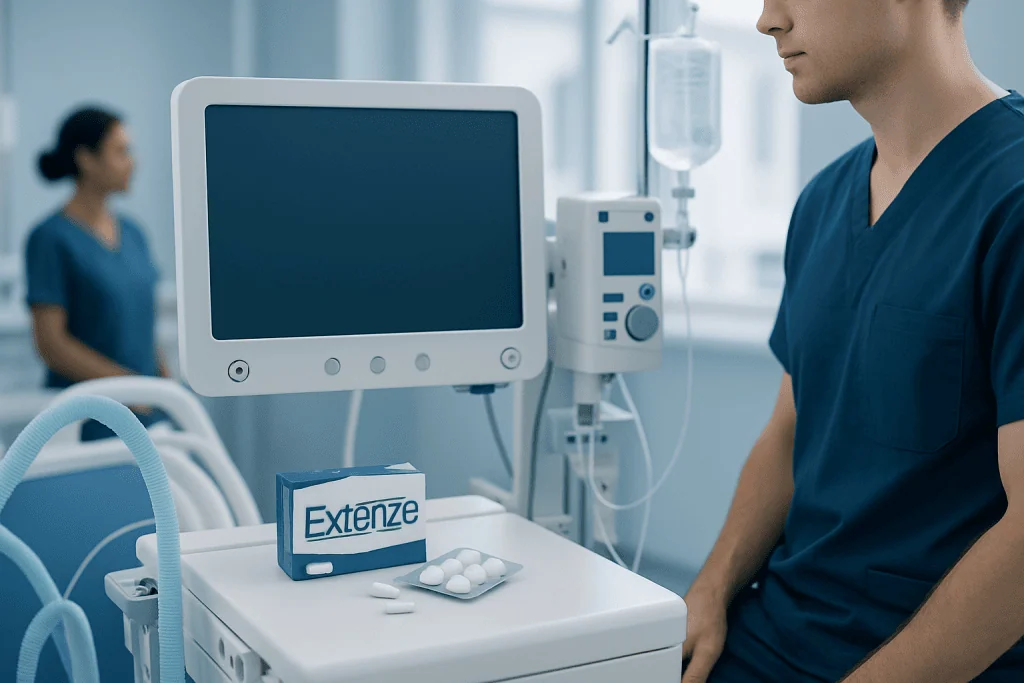
Marketing for male enhancement products often combines several promises at once: firmer erections, increased desire, better stamina, enhanced pleasure, and penile growth. Patients should approach these claims carefully. Different sexual concerns have different causes, and one supplement is unlikely to address all of them. In particular, permanent penis enlargement claims should be viewed skeptically unless supported by a qualified urology or sexual medicine specialist.
The scientific evidence for branded male enhancement supplements is limited. Some individual ingredients found in these products have been studied in small or mixed-quality trials, but that does not prove that a specific combination product works as advertised. Even when one ingredient seems promising, the actual amount in a supplement may be unknown or different from what was studied.
There is also a quality-control issue. Health authorities in several countries have repeatedly warned about some sexual enhancement supplements that were found to contain undeclared prescription-type substances or related compounds. This is one reason patients should avoid assuming that a supplement is harmless simply because it is sold without a prescription. If a man is considering a treatment approach for erection problems, a proper medical review and discussion of evidence-based erectile dysfunction treatment is usually safer and more effective.
Common ingredients and possible side effects

Extenze-type products may contain a changing list of ingredients such as ginseng, yohimbe or yohimbine-containing botanicals, L-arginine, horny goat weed, maca, tribulus, zinc, and other herbal or nutritional compounds. Labels can vary over time and by market, so patients should read the current packaging rather than relying on online descriptions. Some products also include stimulant-like substances or ingredients that can affect blood pressure, heart rate, or blood flow.
Possible side effects depend on the ingredient blend. Some users may experience headache, flushing, stomach upset, dizziness, palpitations, anxiety, sleep disturbance, or changes in blood pressure. Herbal products can also trigger allergic reactions or worsen symptoms in people with certain medical conditions. The fact that a product is “natural” does not mean it is risk-free.
Yohimbe-related ingredients deserve particular caution because they may be associated with elevated blood pressure, rapid heartbeat, agitation, or worsening anxiety in some individuals. L-arginine may affect blood vessel tone and can be problematic in some people taking cardiovascular medicines. Patients with liver disease, kidney disease, seizure disorders, psychiatric conditions, or complex medication regimens should be especially cautious and discuss supplements with a clinician before use.
- Read the full ingredient list every time, as formulations may change.
- Do not combine multiple sexual enhancement supplements.
- Stop use and seek advice if side effects occur.
- Tell the doctor about all vitamins, herbs, and over-the-counter products being taken.
Who should avoid Extenze pills or use extra caution
Extenze pills may be unsuitable for many people, especially those with underlying medical conditions or those taking prescription medicines. Men with heart disease, prior stroke, uncontrolled high blood pressure, arrhythmias, severe anxiety, liver or kidney disease, or bleeding disorders should avoid self-treating sexual symptoms with supplements before medical advice. The same caution applies to anyone who has been told to avoid sexual activity until a heart condition is assessed.
Drug interactions are a major concern. Some supplement ingredients may interact with nitrates, blood pressure medicines, blood thinners, antidepressants, diabetes medicines, and drugs that affect the liver. These interactions may increase the risk of low blood pressure, bleeding, heart rhythm changes, or unpredictable side effects. A pharmacist or doctor can help review the safety of combining a supplement with regular medications.
Patients should also be careful not to delay diagnosis of treatable conditions. Erectile difficulties can sometimes be an early sign of vascular disease, diabetes, hormone imbalance, sleep apnea, or mental health concerns. In some men, erection problems are one of the first clues to a broader circulation issue that deserves attention. A focused assessment can help determine whether symptoms are related to prostate disease, medication side effects, stress, or another health issue.
Safer ways to evaluate erection or sexual performance concerns
When sexual symptoms persist, the safest first step is not usually another supplement. A medical evaluation often begins with a conversation about symptoms, medical history, stress, sleep, alcohol use, smoking, exercise, and current medications. The clinician may ask whether the problem is difficulty getting an erection, keeping one, low desire, pain, premature ejaculation, or relationship-related distress, because each concern may need a different approach.
Examination and testing may include blood pressure measurement, review of cardiovascular risk, blood sugar testing, lipid testing, and in some cases hormone assessment such as testosterone. Depending on the history, a clinician may also evaluate urinary or prostate symptoms, mental health factors, and sleep quality. This kind of assessment is important because sexual function is closely linked to blood vessel health, hormones, nerves, and emotional wellbeing.
For selected patients, evidence-based options can include lifestyle changes, counseling, treatment of underlying disease, or prescribed medicines. Some men may benefit from consultation in urology, endocrinology, cardiology, or mental health. When symptoms are complex or persistent, a doctor may discuss structured evaluation and options such as urology care tailored to the cause rather than relying on broad supplement claims.
Evidence-based treatment options that may help more than supplements
Treatment works best when it matches the cause. For erectile dysfunction, doctors may recommend managing blood pressure, cholesterol, diabetes, or obesity; improving sleep; reducing alcohol; stopping smoking; and increasing physical activity. These measures support blood vessel health and can improve erections as well as overall wellbeing. If stress, performance anxiety, depression, or relationship strain is contributing, counseling or sex therapy can be very helpful.
Prescription medicines are commonly used when appropriate and safe for the patient. These treatments should only be used after a clinician reviews medical history and drug interactions, especially in men with heart disease or nitrate use. Some patients may also benefit from hormone evaluation and treatment if a true deficiency is identified, but hormone therapy is not suitable for everyone and should not be started without testing.
Other options may include vacuum erection devices, injectable therapies, or selected procedural treatments when standard measures are not enough. For men with urinary symptoms or other urological concerns at the same time, a broader specialist review may help identify connected problems. Near the end of the care pathway, if needed, multidisciplinary specialists at Acibadem International and its JCI-accredited hospitals assess sexual health concerns for international patients and can coordinate diagnostics with services such as comprehensive check-up programs.
Practical self-care and how to choose supplements more safely
Some men still choose to try a supplement despite limited evidence. If so, safer habits can reduce risk, though they cannot remove it completely. The first step is to discuss the product with a doctor or pharmacist, especially if the patient has chronic illness or takes regular medication. Bringing the exact bottle or ingredient list to the appointment can be useful.
Patients should avoid products that promise immediate, dramatic, or permanent results. It is also wise to be cautious with products sold through unreliable channels or with incomplete labeling. Looking for third-party quality testing may help, but it does not prove effectiveness. If any side effects develop, the product should be stopped and symptoms reviewed by a clinician.
Beyond supplements, self-care that genuinely supports sexual health includes regular exercise, weight management, good sleep, limiting alcohol, avoiding tobacco and recreational drugs, and managing stress. Open communication with a partner can also reduce performance pressure. These steps may not sound as dramatic as marketing claims, but they are more aligned with what is known about long-term sexual health.
When to seek medical care
Medical advice is recommended if erection problems last more than a few weeks, happen repeatedly, or are causing distress. A clinical review is also a good idea if there is reduced libido, penile pain, curvature, urinary symptoms, infertility concerns, or possible low testosterone symptoms such as fatigue or decreased morning erections. These issues can have treatable causes that deserve proper assessment.
Urgent care is needed for chest pain during sexual activity, fainting, severe shortness of breath, a painful erection lasting several hours, sudden swelling or severe testicular pain, or signs of an allergic reaction after taking a supplement. Those symptoms should not be managed at home. Men with new erectile dysfunction plus diabetes symptoms, significant cardiovascular risk, or rapidly worsening overall health should also arrange timely medical evaluation.
In general, patients should seek care sooner rather than later if they are considering regular use of male enhancement supplements. A clinician can help distinguish between temporary performance concerns and a medical condition, review supplement safety, and recommend evidence-based next steps.
Frequently asked questions
Do Extenze pills work for erectile dysfunction?
Extenze pills are not considered proven medical treatment for erectile dysfunction. Some users may notice subjective effects, but high-quality evidence for reliable benefit is limited, and a doctor should assess persistent symptoms.
Can Extenze pills increase penis size permanently?
There is no strong clinical evidence that over-the-counter male enhancement supplements cause permanent penis enlargement. Claims of lasting size increase should be viewed cautiously and discussed with a qualified specialist.
Are Extenze pills safe because they are natural?
Not necessarily. Natural or herbal ingredients can still cause side effects, interact with medicines, or affect blood pressure and heart rhythm. Safety depends on the exact ingredients, the dose, the product quality, and the person's health conditions.
Who should not take Extenze pills?
People with heart disease, uncontrolled blood pressure, arrhythmias, liver or kidney disease, anxiety disorders, or complex medication regimens should be especially cautious. Anyone taking nitrates, blood thinners, or multiple prescription medicines should speak with a doctor or pharmacist before use.
What is the best alternative to male enhancement supplements?
The best alternative depends on the cause of the problem. Evidence-based care may include lifestyle changes, treatment of diabetes or vascular disease, counseling, hormone evaluation when appropriate, and prescription treatments supervised by a doctor.
When should a man see a doctor instead of trying supplements?
A doctor should be seen if erection problems are recurring, last more than a few weeks, or come with low libido, pain, urinary symptoms, or relationship distress. Prompt care is also important if there are signs of heart disease, diabetes, or concerning side effects after taking a supplement.
References
- U.S. Food and Drug Administration
- National Institutes of Health Office of Dietary Supplements
- American Urological Association
- European Association of Urology
- MedlinePlus
This article is for general information only and is not a substitute for professional medical advice. Please consult a qualified doctor about your individual situation.
Explore treatments in Turkey — costs, top hospitals & a free quote
JCI-accredited · board-certified surgeons · reply within 24h
Add us as a Preferred Source to see more of our trusted health content across Google Search, AI Overviews and Discover.
Check your numbers in seconds
BMI, calories, due date, blood pressure and 30+ more clinical calculators — free, instant, doctor-reviewed ranges.

More from the Health Library

Sore Throat at Night Time Only: A Complete Medical Overview

Husband Stitch: A Complete Medical Overview

Subacute Cutaneous Lupus — Explained by Medical Evidence, Not Myths

Modafinil Interactions: What Patients Need to Know

Internally Homophobic: What Patients Need to Know