Face Dysmorphia: A Complete Medical Overview

Face dysmorphia usually refers to intense concern about facial features rather than a medical diagnosis on its own. It is often associated with body dysmorphic disorder, which can cause significant emotional distress and repetitive checking or hiding behaviors.
Key Takeaways
- Face dysmorphia usually refers to intense concern about facial features rather than a medical diagnosis on its own.
- It is often associated with body dysmorphic disorder, which can cause significant emotional distress and repetitive checking or hiding behaviors.
- Diagnosis is based on a clinical mental health assessment, not on facial measurements or imaging tests.
- Treatment often includes cognitive behavioral therapy and, in some cases, medication prescribed by a qualified clinician.
- Seeking help is important when appearance concerns interfere with work, school, relationships, or emotional well-being.
Face dysmorphia is a commonly used term for ongoing distress or preoccupation with perceived facial flaws that may be minor or not visible to others. It is often related to body dysmorphic disorder, a mental health condition that can affect self-image, daily functioning, and quality of life, but effective treatment is available.
Overview
Face dysmorphia is a non-medical term people often use to describe persistent worry, shame, or distress about perceived problems with the face. A person may feel that their nose, skin, jawline, eyes, lips, facial symmetry, or other features look abnormal or unattractive, even when others do not notice the same issue or see it as minor. These thoughts can become intrusive and difficult to control.
In clinical practice, this pattern is often understood within the framework of body dysmorphic disorder. Body dysmorphic disorder, or BDD, is a mental health condition in which someone becomes preoccupied with one or more perceived flaws in appearance. The concern can focus on the face, but it may also involve the hair, skin, body shape, or other areas.
Face-related appearance concerns exist on a spectrum. Some people are simply self-conscious from time to time, especially during adolescence or after a visible skin condition, injury, or cosmetic change. Face dysmorphia becomes more concerning when the distress is intense, repetitive, and disruptive to daily life.
This distinction matters because the main problem is not necessarily the facial feature itself, but the way the brain is interpreting and responding to appearance-related thoughts. Recognizing that difference can help guide a person toward the most effective support.
How Face Dysmorphia Can Feel and Affect Daily Life
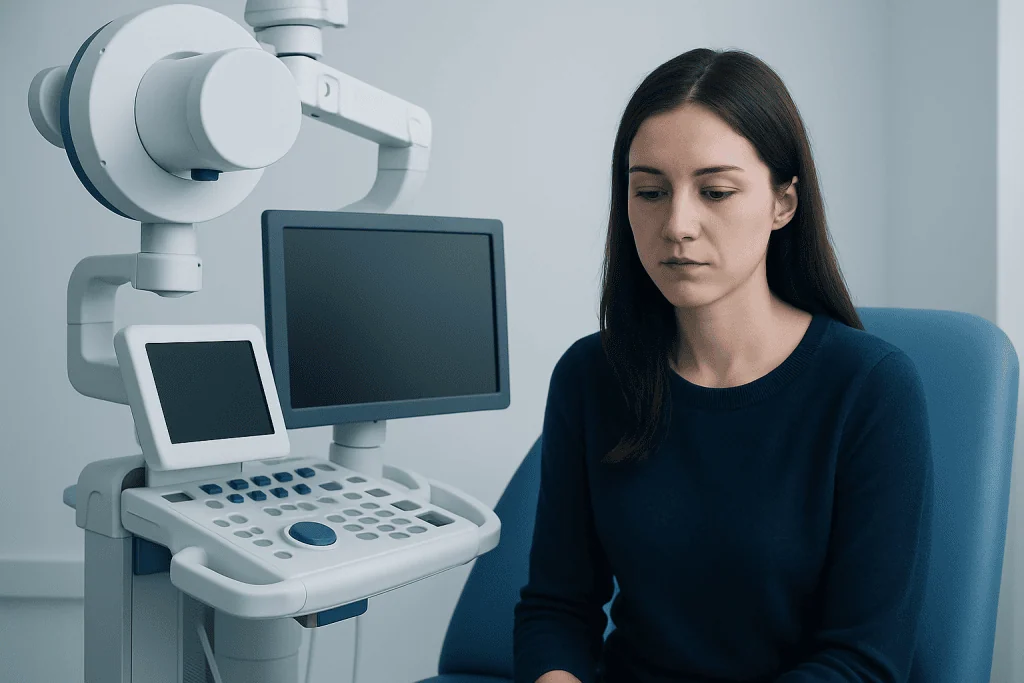
People with face dysmorphia may spend a great deal of time thinking about how their face looks. They may repeatedly check mirrors, avoid mirrors, compare themselves with others, take many selfies, edit photos, seek reassurance, or try to conceal the perceived flaw with makeup, facial hair, hairstyles, masks, or certain lighting. In some cases, they avoid photographs, video calls, dating, social events, or leaving home.
These concerns are not simply vanity. The emotional impact can be profound. A person may feel embarrassment, anxiety, low mood, irritability, or hopelessness. School, work, and relationships can suffer when appearance worries take up hours of the day or lead to social withdrawal.
Some individuals become convinced that others are staring at, judging, or mocking their face. This can increase distress and reinforce avoidance behaviors. Over time, the cycle of worry, checking, temporary relief, and renewed worry can become self-sustaining.
Because facial appearance is so visible in daily life, face dysmorphia may be especially distressing in a world shaped by social media, filters, close-up smartphone cameras, and constant self-view during video communication. These tools can magnify self-scrutiny and make perceived flaws feel more prominent than they are.
Signs and Symptoms

The most common symptom is persistent preoccupation with a facial feature that the person believes is defective, asymmetrical, unattractive, or abnormal. The concern may focus on acne, pores, scars, wrinkles, skin texture, the nose, lips, teeth, ears, jawline, hairline, or overall facial balance. The perceived problem may be minimal or not apparent to others.
Behavioral signs often include repetitive actions or mental rituals performed in response to appearance concerns. These can include mirror checking, grooming, touching the face, seeking reassurance, comparing the face with others, frequent photo review, excessive online searching, or avoiding social situations. Some people repeatedly consult cosmetic or dermatologic services while remaining dissatisfied afterward.
Emotional and functional symptoms may include:
- Intense shame or anxiety about appearance
- Difficulty concentrating because of intrusive thoughts
- Avoidance of school, work, dating, or social activities
- Strong belief that others notice or judge the perceived flaw
- Repeated attempts to hide, fix, or camouflage the face
- Low self-esteem, depressed mood, or isolation
Symptoms can vary in intensity. Some people recognize that their fears may be exaggerated, while others feel completely certain that the defect is severe. If distress becomes overwhelming or is accompanied by thoughts of self-harm, urgent professional help is needed.
Causes and Risk Factors
There is no single cause of face dysmorphia. Like body dysmorphic disorder more broadly, it is thought to develop through a combination of biological, psychological, and social factors. Some people may have a higher inherited vulnerability to anxiety, obsessive thinking, or mood disorders, which can make appearance-based preoccupations more likely.
Personal experiences also matter. Teasing, bullying, critical comments about appearance, trauma, acne or other visible skin conditions, or a period of intense social comparison may contribute. In some individuals, a real but minor facial difference becomes the focus of disproportionate worry. In others, the distress begins without a clear external trigger.
Modern visual culture can also play a role. Frequent exposure to idealized images, beauty filters, edited photos, and close facial scrutiny on social media may increase dissatisfaction, especially in vulnerable people. This does not mean media alone causes the condition, but it can amplify unhealthy thinking patterns.
Face dysmorphia may occur alongside other mental health conditions, including anxiety disorders, depression, obsessive-compulsive symptoms, eating disorders, or social anxiety. It is important to assess the full picture, because related conditions can influence treatment planning and recovery.
How Doctors Diagnose It
Face dysmorphia is diagnosed through a careful clinical assessment rather than a scan, blood test, or objective facial analysis. A doctor, psychiatrist, or psychologist will ask about the person’s appearance concerns, how much time they spend thinking about them, what behaviors they use to manage the distress, and how symptoms affect daily functioning.
The goal is to understand whether the concern fits body dysmorphic disorder or another issue, such as social anxiety, depression, an eating disorder, or understandable distress related to a visible medical condition. Sometimes there may also be overlap with dermatologic or cosmetic concerns, and a broader assessment can help identify the most helpful next step.
Diagnosis is especially important before pursuing aesthetic procedures. If a person’s main difficulty is a distorted perception or obsessive preoccupation, changing the facial feature may not relieve the distress and can sometimes make the preoccupation worse. In this context, evaluation by psychiatry or psychology is often more useful than repeated cosmetic interventions.
A thorough assessment may also include screening for depression, anxiety, obsessive-compulsive symptoms, and safety concerns such as self-harm thoughts. Honest communication can feel difficult, but it helps clinicians offer care that addresses the real source of suffering.
Treatment Options
The most effective treatment for face dysmorphia usually focuses on mental health care. Cognitive behavioral therapy, especially approaches tailored to body dysmorphic disorder, can help a person identify distorted beliefs about appearance, reduce compulsive checking or avoidance, and build healthier coping skills. This therapy is structured, practical, and aimed at changing both thought patterns and behaviors.
Medication may also help some people, particularly when symptoms are severe or occur alongside depression or anxiety. A psychiatrist can determine whether medication is appropriate and monitor benefits and side effects over time. Treatment plans are individualized, and improvement often happens gradually rather than all at once.
If a person also has skin concerns or another facial condition, coordinated care may be useful. For example, a clinician may recommend evaluation by dermatology when acne, scarring, or another skin problem is contributing to distress. The key is to treat the visible condition when appropriate while also addressing the emotional and cognitive aspects of face dysmorphia.
Repeated cosmetic procedures are generally not the first-line solution when body dysmorphic disorder is present. For some patients, a multidisciplinary team is the best approach. Near the end of the care journey, centers such as Acibadem International may coordinate assessment with mental health, dermatology, and other specialists in JCI-accredited hospitals for international patients when needed.
Self-care, Prevention, and Healthy Support
There is no guaranteed way to prevent face dysmorphia, but certain habits may reduce risk or keep symptoms from worsening. Limiting repetitive mirror checking, avoiding prolonged photo analysis, reducing exposure to filtered or appearance-focused content, and maintaining regular sleep, exercise, and social routines can all support emotional balance. These steps are not a substitute for treatment, but they can complement professional care.
Support from family and friends can make a meaningful difference. Helpful support usually means listening without judgment, encouraging professional evaluation, and avoiding endless reassurance about the person’s appearance. Reassurance may provide brief relief, but it can unintentionally reinforce the cycle of worry and checking.
For children, teenagers, and young adults, early attention is especially valuable. Parents, teachers, and caregivers should take repeated appearance distress seriously if it leads to isolation, declining school performance, or compulsive behaviors. In some cases, an initial consultation through psychology can help clarify whether concerns are part of normal development or a condition needing treatment.
Self-compassion also matters. Learning to shift focus from appearance to function, relationships, interests, and overall health can gradually reduce the power of intrusive appearance-based thoughts. Recovery does not mean never noticing the face again; it means those thoughts no longer control daily life.
When to Seek Medical Care
A person should seek medical care if concerns about facial appearance cause persistent distress, take up a lot of time, or interfere with work, school, relationships, or daily routines. Professional help is also important if someone is repeatedly checking mirrors, avoiding social situations, or seeking frequent cosmetic opinions without feeling satisfied.
Medical evaluation is especially important when symptoms are accompanied by depression, panic, severe anxiety, obsessive rituals, or social withdrawal. Urgent help is needed if there are thoughts of self-harm, hopelessness, or inability to function safely. In these situations, contacting emergency services or an urgent mental health provider is the safest step.
It is also reasonable to consult a doctor when a visible skin or facial condition may be contributing to distress. A clinician can help determine whether the main issue is a treatable physical condition, a mental health condition, or both. This can prevent unnecessary procedures and guide the person toward effective care sooner.
Seeking help early is not overreacting. Face dysmorphia can be highly distressing, but with proper assessment and treatment, many people experience meaningful improvement in symptoms and quality of life.
Frequently asked questions
Is face dysmorphia a real medical diagnosis?
Face dysmorphia is a commonly used term, but it is not usually the formal diagnosis doctors use. In many cases, the symptoms fall under body dysmorphic disorder, a recognized mental health condition involving distress about perceived appearance flaws.
How is face dysmorphia different from normal insecurity?
Many people occasionally dislike parts of their appearance, and that alone does not mean there is a disorder. Face dysmorphia is more persistent and intense, often causing compulsive checking, avoidance, emotional distress, and disruption to daily life.
Can cosmetic surgery or fillers fix face dysmorphia?
Not usually, if the main problem is body dysmorphic disorder or distorted appearance-related thinking. Cosmetic changes may not relieve the distress and can sometimes lead to ongoing dissatisfaction, which is why mental health assessment is important first.
What kind of doctor should someone see for face dysmorphia?
A primary care doctor can be a good starting point, especially if the symptoms are new or there may be an underlying skin or health issue. However, evaluation by a mental health professional such as a psychologist or psychiatrist is often central to diagnosis and treatment.
Can teenagers develop face dysmorphia?
Yes, symptoms often begin during adolescence or young adulthood, when appearance concerns and social comparison can be especially strong. Early recognition and supportive, professional care can improve outcomes and reduce the impact on school and relationships.
Does social media cause face dysmorphia?
Social media is not the only cause, but it can worsen symptoms in vulnerable people by increasing comparison, self-scrutiny, and exposure to edited or filtered faces. Reducing harmful online triggers may help, but professional treatment is still important when symptoms are significant.
This article is for general information only and is not a substitute for professional medical advice. Please consult a qualified doctor about your individual situation.
Explore treatments in Turkey — costs, top hospitals & a free quote
JCI-accredited · board-certified surgeons · reply within 24h
Add us as a Preferred Source to see more of our trusted health content across Google Search, AI Overviews and Discover.

More from the Health Library

Gangrene — Explained by Medical Evidence, Not Myths

Toenail Falling Off: An Evidence-Based Guide for Patients

Apple Cider Vinegar Bath: A Complete Medical Overview

Dislocated Jaw: A Complete Medical Overview

Nonenal Odor — Explained by Medical Evidence, Not Myths