Face Transplant: Benefits, Risks, and Recovery — A Complete Guide
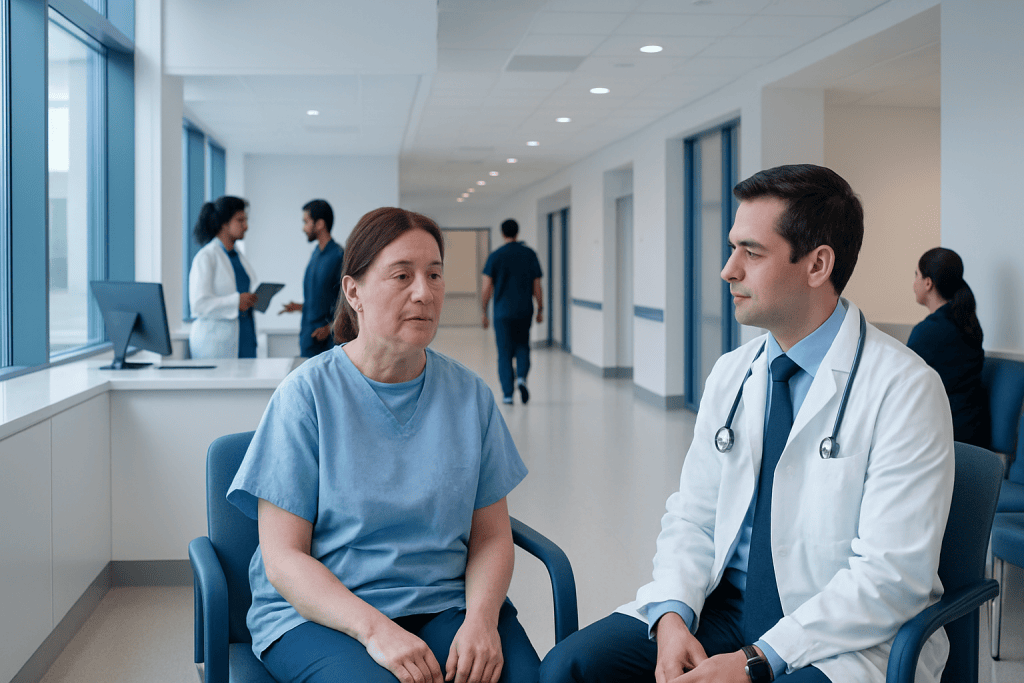
Face transplant is not cosmetic surgery; it is a reconstructive option for severe facial injury, burns, tumor-related loss, or other major defects. The main goals are to restore function, protect vital structures, and improve quality of life when conventional reconstruction is not enough.
Key Takeaways
- Face transplant is not cosmetic surgery; it is a reconstructive option for severe facial injury, burns, tumor-related loss, or other major defects.
- The main goals are to restore function, protect vital structures, and improve quality of life when conventional reconstruction is not enough.
- Candidates go through extensive medical, psychological, and social evaluation before surgery is considered.
- Recovery is long and requires rehabilitation, lifelong anti-rejection medicines, and close monitoring for complications.
- Benefits can be substantial, but risks include rejection, infection, medication side effects, and the possibility of additional surgeries.
Face transplant is a highly specialized reconstructive procedure for selected people with severe facial loss or damage when standard reconstruction cannot restore enough function or appearance. It may improve breathing, eating, speaking, blinking, and social interaction, but it also involves lifelong immunosuppressive treatment, careful follow-up, and meaningful risks.
Overview: what a face transplant is and why it is done
A face transplant is a complex reconstructive operation in which some or all facial tissues from a deceased donor are transplanted to a recipient with severe facial damage. It is considered only in carefully selected cases, usually when standard reconstructive techniques cannot adequately restore essential function or appearance. The purpose is not simply to change appearance, but to rebuild structures that support breathing, eating, speaking, blinking, facial expression, and social interaction.
Unlike a routine skin graft or local flap procedure, face transplant may involve skin, fat, muscles, blood vessels, nerves, and sometimes bone, cartilage, or other tissues as needed. This type of surgery belongs to a broader group called vascularized composite allotransplantation. Because it uses donor tissue, the recipient must take lifelong medicines to reduce the risk of immune rejection.
People who may be considered for face transplant often have major facial loss from trauma, severe burns, animal attacks, certain congenital problems, or tissue loss after treatment for disease. In some situations, traditional reconstructive surgery remains the first and best option. Procedures within reconstructive plastic surgery may improve contour, protect the eyes and airway, and restore function without the added burden of lifelong immunosuppression. Face transplant is generally reserved for the rare situations where these approaches are not enough.
Who may be a candidate
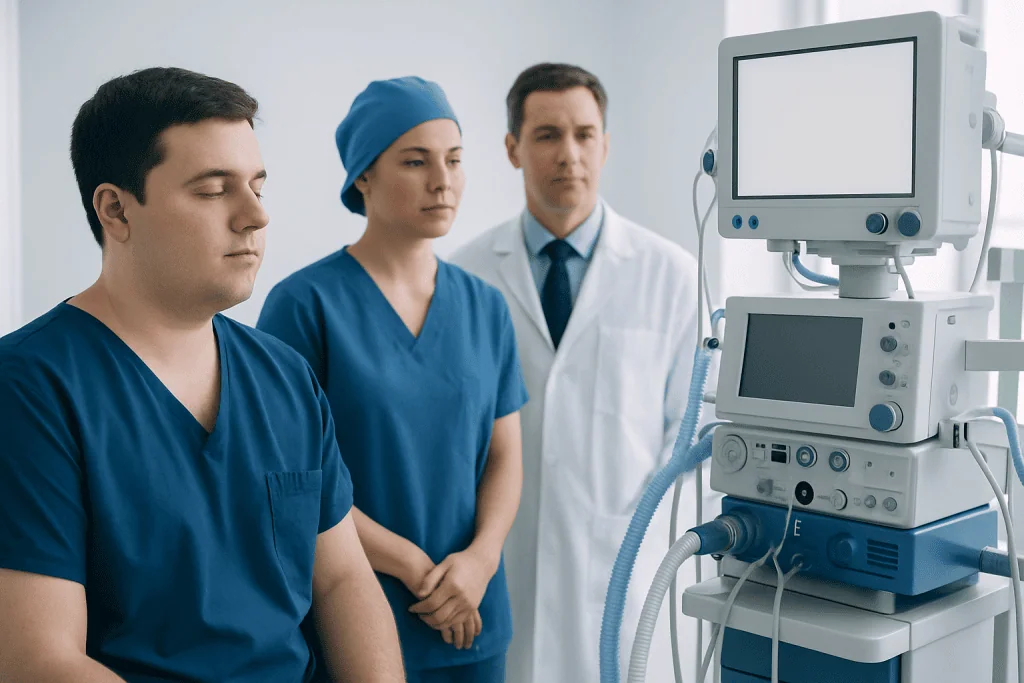
Face transplant candidacy is highly individualized. A person is usually considered only after a multidisciplinary team determines that the facial injury or defect is severe, stable, and unlikely to be adequately treated with conventional reconstruction alone. The team also reviews whether the expected benefits in function and quality of life are likely to outweigh the risks of major surgery and lifelong treatment.
Typical considerations include the extent of tissue loss, the condition of the airway and eyes, nerve and muscle function, overall physical health, and the presence of other medical conditions. People with uncontrolled infection, active cancer, severe heart or lung disease, or conditions that would make long-term anti-rejection treatment unsafe may not be suitable candidates. In those with facial tissue loss related to skin cancer, the cancer itself must be carefully evaluated and treated before transplantation could even be discussed.
Psychological readiness is also essential. Candidates need to understand the demands of surgery, rehabilitation, frequent follow-up, and strict medication adherence. The evaluation commonly includes mental health assessment, social support review, nutritional assessment, dental and airway evaluation, imaging, laboratory testing, and discussions about expectations. A strong support system is important because recovery is prolonged and emotionally demanding.
- Severe facial injury or deformity that significantly affects function
- Failure or limited benefit of conventional reconstructive methods
- Ability to participate in lifelong follow-up and rehabilitation
- Emotional preparedness and reliable social support
How the procedure works: planning and step-by-step surgery
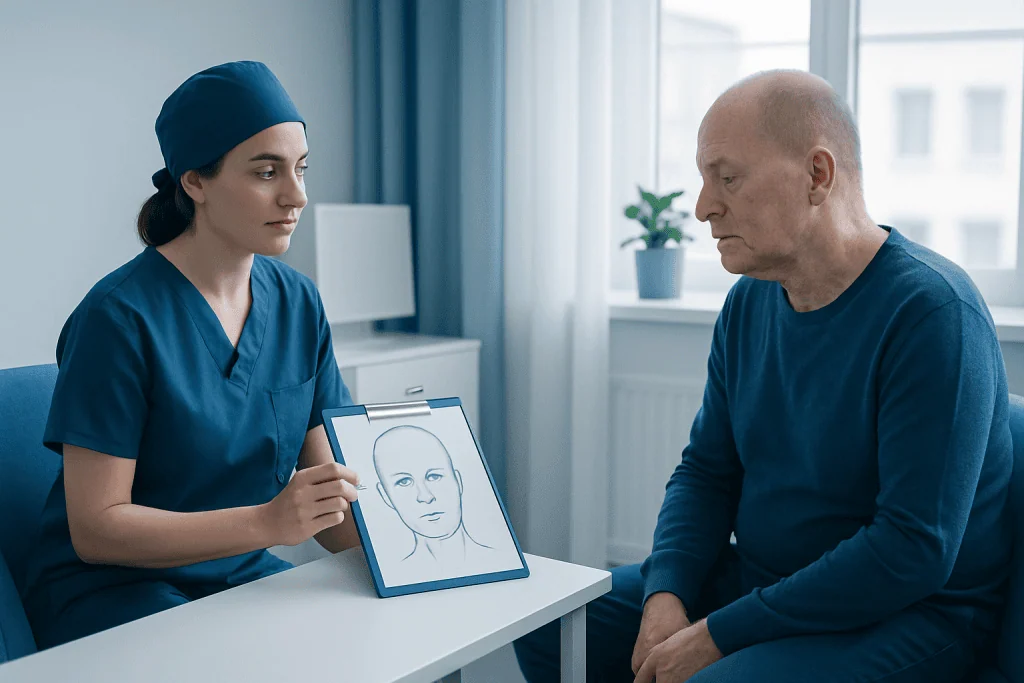
Face transplant begins long before the operation itself. Surgeons map the recipient’s facial defect in detail using photographs, imaging, blood vessel studies, and sometimes three-dimensional planning tools. They determine which tissues must be replaced and which structures can be preserved. Donor-recipient matching considers blood type, tissue compatibility, skin tone, facial size, and the practical anatomy of the tissues that need to be transplanted.
Once a donor is identified, two surgical teams usually work at the same time. One team carefully recovers the donor tissues, preserving arteries, veins, nerves, muscles, and any needed bone segments. The other team prepares the recipient site by removing scarred or nonfunctional tissues and identifying the blood vessels, nerves, and skeletal support needed to receive the transplant. This stage is meticulous because precise alignment strongly influences function and appearance.
The transplanted facial tissues are then connected to the recipient using microsurgery. Surgeons join blood vessels first to restore circulation, then align nerves, muscles, and soft tissues. If the transplant includes jaw, nose, or other bony structures, rigid fixation may be used to secure them. Finally, the team closes the tissues and checks blood flow closely. Depending on the defect, associated maxillofacial surgery techniques may be part of the reconstruction plan.
After surgery, the recipient is monitored in intensive care and started on anti-rejection medicines. The first days and weeks are focused on blood flow to the graft, wound healing, breathing, nutrition, and early signs of rejection or infection. From the outset, rehabilitation begins to support speech, swallowing, facial movement, and daily function.
Potential benefits and realistic expectations
The benefits of face transplant can be life-changing for selected patients, especially when severe facial loss has caused both physical disability and social isolation. Depending on the structures transplanted, surgery may improve airway protection, oral competence, chewing, swallowing, speech, blinking, facial sensation, and expression. These practical gains often matter more than appearance alone, because they can improve independence, comfort, and participation in daily life.
There may also be psychological and social benefits. Severe facial differences can affect self-image, communication, and confidence. When function improves and the face regains a more natural contour, some patients find it easier to interact with others. Even so, a face transplant does not create the donor’s face. The final appearance is shaped by the recipient’s underlying bone structure, remaining tissues, healing pattern, and rehabilitation progress.
Expectations need to stay realistic. Recovery is gradual, and nerve regeneration can take months to years. Not all movement or sensation returns fully, and additional procedures may be needed to refine contour, improve eyelid closure, revise scars, or manage complications. For some people, advanced reconstructive options such as microsurgery or staged free-flap surgery may still be more appropriate than transplantation.
Risks and possible complications
Face transplant carries major short-term and long-term risks. The operation itself is lengthy and technically demanding, so surgical risks include bleeding, blood clots, poor wound healing, anesthesia complications, and loss of blood supply to part of the transplant. Because many structures are being reconnected, there can also be complications involving nerves, facial movement, vision protection, or airway management.
The most important long-term issue is rejection. Since the transplanted tissue comes from a donor, the immune system recognizes it as foreign. Rejection may be acute or chronic, and although it can often be treated if found early, it can damage the graft. For this reason, recipients need lifelong immunosuppressive medicines and repeated follow-up visits, blood tests, and sometimes tissue biopsies.
Immunosuppressive medicines can themselves cause serious side effects. These may include infection, kidney problems, high blood pressure, diabetes, changes in cholesterol, bone thinning, and increased risk of some cancers over time. Patients also need monitoring for emotional strain, body image adjustment, and the practical burden of long-term treatment. The balance between benefit and risk is central to every face transplant decision.
- Surgical complications such as bleeding, clotting, or partial graft failure
- Acute or chronic rejection of the transplanted tissues
- Infections related to immunosuppression
- Medication side effects affecting organs and metabolism
- Need for revision surgeries and long-term rehabilitation
Recovery timeline and long-term care
Recovery after face transplant is measured in stages rather than in a single fixed timeline. In the hospital, the early focus is graft survival, infection prevention, pain control, nutrition, and airway safety. Swelling is expected at first, and appearance changes significantly over time as healing progresses. Specialists monitor the blood flow to the transplanted tissues closely and adjust medicines to reduce the risk of rejection.
Rehabilitation usually begins early and continues for many months. This may include physical therapy for facial movement, speech and swallowing therapy, occupational therapy, nutritional support, dental care, and psychological support. Sensation may start returning gradually, while motor recovery often takes longer as nerves heal and reconnect. The pace varies from one person to another and depends on the extent of the transplant and the condition of the surrounding structures.
Long-term care is a defining part of life after face transplant. Recipients need regular clinical exams, blood work, skin checks, imaging when needed, and strict adherence to immunosuppressive therapy. They are also taught how to recognize concerning changes such as new redness, swelling, rash, pain, fever, or reduced function, which may signal rejection or infection. Follow-up is not optional; it is part of the treatment itself.
At experienced centers, care is coordinated across plastic surgery, transplant medicine, infectious diseases, rehabilitation, mental health, nutrition, and other specialties. Near the end of the care pathway, patients may benefit from programs that integrate reconstruction and function, including hand and microsurgery expertise where delicate nerve and vessel repair principles are also central. Acibadem International’s multidisciplinary specialists and JCI-accredited hospitals diagnose and treat complex reconstructive conditions for international patients.
When to seek medical care
Anyone with severe facial injury, major burns, tissue loss, or a facial defect that affects breathing, vision protection, eating, speech, or swallowing should seek prompt medical evaluation. Early care can protect the airway, reduce infection risk, preserve tissue, and help reconstructive teams plan the best treatment path. In emergencies, urgent treatment always comes before considering advanced reconstruction.
People who have already undergone reconstruction should contact their doctor if they develop worsening pain, new redness, fever, drainage, bleeding, sudden swelling, trouble breathing, or changes in vision. After face transplant, these symptoms may suggest infection, blood flow problems, or rejection and need immediate assessment. Patients should also seek help if they are struggling with medication side effects, emotional distress, or difficulty following the treatment plan, because these issues can affect long-term outcomes.
Alternatives, self-care, and decision-making
Face transplant is only one part of the reconstructive spectrum. Many people with facial defects are treated successfully with staged conventional reconstruction, prosthetics, scar management, nerve repair, free-flap surgery, bone reconstruction, dental rehabilitation, and functional therapies. The right approach depends on the cause and location of the defect, overall health, personal goals, and whether the expected gains justify the risks of transplantation.
Self-care matters before and after any major reconstruction. Good nutrition, smoking cessation, control of chronic conditions such as diabetes, wound care, oral hygiene, and keeping all follow-up appointments support healing and lower complication risk. Emotional support is equally important. Counseling, peer support, and family involvement can help patients adjust to appearance changes, treatment demands, and the long recovery process.
Shared decision-making is essential. Patients should feel comfortable asking what standard reconstruction could achieve, what functions might improve with transplant, what lifelong treatment would involve, and what complications could arise. A qualified transplant and reconstructive team can explain the options in a balanced way and help determine whether face transplant is truly the best fit for a person’s medical needs and life circumstances.
Frequently asked questions
Is a face transplant the same as cosmetic surgery?
No. Face transplant is a reconstructive procedure used for severe facial loss or damage when standard reconstruction cannot restore enough function or protection. Its main goals are to improve essential functions such as breathing, blinking, eating, speaking, and facial movement.
Who can get a face transplant?
Only a small number of carefully selected patients are potential candidates. They usually have severe facial injury or tissue loss, are medically stable, understand the risks, and are able to commit to lifelong follow-up and anti-rejection treatment.
How long does recovery take after a face transplant?
Recovery is long and happens in phases over months to years. Early healing begins in the hospital, but nerve recovery, rehabilitation, and adjustment to long-term medicines continue much longer. The exact timeline varies widely from person to person.
What are the biggest risks of face transplant?
The main risks include surgical complications, infection, and rejection of the transplanted tissues. Lifelong immunosuppressive medicines are necessary and can lead to other health problems, such as kidney issues, high blood pressure, diabetes, and increased infection risk.
Will the person look like the donor after surgery?
No. A transplanted face does not make the recipient look exactly like the donor. The final appearance depends on the recipient's bone structure, remaining tissues, soft tissue thickness, and the way the body heals over time.
Are there alternatives to face transplant?
Yes. Many patients are treated with conventional reconstructive surgery, skin grafts, local or free flaps, prosthetics, scar revision, and rehabilitation. These options are usually considered first because they do not require lifelong anti-rejection medicines.
References
- World Health Organization
- National Institute of Arthritis and Musculoskeletal and Skin Diseases
- American Society of Plastic Surgeons
- National Institute of Diabetes and Digestive and Kidney Diseases
- MedlinePlus
This article is for general information only and is not a substitute for professional medical advice. Please consult a qualified doctor about your individual situation.
Explore treatments in Turkey — costs, top hospitals & a free quote
JCI-accredited · board-certified surgeons · reply within 24h
Add us as a Preferred Source to see more of our trusted health content across Google Search, AI Overviews and Discover.