Facial Spasm: Causes, MRI Workup, and Treatment Options

Facial spasm commonly causes repeated twitching around the eye, cheek, or mouth. Hemifacial spasm often affects one side of the face and may be linked to irritation of the facial nerve.
Key Takeaways
- Facial spasm commonly causes repeated twitching around the eye, cheek, or mouth.
- Hemifacial spasm often affects one side of the face and may be linked to irritation of the facial nerve.
- MRI helps doctors look for structural causes such as a blood vessel pressing on the nerve.
- Treatment may include botulinum toxin injections, medicines, or surgery in selected cases.
- Persistent, worsening, or unusual facial movements should be evaluated by a qualified doctor.
Facial spasm refers to involuntary tightening or twitching of muscles in the face, sometimes affecting one side more than the other. MRI is often used to help identify the cause, and treatment depends on whether the spasm is due to nerve compression, irritation, or another neurological condition.
Overview
Facial spasm is a general term for repeated, involuntary contractions of the muscles of the face. People may describe it as twitching, pulling, fluttering, squeezing, or brief jerking movements. The spasms can be mild and occasional or more noticeable and disruptive, depending on the cause.
One of the best-known forms is hemifacial spasm, which usually affects muscles on one side of the face. It often begins around the eye and may gradually involve the cheek, mouth, and neck on the same side. Although it is usually not dangerous, it can interfere with daily activities, vision, sleep, and confidence.
Not every facial twitch is hemifacial spasm. Facial movements can also occur with eyelid twitching, stress-related muscle activity, medication side effects, tic disorders, or neurological conditions that affect facial nerves and muscles. Because the causes are varied, a careful medical assessment is important.
Doctors usually focus on the pattern of movement, whether one or both sides are involved, what triggers the symptoms, and whether there are other neurological signs. This helps distinguish facial spasm from conditions such as trigeminal neuralgia or other causes of facial discomfort and movement changes.
Symptoms
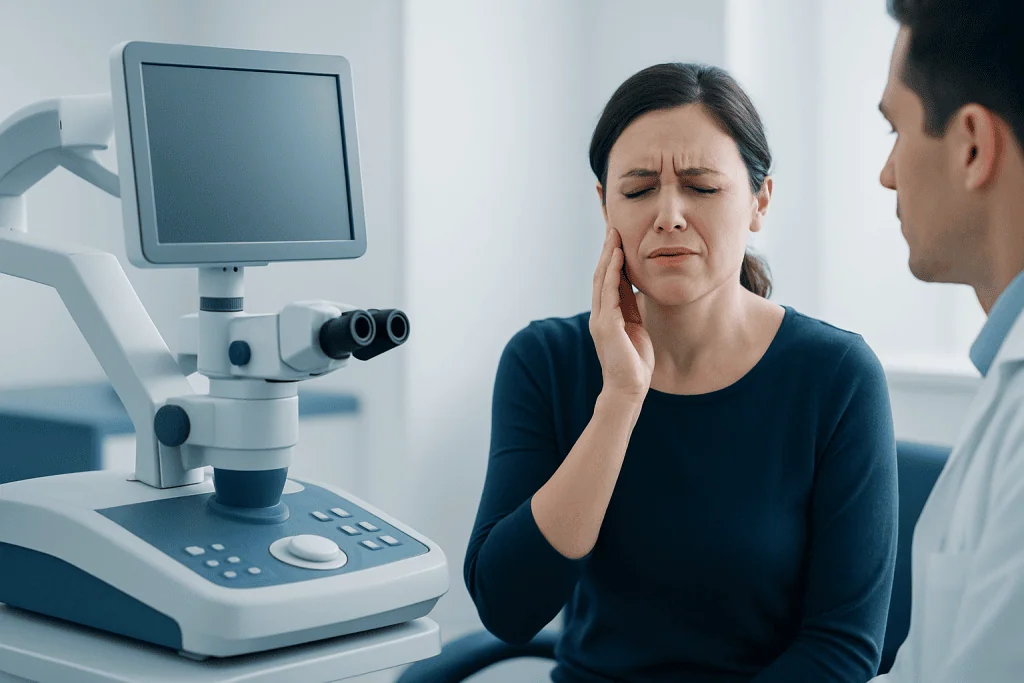
The most common symptom is involuntary twitching of facial muscles. In hemifacial spasm, this often starts with intermittent blinking or tightening around one eye. Over time, spasms may spread downward to involve the cheek, corner of the mouth, jaw, or the platysma muscle in the neck.
Spasms may be brief or sustained. Some people notice that symptoms worsen with stress, fatigue, speaking, chewing, or bright light. In others, the contractions happen even during rest and can continue during sleep. The severity can vary from subtle flickering to stronger pulling movements that affect facial expression.
Symptoms that may accompany facial spasm include:
- Frequent blinking or forced eye closure
- Twitching of the cheek or lip
- Pulling of one side of the mouth
- A feeling of facial tightness
- Difficulty keeping the eye open during a spasm
- Embarrassment or social discomfort due to visible movements
It is helpful to note that facial spasm does not usually cause numbness. If a person also has facial weakness, hearing changes, severe pain, dizziness, or other new neurological symptoms, doctors may look more closely for an underlying nerve or brain-related cause.
Causes and Risk Factors
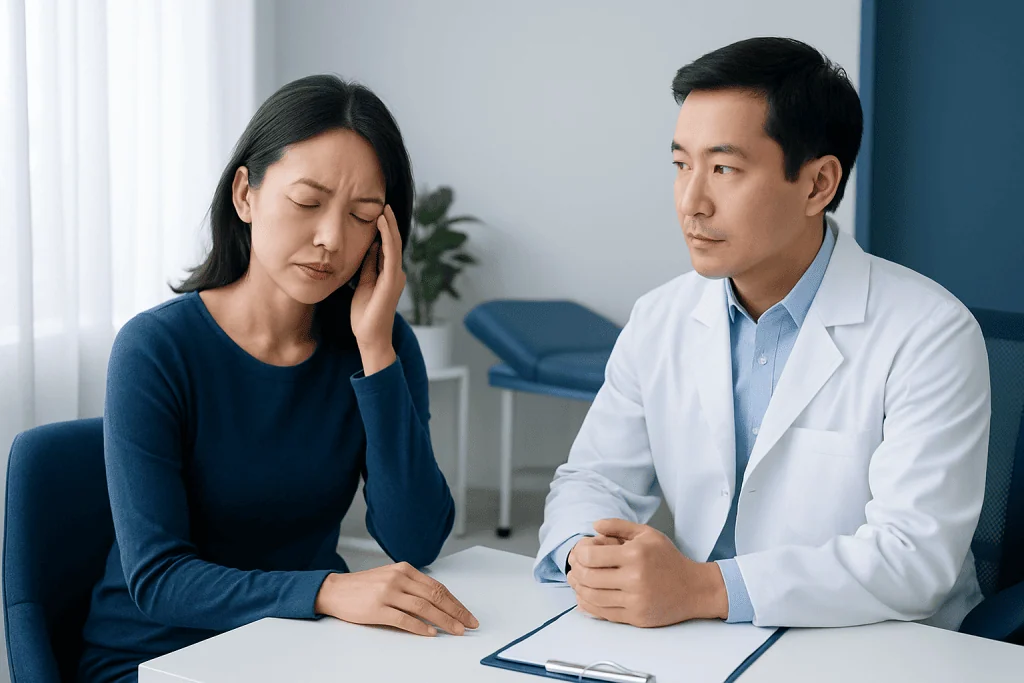
A common cause of hemifacial spasm is irritation of the facial nerve, often where the nerve exits the brainstem. In many cases, a nearby blood vessel presses against the nerve and causes it to fire abnormally. This nerve compression can lead to repeated, involuntary contractions of the muscles supplied by that nerve.
Less commonly, facial spasm may be related to a prior facial nerve injury, recovery after Bell’s palsy, tumors in the region of the nerve, vascular abnormalities, demyelinating disease, or other structural conditions. Some people have facial twitching from benign eyelid muscle activity, fatigue, caffeine use, anxiety, or medication effects rather than true hemifacial spasm.
Risk factors are not always clear, but facial spasm is more often seen in middle-aged and older adults. It may also be more likely when there has been previous irritation or damage to the facial nerve. The symptoms themselves do not always indicate a serious disorder, but persistent one-sided spasms deserve medical evaluation.
Because several neurological conditions can overlap in appearance, a specialist may also consider whether the movements fit with tic disorders, dystonia, seizure-related activity, or another movement disorder. In some cases, additional neurological testing is advised to rule out other causes.
Why MRI Is Important in the Workup
MRI plays an important role in the evaluation of facial spasm, especially when symptoms are persistent, one-sided, or progressive. The scan helps doctors look closely at the brain, brainstem, facial nerve pathway, and nearby blood vessels. It can reveal whether a vessel is touching or compressing the facial nerve, which is a common explanation for hemifacial spasm.
MRI is also useful for excluding less common but important causes such as tumors, multiple sclerosis-related lesions, or other structural abnormalities. In many patients, doctors may request a high-resolution MRI focused on the posterior fossa and cranial nerves. Sometimes magnetic resonance angiography is added to better show the blood vessels.
An MRI does not diagnose every cause by itself. The results are interpreted together with the medical history and neurological examination. A normal scan can still be seen in people with facial twitching caused by non-structural or intermittent nerve irritation, so the diagnosis remains clinical as well as radiological.
Imaging is especially valuable when surgery is being considered. If nerve compression is suspected, MRI helps the care team plan the safest approach and decide whether procedures such as microvascular decompression may be appropriate.
Diagnosis
Diagnosis usually begins with a detailed history and neurological examination. The doctor will ask when the twitching started, whether it affects one side or both, how often it occurs, and whether it is getting worse over time. Video recordings from a phone can sometimes help if the spasms are intermittent and not obvious during the visit.
The physical examination looks at the pattern of movement, facial strength, reflexes, eye closure, and any signs suggesting another neurological disorder. In typical hemifacial spasm, the contractions follow the muscles supplied by the facial nerve on one side. This pattern can help distinguish it from isolated eyelid twitching or psychogenic movement symptoms.
Doctors may order tests based on the individual situation. These can include MRI, sometimes with vascular imaging, and occasionally neurophysiological studies if the diagnosis is uncertain. If there are signs of another condition, the evaluation may extend to related disorders such as brain tumor or cranial nerve problems.
A clear diagnosis is important because treatment differs depending on the cause. For example, a benign eyelid twitch often improves with rest and trigger control, while true hemifacial spasm may respond better to targeted injections or surgery.
Treatment Options
Treatment depends on the cause, severity of symptoms, and how much the spasms interfere with daily life. For many people with hemifacial spasm, botulinum toxin injections are the most commonly used symptomatic treatment. These injections help relax the overactive muscles and can reduce twitching for a period of time, though repeat sessions are usually needed.
Oral medications may be considered in some cases, especially when symptoms are mild or injections are not suitable. Their benefit can vary, and side effects such as sleepiness may limit long-term use. Doctors tailor treatment individually rather than using a one-size-fits-all approach.
If imaging suggests compression of the facial nerve by a blood vessel and symptoms are significant, surgery may be discussed. Microvascular decompression aims to relieve the pressure on the nerve and may offer longer-lasting benefit in selected patients. As with any operation, the potential benefits and risks should be reviewed carefully with an experienced team.
When facial spasm is linked to another condition, treatment focuses on the underlying problem as well. In a comprehensive center, care may involve neurology, neuroradiology, and brain and nerve surgery specialists. Near the end of the treatment journey, some international patients seek care at centers such as Acibadem International, where multidisciplinary specialists and JCI-accredited hospitals evaluate and treat neurological movement disorders.
Prevention and Self-care
There is no guaranteed way to prevent hemifacial spasm, especially when it is caused by nerve compression. Still, some self-care steps may help reduce the frequency or intensity of twitching in people whose symptoms are worsened by lifestyle triggers. Good sleep, stress management, and limiting excess caffeine may be useful for some individuals.
Keeping a symptom diary can be practical. Recording when spasms occur, what seems to trigger them, and whether they affect vision or speech can help the doctor understand the pattern and decide on treatment. This is also useful for tracking response after botulinum toxin injections or other therapies.
People should avoid self-diagnosing persistent facial twitching as harmless, especially if it is one-sided and progressive. It is also wise not to stop or change prescribed medicines without medical advice, since some drugs can affect muscle activity or interact with treatment plans.
General self-care measures include:
- Prioritizing regular sleep
- Managing stress through relaxation techniques
- Reducing triggers such as excess caffeine if they worsen symptoms
- Protecting the eyes if forced blinking causes dryness or irritation
- Attending follow-up appointments as advised
When to See a Doctor
A doctor should evaluate facial spasm if twitching lasts for more than a short period, keeps returning, or gradually worsens. Medical attention is especially important when the symptoms affect only one side of the face, spread to other facial muscles, or begin interfering with vision, work, or daily activities.
Urgent assessment is recommended if facial twitching is accompanied by facial weakness, drooping, numbness, trouble speaking, severe headache, balance problems, hearing changes, or other sudden neurological symptoms. These features may suggest a different diagnosis that needs prompt attention.
Even when the cause is not dangerous, treatment can improve comfort and quality of life. A neurologist or movement disorder specialist can confirm the diagnosis, arrange MRI when needed, and discuss options ranging from symptom control to procedures such as Gamma Knife radiosurgery in selected neurological cases, although it is not the standard treatment for typical hemifacial spasm.
Early evaluation can also prevent unnecessary worry. Many causes of facial twitching are manageable, and a structured workup helps ensure that the most appropriate and least invasive treatment is considered first.
Frequently asked questions
What is the difference between facial spasm and hemifacial spasm?
Facial spasm is a broad term for involuntary facial muscle contractions. Hemifacial spasm is a specific condition that usually affects one side of the face and is often related to irritation or compression of the facial nerve.
Is facial spasm serious?
Facial spasm is often not life-threatening, but it should still be evaluated if it persists or worsens. In some cases, it may point to facial nerve compression or another neurological condition that needs treatment.
Why do doctors order an MRI for facial spasm?
MRI helps doctors look for structural causes such as a blood vessel pressing on the facial nerve, tumors, or other abnormalities. It is an important part of the workup when spasms are one-sided, progressive, or unexplained.
Can stress cause facial twitching?
Stress can worsen facial twitching and may trigger benign muscle activity, especially around the eyelids. However, persistent one-sided spasms should not be assumed to be due to stress alone.
What is the most common treatment for hemifacial spasm?
Botulinum toxin injections are commonly used to reduce muscle overactivity and improve symptoms. They are often effective for symptom control, but repeat treatments are usually needed because the effect is temporary.
Can facial spasm go away on its own?
Some mild facial twitching related to fatigue, caffeine, or stress may improve on its own. True hemifacial spasm is less likely to fully resolve without treatment, especially if it is caused by ongoing nerve compression.
References
- National Institute of Neurological Disorders and Stroke
- American Academy of Neurology
- National Institute for Health and Care Excellence
- Mayo Clinic
- Merck Manual Consumer Version
This article is for general information only and is not a substitute for professional medical advice. Please consult a qualified doctor about your individual situation.
Explore treatments in Turkey — costs, top hospitals & a free quote
JCI-accredited · board-certified surgeons · reply within 24h
Add us as a Preferred Source to see more of our trusted health content across Google Search, AI Overviews and Discover.

Neurology
Diagnosis and treatment of disorders of the brain, spinal cord, nerves and muscles.
51 specialists in this unitMore from the Health Library


Related Specialists

Prof. Dr. Ece Aydoğ
Physical Medicine & Rehabilitation
Dr. Mesil Acar
Inpatient Clinic Physicians Clinical Service
Dr. Mehmet Malçok
Pediatrics
Dr. Banu Ulusoy
Clinical Laboratory