Faeces with Blood and Mucus: A Complete Medical Overview

Faeces with blood and mucus may be linked to irritation, infection, inflammation, or bleeding in the digestive tract. Bright red blood often points to bleeding lower in the bowel or rectum, while mucus suggests irritation or inflammation of the bowel lining.
Key Takeaways
- Faeces with blood and mucus may be linked to irritation, infection, inflammation, or bleeding in the digestive tract.
- Bright red blood often points to bleeding lower in the bowel or rectum, while mucus suggests irritation or inflammation of the bowel lining.
- Persistent symptoms, severe pain, dizziness, black stools, fever, or unexplained weight loss should be assessed promptly by a doctor.
- Diagnosis may involve a history, physical exam, stool tests, blood tests, and sometimes colonoscopy or imaging.
- Treatment depends on the cause and may include hydration, dietary changes, medicines, or specialist care.
Faeces with blood and mucus can happen for several reasons, from hemorrhoids and infections to inflammatory bowel disease and other bowel conditions. The combination is not a diagnosis by itself, but it is an important symptom pattern that often deserves medical evaluation, especially if it recurs, is painful, or comes with diarrhea, fever, or weight loss.
Overview: what faeces with blood and mucus can mean
Faeces with blood and mucus usually means there is irritation, inflammation, or bleeding somewhere in the lower digestive tract. In some people, the cause is relatively minor, such as hemorrhoids or an anal fissure. In others, it may reflect an infection, inflammatory bowel disease, diverticular disease, or another bowel disorder that needs proper diagnosis.
Blood may appear bright red, maroon, or mixed into the stool. Mucus is a slippery, jelly-like substance normally made by the intestines in small amounts to protect the bowel lining. When it becomes noticeable in stool, especially together with blood, it can suggest that the bowel is inflamed or reacting to irritation.
This symptom should be looked at in context. The color and amount of blood, the presence of diarrhea or constipation, abdominal pain, urgency, fever, and recent travel or antibiotic use all help doctors understand the likely cause. A single small streak of blood after straining may be different from repeated bloody, mucusy diarrhea.
Because the possible causes range from simple to more serious, a clear medical assessment is the safest approach when symptoms are persistent, recurrent, or difficult to explain.
Common symptoms that may happen alongside it
People who notice faeces with blood and mucus may also have a change in bowel habits. This can include diarrhea, frequent urges to pass stool, constipation, or a feeling of not fully emptying the bowel. Some people mainly notice blood on toilet paper or on the outside of the stool, while others see mucus mixed throughout it.
Abdominal cramps, rectal discomfort, bloating, and pain with bowel movements can also occur. If the cause is an infection or inflammatory condition, there may be fever, tiredness, nausea, or reduced appetite. In hemorrhoids and fissures, bleeding often happens with straining and may be accompanied by itching or sharp anal pain.
The appearance of the blood can offer clues, although it does not replace diagnosis. Bright red blood often comes from the rectum or lower colon. Darker blood may suggest bleeding higher up in the digestive tract. Black, tarry stools are different from fresh red blood and can indicate upper gastrointestinal bleeding, which needs urgent assessment.
- Bright red blood on stool or toilet paper
- Visible mucus in or around stool
- Diarrhea or constipation
- Abdominal pain or cramping
- Rectal pain, itching, or urgency
- Fever, fatigue, or unintended weight loss
Causes and risk factors

Several conditions can cause blood and mucus to appear together in stool. Benign anorectal causes include hemorrhoids and anal fissures, which may cause fresh blood, especially after constipation or straining. However, these conditions do not always explain mucus, so if mucus is a regular feature, doctors often look further into the bowel.
Infections are another important cause. Bacterial, viral, or parasitic infections can inflame the intestines and trigger diarrhea with mucus and blood. Food poisoning, contaminated water, recent travel, or antibiotic-related bowel infection may be relevant. In these cases, symptoms can start suddenly and may come with fever, cramps, and dehydration.
Inflammatory bowel disease, including ulcerative colitis and Crohn's disease, can cause repeated episodes of bloody mucus stool, urgency, abdominal pain, and fatigue. Other possibilities include diverticular disease, proctitis, ischemic colitis, radiation-related bowel irritation, and colorectal polyps or colon cancer, especially in older adults or people with warning signs.
Risk factors depend on the underlying condition, but may include a family history of bowel disease, smoking, recent infection exposure, low-fiber diets, chronic constipation, certain medicines, immune system problems, and increasing age. A doctor considers these together rather than relying on one symptom alone.
How doctors diagnose the cause
Diagnosis begins with a detailed medical history. A doctor usually asks when the bleeding started, whether the blood is bright or dark, how much mucus is present, and whether there are symptoms such as diarrhea, pain, fever, weight loss, or recent travel. Medication use matters too, particularly blood thinners, anti-inflammatory drugs, and recent antibiotics.
A physical examination may include checking the abdomen and, when appropriate, a rectal examination. Depending on the situation, tests may include blood tests to look for anemia or inflammation and stool tests to check for infection, occult blood, or inflammatory markers. These steps help narrow down whether the problem is infectious, inflammatory, or structural.
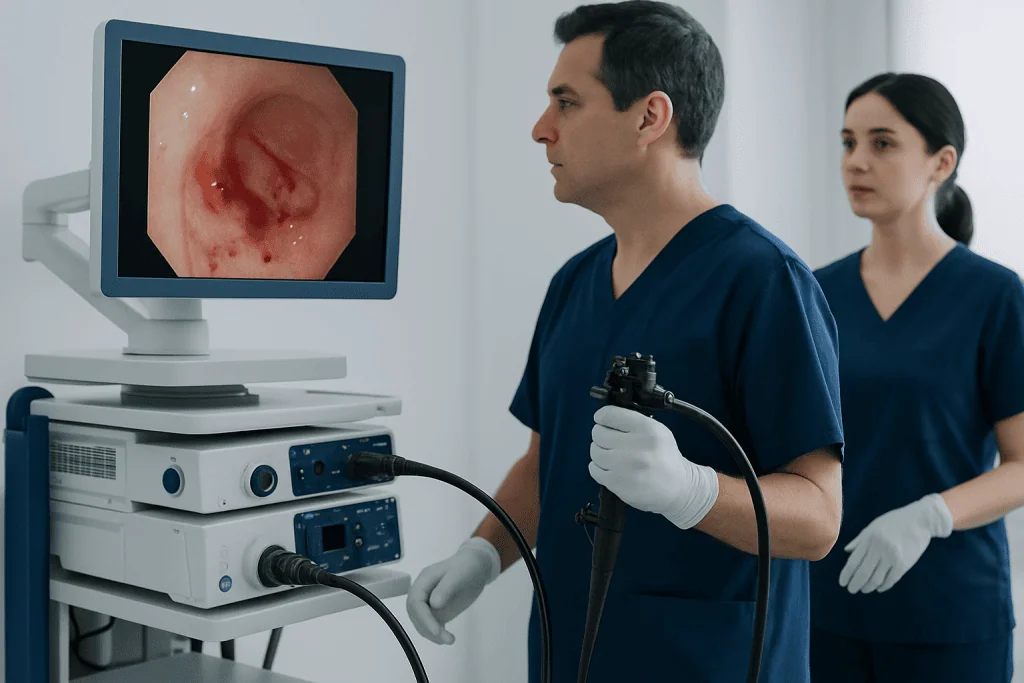
If symptoms persist or there are red flags, a doctor may recommend endoscopic testing. Colonoscopy allows specialists to examine the colon directly, identify sources of bleeding, and take biopsies if needed. In some cases, endoscopic evaluation of other parts of the digestive tract or imaging studies such as CT may also be useful.
The main goal is to identify the source accurately rather than guess from appearance alone. This matters because treatment for hemorrhoids is very different from treatment for infection, inflammatory bowel disease, or bowel cancer.
Treatment options
Treatment depends entirely on the cause. If constipation, hemorrhoids, or a fissure is responsible, care may focus on softening stools, improving hydration, increasing fiber gradually, and relieving local irritation. In many people, reducing straining and supporting regular bowel movements improves symptoms significantly.
If an infection is causing bloody mucus stool, treatment may include oral rehydration, rest, and in some cases specific medicines based on the organism involved. Not all infectious diarrhea needs antibiotics, and self-treating can sometimes make recovery more complicated, so medical guidance is important when blood is present.
Inflammatory conditions such as ulcerative colitis or Crohn’s disease may need anti-inflammatory medicines, immune-modifying treatment, nutritional support, and regular specialist follow-up. If doctors suspect structural problems or ongoing bleeding, gastroenterology care may include procedures to diagnose and manage the source safely.
When a more serious bowel disorder is found, treatment is tailored to the individual and may involve a wider team. Near the end of the care pathway, some patients may benefit from multidisciplinary review; Acibadem International’s specialists in JCI-accredited hospitals diagnose and treat digestive conditions for international patients when advanced evaluation is needed.
Prevention and self-care
Not every cause of faeces with blood and mucus can be prevented, but some practical habits support bowel health. Drinking enough fluids, eating fiber-rich foods, staying physically active, and responding to the urge to pass stool can all help reduce constipation and straining. These steps may lower the chance of hemorrhoids and fissures and support more regular bowel movements.
Good food hygiene also matters. Careful handwashing, safe water, proper cooking, and attention to food storage can help reduce the risk of gastrointestinal infections. People who travel may need extra caution with untreated water and high-risk foods, depending on the destination.
Self-care should stay within safe limits. It is reasonable to note stool changes, stay hydrated, and avoid straining, but ongoing rectal bleeding should not be dismissed or attributed to hemorrhoids without proper assessment. Over-the-counter remedies may ease discomfort in some cases, yet they do not replace a diagnosis if symptoms recur.
Keeping a simple record of symptoms can be useful. Details such as the color of blood, frequency of episodes, associated pain, bowel changes, fever, recent antibiotics, and diet can help the doctor evaluate the pattern more quickly.
When to seek medical care
Medical care is appropriate if faeces with blood and mucus happens more than once, lasts more than a short time, or is accompanied by abdominal pain, diarrhea, constipation, or a change in usual bowel habits. Even when the amount of blood seems small, repeated episodes deserve evaluation to identify the cause and guide treatment.
Urgent assessment is important if there is heavy bleeding, black or tarry stool, dizziness, fainting, severe abdominal pain, dehydration, fever, or rapid weakness. These symptoms can suggest significant blood loss, serious infection, or another acute problem.
People with a personal or family history of inflammatory bowel disease, colon polyps, or colorectal cancer should be especially cautious about new rectal bleeding. The same is true for older adults and anyone with unexplained weight loss or anemia.
If symptoms are persistent or worrying, a doctor may arrange specialist review, stool studies, or a colonoscopy to clarify the diagnosis. Early evaluation often makes treatment more straightforward and helps rule out more serious conditions.
Frequently asked questions
Is faeces with blood and mucus always serious?
Not always. It can happen with hemorrhoids, fissures, or short-term infections, but it can also be a sign of bowel inflammation or another condition that needs treatment. If it keeps happening or comes with pain, diarrhea, fever, or weight loss, medical assessment is recommended.
What does bright red blood with mucus usually suggest?
Bright red blood often points to bleeding from the rectum or lower part of the colon. When mucus is present too, doctors may consider irritation, infection, inflammation, hemorrhoids, or inflammatory bowel disease. The pattern matters, so associated symptoms help narrow the cause.
Can constipation cause blood and mucus in stool?
Constipation can cause blood, especially if straining leads to hemorrhoids or an anal fissure. It may also cause some mucus because the bowel lining becomes irritated. However, persistent mucus or repeated bleeding should still be discussed with a doctor.
Should blood and mucus in stool be checked if it happens only once?
A single mild episode may not always signal a serious problem, especially after straining. Still, if the cause is unclear, if there is pain or diarrhea, or if it happens again, it should be evaluated. Any large amount of blood needs prompt medical attention.
What tests are commonly used to find the cause?
Doctors often start with a history, physical examination, and stool and blood tests. If symptoms are ongoing or there are warning signs, colonoscopy or other imaging may be needed. These tests help distinguish infection, inflammation, hemorrhoids, and other bowel conditions.
Can diet affect this symptom?
Diet can contribute indirectly by affecting constipation, diarrhea, and bowel irritation. Low fiber intake and dehydration may increase straining, while unsafe food or water can raise the risk of infection. Diet alone does not explain every case, so symptoms should be interpreted in the full medical context.
This article is for general information only and is not a substitute for professional medical advice. Please consult a qualified doctor about your individual situation.
Persistent digestive symptoms? Get evaluated in Turkey
JCI-accredited · board-certified surgeons · reply within 24h
Add us as a Preferred Source to see more of our trusted health content across Google Search, AI Overviews and Discover.

More from the Health Library

Egg Yolk — Explained by Medical Evidence, Not Myths

Paradoxical Breathing: An Evidence-Based Guide for Patients

Adrenal Cocktail: A Complete Medical Overview

Bv in Men: An Evidence-Based Guide for Patients

Eating Happiness: An Evidence-Based Guide for Patients