Familial Polyposis Treatment: How It Works, Results and What to Expect

Familial adenomatous polyposis (FAP) is an inherited condition that can cause hundreds to thousands of colorectal polyps. Without preventive management, classic FAP carries a very high lifetime risk of colorectal cancer.
Key Takeaways
- Familial adenomatous polyposis (FAP) is an inherited condition that can cause hundreds to thousands of colorectal polyps.
- Without preventive management, classic FAP carries a very high lifetime risk of colorectal cancer.
- Colonoscopy and upper gastrointestinal endoscopy help specialists detect and remove concerning polyps early.
- Many people with FAP benefit from planned surgery to remove the colon before cancer develops.
- Lifelong follow-up remains important after surgery because polyps can occur in other parts of the digestive tract.
Familial polyposis treatment is a long-term plan that uses close endoscopic surveillance, removal of manageable polyps and, when appropriate, preventive colorectal surgery. The approach is individualized to the number and type of polyps, genetic findings, age, family history and whether cancer is present or suspected.
Overview: How Familial Polyposis Treatment Works
Familial polyposis treatment aims to prevent colorectal cancer while preserving quality of life and bowel function as far as possible. Familial adenomatous polyposis (FAP) is most often caused by a change in the APC gene. This inherited condition leads to the development of many adenomatous polyps, usually in the colon and rectum, and may also affect the stomach, duodenum and other tissues.
Small numbers of polyps can sometimes be removed during colonoscopy. However, when polyps become numerous, large, difficult to remove, severely dysplastic or cancerous, surgery is generally the most reliable way to lower cancer risk. Treatment is not a single procedure; it is a coordinated program involving gastroenterology, colorectal surgery, pathology, genetics, nutrition and, when needed, oncology.
Care also includes genetic counseling and testing. Identifying the family’s gene variant can clarify who needs surveillance and who may be reassured that they have not inherited the known familial variant. Because FAP can have different patterns and severity, decisions should be made with a specialist team experienced in inherited colorectal cancer syndromes.
Who May Be a Candidate for Surveillance or Surgery?

People may be evaluated for FAP because they have many colorectal adenomas, a known APC gene variant, or a close relative with the condition. Classic FAP often produces numerous polyps during adolescence or early adulthood. Attenuated FAP, a less severe form, may involve fewer polyps and can present later, but still requires structured surveillance.
Preventive colorectal surgery is commonly considered when the polyp burden can no longer be safely controlled with endoscopic removal, when high-grade dysplasia is found, when cancer is diagnosed or suspected, or when polyps are increasing rapidly. The timing is individualized. It takes account of the person’s age, rectal polyp burden, symptoms, colonoscopy findings, ability to attend frequent surveillance and personal priorities.
Before surgery, clinicians assess overall health, nutritional status, prior operations, bowel symptoms and reproductive plans. Genetic counseling may be particularly helpful for people considering pregnancy, as FAP can be passed to children. An evaluation may also include upper endoscopy because FAP-related polyps may develop in the stomach and duodenum.
The Procedure: Step by Step
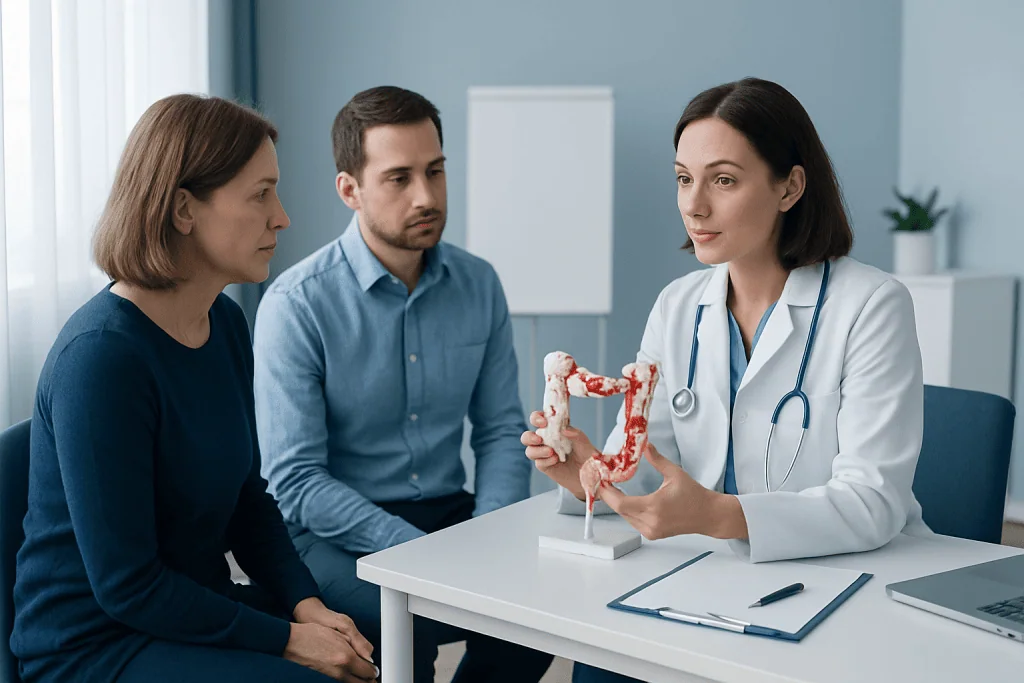
The main operations used in familial polyposis treatment remove the colon, either while preserving the rectum or while removing both the colon and rectum. The appropriate procedure depends largely on the number, size and pathology of rectal polyps. Surgery may be performed by minimally invasive laparoscopic or robotic techniques in suitable patients, although an open operation is sometimes needed.
In colectomy with ileorectal anastomosis, the colon is removed and the small intestine is joined to the remaining rectum. This can preserve more natural bowel function, but the rectum remains at risk for future polyps and needs regular endoscopic checks. In restorative proctocolectomy with ileal pouch-anal anastomosis, the colon and rectum are removed and a pouch is created from the small intestine to allow stool to pass through the anus. A temporary ileostomy may be used while the pouch heals.
Total proctocolectomy with a permanent ileostomy is less common but may be recommended in selected situations, such as extensive disease, cancer or when pouch reconstruction is not advisable. During all approaches, removed tissue is examined by a pathologist for cancer and precancerous changes. Appropriate colectomy surgery is selected after detailed discussion of benefits, limitations and follow-up needs.
- Preoperative testing and bowel preparation are arranged according to the surgical plan.
- The surgeon removes the affected bowel and creates the planned connection or stoma.
- Hospital staff monitor pain control, hydration, bowel function and wound healing.
- Pathology findings and a long-term surveillance plan are reviewed after the operation.
Recovery Timeline, Benefits and Possible Risks
Recovery varies with the type of operation, surgical approach and individual health. Most patients begin walking and gradually resume fluids and food soon after surgery under the care team’s guidance. A hospital stay may range from several days to longer when a staged pouch procedure, a temporary ileostomy or a complication requires additional monitoring.
In the first weeks after discharge, fatigue, reduced appetite and more frequent or looser bowel movements are common. People with an ileal pouch may need time for bowel habits to settle, and those with an ileostomy receive practical education on stoma care, fluid intake and recognizing dehydration. Return to work, travel and usual exercise should be discussed individually with the surgical team.
The key benefit of preventive surgery is a major reduction in colorectal cancer risk. It does not eliminate the need for follow-up, because polyps may still occur in retained rectal tissue, an ileal pouch, the upper digestive tract or elsewhere. Potential risks include bleeding, infection, blood clots, bowel blockage, leakage at a bowel connection, dehydration, changes in bowel frequency, sexual or urinary dysfunction, and pouch inflammation. Fertility may also be affected by pelvic surgery, so this should be discussed before treatment.
Long-Term Monitoring and Everyday Care
After surgery, lifelong surveillance is essential. The schedule depends on the operation performed and personal findings. People with a retained rectum require regular rectal examinations by endoscopy, while those with an ileal pouch also need periodic pouch assessment. Upper endoscopy is used to monitor the stomach and duodenum, where FAP-related adenomas can develop.
No diet, supplement or medicine can replace screening or recommended surgery in FAP. A balanced diet, regular physical activity, not smoking and limiting alcohol support general health, but they do not remove the inherited cancer risk. Some medicines may be considered in selected cases to reduce polyp burden, but they are not a substitute for definitive preventive management and should only be used under specialist supervision.
Family members should be offered genetic counseling when a hereditary polyposis syndrome is identified. Children and adolescents in affected families may need surveillance earlier than the general population. Support from a dietitian, specialist nurse, psychologist or patient support organization can also help people adapt to surgery, ongoing testing and the emotional impact of an inherited condition.
When to Seek Medical Care
A person with known or suspected FAP should arrange care with a gastroenterologist or hereditary cancer specialist even if they feel well. Polyps often do not cause symptoms early on, which is why planned screening is so important. People with a family history of FAP should not wait for symptoms before asking about genetic counseling and appropriate testing.
Prompt medical assessment is important for rectal bleeding, black stools, persistent changes in bowel habit, unexplained iron-deficiency anemia, ongoing abdominal pain, unintentional weight loss, vomiting or symptoms of bowel obstruction such as severe cramping, abdominal swelling and inability to pass stool or gas. These symptoms have many possible causes, but they should be assessed without delay.
After colorectal surgery, urgent advice is needed for fever, worsening abdominal pain, persistent vomiting, heavy bleeding, wound redness or discharge, shortness of breath, leg swelling, or signs of dehydration such as marked thirst, dizziness or very low urine output. Acibadem International’s multidisciplinary specialists and JCI-accredited hospitals can support diagnosis, surgical planning and long-term surveillance for international patients.
What Is the Life Expectancy of Someone With Familial Polyposis?
Life expectancy in familial adenomatous polyposis depends strongly on whether the condition is recognized early and managed with appropriate surveillance and preventive treatment. Without treatment, classic FAP has a very high likelihood of progressing to colorectal cancer, often at a relatively young age. Cancer and other FAP-related tumors can shorten life expectancy.
With regular monitoring, timely surgery when indicated and lifelong follow-up for polyps outside the colon, many people can substantially reduce their cancer risk and live long, active lives. Individual outlook varies according to the specific genetic change, the extent of disease, surgery type, pathology findings and access to continuing specialist care.
At What Age Does FAP Usually Appear?
Classic FAP commonly begins to produce colorectal polyps during the teenage years, although the precise age varies between individuals and families. Polyps may be found in childhood or adolescence, and they can increase in number over time. Symptoms may be absent even when many polyps are present.
Attenuated FAP can appear later, often with fewer colorectal polyps and a later average age of cancer development than classic FAP. Because timing is variable, relatives of an affected person should follow a personalized screening plan based on genetic counseling and specialist recommendations rather than waiting until a particular age.
How Often Should I Have a Colonoscopy With FAP?
The appropriate colonoscopy schedule for FAP is individualized, but close surveillance is usually needed from an early age in people with confirmed or strongly suspected disease. Before surgery, colonoscopy or another specialist-directed lower bowel examination is often performed at regular intervals, commonly yearly, to assess polyp number, size and tissue changes.
After colectomy with the rectum retained, the rectum still requires regular endoscopic surveillance because new polyps can form. After pouch surgery, periodic pouch examinations are also needed. The interval may be shortened when there are numerous polyps, concerning pathology findings or difficulty controlling lesions endoscopically. A gastroenterologist should set the schedule based on the person’s operation and current findings.
How Long Does It Take for an Adenomatous Polyp to Turn Into Cancer?
In the general population, the change from a typical adenomatous polyp to colorectal cancer often takes years, commonly estimated as roughly a decade or longer. This is an average concept rather than a reliable timetable for any one polyp. Some lesions progress more slowly, while others may progress faster depending on their size, tissue features and molecular changes.
In FAP, the concern is not simply the behavior of one polyp. The colon may develop a very large number of adenomas, increasing the chance that one will acquire cancer-related changes over time. This is why surveillance and preventive surgery are recommended according to polyp burden and pathology, rather than waiting to see how long an individual polyp may take to change.
Frequently asked questions
Can familial polyposis be cured?
The inherited genetic tendency that causes FAP cannot currently be removed with standard treatment. However, surveillance, polyp removal and preventive surgery can greatly reduce the risk of colorectal cancer. Lifelong monitoring remains necessary because polyps and related conditions may occur outside the removed colon.
Is surgery always necessary for FAP?
Many people with classic FAP eventually need surgery because the number of colorectal polyps becomes too great to manage safely by colonoscopy alone. The timing and type of surgery vary according to polyp burden, rectal involvement, pathology findings and individual circumstances. Attenuated FAP may sometimes be monitored endoscopically for longer, but requires close specialist follow-up.
Can polyps be removed during colonoscopy in FAP?
Yes, selected polyps can be removed during colonoscopy, particularly when there are relatively few lesions or when treating remaining rectal or pouch polyps after surgery. Endoscopic removal is an important part of surveillance. It may not be sufficient when the colon contains too many polyps or when high-risk changes are present.
Does FAP affect organs other than the colon?
Yes. FAP can be associated with polyps in the stomach and duodenum, as well as certain noncancerous growths and, less commonly, tumors in other tissues. This is why follow-up often includes upper gastrointestinal endoscopy and assessment for features relevant to the person’s genetic and family history.
Can a person with FAP have children?
Yes, many people with FAP can have children. Because the condition is usually inherited in an autosomal dominant pattern, each child of an affected parent may have a chance of inheriting the gene variant. Genetic counseling can explain testing options, reproductive choices and how surgery may affect fertility planning.
What should relatives of a person with FAP do?
First-degree relatives should discuss genetic counseling and testing with a qualified healthcare professional, especially if the family’s genetic variant is known. Those who carry the variant, or who are at risk while testing is being arranged, may need early surveillance. Relatives who do not carry the known family variant may not need the same intensive screening plan.
References
- National Cancer Institute
- American College of Gastroenterology
- National Comprehensive Cancer Network
- GeneReviews
- European Society for Medical Oncology
This article is for general information only and is not a substitute for professional medical advice. Please consult a qualified doctor about your individual situation.
Persistent digestive symptoms? Get evaluated in Turkey
JCI-accredited · board-certified surgeons · reply within 24h
Add us as a Preferred Source to see more of our trusted health content across Google Search, AI Overviews and Discover.