Fat Butt — Explained by Medical Evidence, Not Myths
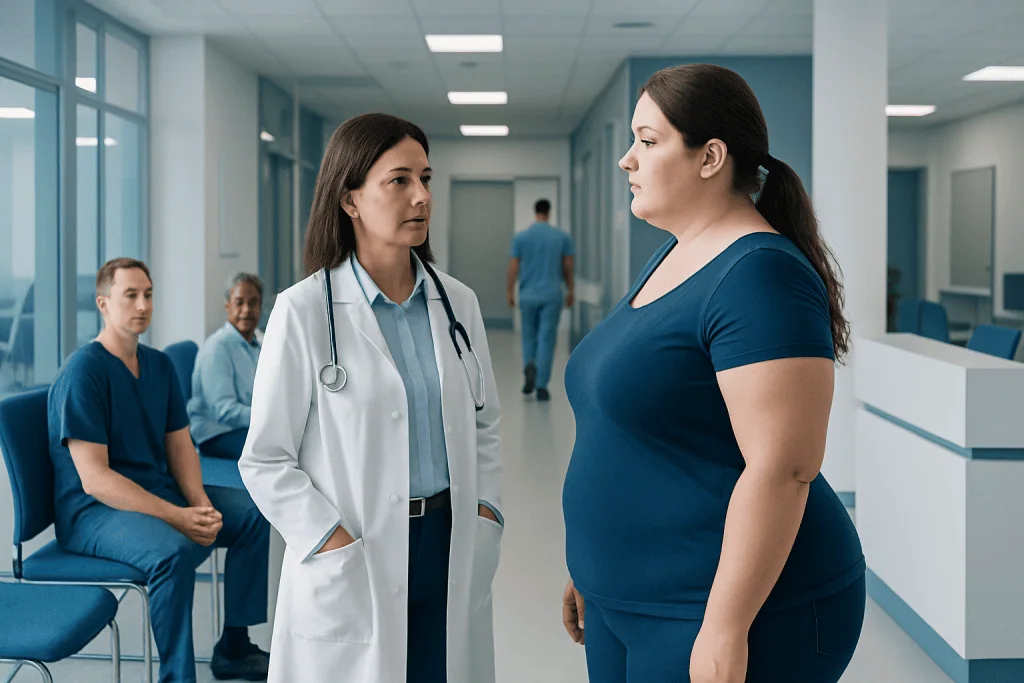
Genetics and hormones strongly influence where the body stores fat, including around the hips and buttocks. Buttock fat can be normal and is not, by itself, a sign of poor health or obesity.
Key Takeaways
- Genetics and hormones strongly influence where the body stores fat, including around the hips and buttocks.
- Buttock fat can be normal and is not, by itself, a sign of poor health or obesity.
- Spot reduction through a single exercise is not supported by evidence, but strength training can build gluteal muscle and improve function.
- Sustainable changes in body composition usually involve overall nutrition, activity, sleep and medical guidance when needed.
- New pain, swelling, skin changes or asymmetry in the buttocks should be discussed with a qualified clinician.
A fat butt is most often a normal variation in body shape caused by genetics, hormones, overall body-fat level and muscle structure. Buttock size alone does not diagnose health, although sudden enlargement, pain, swelling or a marked one-sided change deserves medical assessment.
What Does “Fat Butt” Mean Medically?
The phrase “fat butt” is an informal description of having more visible fatty tissue around the buttocks, hips or upper thighs. In medical terms, this relates to body-fat distribution: the pattern in which the body stores energy beneath the skin and, to a lesser degree, around internal organs. A fuller buttock shape is commonly a normal physical trait rather than a medical problem.
Buttock size is determined by more than fat. The gluteal muscles, pelvic bone structure, posture, skin elasticity and the distribution of fat over the hips and thighs all contribute to appearance. Two people with a similar body weight or body mass index may therefore have very different body shapes.
It is helpful to separate appearance concerns from health concerns. A person can have prominent buttocks and be metabolically healthy, while another person with a smaller buttock size may have health risks related to blood pressure, blood sugar, cholesterol, inactivity or other factors. Health professionals consider the overall clinical picture rather than one body area alone.
Why Fat Collects Around the Buttocks
Genes play a major role in body shape. Families often share tendencies to store fat in the hips, thighs and buttocks, or instead around the abdomen. These inherited patterns cannot be fully changed with a particular food, exercise or topical product.
Hormones also influence fat storage. Estrogen is associated with a pattern of fat distribution around the hips, buttocks and thighs, sometimes called a gynoid or “pear-shaped” pattern. This is more common before menopause, although people of all sexes can store fat in this region. With aging, menopause, certain endocrine conditions and changes in medication, fat distribution may shift.
When energy intake is consistently greater than energy use, the body may store some of the extra energy as fat. Where it is stored is largely influenced by genetics and hormones. Weight changes can affect the buttocks, but the amount of change in that area differs considerably from person to person.
Gluteal muscle size can also make the area appear fuller. Regular stair climbing, walking uphill, cycling, squatting and resistance exercises may strengthen these muscles. This is different from increasing fat tissue and can improve lower-body strength, balance and everyday movement.
Is Buttock Fat Healthy or Unhealthy?
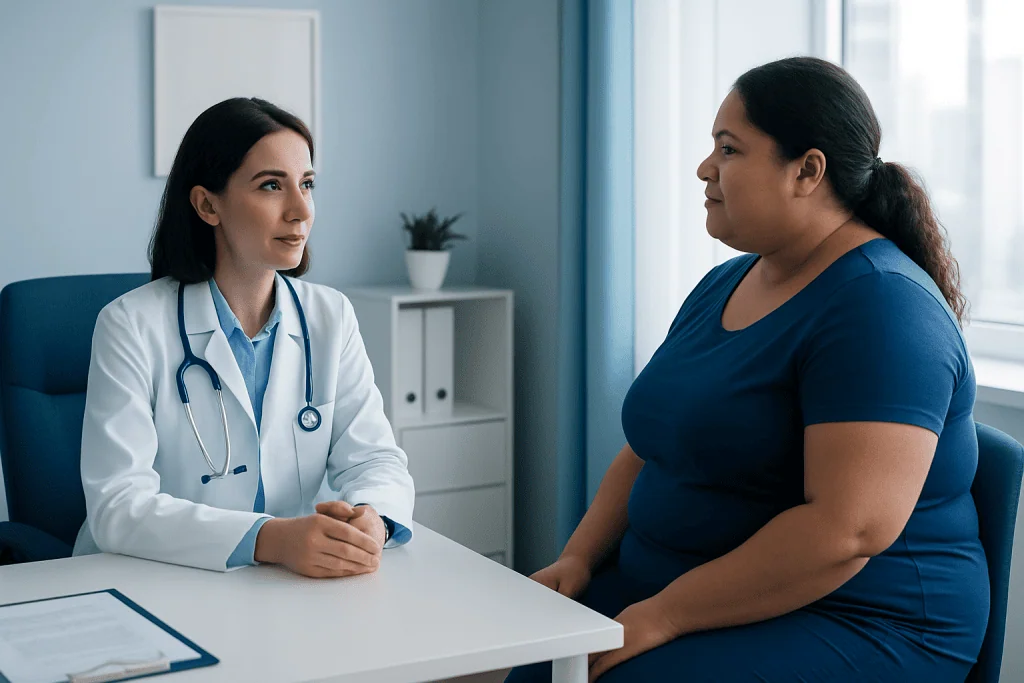
Fat under the skin around the hips and buttocks is called subcutaneous fat. It differs from visceral fat, which accumulates deeper inside the abdomen around organs. Excess visceral fat is more closely linked with insulin resistance, type 2 diabetes, fatty liver disease and cardiovascular disease than subcutaneous fat in the lower body.
Research suggests that a lower-body pattern of fat storage may carry a different metabolic profile than central abdominal fat storage. However, this does not mean that any amount of buttock fat is automatically protective or that it cancels the effects of overall excess weight, low activity, smoking, high blood pressure or other health risks.
Rather than focusing only on a body part, clinicians may assess waist circumference, blood pressure, blood glucose, cholesterol, sleep, physical activity, nutrition and family history. These measures provide more useful information about health than whether someone has a fat butt.
Body image can also affect wellbeing. Social media, trends and beauty standards may create pressure to change a naturally normal shape. A healthcare professional can help a person set goals centered on strength, comfort, mobility and long-term health rather than comparison with unrealistic images.
Can Exercise or Diet Reduce Fat From the Buttocks?
Evidence does not support spot reduction: exercising one body part does not selectively burn fat from that exact area. For example, doing many squats may strengthen the gluteal muscles, but it will not reliably cause the body to use buttock fat first. During weight loss, fat is reduced throughout the body in a pattern largely determined by individual biology.
A balanced approach can support gradual changes in overall body composition. This usually includes regular aerobic activity, strength training, adequate sleep and eating patterns that provide vegetables, fruit, whole grains, protein-rich foods and unsaturated fats while limiting highly processed foods and sugary drinks. Extreme restriction, detoxes and unregulated supplements are not reliable or safe ways to reshape the body.
Strength exercises such as squats, lunges, bridges, step-ups and hip-hinge movements can develop the gluteal muscles when performed with appropriate technique and progression. A physiotherapist or qualified fitness professional can help adapt a program for someone with joint pain, injury, pregnancy, limited mobility or little previous exercise experience.
A person who wants to lose weight may benefit from discussing realistic goals with a doctor or registered dietitian, especially if they have diabetes, thyroid disease, an eating disorder history, take regular medication or have struggled with repeated weight cycling. Medical care should support health and function, not promise a particular body shape.
Other Reasons the Buttocks May Look Larger or Different
Not every change in the buttock area is caused by ordinary fat storage. Fluid retention, inflammation, muscle changes, injury and some skin or soft-tissue conditions can alter the shape of the area. A recent change may be especially important if it is clearly different on one side.
For example, a bruise or blood collection after a fall or injection may cause swelling and tenderness. An infection in the skin or deeper tissue can cause redness, warmth, pain, fever or drainage. A cyst, lipoma or other lump may also create a localized fullness; many such lumps are benign, but they should be assessed if they grow, become painful or feel fixed in place.
Lipedema is a chronic condition involving an abnormal accumulation of painful fatty tissue, usually affecting both legs and sometimes the buttocks. It commonly causes tenderness, easy bruising and disproportionate lower-body enlargement while the feet are relatively spared. This condition is distinct from simple weight gain and requires clinical evaluation.
Some people notice changes after pregnancy, major weight change, menopause or a period of reduced activity. A clinician can help determine whether a change is consistent with normal body variation or whether testing is appropriate based on symptoms, medical history and examination findings.
Practical Self-Care and Body-Positive Health Goals
A practical health plan begins with goals that are within a person’s control. These may include becoming stronger, walking more comfortably, improving stamina, supporting sleep, managing stress or preparing nutritious meals more regularly. Such goals can improve wellbeing regardless of whether buttock size changes noticeably.
Comfortable clothing, supportive underwear and properly fitted exercise wear can reduce friction and make movement easier. If skin folds or areas of rubbing become irritated, keeping the skin clean and dry and choosing breathable fabrics may help. Persistent rashes, broken skin or recurrent irritation should be reviewed by a clinician.
It is wise to approach body-shaping claims critically. Creams, wraps, massage devices and supplements are not proven to remove fat specifically from the buttocks. Cosmetic procedures may alter contour, but they involve individual risks, recovery needs and suitability considerations, so decisions should be made only after an in-person consultation with an appropriately qualified specialist.
Acibadem International’s multidisciplinary specialists and JCI-accredited hospitals can assess concerns about body composition, unexpected changes and related health conditions for international patients. Care plans should be individualized and based on physical health, symptoms and informed preferences.
When to Seek Medical Care
Most people do not need medical care simply because they have a fat butt or a naturally fuller lower-body shape. However, an appointment is appropriate if there is a sudden or unexplained change in buttock size, especially if it affects only one side or continues to progress.
Prompt medical advice is important for a painful lump, severe tenderness, redness, warmth, drainage, fever, unexplained bruising, numbness, weakness or difficulty walking. Emergency assessment may be needed after significant trauma, particularly when severe pain, inability to bear weight or rapidly increasing swelling is present.
A person should also speak with a doctor if lower-body enlargement is accompanied by swelling in the legs, shortness of breath, major unexplained weight change, menstrual changes, fatigue or other new symptoms. These concerns do not necessarily indicate a serious condition, but a clinician can identify whether further examination, blood tests or imaging is needed.
For concerns driven mainly by distress about appearance, discussing body image with a trusted healthcare professional or mental health professional can be beneficial. Support is available, and a respectful conversation can help distinguish achievable health goals from pressures that may be harmful.
Frequently asked questions
Is having a fat butt unhealthy?
Not necessarily. A fuller buttock area is often a normal result of genetics, hormones, fat distribution and gluteal muscle size. Overall health is better assessed through factors such as blood pressure, blood sugar, cholesterol, activity level and waist measurement when appropriate.
Why do I gain fat in my buttocks first?
The order and location of fat gain are strongly influenced by genetics and hormones. Many people naturally store more fat around the hips, thighs and buttocks, while others tend to store more around the abdomen. This pattern can change somewhat with age, hormonal transitions and changes in body weight.
Can squats get rid of buttock fat?
Squats can strengthen the gluteal and leg muscles, but they do not selectively burn fat from the buttocks. Fat loss occurs across the body rather than in one chosen area. Combining regular activity with sustainable nutrition habits can support overall body-composition changes.
Can I reduce buttock fat without losing weight everywhere else?
There is no proven non-surgical method to target fat loss only from the buttocks. When a person loses fat, the body determines where changes occur based largely on biology. Strength training can change muscle tone and function, but it cannot control where fat is lost.
Why is one buttock larger than the other?
Mild asymmetry is common and may reflect normal differences in posture, muscle use, bone structure or fat distribution. A new, obvious or worsening difference should be checked, particularly if there is pain, a lump, swelling, redness or weakness. A clinician can determine whether examination or testing is needed.
When should buttock enlargement be checked by a doctor?
Medical assessment is recommended for sudden enlargement, one-sided swelling, a growing lump, pain, warmth, redness, fever, drainage or unexplained bruising. It is also sensible to seek advice if enlargement occurs with leg swelling, difficulty walking or other unexplained symptoms. Most causes are manageable, but an evaluation helps clarify the reason.
This article is for general information only and is not a substitute for professional medical advice. Please consult a qualified doctor about your individual situation.
Explore treatments in Turkey — costs, top hospitals & a free quote
JCI-accredited · board-certified surgeons · reply within 24h
Add us as a Preferred Source to see more of our trusted health content across Google Search, AI Overviews and Discover.
Check your numbers in seconds
BMI, calories, due date, blood pressure and 30+ more clinical calculators — free, instant, doctor-reviewed ranges.

More from the Health Library

Subcutaneous Emphysema: An Evidence-Based Guide for Patients

Rhinorrhea: A Complete Medical Overview

Commitment Issues: An Evidence-Based Guide for Patients
Corneal Erosion — Explained by Medical Evidence, Not Myths

Bacillus Coagulans: A Complete Medical Overview