Fbs Test for Pregnant Explained: Causes, Management, and When to See a Doctor

An FBS test measures blood sugar after fasting and may be used in pregnancy to assess diabetes risk. A single result does not always confirm a diagnosis; doctors may order repeat testing or an oral glucose tolerance test.
Key Takeaways
- An FBS test measures blood sugar after fasting and may be used in pregnancy to assess diabetes risk.
- A single result does not always confirm a diagnosis; doctors may order repeat testing or an oral glucose tolerance test.
- High fasting blood sugar in pregnancy can affect both parent and baby if it is not recognized and managed.
- Healthy eating, activity, monitoring, and sometimes medication can help keep blood sugar in a safe range.
- Prompt medical review is important for very high readings, concerning symptoms, or reduced fetal movement later in pregnancy.
The fbs test for pregnant refers to a fasting blood sugar test used during pregnancy to check how the body handles glucose after not eating for several hours. It can help identify early blood sugar problems, including possible gestational diabetes, and guide the next steps in monitoring or treatment.
What the FBS test for pregnant means
The fbs test for pregnant means a fasting blood sugar test done during pregnancy, usually after not eating or drinking anything except water for a set number of hours. It measures the amount of glucose in the blood at a single point in time. Doctors use it to look for blood sugar levels that are higher than expected and to decide whether more testing is needed.
This test may be ordered early in pregnancy if a person has risk factors for diabetes, such as a history of prediabetes, being overweight, polycystic ovary syndrome, a strong family history of diabetes, or having had gestational diabetes in a previous pregnancy. It may also be part of the evaluation when routine prenatal care suggests blood sugar concerns.
Pregnancy naturally changes how the body responds to insulin. Hormones made by the placenta can make it harder for insulin to work as pregnancy progresses. For some people, the pancreas cannot keep up with this increased demand, and blood sugar rises. That is why fasting blood sugar can be useful as one part of pregnancy care, especially when combined with other tests for gestational diabetes.
Why this test is done during pregnancy
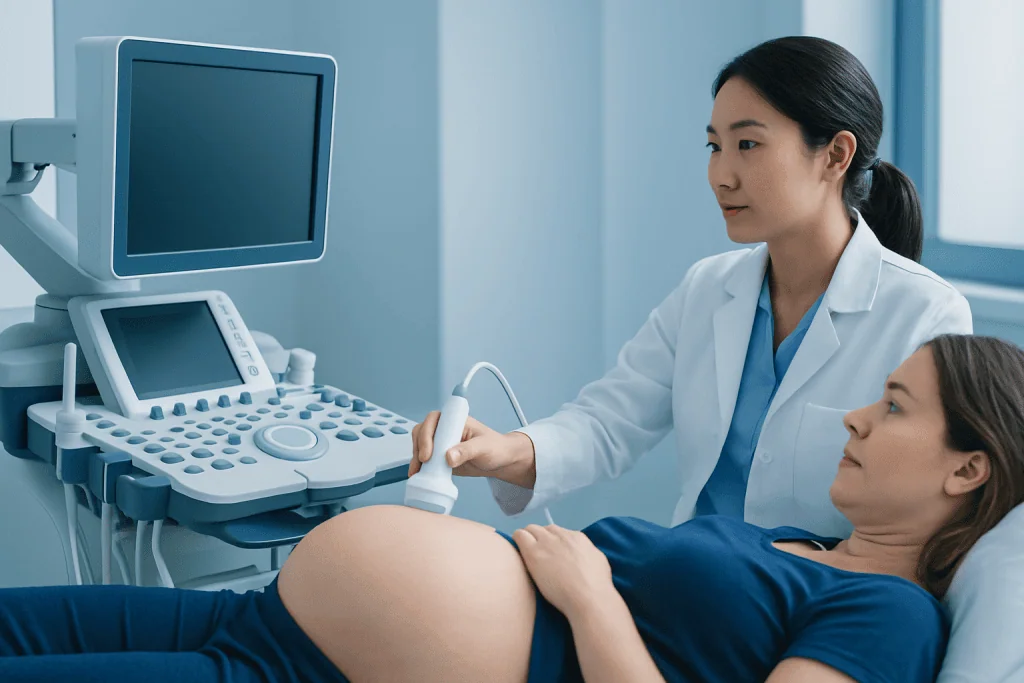
An FBS test can help detect blood sugar problems that were present before pregnancy or that are developing during pregnancy. In some cases, it is used early to identify likely pre-existing diabetes. In others, it helps assess risk before the standard glucose screening done later in pregnancy.
Many people ask whether the fasting test is the same as the common gestational diabetes drink test. It is not. The fasting test is only one blood sample taken after fasting. The oral glucose tolerance test involves drinking a measured glucose solution and then having blood drawn at specific intervals. If fasting levels are higher than expected, a clinician may recommend an oral glucose tolerance test for a clearer diagnosis.
The main reason for testing is prevention. When high blood sugar is recognized early, care teams can help reduce the chance of complications such as excessive fetal growth, difficult delivery, low blood sugar in the newborn, or blood pressure problems during pregnancy. Most people who need follow-up can manage it successfully with regular prenatal care and tailored advice.
How to prepare and what to expect

Preparation matters because eating, drinking sweet beverages, or sometimes even taking certain medicines can affect the result. Patients are usually asked to fast overnight, often for around 8 hours, though the exact instructions can vary. Water is typically allowed, but it is important to follow the specific guidance given by the clinic or doctor.
The test itself is simple. A healthcare professional takes a blood sample, usually from a vein in the arm. The appointment is brief, and most people can return to normal activities right afterward unless additional testing is planned the same day.
If nausea makes fasting difficult, this should be mentioned in advance. Morning sickness is common in pregnancy, and care teams can often schedule the test at a time that is easier to tolerate. Patients should also ask whether to take regular medicines before the test, because recommendations differ depending on the medicine and the reason it is being used.
Results are interpreted in context. Laboratories may use different reference ranges, and doctors consider the stage of pregnancy, symptoms, medical history, and whether further testing has been done. This is why it is best not to interpret the number alone without professional advice.
What abnormal results can mean
An abnormal fasting blood sugar result does not automatically mean a person has gestational diabetes, but it does mean follow-up is important. A mildly elevated value may prompt repeat testing, home blood sugar monitoring, or a formal diagnostic test. A clearly high result, especially early in pregnancy, may raise concern for diabetes that was already present before conception.
Doctors look at patterns rather than one number in isolation. They may ask about symptoms such as unusual thirst, frequent urination, unexplained fatigue, blurred vision, or a history of large babies in prior pregnancies. Even when there are no symptoms, higher fasting glucose can still matter because gestational diabetes often develops quietly.
Possible explanations for a high result include insulin resistance related to pregnancy hormones, pre-existing type 2 diabetes, less commonly type 1 diabetes, or temporary factors that interfere with accurate testing. Stress, illness, poor sleep, and some medications can affect blood sugar levels. For this reason, clinicians often confirm the picture with more than one piece of information.
When fasting glucose remains high, the care plan may include education on diabetes management, nutrition counseling, checking blood sugar at home, and fetal monitoring when appropriate. The goal is not simply to lower a lab value, but to support a healthy pregnancy and delivery.
Management after a high fasting blood sugar result
Management depends on how high the blood sugar is, the stage of pregnancy, and whether a diagnosis has been confirmed. For many patients, the first steps include meal planning, regular physical activity if approved by the obstetric team, and learning when to check blood sugar at home. These changes can make a meaningful difference because they help smooth out blood sugar levels across the day.
Nutrition advice usually focuses on balanced meals rather than strict dieting. Patients may be encouraged to pair carbohydrates with protein or healthy fats, choose high-fiber foods, avoid large amounts of sugary drinks, and eat at regular times. A registered dietitian or diabetes educator can help adapt these principles to culture, appetite changes, and morning sickness.
Some people need medication if lifestyle measures do not keep glucose in the target range. In pregnancy, insulin is often used when needed because it can be adjusted carefully and has a long history of use. In certain situations, doctors may discuss other medicines, but the choice should always be individualized by a qualified clinician.
Follow-up is an important part of care. Blood sugar control may be reviewed weekly or more often, and prenatal visits may include additional checks on fetal growth and wellbeing. If specialist care is needed, hospitals such as Acibadem International have multidisciplinary specialists and JCI-accredited hospitals that diagnose and treat pregnancy-related blood sugar disorders for international patients.
How high blood sugar can affect pregnancy
When blood sugar stays too high over time, it can affect both the pregnant person and the developing baby. Potential concerns include a larger-than-average baby, extra amniotic fluid, labor complications, higher likelihood of cesarean birth, and newborn low blood sugar after delivery. There may also be a greater chance of high blood pressure disorders in pregnancy.
These risks can sound worrying, but they are not inevitable. Good monitoring and timely treatment can lower many of them. That is one reason doctors take abnormal fasting blood sugar seriously even if a patient feels well.
After birth, blood sugar often returns to normal if the issue was gestational diabetes. However, people who develop gestational diabetes have a higher future risk of type 2 diabetes, so postpartum follow-up matters. Doctors often recommend retesting after delivery and discussing long-term prevention, especially if there are ongoing risk factors linked to diabetes.
Prevention and self-care during pregnancy
Not every case can be prevented, because pregnancy hormones and genetics play a major role. Still, healthy habits before and during pregnancy can support better blood sugar control. This includes attending prenatal visits, following screening advice, eating balanced meals, staying active as medically appropriate, and gaining weight within the range recommended by the maternity team.
Practical self-care can include planning regular meals, limiting highly sweetened drinks, choosing whole grains and vegetables more often, and including protein in snacks when possible. Gentle movement such as walking after meals may help some patients, but exercise plans should fit the pregnancy and any medical restrictions.
People with known risk factors may benefit from early review by an endocrinology or maternal-fetal medicine team. If there are concerns about ongoing blood sugar regulation, doctors may recommend endocrinology care alongside obstetric follow-up. Self-monitoring should only be started based on clear medical instructions so that results are interpreted correctly.
- Keep all prenatal appointments and laboratory checks.
- Ask for clear fasting instructions before testing.
- Report symptoms such as excessive thirst or persistent blurred vision.
- Discuss any supplements or medicines that might affect blood sugar.
When to seek medical care
A patient should contact a doctor promptly if an FBS result is above the range given by the care team, if home readings are repeatedly high, or if there are symptoms such as marked thirst, frequent urination, vomiting, weakness, or blurred vision. Medical advice is especially important if the person already has diabetes or other pregnancy complications.
Urgent assessment may be needed for signs that could suggest a more serious problem, such as severe dehydration, confusion, trouble breathing, or inability to keep fluids down. Later in pregnancy, reduced fetal movement, severe headache, swelling, or upper abdominal pain also need timely review because they may point to conditions beyond blood sugar alone.
It is reasonable to ask for clarification if test instructions were not followed exactly, because this can change the meaning of the result. A doctor can explain whether the next step is repeat fasting blood work, a glucose tolerance test, or additional monitoring. Early communication often makes management simpler and more reassuring.
Frequently asked questions
What does the fbs test for pregnant check?
It checks the fasting level of glucose in the blood after a person has not eaten for several hours. During pregnancy, it helps doctors look for early signs of diabetes or determine whether more testing is needed.
Is the FBS test the same as the glucose drink test in pregnancy?
No. The FBS test is a single fasting blood sample, while the glucose drink test measures how the body handles sugar over time after drinking a glucose solution. Both can be useful, but they answer slightly different clinical questions.
Do abnormal fasting blood sugar results always mean gestational diabetes?
Not always. A single abnormal result may lead to repeat testing or an oral glucose tolerance test to confirm the diagnosis. Doctors interpret the result together with pregnancy stage, symptoms, and medical history.
Why might a doctor order fasting blood sugar early in pregnancy?
Early testing is often done when a patient has risk factors such as previous gestational diabetes, prediabetes, obesity, polycystic ovary syndrome, or a strong family history of diabetes. It can help identify blood sugar problems before routine mid-pregnancy screening.
What happens if fasting blood sugar is high during pregnancy?
The doctor may recommend additional testing, home monitoring, nutrition changes, and sometimes medication. The aim is to keep blood sugar in a safe range and reduce risks for both parent and baby.
Can gestational diabetes go away after delivery?
In many cases, blood sugar returns to normal after the baby is born. However, having gestational diabetes increases the future risk of type 2 diabetes, so postpartum testing and long-term follow-up remain important.
References
- American College of Obstetricians and Gynecologists
- American Diabetes Association
- Centers for Disease Control and Prevention
- National Institute of Diabetes and Digestive and Kidney Diseases
- World Health Organization
This article is for general information only and is not a substitute for professional medical advice. Please consult a qualified doctor about your individual situation.
Explore treatments in Turkey — costs, top hospitals & a free quote
JCI-accredited · board-certified surgeons · reply within 24h
Add us as a Preferred Source to see more of our trusted health content across Google Search, AI Overviews and Discover.
Check your numbers in seconds
BMI, calories, due date, blood pressure and 30+ more clinical calculators — free, instant, doctor-reviewed ranges.