Febrile Seizures: What Parents Should Know About Fever-Related Convulsions

Most febrile seizures occur in children between 6 months and 5 years old and are linked to fever rather than epilepsy. During a seizure, parents should place the child on their side, keep the area safe, time the event, and avoid putting anything in the child’s mouth.
Key Takeaways
- Most febrile seizures occur in children between 6 months and 5 years old and are linked to fever rather than epilepsy.
- During a seizure, parents should place the child on their side, keep the area safe, time the event, and avoid putting anything in the child’s mouth.
- Simple febrile seizures are usually brief, generalized, and do not typically require extensive neurological testing.
- A doctor should evaluate the child to identify the cause of the fever and decide whether further care is needed.
- Urgent medical help is needed if a seizure lasts more than 5 minutes, repeats, affects only one side, or the child has signs of serious illness.
Febrile seizures are convulsions that can happen in young children during a fever, most often between infancy and preschool age. Although they can look frightening, most are brief, stop on their own, and do not cause lasting harm.
Overview
A febrile seizure is a seizure associated with fever in a young child who does not have a central nervous system infection, a known seizure disorder, or another immediate cause such as a metabolic problem. It usually occurs when a child has a temperature of 38°C or higher, often during a common viral illness. Febrile seizures are most common between 6 months and 5 years of age, when the developing brain is more sensitive to fever.
For parents and caregivers, seeing a child have a convulsion can be very upsetting. The child may suddenly become stiff, shake, roll the eyes, drool, or briefly lose awareness. In many cases, however, the seizure ends within a few minutes and the child gradually returns to normal as the body recovers.
Febrile seizures are different from epilepsy. Epilepsy means a tendency to have repeated unprovoked seizures, while febrile seizures are triggered by fever. Most children who have a febrile seizure do not develop epilepsy, and simple febrile seizures do not usually affect learning, behavior, or development.
Types of Febrile Seizures
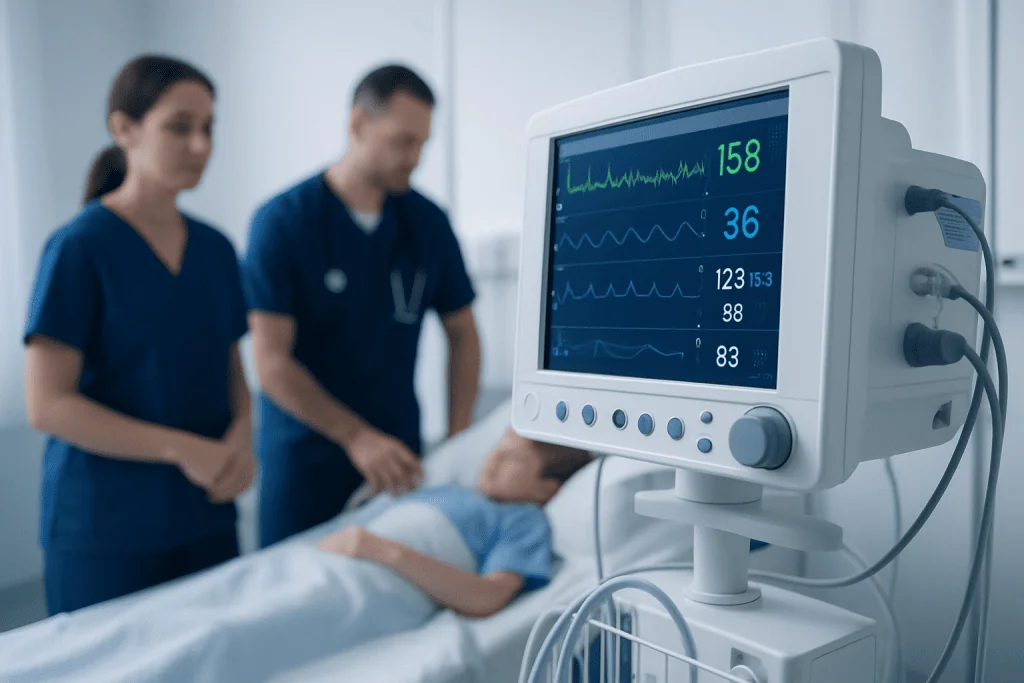
Doctors usually classify febrile seizures as simple or complex. This distinction helps guide evaluation and follow-up, but it does not mean that a complex febrile seizure will necessarily cause long-term problems. It simply means the seizure has features that may need closer medical assessment.
A simple febrile seizure is generalized, meaning it affects both sides of the body. It lasts less than 15 minutes and does not happen more than once in a 24-hour period. This is the most common type. A child may shake all over, become unresponsive for a short time, and then feel sleepy or confused for a while afterward.
A complex febrile seizure may last longer than 15 minutes, happen more than once in 24 hours, or involve only one part or one side of the body. Children with complex features may need additional evaluation, especially if they do not recover as expected or if there are signs suggesting another illness.
Symptoms Parents May Notice

Febrile seizures can vary in appearance, but they often begin suddenly. A child may stop responding, become stiff, fall if standing, or have rhythmic jerking movements of the arms and legs. The eyes may roll upward, breathing may appear irregular for a short time, and the lips may look slightly bluish during the event. These changes usually improve once the seizure stops.
After the seizure, many children are sleepy, tired, irritable, or confused. This recovery period is called the postictal period. It may last several minutes to longer, depending on the child and the length of the seizure. Parents may also notice signs of the illness causing the fever, such as a runny nose, cough, sore throat, vomiting, diarrhea, or ear pain.
Parents should try to observe and remember key details, because they help the doctor. Useful information includes how long the seizure lasted, whether the shaking involved the whole body or one side, whether the child had more than one seizure, the highest temperature measured, and any symptoms before or after the event.
Causes and Risk Factors
Febrile seizures are related to fever, but not always to how high the temperature becomes. In some children, a seizure happens early in an illness, sometimes before parents realize the child has a fever. The speed of temperature rise may play a role, along with the child’s age and individual susceptibility.
The fever itself is usually caused by common childhood infections, especially viral respiratory or gastrointestinal infections. Ear infections, throat infections, and other routine illnesses can also be associated. Less commonly, fever after vaccination may occur, and a febrile seizure may happen in a susceptible child; this is still considered a fever-related event, not a sign of vaccine injury in most cases. Parents should discuss vaccine questions with their pediatrician rather than delaying recommended immunizations without medical advice.
Risk factors include age between 6 months and 5 years, a family history of febrile seizures, and having had a previous febrile seizure. Some children have a lower seizure threshold during fever. This does not mean parents caused the seizure, and it does not indicate poor fever management.
It is important to distinguish febrile seizures from seizures caused by serious conditions such as meningitis or encephalitis. These infections are uncommon but require urgent care. Warning signs can include persistent drowsiness, severe headache, neck stiffness, repeated vomiting, a bulging soft spot in an infant, sensitivity to light, a non-blanching rash, or a child who looks very unwell.
What to Do During a Febrile Seizure
The first priority is safety. Parents should stay as calm as possible, place the child on the floor or another safe surface, and turn the child gently onto one side. This helps keep the airway clear if saliva or vomiting occurs. Loosen tight clothing around the neck and move nearby objects away so the child cannot be injured.
Parents should not try to hold the child down, shake the child, give food or drink, or put anything in the mouth. A child cannot swallow the tongue, and placing objects in the mouth can cause injury or choking. It is helpful to check the time when the seizure starts, because duration is an important medical detail.
Basic first aid steps include:
- Keep the child on their side in a safe position.
- Time the seizure from the start until movements stop.
- Observe whether both sides of the body are involved.
- Do not give fever medicine by mouth during the seizure.
- Call emergency services if the seizure lasts more than 5 minutes or if breathing does not improve after it stops.
When the seizure ends, the child may be sleepy. Parents can comfort the child and continue monitoring breathing, skin color, and responsiveness. Fever-reducing medicines such as acetaminophen or ibuprofen may help the child feel more comfortable after recovery, if appropriate for the child’s age and medical condition, but they do not reliably prevent febrile seizures.
Diagnosis and Medical Evaluation
A doctor’s main goal after a febrile seizure is to find the cause of the fever and make sure there are no signs of a more serious illness. The evaluation usually begins with a careful history and physical examination. The doctor will ask about the seizure, the fever, recent symptoms, vaccination history, medications, previous seizures, family history, and the child’s recovery.
For a typical simple febrile seizure in a child who returns to normal and appears otherwise well, extensive neurological testing is often not needed. Blood tests, brain imaging, or an electroencephalogram, also called an EEG, are not routinely required for every child. Testing is individualized based on age, symptoms, examination findings, and whether the seizure had complex features.
In certain situations, additional tests may be considered. A urine test may be needed if a urinary tract infection is suspected. Blood tests may be used if the child appears dehydrated, very unwell, or has symptoms suggesting another problem. A lumbar puncture may be considered if there are signs of meningitis or if an infant’s symptoms are difficult to interpret. Brain imaging is usually reserved for specific concerns, such as focal neurological findings or trauma.
Treatment Options and Follow-Up
Most febrile seizures stop on their own and do not require daily seizure medication. Treatment focuses on managing the underlying illness, keeping the child comfortable, and educating parents about what to do if another seizure occurs. If a bacterial infection is diagnosed, antibiotics may be prescribed; if the illness is viral, supportive care such as fluids, rest, and fever comfort measures may be recommended.
Children who have prolonged seizures or repeated complex febrile seizures may be evaluated by a pediatric neurologist. In some cases, the doctor may prescribe a rescue medicine to be used if a future seizure lasts longer than a specified time. Parents should receive clear written instructions on when and how to use any rescue medication and when to call emergency services.
Regular follow-up with the child’s pediatrician is helpful, especially after a first seizure. The visit gives parents a chance to review what happened, discuss recurrence risk, confirm that development is on track, and make a practical home plan. Most families feel more confident once they understand that febrile seizures, while dramatic, are usually manageable and not a sign of poor parenting or inadequate fever control.
Prevention, Self-Care, and When to See a Doctor
There is no guaranteed way to prevent febrile seizures. Treating fever may reduce discomfort, but it does not consistently stop seizures from happening. Parents can support recovery by encouraging fluids, dressing the child comfortably, avoiding overheating, and using fever medicine only as directed by a healthcare professional or product guidance appropriate for age and weight.
Parents should seek urgent medical care if a seizure lasts more than 5 minutes, if the child has trouble breathing after the seizure, if there is repeated seizure activity, or if the seizure affects only one side of the body. Urgent evaluation is also important for infants younger than 6 months, children older than 5 years with a first fever-related seizure, children who do not wake up or recover as expected, or any child with signs of meningitis, severe dehydration, serious infection, poisoning, or injury.
A child should be assessed by a doctor after a first febrile seizure, even if the seizure is brief and the child seems better. Parents should also contact a healthcare professional if they are unsure about the fever source, if fever persists, or if the child has ongoing symptoms such as ear pain, breathing difficulty, persistent vomiting, rash, or unusual sleepiness.
For families traveling for care or seeking a second opinion, Acibadem International’s multidisciplinary pediatric and neurology teams in JCI-accredited hospitals can evaluate and manage fever-related seizures in children. Care should always be individualized by a qualified clinician who can examine the child and review the full medical history.
Frequently asked questions
Are febrile seizures dangerous?
Most simple febrile seizures are not dangerous and do not cause brain damage. They can look frightening, but they usually stop within a few minutes. A doctor should still evaluate the child, especially after a first seizure, to identify the cause of the fever.
Does a febrile seizure mean my child has epilepsy?
No. Febrile seizures are triggered by fever, while epilepsy involves repeated seizures that are not caused by fever or another immediate trigger. Most children with febrile seizures do not develop epilepsy.
Should I put something in my child’s mouth during a seizure?
No. Nothing should be placed in the child’s mouth during a seizure because it can cause injury or choking. The safest approach is to place the child on their side, keep the area clear, and time the seizure.
Can fever medicine prevent another febrile seizure?
Fever medicines can help a child feel more comfortable, but they do not reliably prevent febrile seizures. They should be used according to age-appropriate guidance and medical advice. Parents should focus on safe seizure first aid and knowing when to seek urgent care.
Will my child have another febrile seizure?
Some children have more than one febrile seizure, especially if they were very young at the first episode or have a family history. Even if a seizure recurs, it is often similar and brief. The child’s doctor can help the family create a clear plan for future fevers.
When should I call emergency services?
Emergency help is needed if the seizure lasts more than 5 minutes, if the child has breathing difficulty, if seizures repeat, or if the child does not recover as expected. It is also important to seek urgent care if there are signs of serious infection, such as neck stiffness, persistent extreme sleepiness, a concerning rash, or a very unwell appearance.
References
- American Academy of Pediatrics
- National Institute of Neurological Disorders and Stroke
- World Health Organization
- NICE Clinical Knowledge Summaries
- Epilepsy Foundation
This article is for general information only and is not a substitute for professional medical advice. Please consult a qualified doctor about your individual situation.
Febrile Seizures in Turkey — costs, top hospitals & a free quote
JCI-accredited · board-certified surgeons · reply within 24h