Fecal Transplant Autism: Procedure, Recovery and Results

Fecal microbiota transplantation (FMT) transfers processed stool from a carefully screened donor to a recipient to change the gut microbiome. FMT is an established option mainly for selected people with recurrent Clostridioides difficile infection, not for autism.
Key Takeaways
- Fecal microbiota transplantation (FMT) transfers processed stool from a carefully screened donor to a recipient to change the gut microbiome.
- FMT is an established option mainly for selected people with recurrent Clostridioides difficile infection, not for autism.
- Small fecal transplant autism studies have reported changes in gastrointestinal symptoms and behavior, but they cannot prove that FMT treats autism.
- Donor screening and medical supervision are essential because FMT can transmit infections or drug-resistant organisms.
- Autistic people can have fulfilling, meaningful lives, and individualized support can improve communication, participation, health, and independence.
- Families should discuss gastrointestinal symptoms and autism-related concerns with qualified pediatric, gastroenterology, and developmental specialists.
Fecal transplant autism treatment is being studied because the gut microbiome may influence digestive and immune health, but it is not an established or approved treatment for autism spectrum disorder. Families considering it should understand the limited evidence, possible risks, and the importance of evidence-based autism support.
Overview: what does fecal transplant autism mean?
Fecal transplant autism refers to using fecal microbiota transplantation (FMT), sometimes called a stool transplant, as a possible treatment for autism spectrum disorder. FMT places screened, processed stool from a healthy donor into the digestive tract of a recipient with the aim of changing the intestinal microbiome. It is an area of research, not a standard autism treatment.
Interest has grown because many autistic people experience constipation, diarrhea, abdominal discomfort, selective eating, or other digestive concerns. The gut and brain communicate through immune, hormonal, metabolic, and nerve pathways, but this connection does not mean that gut microbiome changes cause autism or that changing the microbiome can cure it.
At present, FMT is used most clearly for carefully selected patients with recurrent Clostridioides difficile infection when standard treatment has not worked. For autism, it should only be considered within properly designed clinical research or under specialist guidance where permitted by local regulations.
How it works and who may be considered
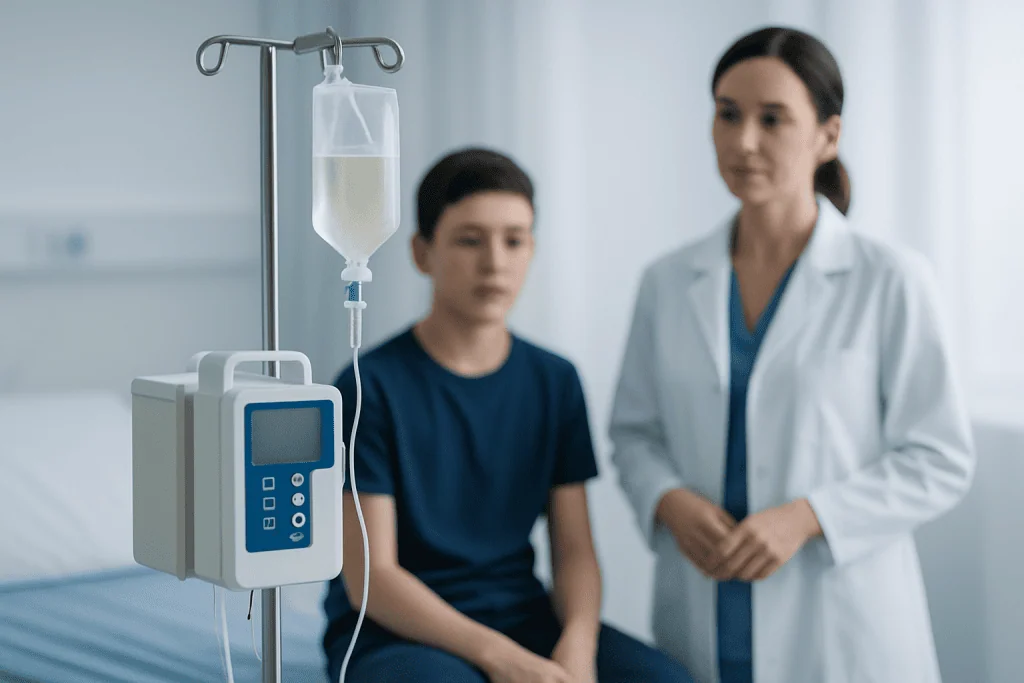
The microbiome is the community of bacteria, viruses, fungi, and other microorganisms living in the body, especially in the colon. In FMT, donor stool is processed into a preparation containing microorganisms and introduced into the recipient’s digestive tract. It may be given during colonoscopy, through an enema, via a tube placed into the upper digestive tract, or as specially prepared capsules in appropriate settings.
For recurrent C. difficile infection, candidacy is determined by a gastroenterologist after confirming the diagnosis, reviewing previous treatment, and assessing overall health. A potential recipient is also evaluated for factors that may increase procedure-related risk, such as severe immune suppression, major bowel disease, or an inability to safely undergo sedation if colonoscopy is planned.
There is no routine clinical candidacy pathway for fecal transplant treatment for autism because it is not an approved autism therapy. A child or adult with autism and troublesome bowel symptoms should first receive a thorough medical assessment. Constipation, food intolerance, coeliac disease, reflux, inflammatory bowel disease, infection, medication effects, and nutritional concerns may need separate evaluation and treatment.
- Assess persistent gastrointestinal symptoms rather than assuming they are part of autism.
- Use established developmental, educational, behavioral, communication, and mental health supports based on the person’s needs.
- Ask a clinician whether a registered, ethically reviewed clinical study is appropriate before considering experimental microbiome therapies.
Step-by-step: what happens during a fecal transplant?
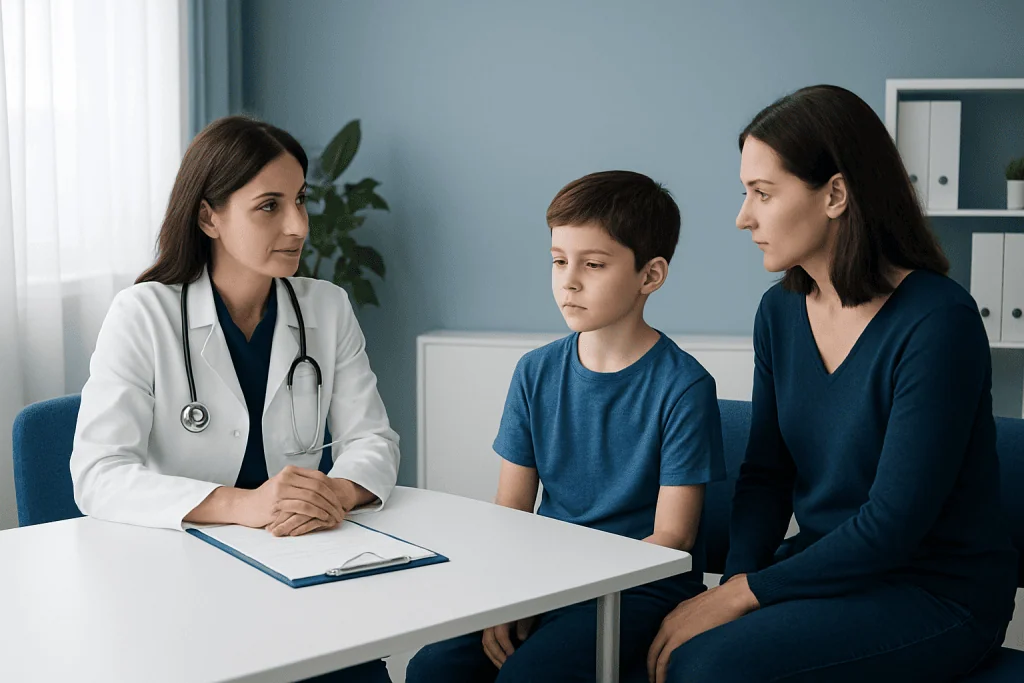
A medically supervised FMT begins with donor selection and extensive screening. Donors are asked about health history, travel, medications, and risk factors for infectious disease. Their blood and stool are tested for selected infections and antimicrobial-resistant organisms. These precautions reduce risk but cannot remove every possible risk.
The recipient’s preparation depends on the reason for treatment and the delivery method. For colonoscopy-based FMT, bowel cleansing and sedation planning may be needed. Some patients receive antimicrobial treatment before FMT when it is being used for recurrent C. difficile infection. The treating team explains what medicines to stop or continue, eating instructions, and transport arrangements after sedation.
During the procedure, the stool preparation is delivered to the planned part of the digestive tract. If colonoscopy is used, the procedure itself is usually short, although preparation and recovery monitoring take longer. Capsule-based methods avoid an endoscopic procedure but still require specialist oversight and carefully regulated donor material.
Afterward, the care team monitors for immediate problems such as pain, bloating, nausea, fever, or a reaction to sedation. The recipient receives instructions about hydration, expected digestive changes, warning signs, and follow-up testing when appropriate. FMT for recurrent infection should be arranged through an experienced gastroenterology service, not through unregulated home or commercial products.
How long does it take to recover from a fecal transplant?
Recovery from a fecal transplant is often brief, but the exact timeline depends on how it was delivered, the person’s underlying health, and whether sedation or colonoscopy was used. Many people can return to usual light activities the next day after an uncomplicated capsule, enema, or colonoscopy-based procedure. After sedation, driving, alcohol, and important decisions should be avoided for the period advised by the clinical team, commonly until the following day.
Mild gas, cramping, constipation, loose stool, or changes in bowel pattern can occur for a few days. These symptoms are usually temporary, but they should be discussed with the care team if they persist, worsen, or affect fluid intake. The underlying condition may take longer to improve; recovery is not measured only by the day of the procedure.
For people treated for recurrent C. difficile infection, clinicians monitor whether diarrhea resolves and whether symptoms return over subsequent weeks. In autism research, there is no validated recovery timeline or expected behavioral response because FMT is not an established autism intervention. Families should not make rapid changes to prescribed therapies, diets, or supports based on a procedure alone.
Are fecal transplants effective in treating autism?
No. Current evidence does not show that fecal transplants are an effective established treatment for autism itself. A few small, early fecal transplant autism study reports have described improvements in gastrointestinal symptoms and some parent-reported behavioral measures. However, these studies were limited by small participant numbers, varying methods, lack of strong comparison groups in some cases, and the difficulty of separating treatment effects from expectation, natural change, and other care.
Autism is a lifelong neurodevelopmental difference with diverse strengths, needs, communication styles, and support requirements. It is not caused by a single type of gut bacteria. Therefore, a change in stool microbiota cannot currently be assumed to change the core characteristics of autism in a reliable, meaningful, or lasting way.
Research into the microbiome may eventually clarify whether selected gastrointestinal symptoms in some autistic people can be helped through targeted approaches. Until high-quality controlled trials confirm benefits and safety, FMT should not replace individualized autism support, medical care for digestive symptoms, nutritional assessment, or treatment for co-occurring anxiety, sleep difficulties, epilepsy, or other health conditions.
Families may find it helpful to ask whether a proposed study has independent ethics approval, appropriate donor screening, clear safety monitoring, and realistic information about uncertainties. Claims that an unregulated stool-based product can cure autism, detoxify the body, or reliably improve development should be treated with caution.
What is the success rate of a fecal transplant?
A single success rate is not meaningful without stating the condition being treated. For recurrent C. difficile infection, FMT can be highly effective in appropriately selected patients, but results vary according to the delivery method, number of previous infections, use of antibiotics, and individual health factors. A treating gastroenterologist can explain expected outcomes for a specific clinical situation.
For autism, there is no established success rate because FMT is experimental and clinical studies have been small and inconsistent. It is not possible to give a reliable percentage for improvements in communication, behavior, sensory experiences, daily functioning, or quality of life. A reported change in a small study is not the same as a proven response rate in standard care.
Success should also be defined in a person-centered way. For digestive treatment, it may mean fewer painful bowel symptoms, better sleep, improved nutrition, or reduced missed school or work. For autism support, meaningful goals may include access to communication tools, participation in preferred activities, reduced distress, autonomy, and support that respects the person’s identity and preferences.
Can an autistic child live normal life?
An autistic child can grow into an adult with a meaningful, satisfying life. The term “normal” can be unhelpful because people develop differently and have different abilities, interests, communication styles, and support needs. Many autistic people attend school, build relationships, work, enjoy hobbies, and contribute to their communities, while some need ongoing assistance in daily life.
Outcomes are influenced by many factors, including access to supportive education, communication support, healthcare, family resources, co-occurring conditions, and an environment that understands sensory and social needs. Early identification of support needs can be helpful, but there is no single developmental pathway or outcome that applies to every autistic child.
Care should focus on the child’s well-being and practical goals rather than trying to make them appear less autistic. A pediatrician, developmental specialist, speech and language therapist, occupational therapist, psychologist, dietitian, and school team may contribute when appropriate. Treating pain, constipation, sleep problems, anxiety, or feeding difficulties can also support comfort and everyday participation.
Risks, benefits, and when to seek medical care
The potential benefit of FMT for recurrent C. difficile infection is restoration of a healthier gut microbial balance and a reduced chance of another infection. For autism, possible benefits remain uncertain and unproven. Even when gastrointestinal symptoms improve in a research setting, it cannot be assumed that core autism traits will change.
FMT can cause temporary digestive symptoms, including bloating, cramping, nausea, diarrhea, or constipation. More serious concerns include infection transmission, including antibiotic-resistant organisms, complications from colonoscopy or sedation, and worsening illness in vulnerable patients. These risks are why rigorous donor screening, regulated processing, informed consent, and medical follow-up are essential.
Medical care should be sought promptly for fever, severe or worsening abdominal pain, persistent vomiting, bloody stool, marked abdominal swelling, dehydration, confusion, breathing difficulty, or severe diarrhea after an FMT. A child or adult with autism should also be assessed when constipation, diarrhea, unexplained weight change, feeding difficulty, sleep disruption, or behavior changes suggest possible pain or illness.
Acibadem International’s multidisciplinary specialists and JCI-accredited hospitals support international patients who need evaluation for digestive conditions and coordinated care. A gastroenterologist and the relevant developmental or pediatric team can help families review safe, evidence-based options and decide whether research participation is appropriate.
Frequently asked questions
Is fecal microbiota transplantation approved for autism?
No. Fecal microbiota transplantation is not approved as a treatment for autism spectrum disorder. It has been studied experimentally, but current evidence is not strong enough to support routine use for autism.
Why is the gut microbiome being studied in autism?
Some autistic people have gastrointestinal symptoms, and researchers are studying whether differences in gut microorganisms may be linked with digestive health, immune activity, or other body processes. These associations do not prove that microbiome differences cause autism or that changing them treats autism.
Can FMT be done at home?
No. Home stool transplants and unregulated donor products can expose a person to serious infections and other contaminants. FMT should only be handled by qualified medical teams using appropriate donor screening and regulated processes.
What should parents do if an autistic child has constipation or diarrhea?
Parents or caregivers should arrange an assessment with a pediatrician or qualified clinician, especially if symptoms are persistent, painful, or affecting eating, sleep, or daily activities. Common and treatable causes should be considered before exploring experimental therapies.
Does FMT cure recurrent C. difficile infection?
FMT can be an effective option for selected patients with recurrent C. difficile infection, particularly when standard treatment has not prevented recurrence. It is not suitable for everyone, and the decision should be made with a gastroenterology or infectious disease specialist.
Should autism therapies be stopped before joining an FMT study?
Families should not stop prescribed medicines, educational supports, communication therapies, or other established care without speaking with the treating clinicians. A legitimate clinical study should clearly explain what treatments may continue and how participant safety will be monitored.
References
- U.S. Food and Drug Administration
- American Gastroenterological Association
- European Society of Clinical Microbiology and Infectious Diseases
- Centers for Disease Control and Prevention
- National Institute of Mental Health
This article is for general information only and is not a substitute for professional medical advice. Please consult a qualified doctor about your individual situation.
Persistent digestive symptoms? Get evaluated in Turkey
JCI-accredited · board-certified surgeons · reply within 24h
Add us as a Preferred Source to see more of our trusted health content across Google Search, AI Overviews and Discover.